


 English
 عربى
عربىPlastic Straw Ton Bucket
GET A QUOTE

Plastic Straw Ton Bucket
Plastic Straw Ton Bucket
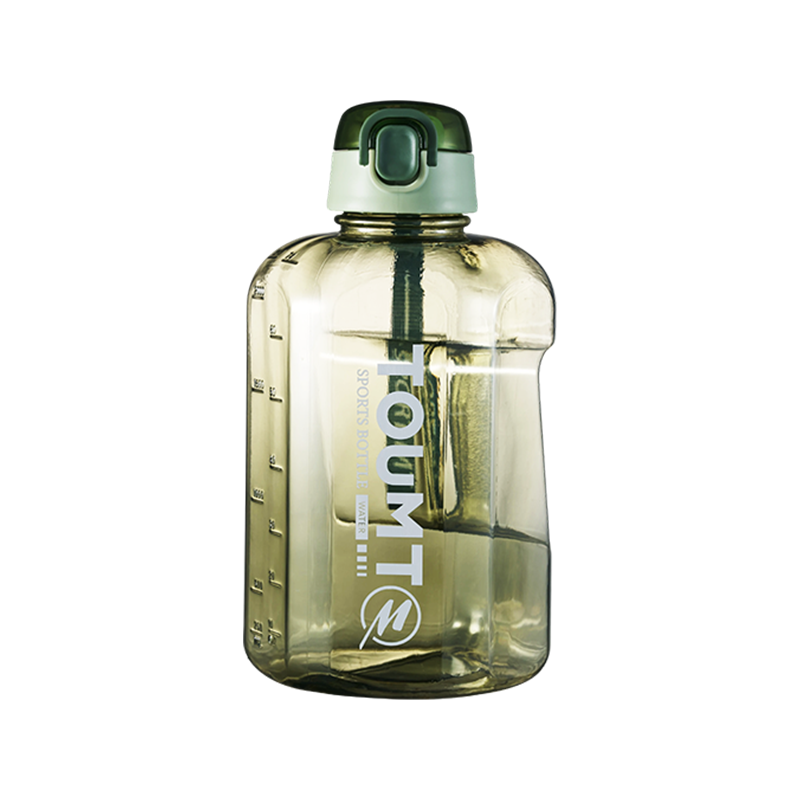
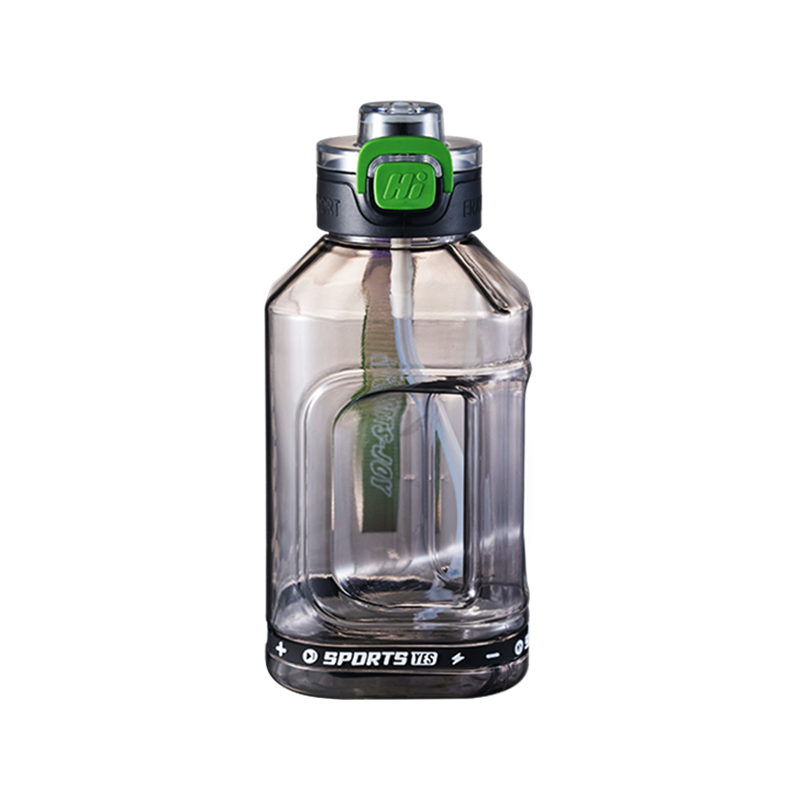
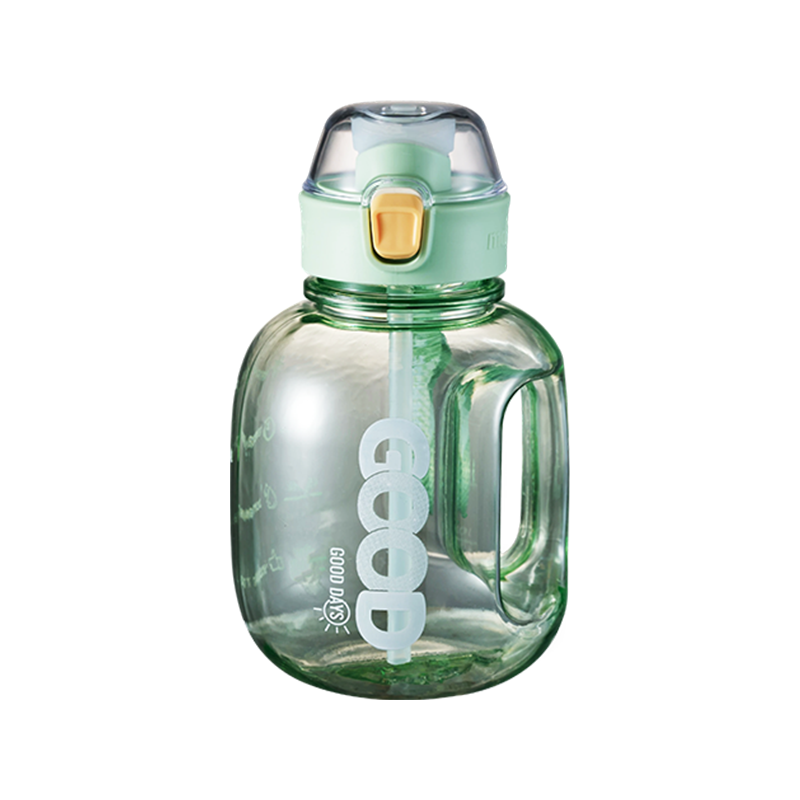
Plastic Straw Gallon Bottle | Extra-Large Capacity, Uninterrupted Hydration
Designed for fitness enthusiasts, this super-sized bottle meets the hydration needs of high-intensity workouts. Featuring a wide straw for smooth, continuous drinking, it supports every sweat-filled session with sustained energy.
Key Highlights
▸ Massive Capacity: 1.5L–3L volume, no more frequent refills—stay hydrated nonstop
▸ Fitness-Grade Straw System: Thick food-grade silicone straw ensures fast, smooth water flow during exercise
▸ Ergonomic Design: Non-slip grooved grip + portable carry handle for secure holding during strength training
▸ All-Scenario Ready: Perfect for gym weight zones, outdoor running, cycling, hiking, and sports training
Professional Details
▸ Made from reinforced PP/PC material—impact-resistant and durable
▸ Anti-slip silicone base for stable placement on gym equipment
▸ Some models include a separate compartment for electrolyte powder, ready to mix on the go
▸ Transparent volume markings for precise hydration tracking
Sports Science Features
Hourly drink reminder markings to build a scientific hydration routine
Wide mouth compatible with ice cubes for cold refreshment
Removable straw design for easy, thorough cleaning
Turn every sip into an energy-boosting ritual
More than just a bottle—it's an essential part of your workout gear.
Our Company
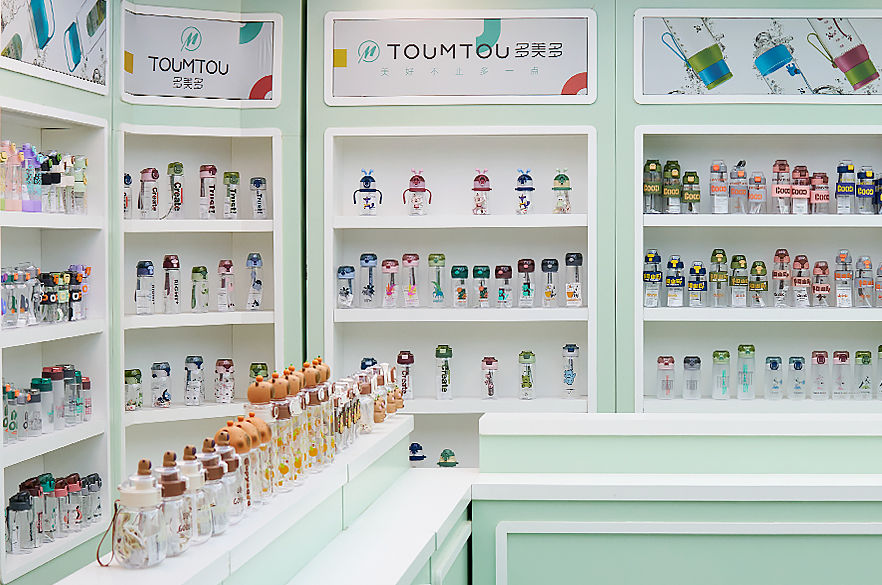
Taizhou Huangyan Zuohao Plastic Factory.
Taizhou Huangyan Zuohao Plastic Factory is a professional plastic water bottle manufacturer with over ten years of industry experience. We also own an import/export company: Taizhou Huangyan Duomeiduo Import & Export Co., Ltd. We have a 4,000-square-meter production base and more than 100 skilled employees. We adhere to strict quality control standards to ensure that our products achieve superior quality at every stage. We are committed to continuous new product development every year, winning market share with innovative and forward-looking designs, while providing fully customized solutions to meet the diverse needs of our customers.
Latest News
-
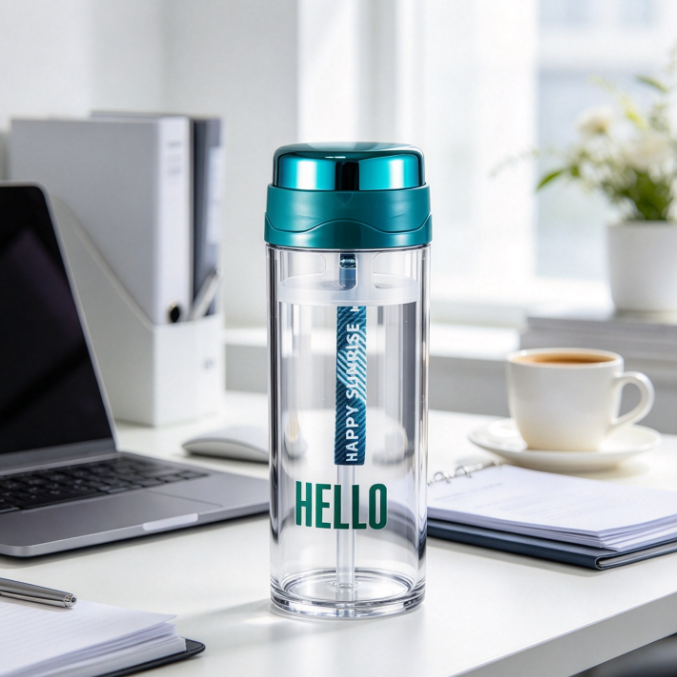 Oct 09, 26Plastic Bottle Sets: Keep Replacement Lids and Straws IdentifiableA water bottle range may share colours and styling across several sizes. That does not mean every lid, seal or straw is interchangeable. A replacement request becomes harder when the customer's bottle cannot be linked to the correct component version. For brands and distributors, component identification belongs in the product plan. It should remain understandable after the initial order has been delivered. Map the approved combinations Ask the supplier which lids and other components belong to each bottle version. Record their product codes and any approved shared use between sizes. Do not infer compatibility from a similar opening or matching colour. A proposed combination should be reviewed against the manufacturer's information for the actual product. Make customer identification practical Decide how a customer will describe the bottle when requesting a replacement. The retail item code, size or another clear reference can help, provided it identifies the supplied version accurately. Keep the online listing and packaging consistent. If the bottle design changes, update the identification information rather than expecting the customer to distinguish two revisions from appearance. Specify what a spare item includes A replacement lid may be supplied alone or with additional pieces. Ask for the contents of the proposed spare pack and identify any components that the customer needs to retain. The instructions should come from the manufacturer. Do not substitute an improvised cleaning or assembly method when the supplied part differs from the original. Keep performance claims model-specific Food-contact suitability, temperature limits and care instructions should refer to the actual components being supplied. A claim attached to one bottle version should not automatically be applied to an alternative lid or straw. If the product is described as leak-proof, establish the supported conditions and version behind that description. A lid that appears to close does not, by itself, demonstrate performance in every carrying arrangement. Before placing a repeat order, check the bottle and spare-parts records together. Can the sales team identify the customer's version, and can the warehouse pick the matching component? That practical connection makes a bottle range easier to support. It also gives the supplier a clearer replacement enquiry than a photograph of a similar-looking lid with no record of the bottle it came from.READ MORE
 -
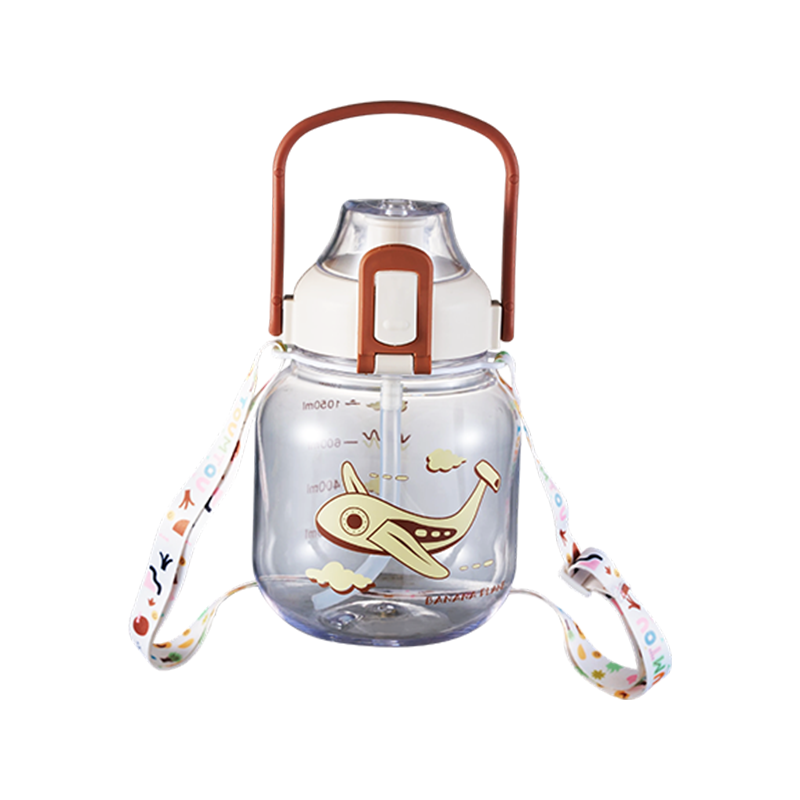 Oct 05, 26What Determines Water Flow in a Straw Plastic Water BottleA straw bottle is easy to use, so it is easy to overlook what happens between the bottle and the drinking opening. Water has to move through a narrow path, while air takes the place of the water leaving the container. The position of the straw, the way the lid is fitted, and the angle of the bottle can all change that process. This becomes more noticeable in a Straw Plastic Water Bottle because the drinking path is usually fixed by the lid and internal straw. A small change in the way the bottle is held may move the water away from the lower end of the straw. A different straw shape can also alter the path water takes before reaching the mouth. For everyday use, water flow is therefore connected to several simple design choices. Looking at those choices one by one helps explain why two bottles with a similar appearance may feel different when drinking from them. How Does Water Move Through a Straw Plastic Water Bottle Water does not simply rise through the straw on its own. When someone drinks, liquid is drawn through the straw toward the opening. At the same time, air needs to enter the bottle as the space occupied by the water changes. The lid becomes part of this process. It holds the straw in place and controls the openings between the inside of the bottle and the outside. If the path for air is restricted, the movement of water can change. The bottle itself also matters. Water settles toward the lowest part of the container, so its position changes when the bottle is tilted. The lower end of the straw needs to remain close enough to the water for drinking to continue normally. Component Relation to water flow Straw Provides the path for water Lid Connects the drinking path to the bottle Bottle body Holds and positions the water Straw end Remains in contact with the available water Bottle angle Changes the position of water inside These parts are connected during use. A change in one can affect what happens in another. How Does Straw Diameter Affect Water Flow The inside width of a straw determines how much space water has to pass through. A narrower passage leaves less room for movement, while a wider passage provides a larger route. That difference can be noticed when drinking. A person may need to draw water through a narrow straw differently from a wider one. However, straw width cannot be considered by itself. The length of the straw and the rest of the bottle design also influence the result. A bottle intended for a compact drinking setup may use a different straw arrangement from a bottle with a taller body. Changing the straw without considering the bottle can therefore produce a different drinking experience. There are several details that normally need to be considered together: the internal width of the straw the length of the drinking path the shape of the straw the opening in the lid the position of the straw inside the bottle For a Straw Plastic Water Bottle, these elements form one continuous path. The diameter is only one part of that path, rather than an isolated feature. How Does Straw Length Influence the Drinking Experience Straw length is closely tied to the shape and height of the bottle. The lower end needs to reach the water, while the upper end has to remain comfortably positioned at the lid. If the straw is too short for the bottle, its lower opening may sit above the water when the bottle is held in a certain position. A longer straw can reach deeper into the container, but extra length also creates a longer route between the water and the drinking opening. The relationship becomes easier to see with bottles that have noticeably different shapes. A short, wide container does not require the same internal arrangement as a narrow, tall one. The position of the lower straw end also changes as the bottle is tilted. When there is plenty of water inside, this may be less noticeable. As the water level drops, the position of the straw becomes more relevant. For that reason, straw length is generally considered together with bottle dimensions rather than chosen independently. How Does Straw Shape Affect Water Flow Not every straw follows a straight line. Some have a curved section near the drinking opening, making it easier to reach the mouth without lifting the bottle into a steep position. A smooth curve and an accidental bend are two different things. The former is part of the intended design. The latter can reduce the open space inside the straw and interfere with the movement of water. Flexible straws also move as the bottle is handled. They may shift slightly when the bottle is placed in a bag or when someone changes their grip. What matters is whether the straw can return to a usable position rather than remaining compressed. Straw condition What may happen during use Straight path Water follows a direct route Planned curve Changes the direction of the drinking path Flexible section Allows some movement Sharp bend Can restrict the passage Poorly positioned connection May affect the continuity of the path The shape also needs to work with the lid. A curve that looks suitable by itself may not be practical if it places the drinking opening in an awkward position. How Does the Bottle Lid Affect Water Flow The lid is often treated as a separate part because it is the piece people open and close. During drinking, however, it becomes part of the water path. The straw passes through or connects to the lid, and air has to move through the appropriate opening as water leaves the bottle. The arrangement needs to support both functions at the same time. A loose connection can allow the straw to shift. A poorly fitted connection can also affect how the drinking path is maintained. These details become particularly noticeable when the bottle is moved while someone is drinking. The lid also needs to remain closed when the bottle is being carried. This is where the drinking function and carrying function meet. The same component needs to provide an opening for drinking while keeping the contents contained when the bottle is stored. In a Straw Plastic Water Bottle, the lid is therefore more than a cover. Its connection with the straw influences how the internal and external parts of the drinking path work together. How Does the Drinking Angle Change Water Flow The water inside a bottle moves whenever the bottle changes position. Hold it upright and the water settles toward the bottom. Tilt it and the water shifts toward one side. That movement changes where the lower end of the straw sits in relation to the water. A person drinking while seated may hold the bottle in one position, while someone walking or exercising may use a different angle. The change is particularly noticeable when there is less water remaining. The straw may need to reach a different part of the bottle to stay in contact with the liquid. This does not mean that a bottle has to be held in one fixed position. People naturally adjust their grip while drinking. A practical design takes those ordinary movements into account rather than assuming the bottle will always remain perfectly upright. The shape of the bottle can help determine how much the water moves during this process. A narrow body and a wider body will not necessarily place the water in the same location when tilted. How Does the Straw Position Affect Water Delivery The lower end of the straw has a simple job: it needs access to the water inside the bottle. Its exact position can nevertheless make a difference. In some bottles, the straw extends close to the bottom. In others, the internal arrangement follows the shape of the container. If the bottle is tilted or moved, the straw can shift along with it. This is particularly relevant when the bottle is being carried around. Movement inside a bag, for example, can cause the straw to move slightly. Repeated handling can have a similar effect. A suitable internal position should leave enough room for water to reach the straw opening while allowing the bottle to be used in normal positions. The straw should not be pressed tightly against the bottle wall or placed where its opening can easily become obstructed. For a Straw Plastic Water Bottle, the internal straw position is closely linked to bottle shape. Changing one without considering the other can alter the way water reaches the drinking path. What Should Be Considered When Designing for Consistent Water Flow By this point, it becomes clear that water flow comes from a combination of small design decisions. There is no single part that controls the entire process. The straw diameter determines the available passage. Its length determines how far water needs to travel. Its shape determines the direction of that path. The lid keeps the upper part connected to the bottle and provides the openings needed during drinking. Then there is the bottle itself. Its shape affects where water collects, while its position changes the relationship between the water and the lower end of the straw. For a Straw Plastic Water Bottle, the main considerations can be viewed as a connected set: Straw size — The passage needs to suit the intended drinking arrangement. Straw length — The lower end should remain capable of reaching the water. Straw shape — Curves should support the intended drinking position without creating unnecessary restrictions. Lid connection — The straw needs to stay properly connected and positioned. Bottle shape — The container influences how water moves when it is tilted. Internal straw position — The lower opening needs to remain accessible as the bottle is used. Drinking angle — Everyday changes in position can alter where water sits inside the bottle. These factors are easier to understand when viewed as one drinking path rather than as unrelated product features. The straw begins inside the bottle, passes through the lid, and ends at the drinking opening. Water follows that route while air moves into the space left behind. The same principle applies during ordinary handling. A bottle may be placed on a desk, carried in a bag, held while walking, or used during exercise. Each situation changes the position of the container slightly. A well-considered Straw Plastic Water Bottle design takes these normal changes into account without relying on a single component to control the entire flow.READ MORE
 -
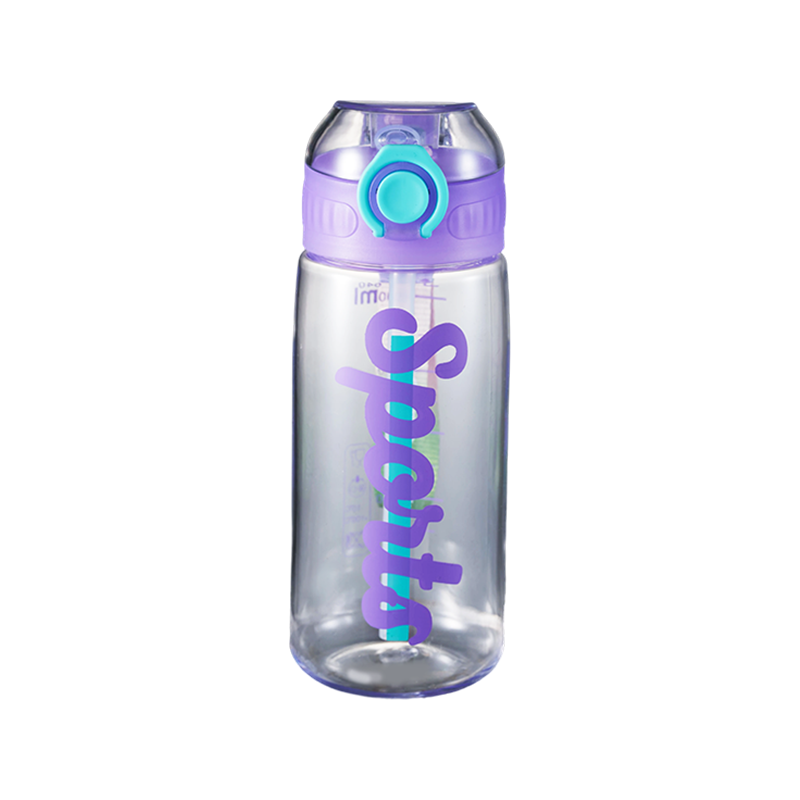 Oct 02, 26How Is a Gym Plastic Water Bottle Designed for Daily TrainingGoing to the gym often involves repeated movements, short breaks, equipment changes, and regular drinking. A water bottle therefore needs to fit into these small moments without becoming difficult to carry, open, use, or clean. The design is not only about holding water. Bottle size, shape, opening, lid, sealing parts, and cleaning access can all affect how the container works during a training session. A Gym Plastic Water Bottle is commonly used in situations where the bottle may be picked up and put down many times. It may sit beside exercise equipment, travel inside a gym bag, or be carried between different areas of a facility. These conditions create practical requirements that are different from those of a bottle used mainly at home. Looking at the product from the perspective of daily training makes it easier to see why several small design choices matter. Capacity affects portability, the bottle shape affects grip, the lid affects drinking, and the construction influences cleaning and repeated use. These factors are connected, but each serves a different purpose. How Does Bottle Capacity Fit Different Training Sessions Capacity is one of the first things to consider because it affects how often a person needs to refill the bottle. A short visit to the gym may involve different needs from a longer training session. The type of exercise also changes how frequently someone may want to drink. A compact bottle can be convenient when the user moves between machines or carries several items. A larger container can reduce the need to return to a water station during a longer session. However, increasing capacity also adds weight and takes up more space in a gym bag. Training situation Capacity consideration Practical concern Short training session Compact size may be easier to carry Frequent refilling may be needed Longer session Larger capacity can reduce refills The bottle takes up more bag space Moving between equipment Moderate size can be easier to handle Easy access becomes important Bottle stored in a gym bag Size should match available space Shape can affect how other items fit Capacity should therefore be considered together with how the bottle will be transported. A container that holds more liquid is not automatically easier to use if its size makes it awkward to carry or store. The intended drink also matters. A bottle used mainly for water may have different practical requirements from one that is regularly filled with a flavored or electrolyte drink. In either case, the opening should allow the container to be filled without unnecessary difficulty. What Makes a Gym Plastic Water Bottle Easy to Carry Once capacity has been considered, portability becomes an important part of the design. People often carry a bottle together with towels, clothing, training accessories, and personal items. The bottle needs to fit into this environment without taking up unnecessary space or becoming difficult to handle. The shape of the container can influence how it sits inside a bag. A long, narrow body may fit differently from a wider one. A built-in handle can also provide another way to move the bottle without gripping the body. Weight is another practical consideration. The bottle itself may feel light when empty but become noticeably heavier after being filled. A suitable balance between capacity and physical size can make carrying easier throughout the day. Some useful design considerations include: A body that is easy to hold while walking between training areas A shape that can sit securely inside a gym bag A handle or loop that provides another carrying point A base that allows the bottle to stand on a suitable surface A size that does not interfere with nearby personal items Portability is especially relevant when the same bottle is carried outside the gym. A design that works beside exercise equipment may also need to fit into a vehicle, backpack, locker, or desk area. Why Do Bottle Shapes Matter During Gym Workouts Bottle shape affects more than appearance. During exercise, hands may be wet from washing, perspiration, or condensation. A smooth, wide body can feel different from a narrower shape with defined grip areas. A shaped body can give the hand a clearer position when the bottle is picked up. Surface texture may also provide additional friction. These details become noticeable when the bottle is used repeatedly rather than only once or twice. The base has a separate role. A stable bottom can help the bottle remain upright when placed beside equipment or on a flat surface. A poorly matched shape may take up more space or be harder to position securely. The relationship between bottle dimensions and hand size also matters. If the body is too wide to hold comfortably, the user may need to use both hands. If it is too narrow for the intended capacity, the bottle may become unusually tall. This is why a Gym Plastic Water Bottle can have different shapes even when the basic purpose is the same. The shape reflects how the container is expected to be carried, held, stored, and used. How Do Different Lids Change the Drinking Experience The lid determines how the user accesses the liquid. A screw cap requires the cap to be removed before drinking, while a flip-top can be opened more quickly. A straw-style opening allows drinking without raising the bottle as much. Each arrangement creates a different interaction between the user and the container. During a pause between exercises, a simple opening may be enough. During activities that require frequent movement, the user may prefer a lid that can be opened with minimal handling. The lid should also be considered together with cleaning. A design with several small parts may provide a convenient drinking method but require more attention when it is washed. Openings, seals, and internal spaces can retain moisture or drink residue if they are difficult to reach. A practical lid design therefore needs to balance several everyday concerns: How easily it can be opened How securely it closes How comfortably the user can drink Whether it can be cleaned without difficulty Whether loose parts are easy to keep together The drinking method is a small part of the overall product, but it is used repeatedly. That makes the lid an important part of the everyday experience. What Helps a Gym Plastic Water Bottle Reduce Leaks A bottle that is carried in a gym bag needs to remain closed while it is being moved. Leakage can affect clothing, towels, electronic items, and other belongings stored nearby. The connection between the lid and bottle opening is therefore important. The threads need to align properly when a screw cap is used. Sealing components also need to remain correctly positioned. For flip-top or drinking-spout designs, the closure needs to return to its intended position after use. Leak prevention also depends on how the bottle is handled. A cap that has not been closed completely may allow liquid to escape even when the basic design is intended to provide a secure closure. Bottle area Common use concern What to check Bottle opening Cap may not sit correctly Check the closure position Sealing area Liquid may escape around the lid Keep sealing parts clean Flip-top or spout Closure may remain partly open Confirm it is fully closed Bottle body Damage can affect containment Check for cracks or deformation Carrying position Pressure may be placed on the lid Store the bottle carefully Regular inspection can help identify problems before the bottle is placed inside a bag. Small cracks, worn sealing parts, or a damaged lid can change how well the container holds liquid. How Does Easy Cleaning Affect Gym Water Bottle Use A reusable bottle is handled frequently, so cleaning needs to fit into normal routines. The inside of the container is only one part of the process. The lid, drinking opening, sealing components, and areas around the threads can also require attention. Wide openings can make it easier to reach the inside of the bottle. A lid that separates into several pieces may require additional cleaning, particularly when drinks other than plain water are used. After washing, allowing the individual parts to dry can also matter. Moisture trapped beneath a seal or inside a narrow opening can make the bottle difficult to keep fresh. A simple cleaning routine can include: Empty the bottle after use rather than leaving liquid inside for long periods. Wash the bottle and removable lid parts according to the care instructions. Pay attention to the drinking opening and sealing areas. Rinse away any remaining drink residue. Let the components dry before closing and storing them. For people who use the same container regularly, cleaning access can be just as relevant as the external shape. A design that is easy to open but difficult to wash may create unnecessary maintenance work. What Affects the Durability of a Gym Plastic Water Bottle A bottle used in a gym can encounter repeated handling. It may be placed on benches, carried in a bag, dropped accidentally, or pressed against other items. Repeated opening and closing can also place wear on the lid and sealing areas. The bottle body and its closure do not necessarily experience the same type of stress. The body may be affected by impact or pressure, while the lid is repeatedly opened, closed, and handled. Signs of wear can include: Scratches or visible surface changes Cracks around the bottle body or opening A lid that no longer closes properly A seal that has become damaged or misplaced Changes in the bottle's ability to remain upright Cleaning methods can also influence long-term condition. Excessive friction, unsuitable cleaning practices, or rough handling may gradually affect the surface or individual components. Durability is therefore connected to both construction and use. Even a carefully designed container can experience wear when it is repeatedly carried, washed, opened, and stored. Which Bottle Features Matter Most for Regular Gym Use For regular gym use, no single feature works independently. Capacity affects weight and portability. Bottle shape affects grip and storage. The lid affects drinking and cleaning. Sealing parts affect whether the container can be carried inside a bag without unwanted leakage. A Gym Plastic Water Bottle also needs to fit the user's routine. Someone who moves frequently between training areas may pay more attention to grip and portability. Someone who spends longer periods in one location may place greater importance on capacity. A person who uses sports drinks may pay closer attention to cleaning access. The main considerations can be viewed together: Design area Daily-use question Capacity Does the bottle suit the planned training routine? Shape Can it be held comfortably during repeated use? Portability Can it fit into the intended bag or storage space? Lid Is the drinking method suitable for the user's routine? Sealing Can the closed bottle be carried with confidence? Cleaning Can the bottle and lid parts be cleaned without difficulty? Durability Can the construction handle repeated everyday handling? A Gym Plastic Water Bottle is ultimately shaped by these practical interactions. Its usefulness during training depends not on one isolated feature, but on how the capacity, body, lid, sealing areas, and cleaning access work within the user's normal routine. Looking at each element separately makes the relationship between product design and daily gym use easier to see.READ MORE
 -
Sep 28, 26How Can Plastic Straw Water Bottle Suit Adult Daily UseA water bottle can become part of an adult's daily routine without attracting much attention at all. It may sit beside a computer during work, travel in a bag during a commute, or stay within reach during exercise at the gym. Because it gets used so often, both appearance and practical function can genuinely shape how people feel about the product over time. A Plastic Water Bottle for Adults needs to fit more than one type of situation throughout a typical week. It should be comfortable to carry, simple to use, and suitable for the environment where it will actually get used. At the same time, adults may care about color, shape, surface finish, and overall appearance because the bottle can become part of their personal style. Balancing these elements isn't simply a matter of making a bottle look attractive on a shelf. A thoughtful design connects visual details with the way people actually drink, carry, clean, and store the bottle throughout the day. Why Does Style Matter in Adult Water Bottle Design? Adults often carry water bottles in places where personal items stay genuinely visible to others. A bottle may sit on an office desk, get taken into a meeting area, travel through a gym, or stay kept beside a travel bag on a trip. This makes appearance part of the everyday product experience rather than an afterthought. A design that looks simple and organized may fit naturally into a work setting, while a more active appearance may suit exercise or outdoor use instead. Style can come from several elements working together. Design Element Possible Influence Color Supports personal preference Bottle shape Affects visual character and handling Surface finish Changes the overall look and feel Lid design Connects appearance with usability Straw structure Adds a recognizable functional feature Style doesn't need to compete with function for attention. When the visual design follows the practical structure of the bottle, both aspects can genuinely work together rather than pulling apart. How Can Shape Balance Appearance and Handling? Bottle shape is one of the most visible design choices a manufacturer makes, but it also affects how the product feels in the hand throughout the day. A bottle that looks attractive but feels genuinely awkward to carry may not become part of a user's regular routine at all. A balanced shape can provide a comfortable grip while maintaining a clean appearance overall. Curved surfaces, defined grip areas, or a simple cylindrical body can each create a genuinely different experience for the person holding it. The intended user also matters quite a bit here. An adult carrying a bottle during a commute may have genuinely different needs from someone using it during a workout session. Shape Consideration Practical Question Body width Is it comfortable to hold? Surface profile Does it provide a natural grip? Base shape Can it sit securely on suitable surfaces? Overall form Does it fit common bags or storage spaces? The relationship between shape and function becomes particularly important when the bottle gets carried regularly across many different settings. What Role Does a Straw Play in Adult Water Bottle Design? A straw changes how a person drinks from a bottle entirely. Instead of lifting and tilting the entire container back, the user can drink through the straw while keeping the bottle in a relatively stable position throughout. A Plastic Straw Water Bottle can therefore suit adults who want convenient access during work, exercise, travel, or other daily activities scattered through a day. The straw also becomes part of the visual design because its position and connection with the lid influence the bottle's overall appearance. The straw should feel like part of the product, rather than an unrelated addition bolted on afterward. Its shape, placement, and lid structure can get designed together, so the bottle remains visually balanced throughout. For adult users, convenience often matters because the bottle may get used repeatedly throughout the day without a break. A simple drinking method can make the product genuinely easier to incorporate into different routines. How Can a Sport Water Bottle with Straw Look Suitable for Adults? Sports bottles often get associated with active environments and gym floors, but adult users may also want a design that fits work, commuting, and travel just as naturally. A Sport Water Bottle with Straw can combine practical drinking access with a genuinely more restrained appearance. The bottle doesn't need to rely on bright colors or complicated visual details to communicate its purpose clearly. A clean shape, coordinated lid, and comfortable grip can make the bottle suitable for genuinely different settings without looking out of place in any of them. A user, for example, may take the same bottle to a morning workout and later place it beside a laptop at the office. A design that works in both environments can reduce the need to carry separate bottles for different activities throughout a busy week. This flexibility can also influence product development at the manufacturing stage. Manufacturers can consider how sports-related features get presented without allowing them to dominate the entire appearance of the finished product. Why Is the Lid Important for Both Style and Function? The lid is one of the genuinely most noticeable parts of a bottle sitting on a desk. It also carries an important practical role because it controls access to the drinking opening and connects the straw with the bottle body underneath. A well-integrated lid can support the visual balance of the whole product from top to bottom. If the lid appears disconnected from the bottle shape, the overall design may feel genuinely less coherent to someone picking it up. Function remains genuinely important as well throughout regular use. Users may need to open, close, or secure the lid several times during the day without much thought. Useful considerations include easy access to the drinking opening alongside comfortable handling overall. A secure closing structure matters too, along with suitable integration with the straw itself. A design that matches the bottle body rounds out the list worth checking. The lid should support the user's routine without adding unnecessary complexity to a simple task. How Does Surface Finish Influence the User Experience? People interact with the bottle through their hands dozens of times a day, so surface finish can affect both appearance and handling in equal measure. A smooth surface may create a clean visual impression and can prove simple to wipe down after use. A textured surface can provide a genuinely different tactile experience and may help users feel genuinely more secure while holding the bottle during a workout. Surface finish also affects how the bottle looks under different lighting conditions throughout a day. A matte appearance may feel genuinely understated on a desk, while a glossy finish can create a genuinely different visual effect under office lighting. The right choice depends on the intended product identity and use environment it's meant for. The important point is that surface treatment should support the bottle's practical role, rather than exist only as decoration layered on top. For a Plastic Water Bottle for Adults, the connection between visual texture and everyday handling can influence whether the product feels genuinely natural to use. Can Color Make a Plastic Water Bottle More Versatile? Color is one of the easiest ways to create genuinely different visual styles without changing the basic bottle structure underneath. Adults may choose colors based on personal preference, clothing, work environment, sports equipment, or travel accessories they already own. Some users may prefer understated tones that blend into an office setting, while others may want a genuinely stronger visual identity that stands out. A product range can therefore use different colors to serve different preferences while keeping the basic functional design consistent across the line. Color can also help distinguish parts of the bottle from one another. A lid, straw, or grip area can use a related shade without creating a visually crowded appearance overall. The goal isn't simply adding more colors for the sake of variety. A thoughtful color arrangement can help the bottle look coordinated while keeping important functional areas genuinely easy to recognize at a glance. How Does Portability Affect Adult Bottle Design? Adults often carry several items at once throughout a typical day. A bottle needs to fit into this routine without creating unnecessary inconvenience for the person hauling everything around. Portability depends on the relationship between shape, weight, grip, and storage working together. A bottle that fits comfortably into a bag can prove genuinely easier to bring to work or on a trip without extra thought. A practical grip can also make it genuinely easier to carry between locations throughout a busy schedule. Storage should get considered as part of the design process from the start. Daily Situation Portability Consideration Office Fits naturally into a personal workspace Commute Easy to carry with other belongings Gym Comfortable to handle during activity Travel Suitable for bags and temporary storage Outdoor use Easy to carry between locations A portable design doesn't need to sacrifice visual appeal to achieve this. The two can develop together when the bottle's proportions get planned around actual use from the beginning. Why Does Cleaning Matter to Functional Design? A bottle may look genuinely appealing when new and fresh off the shelf, but its long-term usability also depends on how easy it stays to maintain over months of use. Straws, lids, drinking openings, and bottle interiors can all require cleaning on a regular basis. If a design contains several difficult-to-reach areas, routine care may become genuinely less convenient over time. A practical bottle should make normal cleaning genuinely manageable for the owner without much fuss. Users should follow the manufacturer's care instructions and pay attention to the areas that come into regular contact with drinks. Cleaning can also influence the design itself in meaningful ways. A removable straw or accessible lid structure may make certain parts genuinely easier to wash, depending on the product's construction. Bottle Area Design Consideration Interior Easy access for routine cleaning Straw Convenient care after repeated use Lid Accessible areas around the opening Drinking section Suitable for regular washing Exterior Practical surface maintenance Function includes what happens after the bottle gets used, not just during the sip itself. Maintenance is therefore part of the overall user experience worth designing for. How Can a Plastic Water Bottle for Adults Fit Workplace Use? Workplace environments often require products that stay genuinely practical without looking out of place on a desk. A bottle may remain on a desk for several hours, travel between work areas, or move between an office and home throughout a week. An adult-oriented design can use a restrained shape and coordinated details while keeping drinking access genuinely convenient throughout the workday. A straw can also reduce the need to tilt the bottle while sitting at a desk typing away. This may make it genuinely easier for users to take regular drinks while continuing with ordinary tasks without breaking focus. The bottle should also be easy to place beside other personal items cluttering a desk. A stable base and manageable shape can help it fit naturally into a workspace without tipping over. Work use shows why appearance and function can't always get separated from each other. A bottle can be both a practical drinking product and a visible personal item at the same time. What Makes a Straw Bottle Suitable for Travel? Travel places genuinely different demands on a bottle because the user may move through several environments during one single day. A bottle might get carried in a backpack, placed beside a seat, used during walking, and stored again after drinking, all within a few hours. The product therefore needs to support repeated handling without wearing down or becoming a hassle. A Plastic Straw Water Bottle can make drinking genuinely convenient during these changes because the user can access the straw without heavily tilting the container back. Travel design should also consider closure, storage, and cleaning together as one connected concern. The bottle needs to fit into the user's packing routine, while the lid should get handled according to the manufacturer's instructions to help prevent unwanted opening inside a bag. A simple design can prove genuinely useful when a traveler already has several belongings to manage on the same trip. How Can Manufacturers Combine Practical Features With a Clean Appearance? Product development becomes genuinely more interesting when functional parts also contribute to the visual identity of the bottle as a whole. The straw, lid, grip, and body don't need to get treated as separate design problems tackled in isolation. Their shapes and positions can get planned together, so the finished bottle feels genuinely consistent from top to bottom. The grip area, for example, can become part of the bottle's visual structure rather than an afterthought. The lid can repeat a detail from the body to tie things together visually. The straw can follow the shape of the opening, rather than appearing as an added component stuck on later. This approach can help manufacturers create products that feel genuinely complete, rather than heavily decorated after the fact. A practical design process may start with user routine, understanding when and where the bottle will actually get used throughout a day. Handling deserves attention too, considering how the bottle gets picked up, carried, opened, and stored. Drinking access matters just as much, making the straw and opening genuinely easy to reach without fumbling. Visual balance rounds things out, keeping the body, lid, and straw visually connected as one unit. Maintenance closes the loop, considering how users will actually clean and store the product over time. Each part supports the others in this process. This makes the design genuinely more coherent without requiring unnecessary features tacked on for their own sake. How Can Buyers Compare Adult Straw Bottle Designs? Buyers can look beyond appearance when comparing different products side by side. A bottle may have a genuinely attractive finish, but its value in daily use depends on how well the design fits the user's actual habits. Several practical questions can help sort through the options available. Area Question to Consider Style Does the appearance suit the intended setting? Grip Is it comfortable to hold? Straw Is drinking convenient? Lid Is opening and closing straightforward? Portability Can it be carried easily? Cleaning Can regular care be managed? Storage Does it fit the user's usual spaces? This approach keeps the comparison genuinely connected to actual use, rather than drifting toward surface-level impressions alone. For buyers considering a Sport Water Bottle with Straw, exercise needs can get placed alongside workplace and travel requirements in the same conversation. For those selecting a Plastic Water Bottle for Adults, appearance can get considered together with grip, portability, drinking access, and maintenance as one connected picture. How Can Design Support Different Adult Lifestyles? Adult routines vary genuinely widely from person to person across a given week. One person may spend much of the day in an office, another may travel between locations constantly, while someone else may combine work with regular fitness activities squeezed into the same day. A flexible bottle design can serve several of these situations without changing its basic purpose along the way. The combination of a practical body, accessible straw, coordinated lid, manageable shape, and suitable surface can make the bottle genuinely easier to use across different environments a person moves through. This is where style and function genuinely meet in a practical way that works for real life. The bottle should look appropriate for the places where users expect to carry it, while its physical design should make drinking, handling, storage, and cleaning genuinely straightforward. For manufacturers, this balance creates room to develop Plastic Straw Water Bottle products that respond to everyday adult routines without relying on unnecessary visual complexity or excessive features piled on top of one another.READ MORE
-
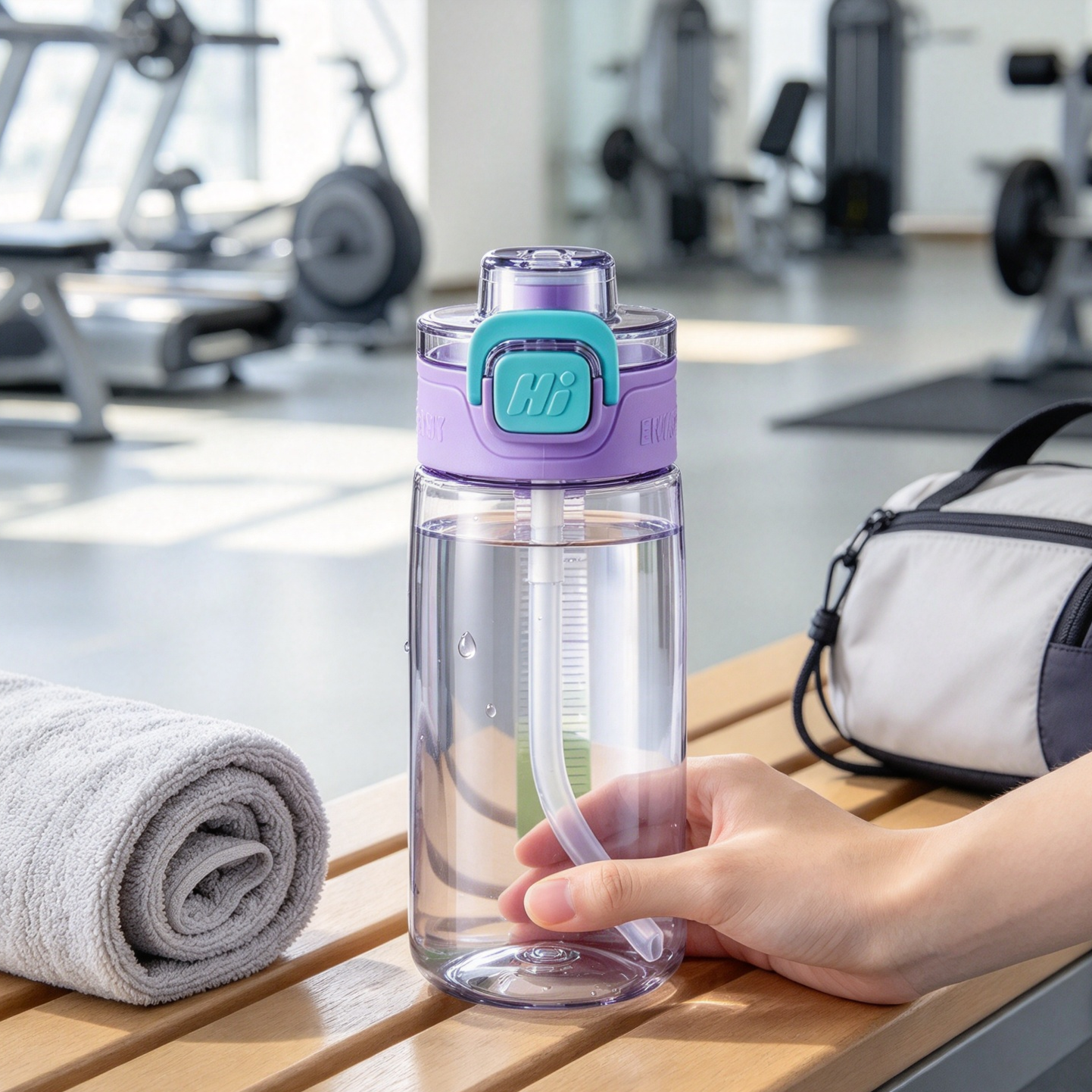 Sep 25, 26Which Plastic Water Bottle with Straw Suits Sports and TravelChoosing a water bottle for sports and travel can seem genuinely simple until the bottle has to fit into real daily routines. A bottle used during a workout may need to be easy to drink from while moving around a gym floor, while a travel bottle needs to handle packing, carrying, and repeated use across different places over several days. A Plastic Straw Water Bottle combines a familiar lightweight bottle design with a straw that lets users drink without tipping the container back. This small change can make a genuinely noticeable difference when someone is walking, exercising, commuting, or sitting in a vehicle for a long stretch. The right choice depends on how the bottle will actually get used day to day. Shape, straw design, lid structure, portability, cleaning, and drinking comfort can all affect the experience. Looking at these details together makes it genuinely easier to choose a bottle that fits a particular routine. What Makes a Plastic Water Bottle With Straw Suitable for Sports? Sports activities often involve movement, changing body positions, and limited time between activities. A bottle that requires careful handling can become genuinely inconvenient when the user is focused on exercise rather than fumbling with a cap. A straw provides direct access to the drink without much fuss. The user can take a sip without lifting the bottle as high or turning it upside down mid-set. This can prove useful during walking, cycling, gym sessions, outdoor training, and other activities where convenient drinking genuinely matters. A suitable sports bottle may offer several practical features worth checking for. Feature Why It Matters Straw opening Allows direct sipping Easy-grip body Supports comfortable handling Secure lid Helps reduce accidental opening Portable shape Makes carrying easier Reusable design Supports regular use The bottle doesn't need to be complicated to work well. A straightforward design can perform genuinely fine when each part has a clear purpose behind it. How Does a Straw Change the Drinking Experience? The main difference between a traditional bottle and a straw bottle comes down to how the user accesses the drink inside. A traditional bottle normally needs tilting back, while a straw allows the user to sip from a genuinely more stable position. This can prove helpful during physical activities of all kinds. Someone exercising on a treadmill, stretching between sets, or walking outdoors may prefer taking a quick drink without changing their posture significantly mid-motion. The straw can also make drinking feel genuinely more natural during travel stretches. A passenger can take a sip while seated on a train, and a traveler walking through a station can use the bottle without making a large, awkward movement. For users who drink regularly throughout the day, this simple access can become a genuinely important part of the bottle's everyday appeal. Why Is Bottle Shape Important for Sports and Travel? Bottle shape affects genuinely more than appearance sitting on a shelf. It influences how the bottle feels in the hand, how easily it fits into a bag, and how convenient it proves to carry from one place to another throughout a day. A narrow shape may be easier to place into certain holders or side pockets on a backpack. A wider body may feel genuinely more stable sitting on a flat surface like a desk. Some users may prefer a rounded form, while others may find a more structured shape genuinely easier to grip during a run. There's no single shape that suits every situation a person might face. Usage Situation Useful Shape Consideration Gym workout Easy to hold during movement Outdoor walking Comfortable for repeated carrying Road travel Convenient to place beside a seat Air travel Easy to pack when empty Daily commuting Suitable for bags and storage spaces The genuinely right match depends on the user's surroundings and carrying habits, rather than the shape alone dictating the choice. What Should You Look for in a Sport Water Bottle with Straw? A Sport Water Bottle with Straw should stay genuinely practical during movement of all kinds. The user may open it, drink from it, close it, and put it away several times during one single activity. The straw should be genuinely easy to reach and comfortable to use without fumbling. The lid should also be simple enough to operate without creating unnecessary extra steps mid-workout. Grip is another consideration worth weighing carefully. A bottle that feels awkward in one hand may become genuinely frustrating during exercise when hands get sweaty. Surface texture, body shape, and overall balance can influence how naturally it gets handled throughout a session. Buyers can ask themselves whether the bottle opens without much effort, and whether the straw stays easy to access mid-activity. Whether the body feels comfortable to hold matters too, along with whether the lid stays closed during normal carrying around a gym bag. Whether the bottle proves easy to clean after use rounds out the list worth checking. These questions focus on actual use, rather than appearance alone sitting on a store shelf. How Does Portability Affect Travel Bottle Selection? Travel introduces genuinely different challenges from sports settings. A bottle may spend part of the day inside a backpack and later get carried by hand through a terminal. It may move between a hotel, vehicle, station, workplace, or outdoor location across a single day. A portable bottle should therefore stay easy to carry without becoming a genuine burden on a long trip. Weight can influence comfort considerably, especially when a traveler already has several belongings weighing them down. The shape of the bottle can also affect how much space it takes up inside a bag. A practical travel bottle should work with the way the user normally packs for a trip. A person who carries a compact backpack, for example, may prefer a genuinely slimmer bottle that tucks away easily. Someone traveling by car may have genuinely more freedom to choose a wider design without worrying about space. The important point is matching the bottle with the available storage space a traveler actually has. Why Does Lid Design Matter for Plastic Water Bottles with Straw? The lid is one of the parts users interact with genuinely frequently throughout a day. It protects the drinking opening and connects the straw with the rest of the bottle underneath. A lid that's simple to open can make regular drinking genuinely more convenient during a busy schedule. A secure closure can also help reduce unwanted opening while the bottle gets carried around in a bag. Different lid designs may include flip mechanisms, covers, locking structures, or other arrangements entirely. Each design changes how the user opens and closes the bottle throughout the day. A useful lid should fit the intended routine it's meant to serve. Someone using a bottle during exercise may appreciate genuinely quick access between sets. A traveler may place greater attention on how securely the bottle stays closed inside a packed bag. The lid should therefore get considered together with the bottle body, rather than as a separate feature bolted on. How Does Straw Design Influence Daily Use? The straw is the defining part of this type of bottle, but its usefulness depends heavily on how it's designed and positioned within the cap. A straw that's genuinely easy to reach can support quick drinking without much thought. Its position can also affect how the bottle gets held during a sip. Some designs allow the user to drink while keeping the bottle relatively upright rather than tilting it back. The drinking opening matters quite a bit as well. A comfortable opening can make repeated sipping genuinely easier, especially during longer activities stretched across hours. Cleaning should also get considered carefully here. Straw systems may contain areas where liquid remains after drinking, tucked out of easy reach. A design that allows the relevant parts to get separated or cleaned can make regular maintenance genuinely more manageable. This proves particularly important for users who refill their bottles frequently throughout a day. What Role Does Bottle Material Play? The material of a bottle influences how it feels during everyday handling at the gym or on a trip. Plastic bottles often get chosen for their practical combination of portability and durability over years of use. Different plastic materials can have genuinely different characteristics, so product selection should consider the intended application and the manufacturer's care instructions closely. The surface can also affect the user's experience in hand. A smooth finish may be genuinely easy to wipe clean, while a textured surface may provide a different grip during a sweaty workout. Material choice shouldn't get viewed separately from the overall design surrounding it. A bottle body, lid, straw, and closure system all work together during daily use as one connected product. For buyers comparing Plastic Water Bottles with Straw, material information can therefore prove useful alongside shape, cleaning, and handling considerations. How Important Is Cleaning for a Straw Bottle? A bottle used for sports and travel may get filled and emptied genuinely regularly throughout a week. This means cleaning becomes part of normal ownership, rather than an occasional task tacked on once a month. The bottle body is usually genuinely easy to access for a quick wash, but the straw and lid can require additional attention beyond that. Small spaces may collect liquid residue if they don't get cleaned properly on a regular basis. A practical design makes routine cleaning genuinely easier for the owner. Users should follow the manufacturer's care instructions and clean the bottle according to the type of drink being used regularly. Water may require genuinely different care from beverages containing other ingredients like electrolytes or flavoring. A bottle that's easy to take apart, wash, rinse, and dry can fit genuinely more comfortably into a busy routine. Part Cleaning Consideration Bottle body Easy access to the interior Lid Areas around the opening need attention Straw Should be cleaned through its internal path Drinking opening Needs regular washing Sealing parts Should be checked during cleaning Regular care also helps users notice worn or damaged parts before they become a genuinely bigger inconvenience down the line. Can a Plastic Straw Water Bottle Work for Long Travel? Long travel often means spending several hours away from home base entirely. A bottle may need to move between different locations while remaining genuinely easy to access throughout the journey. A straw design can prove useful when the user wants to drink while seated or walking through an airport. It can also reduce the need to remove the bottle from its usual position every time someone wants a sip mid-transit. Storage remains genuinely important, however, throughout a trip. The bottle should have a suitable place in the user's bag, vehicle, or travel area that doesn't shift around constantly. A secure lid is particularly relevant when the bottle gets stored alongside clothing, books, electronics, or other personal belongings packed tightly together. Users should still follow the manufacturer's handling recommendations and check the bottle before placing it inside a packed bag. Travel use is therefore about genuinely more than drinking convenience alone. Carrying, storage, cleaning, and access all contribute to the overall experience across a trip. How Can Sports Users Choose Between Different Straw Bottle Designs? Sports users have genuinely different routines from one another, so the same bottle design may not suit everyone equally. A runner may care about easy carrying and quick access mid-stride. A gym user may focus genuinely more on grip and repeated opening between sets. A person taking part in outdoor activities may pay genuinely more attention to portability and secure storage while hiking. The activity itself can help determine which features deserve attention first. Sports Activity Possible Bottle Priority Gym training Grip and easy drinking Walking Comfortable carrying Cycling Convenient access Outdoor recreation Portability and secure closure General fitness Easy cleaning and regular use There's no need to select a bottle based on appearance alone sitting on a shelf. Thinking about how the bottle will actually get used can make the selection process genuinely more practical. What Should Travelers Consider When Packing a Straw Bottle? Packing space can become genuinely valuable during travel, especially with a carry-on bag. A bottle that fits naturally into existing storage can prove genuinely easier to manage than one that takes up an awkward amount of room. The bottle should also sit where it can get reached without unpacking other belongings mid-journey. A side pocket or dedicated compartment may prove useful when the bag design allows for it. When passing through locations where empty containers are required, like airport security, travelers should also consider whether the bottle can get emptied and packed conveniently beforehand. After arrival, the bottle can become part of the daily travel routine going forward. It may get used for sightseeing, walking, exercise, or time spent at a hotel or other accommodation throughout the stay. A reusable bottle can therefore serve several purposes during one trip, without requiring a separate container for each activity along the way. Does Appearance Matter When Choosing a Straw Water Bottle? Appearance isn't the only consideration worth weighing, but it can genuinely influence how willing users feel to carry and use a bottle regularly. Color, surface finish, lid style, and overall shape can affect personal preference considerably. Some users may want a simple appearance that fits a workplace environment without standing out. Others may prefer a more active-looking design suited for sports settings instead. For product buyers, appearance can also influence how a bottle fits within a wider product range they're stocking. Still, visual design works genuinely better when it supports practical use rather than fighting against it. A bottle that looks attractive but feels genuinely inconvenient to carry or clean may not fit a user's routine at all. This is why appearance should get considered alongside handling, drinking access, portability, and maintenance together. How Can Buyers Compare Plastic Water Bottles with Straw for Different Uses? Comparison becomes genuinely easier when buyers separate the main requirements, instead of trying to judge the entire product from one single feature. A simple comparison can focus on drinking access first, considering how easily the user can reach the straw during normal activities. Handling deserves a look too, checking whether the bottle feels genuinely natural to hold and carry throughout a day. Storage matters as well, considering where the bottle will actually get placed during sports or travel. Cleaning is worth examining, looking at whether the bottle and straw can get maintained without unnecessary difficulty on a regular basis. Closure needs consideration too, thinking through how the lid behaves during carrying and storage inside a bag. Daily flexibility rounds out the comparison, thinking about whether the same bottle can genuinely work across different routines a person follows. This approach helps buyers connect product features with actual use, rather than focusing on a single selling point alone. How Can a Straw Bottle Fit Into Everyday Travel and Sports Routines? The usefulness of a bottle often becomes genuinely clearer after it enters a daily routine rather than sitting in a box. A person may use it on the way to work, during exercise, while traveling, and during outdoor activities all within the same week. A Plastic Straw Water Bottle can support these different situations because the straw provides a familiar drinking method while the bottle stays genuinely portable throughout. For sports users, easy access can reduce interruptions during activity without breaking stride. For travelers, the same feature can make drinking genuinely more convenient while moving between locations across a trip. The important factors remain genuinely practical: the bottle should be comfortable to carry, straightforward to drink from, suitable for the user's storage space, and manageable to clean. When comparing Sport Water Bottle with Straw designs, buyers can focus on the relationship between the product and their own routines specifically. For Plastic Water Bottles with Straw, details such as body shape, lid structure, straw access, grip, portability, and maintenance can all help determine whether a particular design genuinely fits the intended use.READ MORE
 -
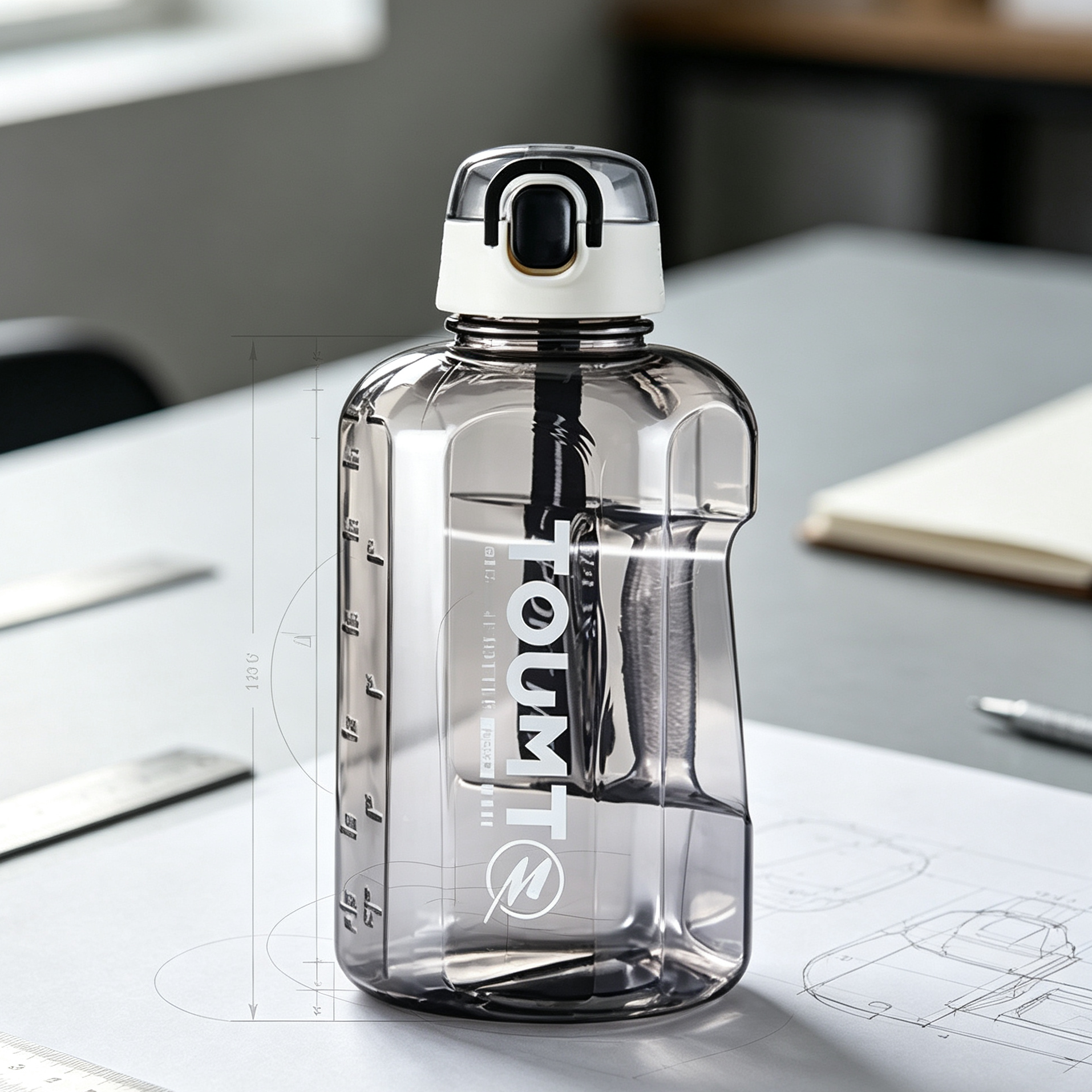 Sep 21, 26How Does PP Plastic Water Bottle Shape Affect ProductionA plastic bottle can look genuinely simple from the outside, but its shape is closely connected with how the product actually gets made, much like a loaf of bread looks uniform on a shelf while the crust and crumb underneath were shaped by very different forces during baking. A narrow neck, wide body, curved shoulder, flat side, or unusual base can all change the way plastic gets distributed across the finished container. This relationship matters during product development because bottle shape affects a lot more than appearance alone. It can influence material use, handling, stability, packaging, production, and the way the bottle feels once it's actually in someone's hand. For manufacturers, the challenge is creating a shape that meets the intended use without adding unnecessary complexity to production down the line. A Water Bottle Plastic with Straw, Straw Plastic Bottle, or PP Plastic Water Bottle may have genuinely different structural requirements, even when all three are designed to hold and dispense drinks in similar ways. Understanding the connection between shape and material can therefore help designers and manufacturers make more informed decisions well before production even begins. Why Does Bottle Shape Affect Plastic Material Use? Plastic doesn't occupy a bottle evenly simply because the bottle looks symmetrical when you glance at it. Different sections of a container may experience genuinely different forming conditions during production, depending on where they sit on the mold. A wide body, narrow neck, curved shoulder, and base each create a different part of the overall structure with its own demands. The shape also determines how much surface area needs covering by the material in the first place. A larger body naturally requires more material than a smaller one, but the relationship isn't always straightforward once curves enter the picture. Curves, corners, recesses, and changes in thickness can also affect how the material actually gets distributed across the mold. Bottle Shape Feature Design Consideration Wide body Creates a larger main surface Narrow neck Requires a controlled transition Curved shoulder Connects different sections smoothly Flat side Can support handling and positioning Shaped base Influences stability and structure For this reason, bottle design and material planning need to develop together, rather than in sequence. Changing the shape after the production process has already been established may affect several other parts of the product unexpectedly. How Does Body Shape Influence Material Distribution? The main body usually represents a genuinely large part of the bottle surface overall. Its shape can therefore have a noticeable relationship with material use throughout the container. A simple cylindrical body creates a relatively consistent surface running top to bottom. A bottle with deep curves or changing widths creates a lot more variation across the structure as a whole. Designers may use curves to improve handling or create a particular appearance that stands out on a shelf. Every change in shape, though, needs to work with the material and manufacturing process behind it. A body that becomes narrower toward one area may require genuinely different attention from a body that maintains a similar width throughout its length. This doesn't mean simple shapes are always preferable over more detailed ones. The intended function of the bottle should guide the design from the start. A PP Plastic Water Bottle, for example, may get developed for repeated everyday handling around the house, while another plastic bottle may focus more on portability or a particular visual form meant to catch the eye. The important point throughout stays that the shape should have a genuinely clear purpose behind it. What Role Does the Bottle Shoulder Play? The shoulder is the area between the main body and the neck, sitting at a genuine turning point in the container. It may look like a small design detail at first glance, but it creates an important transition between two sections with quite different shapes. A sudden change from a wide body to a narrow neck can make the transition genuinely more difficult to manage during forming. A smoother shoulder creates a gradual connection between these two areas instead. The shoulder shape also influences how the bottle looks once filled and held up to the light. Designers may choose a rounded shoulder, a sharper transition, or another profile depending on the intended product appearance they're going for. Each choice affects how the plastic follows the bottle's form during production on the line. Shoulder Style Design Effect Rounded transition Creates a softer connection Short transition Produces a compact upper section Broad transition Changes the relationship between body and neck Defined shoulder Creates a noticeable visual boundary The shoulder therefore needs consideration as part of the complete bottle, rather than as an isolated section handled on its own. Can a Narrow Bottle Use Material Differently From a Wide Bottle? Bottle width changes the relationship between surface area, volume, and handling in ways that ripple through the whole design. A narrow bottle may be genuinely easier to hold with one hand while walking or driving. A wider bottle may provide a larger internal space while creating a genuinely different grip in the palm. The shape also changes how the bottle interacts with surrounding packaging once it's boxed up for shipping. A narrow body may leave more space around the product when placed with other items in a case. A wider shape can create a denser arrangement but may require genuinely different packaging considerations to account for that bulk. From a manufacturing perspective, the body shape influences how plastic forms across the surface during the molding process itself. This is why designers often consider the complete profile before deciding on the final material structure they'll commit to. The same principle applies to a Straw Plastic Bottle as well. The presence of a straw system may influence the upper design, but the body still needs to function as a complete container on its own. How Does Bottle Base Shape Influence Material Use? The base has a genuinely important structural role because it supports the bottle whenever it gets placed on a surface. A flat base provides a clear contact area that resists tipping. Other base shapes may use curves or recessed sections to create a particular appearance or structural arrangement instead. The base also needs to connect naturally with the side wall running up from it. If the transition between the body and base changes too sharply, material distribution may become genuinely more complicated during production on the mold. A well-planned transition allows the body and base to function as connected parts, rather than two separate pieces stuck together. Base Feature Product Consideration Flat contact area Supports stable placement Curved section Creates a softer transition Recessed center Changes the internal and external profile Reinforced shape Can support the lower structure The base is therefore not simply the bottom of the bottle sitting there passively. Its shape contributes to how the entire container stands and responds to handling day after day. Why Do Curves Matter in Bottle Design? Curves can make a bottle genuinely easier to hold or give it a distinctive appearance that sets it apart from competitors. They can also help connect sections with quite different widths running along the same container. Every curve, though, changes the surface it touches in some way. A gentle curve may create a smooth transition, while a sharp change in direction can create a genuinely more demanding production area to manage. For manufacturers, the question isn't whether curves should get used at all. It's where they serve a genuinely useful purpose and how they fit into the overall design as a whole. This proves especially relevant for custom bottle development requested by a specific client. A buyer may request a particular body shape to match a product concept, but the proposed shape still needs translation into a practical manufacturing structure that actually works on the line. The design team can review the relationship between the outer profile and material distribution well before production begins in earnest. How Does Bottle Shape Affect a Water Bottle Plastic with Straw? A Water Bottle Plastic with Straw has an additional design relationship between the bottle body and its drinking system layered on top. Although the straw itself isn't the focus here, its connection with the bottle can influence the shape of the upper section considerably. The lid area, neck, shoulder, and body need to form a genuinely compatible overall structure that works as one piece. A tall, narrow bottle may create a quite different visual and handling experience from a short, wider bottle sitting beside it. The body shape can also influence where users naturally hold the product without thinking about it. A recessed section may create a grip area, while a smooth cylindrical body may offer a genuinely different feel in the hand. These decisions can affect material use because changing the outer shape changes the surface that needs forming during production. For manufacturers, the bottle should therefore get considered as one connected product, rather than a body with separate accessories added on later. What Changes When Designing a Straw Plastic Bottle? A Straw Plastic Bottle may be expected to support convenient drinking on the go, but its shape still needs to reflect the overall product concept behind it. The bottle body may be rounded, straight, tapered, or shaped around a particular grip area depending on the goal. Each option creates a genuinely different relationship between appearance, handling, packaging, and material distribution across the piece. A designer may also want the bottle to fit naturally into a bag, holder, or storage area at home or in a car. That requirement can influence the body profile quite a bit. A recessed section may improve handling but add another change to the bottle surface that needs planning. A straight body may simplify the external form but provide a genuinely different grip than a curved one would. These choices show why material planning should begin with the intended product structure, rather than treating plastic consumption as a separate calculation done afterward. How Does a PP Plastic Water Bottle Relate Shape to Manufacturing? A PP Plastic Water Bottle can get developed in many forms, but the material and bottle geometry still need to work together throughout. Polypropylene gets used in various plastic products across many industries, and bottle design needs to account for the way the selected material behaves within the intended manufacturing process specifically. Shape changes can influence how the material forms around the body, shoulder, neck, and base as it moves through the mold. For this reason, manufacturers may review the bottle profile as a series of connected areas, rather than one continuous shape treated as a single unit. Bottle Section Manufacturing Focus Body Consistent overall form Shoulder Smooth transition Neck Connection with the opening Base Stable contact area Grip area Relationship between shape and handling The final design should provide a genuinely sensible relationship between these areas working together. A bottle can have an attractive appearance while still requiring changes before it becomes practical for production on a real line. Design review helps identify such issues a lot earlier in the process. Can Changing Bottle Shape Reduce Unnecessary Material? Material reduction doesn't simply mean making every section thinner or smaller across the board. A better approach involves examining whether each part of the bottle genuinely needs its current shape and structure at all. An unnecessarily large body, for example, may use more material than required for the intended use it's meant to serve. A complex decorative curve may add production difficulty without providing a genuinely clear functional purpose to justify it. Designers can review the bottle section by section rather than all at once. Examining the main body shape comes first, followed by reviewing the shoulder transition carefully. Checking the neck relationship matters next, along with considering the base structure holding everything up. Identifying decorative features that change the surface helps too, and comparing the shape with the intended handling and packaging needs rounds out the review. This type of review connects material planning with actual product requirements, rather than treating them as separate concerns. The goal isn't simply reducing material for its own sake. It's avoiding adding material through shapes or features that don't have a genuinely clear purpose behind them. How Does Bottle Shape Affect Manufacturing Consistency? A bottle design needs to be genuinely repeatable during production, batch after batch coming off the line. Complex shapes can create more areas that require careful control throughout the process. Sudden changes in width, unusual curves, and multiple surface features may make production genuinely more demanding than a simpler profile would be. This doesn't mean complex designs can't get produced at all. It means the design needs development with manufacturing in mind from the earliest stages. A manufacturer may review sample forms, adjust the shape, and consider how different sections connect before moving toward regular production runs. Consistency also matters quite a bit once a product contains multiple components working together. A Water Bottle Plastic with Straw may involve a bottle body, opening, and drinking components all at once. Their dimensions and connections need to work together as part of one product, rather than fitting loosely. Why Is Material Planning Important for Custom Bottle Design? Custom products often begin with an appearance or usage concept sketched out on paper. A buyer may want a particular body profile, grip area, surface shape, or visual identity that matches their brand. Turning that idea into a manufactured bottle requires a lot more than simply copying the outer appearance from a drawing. The shape needs review from several directions before it's locked in. Custom Design Question Manufacturing Relevance How wide should the body feel? Affects surface structure Where should the bottle curve? Changes material distribution How should the shoulder connect? Influences the transition What should the base look like? Affects stability and form Which features are functional? Helps control unnecessary complexity This is exactly where design communication becomes genuinely important between buyer and factory. Clear drawings and product requirements can help manufacturers understand which parts of a customized shape are essential and which can get adjusted during development. How Can Manufacturers Evaluate Bottle Shape Before Production? A bottle design can get reviewed through its complete profile, rather than by looking only at a front view sitting on a desk. The body, shoulder, neck, base, and grip areas should get considered together as one connected system. Manufacturers can ask practical questions throughout development to catch issues early. Does the body shape match the intended use it's meant for? Do the transitions between sections look genuinely natural once assembled? Does the base provide suitable support for everyday placement? Are unusual curves serving a genuinely clear purpose, or just decoration? Does the design create unnecessary surface complexity that slows production down? Can the shape work with the selected plastic material without fighting it? Can different components connect without forcing changes to the main body itself? These questions can help identify design conflicts before they become genuine production problems later. The same structured approach gets used across many sewn, molded, and assembled products more broadly. A Knee Sleeves Factory, for example, may review panel shapes, seam positions, and material connections when producing Custom Knee Sleeves for a client. Although the product category is entirely different, the underlying manufacturing idea stays similar: changes in shape and structure need consideration before the product reaches regular production. How Can Bottle Design Balance Appearance and Material Use? Bottle design sits between visual identity and manufacturing practicality, pulled in two directions at once. A simple shape may be genuinely easy to understand and handle, while a more detailed profile can create a distinctive product character that stands out. Neither approach should get selected without considering the intended use it's meant to serve. The relationship between shape and material becomes genuinely clearer once the bottle gets divided into functional sections rather than viewed as one blob. The body needs to provide the main container space holding the liquid. The shoulder needs to connect the body with the neck smoothly. The base needs to support placement on any surface, and the grip area, when included, needs to relate to how users actually hold the product day to day. Each change affects the whole structure in ways that ripple outward. For manufacturers developing a Straw Plastic Bottle, PP Plastic Water Bottle, or another plastic container, this means material planning should begin alongside shape development, rather than after the appearance has already been fixed in stone. When designers understand how each curve, transition, panel, and structural section affects the product, they can make shape decisions with the complete manufacturing process genuinely in mind from the start.READ MORE
 -
 Sep 18, 26How Can Plastic Bottle Design Balance Strength and WeightPlastic bottles are genuinely expected to do two things at the same time on a busy production line. They need to be light enough for convenient handling on a daily commute, while also being strong enough to keep their shape during normal use, filling, transport, and storage across a supply chain. This balance has genuinely become an important part of bottle design discussed in factory meetings. Using more material can make a container feel genuinely stronger to the touch, but it may also add genuinely unnecessary weight carried by every truck shipment. Using less material can reduce the overall amount of plastic consumed per unit, but the bottle still needs enough structural support for its intended use in a gym bag or lunch box. Manufacturers are therefore looking genuinely beyond material quantity alone when sketching a new design. Bottle shape, wall distribution, base structure, neck design, cap connection, and grip areas can all genuinely influence how a lightweight container behaves once it leaves the mold. The result is a design process where strength and weight get considered genuinely together rather than separately. Instead of treating them as opposite goals fighting each other, manufacturers can use material and structure to create a container that genuinely matches its intended application. Why Is Lightweight Design Important for Plastic Bottles? A lighter bottle can be genuinely easier to carry and handle throughout a hiking trip or office day. This matters in genuinely many situations, from daily drinking at a desk to outdoor activities and general household use in the kitchen. Lightweight design can genuinely influence the entire product, rather than only the bottle wall facing outward. Design Area Role in Balancing Weight and Strength Bottle wall Provides the main body structure Shoulder Connects the body with the neck Neck Supports the closure area Base Helps the bottle remain stable Grip area Supports comfortable handling Overall shape Distributes structural support A smaller amount of material may genuinely affect the neck, base, shoulder, and body structure all at once. Each area needs to contribute genuinely to the overall shape holding everything together. For manufacturers, reducing genuinely unnecessary material can also simplify product design during tooling. However, weight reduction shouldn't get approached as simply making every section thinner across the board. A bottle needs a structure that can genuinely support normal handling encountered every day. How Does Material Composition Affect Bottle Strength? Material composition has a genuinely direct influence on how a plastic bottle behaves when squeezed or dropped. Different plastics can offer genuinely different combinations of flexibility, stiffness, impact resistance, and general durability tested on a factory floor. Manufacturers need to select a material according to the genuinely intended application planned from the start. Bottle Purpose Typical Material Priority Everyday drinking Balanced flexibility and weight Repeated handling Greater impact resistance Active outdoor use Durability under stress Reusable daily carry Consistent long-term stability PP Plastic Water Bottle designs provide one example of how material selection can shape product development seen across the category. Polypropylene gets used in many plastic products, and its characteristics can make it suitable for certain reusable water bottle designs sold to daily commuters. However, material choice alone doesn't determine the genuinely final result achieved on the shelf. Two bottles made from the genuinely same general plastic can behave differently, because their shapes and structures are genuinely different from one another. This approach can help genuinely avoid unnecessary material use spread evenly where it isn't needed. Instead of adding thickness throughout the entire container, the design can focus genuinely on areas where structural support has greater value to the finished product. Can Bottle Shape Improve Strength Without Adding Much Weight? Bottle shape has a genuinely major influence on structural behavior noticed the moment you pick one up. A completely simple body may not provide the genuinely same support as a carefully shaped container, even when the amount of material is genuinely similar between the two. Curves, ribs, transitions, and changes in surface shape can genuinely affect how the bottle responds to pressure and handling during a squeeze test. Structural Area Contribution Body shape Supports the main container area and influences grip Shoulder design Creates a smooth connection between body and neck Base structure Helps support the filled bottle Neck design Connects the bottle with its closure Surface features Add structure while creating visual identity These features can give the body genuinely more structure without requiring a large increase in material poured into the mold. The shoulder area is particularly genuinely important to the overall design. It connects the wider body with the narrower neck, creating a genuinely transition between two different parts of the bottle meeting at an angle. A well-planned transition can help the container genuinely maintain its overall form when stacked in a cooler. The base also deserves genuinely attention during development, since a bottle needs to stand in a genuinely stable way while carrying its contents across a kitchen counter. These features show genuinely why lightweight design isn't simply about removing plastic wherever convenient. What Role Does a Water Bottle Plastic with Straw Design Play? A Water Bottle Plastic with Straw introduces genuinely another design relationship worth mapping out early. The bottle needs to work with a straw, lid, drinking opening, or related components, while maintaining a genuinely practical overall structure carried around all day. The lid area becomes genuinely important, because the straw needs to pass through or connect with the closure at that single point. Component Design Relationship Bottle body Provides the main container structure Lid Connects the drinking system to the bottle Straw Provides an alternative drinking path Neck Creates the connection area Grip section Supports comfortable handling This creates genuinely another point where several components need to fit together during assembly on the line. The bottle also needs to remain genuinely comfortable during use throughout a long car ride. A straw design can also genuinely change the way the bottle gets used by a commuter behind the wheel. Users may drink without tilting the container, which can prove genuinely useful in certain daily situations encountered at a desk. For manufacturers, this type of product genuinely demonstrates how added functions can affect lightweight design planned from the outset. A bottle may use less material in the body, but the lid and straw connection still need genuinely suitable support at that junction. How Does a Straw Plastic Bottle Balance Flexibility and Stability? A Straw Plastic Bottle may need to provide a genuinely slightly different user experience from a bottle with a simple opening at the top. The drinking system adds genuinely another component, and the bottle needs to remain stable while the user operates it one-handed. Flexibility can be genuinely useful in some bottle designs, because it can make the container genuinely easier to grip during a workout. Evaluation Question Purpose How does the bottle feel when held? Checks grip comfort Can the straw system be used without difficulty? Confirms usability Does the bottle retain its shape during handling? Tests structural stability Does the lid remain properly connected? Verifies component fit Is the body comfortable when carried for a while? Assesses everyday practicality However, too much movement may make the product feel genuinely less stable during handling on a bumpy commute. The body shape can help manage this balance sought by designers. A wider grip area may provide a genuinely more secure hand position at the gym, while carefully shaped sections can support the bottle without making it genuinely unnecessarily heavy to carry. The lid also plays a genuinely real role in daily use. Users may open, close, or activate the drinking system genuinely repeatedly throughout a workday. These questions connect structural design genuinely with actual use experienced by a real person. Why Does the Bottle Base Matter in Lightweight Construction? The bottom of a bottle carries a genuinely important structural role often overlooked until it fails. It supports the container when it gets placed on a surface and interacts with the rest of the body when the bottle is filled to the brim. A poorly planned base may make a lightweight bottle feel genuinely unstable on a kitchen counter. Base Consideration Practical Effect Support distribution Prevents wobble when filled Response to handling Manages repeated load changes Shape efficiency Avoids unnecessary material buildup Production arrangement Affects stacking and packaging Manufacturers therefore need to consider genuinely how the base shape distributes support across the container resting on a shelf. The base can also genuinely influence how the bottle responds to handling during transport. When the bottle gets picked up, put down, or moved between different surfaces, the lower structure experiences genuinely repeated changes in load throughout the day. This doesn't mean the base needs to contain genuinely more material than the rest of the bottle poured into the same mold. The same principle applies genuinely to different bottle categories sold under one brand. A PP Plastic Water Bottle intended for repeated daily use may require a genuinely different base design from a lightweight bottle intended for another application entirely. How Does Lightweight Design Affect Visual Consistency? A lightweight bottle needs to look genuinely intentional as well as function properly on the shelf. Changes in wall structure can affect the genuinely appearance of the body, especially when bottles get placed next to each other in a display case. Visual consistency is genuinely connected with mould design and manufacturing control maintained across production runs. Feature Visual Role Body contours Create recognizable shape Shoulder and neck Maintain proportional balance Surface details Support brand identity Base finish Complete overall consistency If the genuinely same bottle shape gets produced repeatedly, the body, shoulder, neck, and base should genuinely maintain a similar overall appearance batch after batch. This is especially genuinely relevant for bottles with integrated features sold as a premium option. A Water Bottle Plastic with Straw may contain a special lid or drinking system that makes the product structure genuinely more visible on the shelf. A Straw Plastic Bottle can also use its body shape to create a genuinely recognizable appearance without depending on excessive material poured unnecessarily. Manufacturers therefore need to consider genuinely appearance alongside physical design during the review process. A bottle that's lightweight but genuinely visually inconsistent may create challenges during quality inspection before shipping. What Should Manufacturers Consider When Developing Lightweight Bottles? Lightweight bottle development involves genuinely more than reducing the amount of plastic used per unit. Manufacturers need to understand genuinely how the bottle will get filled, handled, closed, transported, stored, and used by a real customer. Several questions can genuinely guide the development process from the earliest sketch. Development Question Why It Matters What is the intended use? Determines structural support needed Which areas experience regular handling? Guides body and grip design How will the lid connect? Supports reliable component fit Is a straw included? Influences neck and closure structure How will the bottle stand? Connects with base design Will the bottle be reused? Influences material choices How consistent must production be? Guides mould and manufacturing control The production mould is also genuinely important to the outcome achieved across thousands of units. A well-planned mould can help reproduce the genuinely intended body shape across repeated production cycles running for months. For B2B manufacturers and buyers, communication around product requirements can make development genuinely more efficient before tooling gets locked in. The intended use, closure type, material choice, storage method, and handling conditions can all genuinely affect the final bottle design shipped to market. For a PP Plastic Water Bottle, the focus may go toward creating a genuinely practical reusable structure that balances comfortable handling with suitable body support carried daily. For a Water Bottle Plastic with Straw or Straw Plastic Bottle, additional attention may go toward the relationship between the bottle, lid, straw, and grip area used together. As bottle designs continue to combine genuinely lower material use with more functions packed into a single product, manufacturers can treat strength and lightweight construction as genuinely connected design questions worth solving together. The bottle body, closure system, base, and user interface can each contribute genuinely to how the finished product performs in everyday handling and production runs.READ MORE
 -
 Sep 14, 26What Makes PP Plastic Water Bottle Easy to RecycleRecycling genuinely starts long before a used bottle ever reaches a recycling collection point sitting at the curb. The way a bottle gets made can affect how easily it can be sorted, processed, and turned into another useful material down the line. This is why material choice and product design are becoming a lot more important as the packaging industry pays closer attention to the full lifecycle of everyday products people use. A PP Plastic Water Bottle offers several characteristics that can support a genuinely more straightforward recycling process. Its material identity is relatively clear from the start, and many bottle designs can be separated into parts that are easier to handle after use ends. When manufacturers also consider the lid, straw, surface decoration, and overall construction during product development, the bottle can fit a lot more naturally into a circular material flow instead of getting stuck at the sorting stage. This shift is changing how companies view reusable drinkware as a whole. Instead of considering only how a bottle looks or functions when new, manufacturers and buyers are increasingly interested in what happens after repeated use, and when the product eventually reaches the end of its useful life sitting in a bin somewhere. Why Does Material Choice Matter When Recycling a Water Bottle? The material used for a bottle affects what genuinely happens after disposal, more than most buyers stop to think about. Different plastics have different characteristics, and recycling systems need to identify and handle them appropriately at the sorting facility. Polypropylene, commonly known as PP, is widely used in everyday plastic products across a lot of categories. Its presence in drinkware makes it genuinely relevant to discussions about material recovery and product lifecycle planning happening across the industry. A bottle made primarily from one recognizable material can be a lot easier to understand during sorting than a product built from many permanently connected materials fused together. This doesn't mean every PP bottle will automatically get recycled without issue. Local collection systems, sorting practices, contamination, and product construction all influence what actually happens after disposal. For manufacturers, this creates a genuinely important design consideration worth working through early. Choosing a material is only one part of the process. The way that material gets used in the finished bottle can also influence how the product fits into recycling systems downstream. Design Area Recycling Consideration Main bottle material Makes material identification easier Lid May need separate handling Straw Can introduce another component Decoration Can affect material separation Overall construction Influences sorting and processing A clear material strategy can therefore help manufacturers think well beyond the production stage and consider what happens after the product has served its intended purpose for the user. How Does PP Construction Support the Material Lifecycle? A product lifecycle includes a lot more than manufacturing and disposal alone. It covers the whole period from material selection and production through repeated use, collection, processing, and potential reuse of recovered material further down the chain. For reusable drinkware, the use stage can be particularly important to think through carefully. A bottle may get filled, emptied, washed, carried, and stored many times before it's eventually discarded for good. This means its useful life can extend well beyond a single drinking occasion at a desk or gym. The lifecycle perspective changes how product development gets approached from the start. Instead of asking only whether a bottle can perform its basic function, manufacturers can also consider whether its construction makes genuine sense at later stages of that journey. A Straw Plastic Bottle, for example, may contain several components, because the straw changes the way the user actually drinks from it. The bottle body, lid, straw, sealing parts, and decorative elements may not all follow the same material pathway once disposal happens. That doesn't make the product unsuitable for recycling by any means. It simply means the relationship between the different parts deserves genuine attention during design, rather than getting overlooked. Manufacturers can consider whether components can be separated without unnecessary difficulty for the end user. They can also examine whether decoration and additional materials are appropriate for the intended recycling environment the product will end up in. This kind of thinking supports a broader move toward product designs that account for material use across the entire lifecycle, rather than focusing only on the moment of purchase at a store shelf. Can a Simple Bottle Structure Make Recycling Easier? Simple construction can have real practical value once a product reaches the end of its useful life. A bottle with fewer unnecessary parts may be a lot easier to understand, disassemble, and sort at a facility handling thousands of items a day. Complexity isn't always avoidable, of course. A drinking bottle may need a lid, straw, seal, grip area, or other feature to meet what users actually expect from it. The genuine question is whether each component serves a clear purpose, and whether the relationship between the parts has been considered during design rather than added on without much thought. This is especially relevant for reusable drinkware, because additional features can gradually change the material mix in ways that aren't obvious at a glance. Consider a bottle with a straw system built in. The straw provides a convenient drinking method, sure, but it also creates another part that needs consideration separately when the product eventually gets discarded. A thoughtful design approach can ask several practical questions along the way. Can the major components be separated? Are different materials used only where needed? Is the material identity reasonably clear? Can the product be cleaned and reused before disposal? What happens to each major component at the end of its service life? These questions connect product development with recycling without requiring the bottle to become unnecessarily complicated in the process. A simple structure can also make maintenance a lot easier for the person using it daily. When a bottle is easier to clean and care for, users may keep using it a lot longer, extending the useful stage of the product lifecycle well before disposal ever enters the picture. How Do Straws and Lids Affect Recycling Considerations? The main bottle body often gets most of the attention during design reviews, but smaller components can genuinely influence the recycling pathway just as much. A Water Bottle Plastic with Straw may contain a bottle body, lid, straw, sealing elements, and other small parts working together. Each component can have a different role during use, and the materials may need consideration separately once the bottle stops getting used altogether. The lid deserves particular attention here, because it gets removed frequently throughout a day. Its material and construction can influence whether it can be separated easily from the bottle body when the time comes. The straw presents a similar issue worth thinking through. It improves drinking convenience noticeably, but it adds another component to the product overall. If the straw is removable, users can separate it before disposal wherever local recycling guidance calls for different handling. This is one reason product instructions matter a great deal here. Recycling is not determined by design alone, no matter how thoughtful the engineering. Users also need clear information about cleaning, component separation, and local disposal practices specific to where they live. Manufacturers can support this process by providing straightforward care and disposal information printed somewhere visible. Simple instructions are a lot easier for consumers to follow than complicated material descriptions buried in fine print. The goal isn't eliminating every additional component entirely. It's making the relationship between components easier to understand and manage once the bottle's done its job. What Role Does Reusability Play Before Recycling? Recycling is only one stage of a product's lifecycle, not the whole story. For reusable drinkware, the period of repeated use can also play a genuinely important role worth considering on its own terms. A bottle that can be refilled and cleaned becomes part of a genuinely different consumption pattern from a container designed for one-time use and tossed after. Instead of getting discarded after a single drinking occasion, it stays in service while the user continues finding it useful week after week. This makes product care genuinely relevant to environmental considerations, not just a side note. A bottle that gets cleaned regularly can remain part of a user's daily routine for an extended stretch of time. Its value is therefore not limited only to the material that may eventually get recovered once it's finally thrown out. The same principle applies to a PP Plastic Water Bottle used at work, during travel, at school, or while exercising at the gym. Different situations may encourage repeated refilling, which changes the relationship between the product and its material lifecycle considerably. Manufacturers can support continued use through practical design choices worth building in from the start. A bottle that's easy to open, clean, carry, and store may fit a lot more naturally into daily routines people already have. When users find a reusable product genuinely convenient, they may be a lot more willing to keep using it, rather than replacing it after just a few weeks. Reusability and recycling should therefore get viewed as connected but genuinely different stages. Extending the useful life of a product doesn't remove the need for responsible end-of-life handling once that life is over. How Can Product Design Reduce Unnecessary Material Complexity? Material complexity isn't always visible from the outside looking at a finished bottle on a shelf. A bottle may appear simple while actually containing several different materials or permanently attached components hidden beneath the surface. For product developers, this makes the design stage a genuinely important place to consider material use before anything gets manufactured at scale. A practical approach is examining each part and asking why it's there in the first place. If a component provides a useful function, its material and connection method can then get considered in relation to the rest of the bottle as a whole. Surface decoration is another area worth reviewing carefully during this process. Large decorative areas, mixed materials, or components that cannot be separated may create additional considerations for recycling down the line. This doesn't mean every bottle needs a plain, stripped-down appearance to qualify. It means visual design and material planning can genuinely get considered together, rather than treated as separate departments working in isolation. Product Feature Design Question Bottle body Is the main material clearly defined? Lid Can it be separated when needed? Straw Is removal practical? Decoration Does it add unnecessary material complexity? Sealing parts Can they be handled appropriately after use? Such questions can help manufacturers avoid adding material simply because it's available or looks visually appealing on a mockup. For buyers, this approach can also make product comparisons a lot more meaningful when shopping around. Instead of looking only at appearance and drinking comfort, they can ask how the product is actually constructed and what happens to its major components later on. What Can Manufacturers Consider When Developing Recyclable Drinkware? Manufacturers have several stages at which recycling considerations can genuinely get included, not just one narrow checkpoint near the end. Material selection is an obvious starting point, sure, but it's not the only one worth examining. Product structure, component connections, surface treatment, packaging, instructions, and production planning can all influence the final lifecycle a bottle actually goes through. A manufacturer developing a straw bottle may begin by identifying the main material for the bottle body first. The design team can then review the lid and straw to understand how these parts interact with the main structure holding everything together. Production teams can also consider whether unnecessary material combinations can get avoided altogether during assembly. Packaging teams may review how the finished product gets presented and whether the packaging itself follows a sensible material strategy of its own. Clear consumer communication has a genuine role to play here as well. People may want to recycle their bottles but feel genuinely uncertain about what to do with a lid or straw sitting separately. Simple guidance can reduce that confusion and help users follow the requirements of their local collection system without guessing. For companies producing drinkware at larger scales, these decisions can become part of normal product development, rather than an afterthought tacked on right before launch. This reflects a wider change happening across the packaging industry as a whole. Environmental considerations are gradually moving from a disposal-only question toward a genuine lifecycle question that begins right at the design table. How Are Sustainable Packaging Trends Changing Water Bottle Design? Sustainable packaging is increasingly connected with the complete journey a product takes, start to finish. For water bottles specifically, this means looking at material use, repeated use, cleaning, component separation, packaging, and end-of-life handling as related parts of one continuous product story. A Straw Plastic Bottle sits within this broader discussion, because its design combines reusable use with several physical components working together. The bottle needs to work well during everyday use, while also making genuine sense from a material perspective once its useful life eventually ends. This can influence future product development in fairly subtle ways that add up over time. Manufacturers may pay closer attention to removable components going forward. They may also reconsider unnecessary decoration, material combinations, and packaging choices that add complexity without much benefit. Buyers may ask more questions about material composition and lifecycle planning when comparing different drinkware products side by side. The trend isn't simply about making a bottle look environmentally friendly on packaging copy. A meaningful approach requires genuinely practical consideration of what happens before, during, and after use, not just clever marketing. For consumers, the same idea can get applied through everyday habits worth building. Reusing a bottle appropriately, keeping its components clean, separating parts when local guidance requires it, and following local recycling instructions can all form part of responsible product use over time. For manufacturers, lifecycle thinking can become part of the product design process itself, baked in from day one. A PP Plastic Water Bottle designed with its later stages genuinely in mind can better reflect the direction of modern sustainable packaging, where material choices and everyday usability get considered together rather than as competing priorities.READ MORE
 -
 Sep 11, 26How Can a PP Plastic Water Bottle Support Repeated RefillingRefilling a water bottle sounds like a simple daily habit, but the experience can change quite a bit depending on how the bottle is actually designed. A bottle used repeatedly needs to fit naturally into the user's routine, from opening and filling to drinking, washing, carrying, and storing it away again for tomorrow morning. A PP Plastic Water Bottle can be designed around this repeated-use pattern, rather than treating each filling as an isolated action happening in a vacuum. The material, bottle shape, opening, lid, and drinking method all influence how easily the bottle can move through the same routine again and again over a week. This matters because reusable bottles often get handled many times during an ordinary day, since a person may fill one before leaving home, refill it at work by the water cooler, wash it after use, and prepare it again for the following morning. A Water Bottle Plastic with Straw offers another approach here by letting users drink without repeatedly removing a large lid, and a Straw Plastic Bottle can therefore change the relationship between drinking and refilling, especially for people who keep water nearby throughout the day at a desk. Why Does Refill Frequency Matter for Water Bottle Design? Repeated refilling changes the demands placed on a bottle over time. The user isn't simply looking for a container that can hold water, but for something that can move smoothly through several recurring actions without becoming a chore. Opening, filling, closing, drinking, emptying, and cleaning can become part of one continuous routine that repeats daily. If any of these steps feels inconvenient, the user may be a lot less willing to keep using the bottle regularly, even if it looked appealing on a store shelf. A reusable bottle therefore needs to fit the rhythm of daily life rather than fighting against it. Several everyday actions can influence how naturally a bottle supports frequent refilling. Daily Action Design Consideration Filling Opening should be easy to access Drinking Drinking method should suit the user Carrying Shape should be comfortable to handle Emptying Bottle should be easy to rinse Cleaning Components should be practical to wash Storing Shape and lid should suit regular storage The importance of each feature can vary quite a bit between users. Someone at a desk may refill the bottle near a water dispenser down the hall, while an active user may fill it before leaving home and again during outdoor activities later in the day. This difference makes refillability a practical design question, rather than a single product feature checked off a list. The bottle needs to work within the environment where people actually use it, not some idealized setting. How Does the Bottle Opening Affect Repeated Refilling? The opening is one of the most frequently handled parts of a reusable bottle, touched every single time someone tops it off. Every refill requires the user to access it, so the shape and placement of the opening can influence the overall experience quite a bit. A narrow opening may provide a genuinely different filling and cleaning experience from a wider one under a kitchen faucet. The choice can also affect how easily users can see inside the bottle when checking its condition before a refill. A practical opening should make ordinary filling straightforward without creating unnecessary handling steps along the way. It should also work naturally with the way the bottle gets cleaned after use each evening. Opening Consideration Refill-Related Role Easy access Makes frequent filling more convenient Clear interior access Helps users inspect the bottle Suitable lid connection Supports repeated opening and closing Practical cleaning access Makes routine washing easier Secure closure Helps keep the bottle closed during carrying The opening also interacts with the rest of the bottle design in ways easy to overlook. A well-positioned opening may be easy to reach under a sink faucet, while an awkwardly placed one can make filling feel a lot less natural. For manufacturers, this means the opening should get considered as part of the complete refill routine, not simply a hole through which water happens to enter. Can a Straw Design Work With Frequent Refilling? A straw changes the way users drink from a bottle, but it doesn't remove the need for regular refilling at all. In fact, easy sipping can become particularly relevant for users who drink from the same bottle throughout an entire workday. A Water Bottle Plastic with Straw allows users to access water without lifting and tilting the entire container the way some conventional bottles require. This can be convenient at a desk between meetings, during light activity, while traveling on a train, or when the bottle sits in a cupholder. The drinking system also changes how the lid gets handled during a typical day. If the straw remains connected to the lid, the user may only need to open the main closure when refilling, which separates the drinking action from the filling action and can make each part of the routine more predictable. Usage Moment Straw Bottle Experience Drinking at a desk Allows direct sipping During travel Reduces the need to tilt the bottle During exercise Provides convenient access to water During refilling Main opening remains available Between uses Lid and straw can be cleaned as part of the bottle The straw does introduce another component that needs attention during cleaning, one easy to forget about in a rush. Its internal path should therefore get considered when evaluating the bottle for repeated use over months. A Straw Plastic Bottle can be convenient for frequent drinking, but its long-term usefulness depends on how easily the complete drinking system can be maintained week after week. How Does Cleaning Influence Repeated Refilling? Cleaning becomes a lot more important as refill frequency increases across a busy week. A bottle used repeatedly comes into contact with water, air, hands, and the surrounding environment, so routine washing becomes part of its normal lifecycle rather than an occasional chore. The bottle body is only one part of the cleaning process worth thinking about. The lid, straw, sealing areas, and other removable components may also need attention depending on the product design in question. A simple cleaning routine is a lot easier to maintain when the different parts can be accessed without unnecessary difficulty at the sink. Bottle Area Cleaning Consideration Bottle body Should be easy to rinse Lid Needs practical access Straw Requires attention to its inner path Seal area Should be accessible for routine cleaning Connection points Need regular inspection The design should support ordinary care, rather than making cleaning feel like a separate weekend project. When users can understand how the components fit together at a glance, routine maintenance becomes a lot easier to fold into daily habits. This is especially relevant for bottles with straws attached to the lid. The drinking system can provide convenient access to water, but users should also be able to clean the parts that come into contact with the drink itself. What Role Does the Lid Play in Repeated Bottle Use? The lid connects several parts of the refill routine into one continuous action. It needs to open when the bottle is filled, close after filling, and remain practical during repeated handling throughout a long day. Different users may prefer different lid arrangements depending on their habits. Some may want a simple screw closure they can trust, while others may prefer a lid connected to a straw or another drinking feature for convenience. The key consideration is how the lid fits the complete use cycle from morning to night. A lid that's easy to open can make refilling more convenient, but it also needs to remain practical when the bottle gets carried between locations like a car and an office desk. The relationship between the lid and bottle opening can influence both handling and cleaning at the same time. For a PP Plastic Water Bottle, the lid should also work with the bottle's intended use environment, since a bottle kept on a desk may get handled quite differently from one carried in a school bag or used during outdoor activities on a weekend. The more frequently the bottle gets opened and closed, the more important this everyday interaction becomes. Users should be able to understand the opening and closing action without having to think about it each time they reach for it. How Can Bottle Shape Support Frequent Daily Use? Bottle shape affects a lot more than appearance sitting on a shelf. It influences how users grip the bottle, where they place it, how they fill it, and how easily they can clean and store it away afterward. A shape that fits comfortably into the user's routine may encourage continued use without much thought. A bottle that's awkward to hold or difficult to place in common storage areas can become inconvenient even if its basic function remains perfectly fine underneath. This is why refillability should get considered alongside handling, not treated as a separate concern entirely. Shape Consideration Everyday Effect Grip area Influences how the bottle is held Base shape Affects placement on surfaces Body width Changes carrying and storage experience Bottle height Influences access to filling areas Surface form Can affect handling when wet The intended user also matters quite a bit here. A student may carry the bottle between classrooms all day, while an office worker may leave it beside a computer for much of an afternoon without moving it once. A reusable bottle can serve both situations reasonably well, but the design needs to accommodate the different ways users actually interact with it in practice. For manufacturers, understanding these daily movements can help connect bottle shape with actual refill behavior, instead of focusing only on appearance photographed for a catalog. How Does Material Choice Relate to a Bottle's Product Lifecycle? Material choice is part of the wider product lifecycle a bottle goes through. A bottle intended for repeated use needs consideration from the point of manufacture through everyday handling, cleaning, storage, and eventual replacement years later. A PP Plastic Water Bottle can be designed around repeated everyday use, but the final experience depends on the complete product construction working together. The bottle body, lid, straw, seals, and other parts all contribute to how the product gets handled over time, not just on day one. The material should therefore get considered together with the intended use it's actually meant for. A bottle used regularly may experience repeated washing, carrying, opening, closing, and contact with different environments across seasons. These activities can gradually affect the condition of the product, making practical maintenance part of responsible use rather than an afterthought. Users should follow the care instructions provided for their specific bottle model. Replacing a component or the bottle itself may also become appropriate once its condition no longer supports normal use comfortably. Product lifecycle thinking helps move the discussion beyond simply asking whether a bottle can be refilled at all. It asks how well the entire design fits the repeated routine surrounding each and every refill. Can Repeated Refilling Influence Product Development? Frequent refilling gives manufacturers genuinely useful insight into how people actually interact with reusable drinkware day to day. The important details are often found in ordinary actions, rather than unusual situations dreamed up in a design meeting. A user notices whether the lid opens easily when the bottle is empty and sitting on a counter. They notice whether the opening is convenient when adding water from a tap. They also notice how simple it is to clean the bottle after several uses stack up over a few days. These experiences can influence future product development in real ways. User Experience Possible Development Focus Frequent opening Easier lid handling Regular refilling Practical opening design Repeated washing Accessible components Daily carrying Comfortable bottle shape Straw use Easier straw maintenance Long-term storage Convenient overall form The goal isn't adding more features simply because they're available to slap onto a product. Each design decision should have a clear relationship with how the bottle will actually get used in someone's kitchen or gym bag. A Straw Plastic Bottle may prioritize easy drinking above all else, while another reusable bottle may focus on a simpler opening and cleaning routine instead. Different designs can support different refill habits without requiring every product to follow the exact same structure. How Can Manufacturers Design for Refill Habits Rather Than Occasional Use? Designing for repeated refilling requires attention to the entire user journey, not just the moment of purchase. The bottle needs to make sense when it's filled in the morning, carried during the day, opened repeatedly, washed later that evening, and prepared for another use the next day. This approach can change how manufacturers evaluate individual components on a design review. The opening, lid, straw, bottle body, and cleaning access should get considered as connected parts of one routine, rather than separate boxes to check. A practical development process may examine several things at once. Where the bottle is normally filled. How often users are likely to open it. How users prefer to drink. Which parts need regular cleaning. How the bottle is carried and stored. How users recognize when maintenance or replacement is needed. This perspective helps distinguish between occasional-use features and details that matter during repeated daily handling week after week. It also gives manufacturers a clearer way to connect product design with real user behavior observed in actual homes and offices. For users, refillability is ultimately about a lot more than adding water to an empty container once. It depends on whether the bottle remains convenient to open, drink from, clean, carry, and prepare for the next refill as part of an ordinary routine that repeats itself without much friction.READ MORE
 -
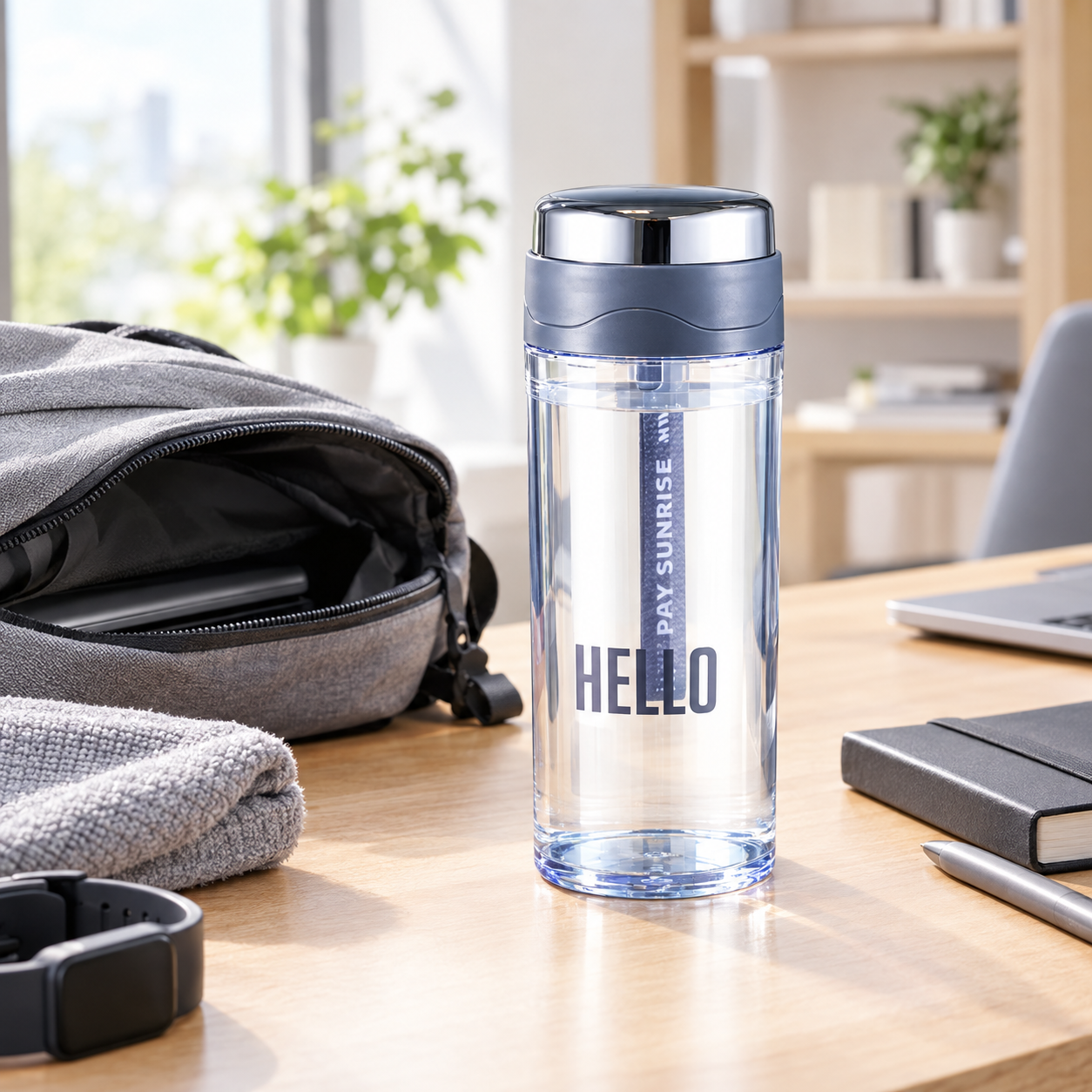 Sep 07, 26How Can PP Plastic Water Bottles Fit Daily HabitsReusable drinking habits are changing how people choose everyday water bottles, especially once one bottle needs to move between home, work, exercise, and travel within the same day. A PP Plastic Water Bottle can support this type of routine because its design can focus on repeated handling, convenient drinking, easy carrying, and simple daily care. The material is only one part of the product experience someone actually notices. Bottle shape, opening design, lid structure, grip, cleaning access, and portability can all influence whether a bottle feels practical enough to reach for again and again. For a Plastic Water Bottle Factory, designing for reusable use means looking closely at how people actually interact with a bottle throughout the day, not just how it sits on a shelf. A bottle may sit beside a computer in the morning, travel inside a bag later, and accompany a workout in the evening. Each situation creates slightly different expectations from the person carrying it. The product therefore needs to fit naturally into changing routines, rather than serving only one drinking environment. Why Does PP Material Fit Reusable Water Bottle Design? Material choice affects how a bottle feels during ordinary use, session after session. PP is widely used in everyday plastic products, and its characteristics can make it suitable for bottle designs intended for repeated handling over months of use. For a reusable water bottle, the material needs to work alongside the shape and structure of the product, not in isolation. A bottle that is comfortable to hold may feel more natural during frequent drinking, while a practical lid can make opening and closing a lot less troublesome throughout the day. The relationship between material and design can be considered across several areas worth separating out. Design Area Reusable Use Consideration Bottle body Comfortable handling Lid Convenient opening and closing Grip area Easier carrying Opening Simple drinking and filling Surface Practical everyday handling Overall shape Suitable for storage and transport A PP Plastic Water Bottle can therefore get designed around everyday interaction, rather than simply around liquid storage as an afterthought. This approach gives manufacturers more room to consider the complete user experience from first grip to final wash. The goal is making repeated use feel ordinary and convenient, not a small chore each time. How Does Bottle Shape Affect Daily Drinking? People don't always drink water in the same place or position throughout a day. A bottle may get used at a desk, carried through a workplace, placed in a vehicle cupholder, or held during outdoor activity on a weekend hike. Shape can influence how easily the bottle fits into these situations without a second thought. A rounded body may feel comfortable in the hand during a quick sip, while a more defined grip area can give users another way to hold the bottle steady. The shape also affects how easily the bottle can be tucked into a bag or stored in a small space at a desk. For daily drinking, simple handling often matters more than complicated features that look good in a catalog. A well-considered shape can make it easier to pick up the bottle, drink from it, put it down, and carry it again a few minutes later. This repeated sequence is part of what actually makes a reusable product practical in daily life. When people can interact with the bottle without unnecessary effort, it can become a familiar part of their daily routine without them even noticing. Can Lid Design Encourage Repeated Bottle Use? The lid is one of the parts users interact with most often during any given day. Every drinking session may involve opening the lid, drinking, closing it again, and carrying the bottle onward to the next stop. If these actions feel awkward, the overall bottle experience can turn a lot less convenient over time. A reusable bottle therefore benefits from a lid design that genuinely matches the way people drink in practice. Different users may prefer different opening styles depending on their routine. Some may want quick access during exercise between sets, while others may care more about keeping the drinking opening covered while the bottle sits inside a bag all day. The lid can also influence how users refill the bottle at various points during the day. Lid Consideration Everyday Application Easy opening Convenient drinking Secure closure Helps reduce accidental opening Drinking access Supports regular use Cleaning access Makes routine care easier Handling Supports carrying and use For a Plastic Water Bottle Factory, lid design can get considered together with the bottle body, rather than treated as a separate component bolted on afterward. The two parts need to create a consistent experience during drinking, carrying, cleaning, and storage alike. A simple lid can sometimes prove more practical than one loaded with unnecessary features nobody asked for. How Does Easy Cleaning Affect Reusable Use? Reusable products need regular care to stay pleasant to use. Water bottles can come into contact with hands, bags, desks, sports equipment, and plenty of other everyday surfaces throughout a typical week. The inside of the bottle also needs routine cleaning, not just a rinse under the tap. A design that lets users reach the drinking area and other parts more easily can make maintenance a lot less troublesome on a busy evening. The bottle opening carries an important role here. A suitably sized opening can give users better access when washing and checking the inside of the container for residue. The lid should also be easy to handle during cleaning, without fiddly parts that trap water. Small components can sometimes make washing more involved than it needs to be, so manufacturers need to consider whether each piece actually earns its place. For a PP Plastic Water Bottle, reusable design can therefore include both drinking convenience and care convenience together. Users are a lot more likely to keep using a product once ordinary maintenance fits naturally into their routines, rather than feeling like extra work. Cleaning isn't some extra activity tacked on after product design finishes. It's part of how a reusable bottle actually gets used day after day. How Can PP Plastic Water Bottles Fit Sports Activities? Sports and fitness create genuinely different drinking situations from office or home use. People may need quick access to water while walking, running, cycling, training, or catching their breath between activities. A bottle used during exercise needs to be easy to hold and simple to access without breaking stride. The shape can affect grip during a sweaty set, while the lid can affect how quickly users reach the drinking opening mid-workout. A lightweight-feeling design can also prove convenient once the bottle gets carried together with other fitness equipment in a gym bag. The bottle doesn't need to get designed only for sports use, though. Instead, manufacturers can consider how sports use fits alongside other daily applications the same bottle handles. Sports Situation Design Consideration Gym sessions Easy drinking access Outdoor exercise Convenient carrying Walking Comfortable handling Cycling breaks Quick access to water Training sessions Simple repeated use A PP Plastic Water Bottle can serve these activities while remaining suitable for ordinary drinking throughout the rest of the day too. This flexibility can make a reusable bottle a lot more useful than a product designed around only one occasion and nothing else. Why Is Portability Important for Travel Use? Travel changes how people carry and store personal items along the way. A bottle may move between luggage, backpacks, vehicles, hotel rooms, workplaces, and outdoor locations within a single trip. Portability therefore becomes a genuinely important part of reusable bottle design worth planning for early. A bottle should be comfortable to carry and practical to store away when it isn't actively being used. The lid also matters quite a bit during travel, since the bottle may spend long stretches inside a bag without attention. A secure closure can help reduce the chance of unwanted opening during normal carrying over bumpy roads. The overall shape can also influence how easily the bottle fits among other belongings packed tightly together. For travelers, small design details can become genuinely noticeable, since the bottle gets handled repeatedly throughout the journey from start to finish. A PP Plastic Water Bottle designed with portability in mind can support drinking habits without adding unnecessary complexity to travel routines already full of moving parts. The same bottle can move from a morning commute to an outdoor activity without requiring a completely different product for each leg of the day. How Can a Plastic Water Bottle Factory Respond to Different User Habits? People have different reasons for choosing reusable bottles in the first place. A student may carry one throughout a school day between classes. An office worker may keep one beside a computer for the whole shift. A fitness user may take one to training sessions a few times a week. A traveler may want a bottle that fits naturally into a backpack without fuss. These applications create genuinely different design priorities worth mapping out. A Plastic Water Bottle Factory can consider them when developing bottle shapes, lids, surface treatments, and carrying features for its lineup. User Group Common Design Need Students Easy carrying Office users Convenient desk drinking Fitness users Comfortable handling Travelers Portable storage Outdoor users Simple access to water The goal isn't creating a separate bottle for every single person walking through the door. Instead, manufacturers can identify common habits and build practical features around them directly. This approach can help a reusable bottle stay useful across several environments at once, rather than just one. It also gives buyers more flexibility when selecting products for different customer groups they serve. How Does Product Design Influence Long-Term Reuse? Reusable use depends heavily on what happens after the initial purchase, not just the unboxing moment. A bottle may look appealing when new, but repeated handling over weeks reveals whether its design genuinely fits everyday life. Users open and close the lid many times across a single day. They wash the bottle regularly, whether by hand or in a dishwasher. They carry it from place to place without much thought. They place it on different surfaces, from a desk to a car seat. They may use it indoors one day and outdoors the next without any adjustment period. Each action provides another opportunity for the design to either support or complicate the routine already in place. A PP Plastic Water Bottle intended for repeated use can therefore benefit from a balanced approach to shape, material, lid structure, cleaning access, and portability working together. The product doesn't need to solve every possible situation someone might encounter. It needs to make the common situations straightforward and unremarkable. For a Plastic Water Bottle Factory, this means observing the complete product journey from manufacturing and packaging all the way through to everyday drinking and care. Reusable design becomes a lot more practical once the bottle fits naturally into the habits users already have, rather than asking them to adapt. As daily drinking, sports, commuting, and travel continue to overlap in ordinary life, bottle design is increasingly shaped by the need for simple handling across different settings.READ MORE
 -
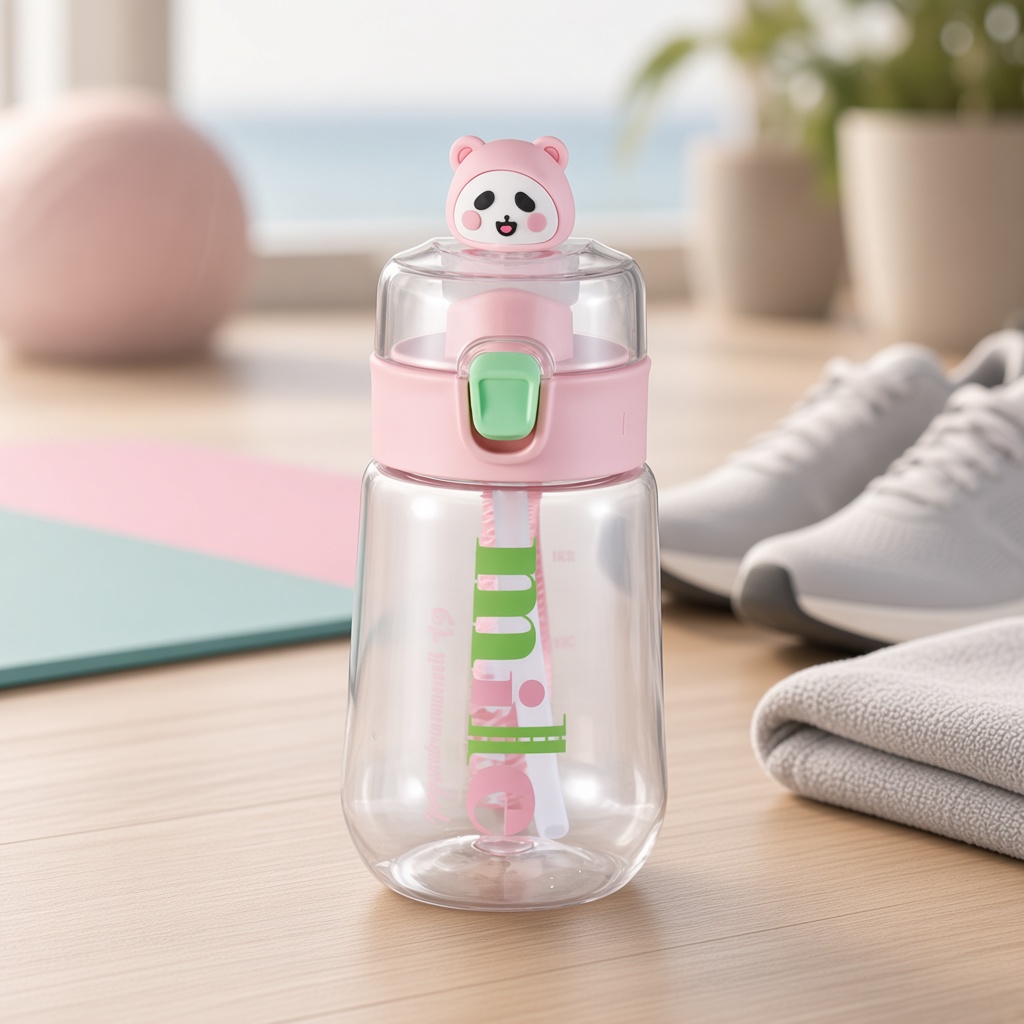 Sep 04, 26How Do Sports Trends Shape Plastic Water Bottle FactorySports and fitness habits are changing how people think about everyday hydration products, from the gym bag to the morning commute. A bottle used during exercise now needs to fit naturally into movement, training routines, outdoor activities, and daily travel without getting in the way. This shift is influencing how a Plastic Water Bottle Factory approaches product design, development, and custom production from the ground up. The focus is no longer only on holding water and calling it done. Shape, drinking methods, portability, grip, appearance, and ease of cleaning can all affect how a bottle fits into an active lifestyle. Sports users may also have genuinely different expectations depending on whether they're running, cycling, training indoors, hiking, or simply carrying water throughout a busy day. These changing preferences are encouraging manufacturers to explore more flexible approaches to sports water bottle production across the board. Why Are Sports Trends Changing Plastic Water Bottle Design? Sports activities often involve continuous movement, so hydration products need to work without becoming an unnecessary distraction mid-workout. A bottle that's easy to carry may feel a lot more practical during a walk, while another design may suit a person who wants quick access to water during training. This has encouraged manufacturers to think about how bottles get handled, rather than focusing only on their appearance on a shelf. The relationship between the bottle and the user's routine has become a genuinely important part of product development. Sports Activity Common Bottle Design Consideration Running Easy carrying and quick drinking Cycling Convenient access during movement Gym training Comfortable grip and repeated use Hiking Portability and secure closure Outdoor recreation Flexible handling and storage Sports trends are also influencing the visual side of bottle design quite a bit. Consumers may look for products that fit their personal style, clothing, equipment, or preferred activity out on the trail or at the gym. A PP Plastic Water Bottle can therefore get developed with both practical use and visual appeal in mind at the same time. The result is a wider range of designs intended for different situations, rather than one general bottle concept stretched to cover everything. How Is the Shape of a Sports Water Bottle Changing? Bottle shape has a direct effect on how users hold, carry, and store the product day to day. Traditional cylindrical designs remain familiar, but sports-oriented products may explore shaped surfaces, narrower sections, textured areas, or forms that are easier to grip mid-run. A comfortable shape can make a genuine difference when the user's hands are wet or when the bottle is being carried while moving fast. The shape also needs to work with bags, cup holders, lockers, shelves, and other everyday storage spaces people actually have. Manufacturers therefore need to consider the complete journey of the product, from production all the way to daily use. A bottle with an attractive shape may still be inconvenient if it's difficult to hold or store properly. This is why product development often involves balancing visual design with practical handling side by side. For a Plastic Water Bottle Factory, understanding these small user interactions can help guide new product concepts before tooling gets cut. The design process can also take different user groups into account along the way. A bottle intended for young fitness users may have genuinely different visual and handling preferences from one designed for outdoor recreation. Why Is Straw Structure Becoming More Relevant to Sports Bottle Design? The way users drink from a bottle is another area getting shaped by sports habits lately. A straw structure allows users to drink without lifting and tilting the entire bottle back. This can prove useful during activities where movement continues while the user takes a quick drink on the go. Sports bottles may therefore use different straw arrangements depending on the intended application at hand. Some designs place the drinking opening close to the user's mouth when the bottle is held in a natural position already. Other designs may combine a straw with a protective lid or an opening mechanism designed for convenient access mid-activity. Drinking Structure Possible User Benefit Direct opening Simple drinking experience Straw structure Convenient sipping during movement Covered straw Helps protect the drinking opening Flip opening Quick access during active use Straw structures also create additional design considerations worth working through. The connection between the straw, lid, and bottle needs to feel natural during regular handling, not fiddly or awkward. Cleaning is another consideration, since users may not want a complicated drinking system for everyday use on top of everything else. Manufacturers are therefore paying attention to both convenience and practical maintenance when developing straw-based sports bottles. How Is Custom Production Responding to Different Sports Users? Sports consumers don't all use bottles in the same way, even within a single household sometimes. A running group may prefer lightweight and easy-to-carry designs, while a gym user may focus more on grip and drinking convenience during a set. Outdoor users may have different preferences again, since their bottles need to fit into changing environments out on a trail. Custom production allows manufacturers to respond to these differences, rather than treating every customer as having identical requirements across the board. A Plastic Water Bottle Factory can work with buyers on elements such as bottle shape, surface appearance, lid structure, straw arrangement, and packaging presentation. Customization can also help businesses develop products for particular retail categories they're targeting. For example, a sports equipment seller may want a bottle that visually matches its product range on the shelf. A fitness-oriented business may prefer a design that emphasizes portability and easy handling instead. A promotional buyer may place more attention on surface appearance and customization options for branding. This makes product development a lot more closely connected with the intended market from the start. The goal isn't simply creating more variations for their own sake. Useful customization should reflect a genuine difference in how the product will actually get used. What Role Does Material Choice Play in Modern Sports Bottle Development? Material selection affects the way a bottle feels, looks, and behaves during everyday use over months of handling. PP plastic gets commonly considered for reusable drinkware, since it can support lightweight product designs and different forms without much difficulty. A PP Plastic Water Bottle can also get developed in shapes that suit active handling and portable use out in the field. Material choice needs consideration alongside the bottle structure, rather than treated as some isolated decision made separately. The bottle wall, lid, straw, grip area, and other parts may each carry different functional requirements worth thinking through. Manufacturers also need to consider the intended cleaning routine and general product care over its lifespan. A sports bottle is often used repeatedly day after day, so users may expect the product to remain practical through normal handling and washing without falling apart. This places attention on the relationship between material selection, product construction, and everyday maintenance working together. For manufacturers, material decisions can therefore influence both the development process and the final user experience down the line. How Are Consumers Influencing Product Development? Market demand is becoming a lot more varied as sports and wellness activities become part of different lifestyles across the board. People may use the same bottle at the gym, at work, during travel, or while spending time outdoors on a weekend. This creates demand for products that can move between different situations without feeling out of place in any of them. Manufacturers are responding by examining how users carry bottles, when they drink, and how they store them once home. Product development can begin with these daily behaviors, rather than with appearance alone stuck on a mood board. Feedback from buyers can also reveal small problems that aren't obvious during the initial design stage before a product ships. A lid may be difficult to open with one hand while jogging. A grip area may not feel comfortable during movement on a bike. A straw may be convenient for drinking but genuinely difficult to clean afterward. These observations can influence later design adjustments once real users weigh in. The process becomes an ongoing connection between consumer habits and manufacturing decisions over time. Market Change Possible Product Response More active lifestyles Portable bottle designs Greater interest in convenience Easier drinking structures More varied sports activities Application-focused shapes Demand for personal style Custom surface designs Repeated daily use Practical cleaning and care features This approach allows a Plastic Water Bottle Factory to respond to changing demand, without relying on a single fixed product concept forever. Why Does Portability Matter More in Sports Bottle Design? Portability is closely connected with active lifestyles that don't sit still for long. A bottle may get carried in a hand, backpack, sports bag, bicycle holder, or vehicle cup holder throughout the day. This means the product needs to work in more than one setting without a fuss. A compact form can make storage a lot easier, while a suitable grip can improve handling during movement on the move. The lid also plays a genuinely important role here, since users generally want to carry a filled bottle without unnecessary concern about leakage soaking their bag. These details may appear small on paper, but they can influence whether a bottle becomes part of a person's regular routine or gets left in a drawer. Sports users often move quickly between activities throughout their day, so products that require extra handling may feel a lot less convenient in the moment. Manufacturers are therefore considering how the bottle behaves before, during, and after use across a whole cycle. A bottle may need to be easy to pick up, drink from, close, carry, and place back into storage without a second thought. Each action becomes part of the overall product experience whether anyone notices or not. How Are Plastic Water Bottle Factory Designs Becoming More Flexible? The sports market includes many different activities, which makes flexibility a genuinely important part of product development going forward. Manufacturers may need to support several bottle concepts, instead of relying on one standard shape for everyone. A Plastic Water Bottle Factory can respond by developing product families that share basic production ideas, while offering different user-focused features tailored to each group. One design may emphasize direct drinking for simplicity. Another may use a straw structure for on-the-go sipping. A different version may focus on outdoor portability or a more distinctive appearance for retail shelves. Custom production can then connect these designs with specific customer requirements laid out ahead of time. This approach gives buyers more room to choose products according to their market position and intended users without settling for a generic option. It also allows manufacturers to observe which design features receive continued interest over several seasons. Product development can then evolve through practical feedback, rather than following short-lived trends alone that fade fast. The changing sports market is encouraging bottle manufacturers to look beyond simple storage and think more carefully about movement, convenience, personal preference, and everyday handling as connected pieces. As these factors become more important, sports water bottle design is increasingly shaped by the way people actually use hydration products during their active routines, not just how the bottle looks sitting on a shelf.READ MORE
 -
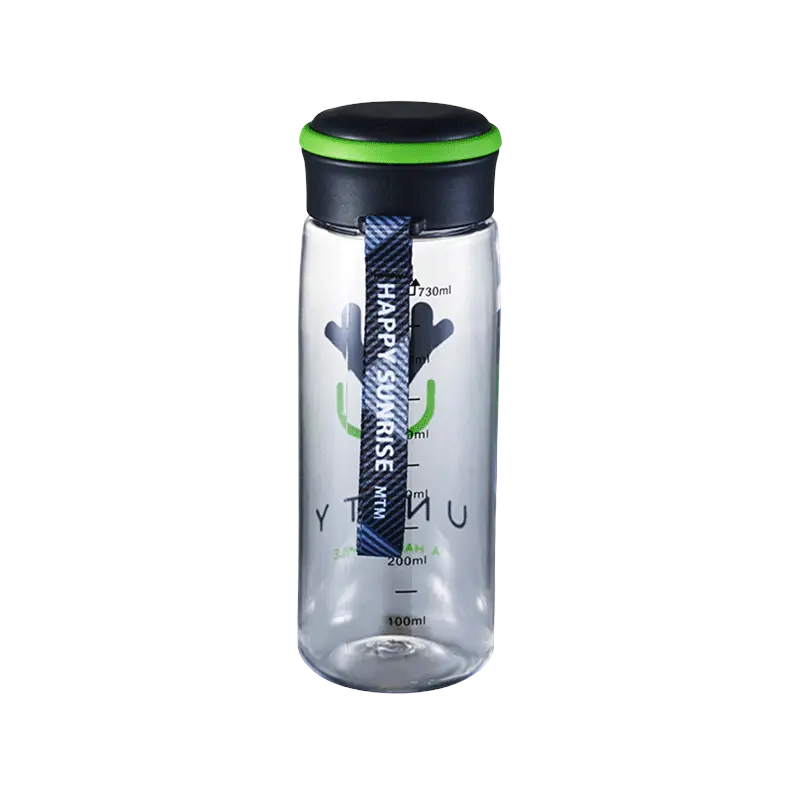 Aug 31, 26Which Design Features Matter in Spill Proof Water BottlesA water bottle can look like the simplest object in a bag, yet small design choices change how it actually performs day to day. A bottle riding around in a school backpack faces different jostling than one strapped to a gym bag during a workout, and a bottle sitting quietly next to a laptop deals with different demands than one bouncing around on a hiking trail. That's why buyers often look past color and shape when choosing a Spill Proof Plastic Water Bottle. The cap, straw, sealing area, bottle body, and carrying method all shape how convenient the thing actually is once it leaves the store shelf. Manufacturers, distributors, and commercial buyers care about these details too, since they affect how a product gets positioned in the market. A bottle built for sports use often needs a different configuration than one meant to sit quietly on an office desk all day. Growing interest in reusable drinkware has pushed more attention toward practical design over pure aesthetics. Buyers increasingly want bottles that carry easily, drink easily, and hold up to the specific activities where people actually plan to use them. Why Does Spill Proof Structure Matter in Water Bottle Design? A bottle can be easy enough to carry yet still turn into a mess if liquid escapes during normal handling. Bags get tossed on their sides on a bus seat, bottles get shaken around in a backpack during a commute, and users open and close the same cap dozens of times throughout a single day. A Spill Proof Plastic Water Bottle needs a structure built around what happens when the bottle isn't sitting neatly upright on a counter. The goal isn't making the lid stubbornly difficult to open, since users still want quick access to their water without a fight. The real challenge is striking a balance between easy drinking and closure that actually holds. Design Area Practical Consideration Cap Secure closure during carrying Seal Helps limit unwanted liquid escape Straw opening Supports controlled drinking Bottle body Suitable for regular handling Carrying feature Makes transportation easier These parts don't work in isolation from each other. A nicely engineered cap can still fail if the sealing area underneath doesn't actually fit against it properly, and a sturdy bottle body doesn't help much if the drinking opening refuses to close all the way. Commercial buyers benefit from evaluating the bottle as one connected system rather than judging each part separately. This matters especially for sports, travel, school, and outdoor products, since each of those settings exposes the bottle to a different set of movements and handling habits over the course of a normal week. How Do Caps Influence Spill Resistance? The cap tends to be the first thing anyone notices about a drinking bottle. It protects the opening and gives the user a way to control access to whatever's inside, whether that's water or a sports drink. Different bottles rely on different cap structures to do this job. Some stick with simple screw closures, while others add flip sections, locking features, or drinking openings built directly into the cap itself. For a Water Bottle Plastic with Straw, the cap also has to accommodate the straw running through it without leaving gaps around the drinking path that liquid can sneak through. Cap Feature User Benefit Secure closure Helps reduce accidental opening Easy opening Makes drinking convenient Locking feature Helps prevent unintended movement Protected drinking area Keeps the opening covered when not in use Integrated straw design Supports direct sipping A cap needs to be genuinely easy for its intended user to operate, not just easy in theory. A sports bottle might get opened mid-run every few minutes, a school bottle needs to work for small hands during a hurried lunch break, and an office bottle gets opened and closed repeatedly throughout an eight-hour workday. These different situations push toward different cap designs entirely. Cleaning deserves a thought here too, since a cap built from several small parts often demands more attention during a wash, while a simpler design tends to be easier to keep clean depending on how it's built. What works well for one application won't necessarily suit another. Cap design should always get considered alongside the actual user and the actual environment it'll spend its life in. How Does a Straw Support Controlled Drinking? A straw changes the whole interaction between person and bottle. Instead of tilting the entire container back and risking a spill, users can sip through the straw while keeping the bottle mostly upright and stable in their hand or a cup holder. That comes in handy during exercise, a commute, or any activity where someone would rather keep their eyes and attention elsewhere. A Straw Plastic Bottle offers a genuinely practical alternative to the traditional open-mouth design for exactly these situations. The straw itself introduces another area that needs careful design work. Straw Design Area Practical Concern Drinking opening Comfortable access Connection area Secure attachment Folding or movable section Convenient storage Cleaning access Easier maintenance Cap integration Reduced risk of unwanted leakage The connection between straw and cap matters more than it might seem at first glance. If those two pieces don't fit together snugly, liquid finds its way around the drinking opening no matter how good the rest of the bottle looks. A solid design treats the straw as part of the whole closure system rather than some separate accessory bolted on afterward. Cleaning brings its own set of concerns too. Straws have internal surfaces that dish soap and a sponge can't always reach easily, so buyers should look for designs offering reasonable cleaning access, following whatever care instructions the manufacturer actually provides. For commercial products, this ends up shaping customer satisfaction more than people expect. A bottle can look great sitting on a store shelf, but its real usability only shows up in the small details customers experience after they've already bought it and started using it daily. What Role Does Sealing Play in Spill Proof Performance? Sealing works hand in hand with the cap and drinking opening, controlling the actual path liquid has to take before it can escape. A Spill Proof Plastic Water Bottle might rely on one or several sealing elements depending on how it's built, and those elements need to work smoothly with the lid, the bottle opening, and the straw structure all at once. The seal has to stay properly positioned through completely ordinary use. Opening and closing it dozens of times, washing it in a sink, and tossing it into a gym bag repeatedly can all affect how well the components continue fitting together over time. Sealing Area Design Consideration Bottle opening Proper contact with the cap Straw connection Controlled liquid path Lid closure Secure contact Moving parts Stable operation Cleaning areas Accessible maintenance The sealing system needs to stay practical for whoever's actually using it day to day. A closure demanding complicated handling tends to discourage regular use pretty fast, and a bottle aimed at kids or sports users needs especially straightforward operation that doesn't require a manual. Commercial buyers can ask suppliers directly how sealing components hold up over time and whether they can be replaced when they eventually wear out. That question matters a lot for products meant to survive years of repeated daily use rather than a single season. Spill resistance isn't really the achievement of one clever part working alone. It comes from how the cap, seal, straw, and bottle body all cooperate together as a single working system. How Does the Plastic Material Affect Product Design? The bottle body forms the main container holding the drink, but the plastic chosen for that body shapes more than just how the bottle looks sitting on a counter. A PP Plastic Water Bottle, built from polypropylene, comes up often when buyers evaluate reusable drinkware for particular uses. Material choice influences weight, how the bottle feels in someone's hand, general appearance, and how well it holds up to repeated everyday handling. The actual results still depend heavily on the specific product design and manufacturing process behind it, not the raw material alone. Material Consideration Why Buyers May Review It Handling feel Influences everyday use Weight Affects portability Surface finish Influences grip and appearance Cleaning requirements Affects maintenance routines Product construction Supports intended use The bottle material also needs to actually work with the cap and other components rather than existing on its own. A comfortable, nice-feeling bottle body doesn't fix problems caused by a closure that doesn't fit right, since the whole product has to function together as a system. Clear communication about materials matters for commercial buyers too. Suppliers should explain the intended application, care requirements, and material composition plainly, without vague marketing language standing in for actual specifics. That kind of clarity helps distributors describe the product accurately to their own customers down the line, instead of guessing at details they were never given in the first place. Which Carrying Methods Make a Water Bottle More Convenient? Portability ties directly into overall bottle design. People rarely leave their water bottles sitting at home — they carry them to gyms, offices, schools, parks, hiking trails, and sports fields as a matter of routine. A bottle that's awkward to hold or store becomes genuinely inconvenient even when its drinking system works flawlessly. Carrying features can include handles, loops, textured grip sections, or shapes built to fit common storage spots like a car cup holder or a backpack side pocket. Carrying Situation Useful Design Consideration Sports activity Easy one-hand handling School use Suitable for bags Office use Convenient desk storage Travel Easy carrying Outdoor use Secure handling during movement The handle needs to fit the bottle's overall structure rather than getting bolted on as an afterthought. A large handle feels great to hold but can be awkward to store in a tight bag, while a small loop tucks into a bag easily but offers less grip during actual use. Commercial buyers should think through the environments where the bottle will actually get sold and used before locking in a design. A sports-focused bottle probably benefits from a different carrying approach than one built specifically for children, since the design really should reflect the user's actual daily routine rather than a generic assumption. This is another reason the term Spill Proof Plastic Water Bottle shouldn't get judged purely on how well the closure holds. Portability and handling shape the everyday experience just as much as whether a drop of water escapes the cap. How Should Spill Proof Bottles Fit Sports and Outdoor Scenarios? Sports and outdoor activities keep bottles constantly in motion rather than sitting still on a desk. A runner carries one while jogging down the street, a cyclist tucks one into equipment built for quick access mid-ride, and a gym regular sets one beside the weight rack and picks it back up between sets. Convenience becomes genuinely important in all these moments. A Water Bottle Plastic with Straw helps here, letting users drink without repeatedly tilting the whole bottle back, and the design often lets someone keep the bottle closer to their body while they're still moving. Scenario Product Design Focus Gym training Quick drinking access Running Easy carrying Cycling Convenient handling Hiking Portable structure Outdoor recreation Secure closure and maintenance The outdoor environment exposes a bottle to dirt and moisture in ways an office desk never does. A protected drinking opening becomes genuinely useful out on a trail, and easy cleaning matters even more once the bottle gets used heavily and frequently. The bottle also shouldn't clash with other gear a person's already carrying. A large handle can be inconvenient if the bottle needs to slide into a bike holder or a backpack side pocket, so dimensions and shape deserve consideration alongside whatever carrying method the bottle uses. Sports use highlights the value of simple, uninterrupted operation more than almost any other setting. Users generally want to open, drink, close, and keep moving without breaking stride, and a practical design supports that whole sequence without tacking on unnecessary extra steps along the way. What Should Commercial Buyers Ask About a Spill Proof Plastic Water Bottle? Commercial purchasing calls for a wider lens than picking out a bottle for personal use. A distributor might need to compare several configurations across different customer groups at once, a retailer cares plenty about appearance and packaging on the shelf, and an equipment supplier probably focuses more on durability and handling under repeated use. Clear communication with manufacturers makes this whole process considerably easier to manage. Useful questions include: Who is the intended user? Identify whether the bottle is aimed at children, office workers, sports users, travelers, or general consumers. Where will it be used? Indoor and outdoor applications create genuinely different design requirements. How is the bottle opened? Consider whether the cap is convenient for the intended user's daily routine. How does the straw connect to the lid? The relationship between these parts shapes both drinking experience and spill resistance. How is the bottle cleaned? Review the recommended care method for the bottle, cap, and straw together. How is it carried? Consider handles, loops, grip areas, and how the bottle fits typical storage needs. What material is used? Ask for clear information about the bottle body and other major components. These questions turn a vague product search into a genuinely practical purchasing conversation. A supplier should also be able to explain the bottle's intended application honestly, without stretching claims beyond what the design actually supports. Clear product information helps manufacturers and distributors communicate better with the people who'll actually use these bottles. It also helps prevent a sports bottle from getting marketed toward schools without anyone checking whether the design genuinely suits younger users in the first place. A Straw Plastic Bottle can serve plenty of different users, but its real value depends on how well its structure actually matches the scenario it's being sold for. The same logic applies to PP Plastic Water Bottle products across the board — material, cap structure, straw arrangement, sealing, carrying method, and maintenance all deserve consideration together rather than in isolation when evaluating a bottle for commercial use. Solid product design starts with the user's actual routine rather than a sketch on a designer's desk. When a bottle's parts get developed around real handling, drinking, carrying, and cleaning habits, spill resistance becomes just one piece of a much broader approach to everyday usability.READ MORE
Message Feedback
Plastic Straw Ton Bucket Industry knowledge
We specialize in the production and sales of plastic water cups, and also provide customization services
and comprehensive after-sales support.
QUICK LINKS
CONTACT US
- Address:No. 1 Shuangyou Road, Nancheng Street, Huangyan District, Taishan City, Zhejiang Province
- Tel: +86-19957687783
- Email: [email protected]
- Whatsapp: +86-19957687783
MOBILE
Copyright © Taizhou Huangyan Zuohao Plastic Factory.
All Rights Reserved.
