

 English
 عربى
NEWS
Home > News > Industry News > How to Choose Suitable Plastic Materials for Cartoon Plastic Water Bottle Manufacturing?

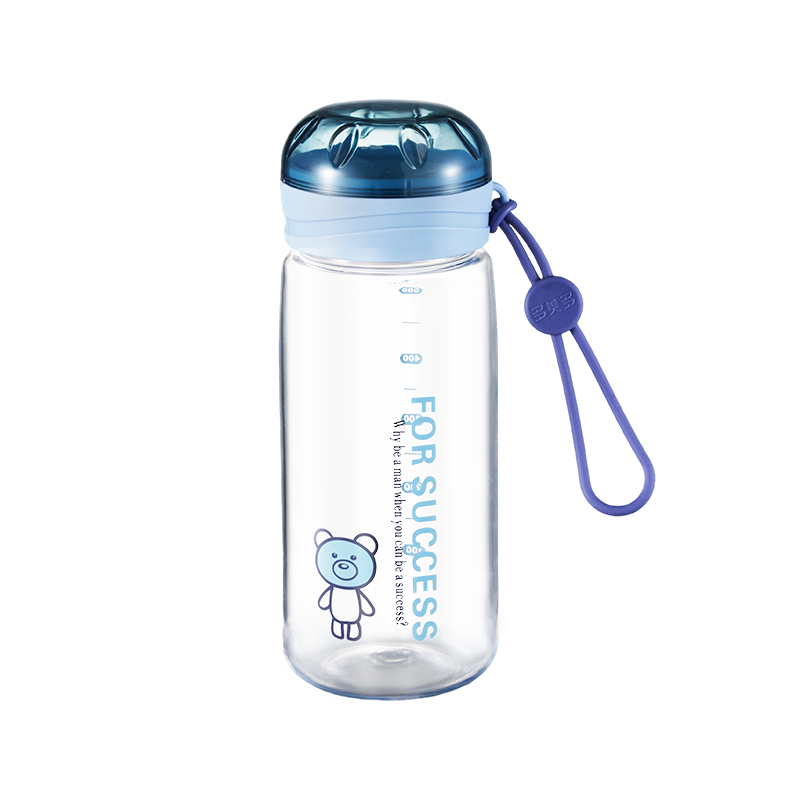
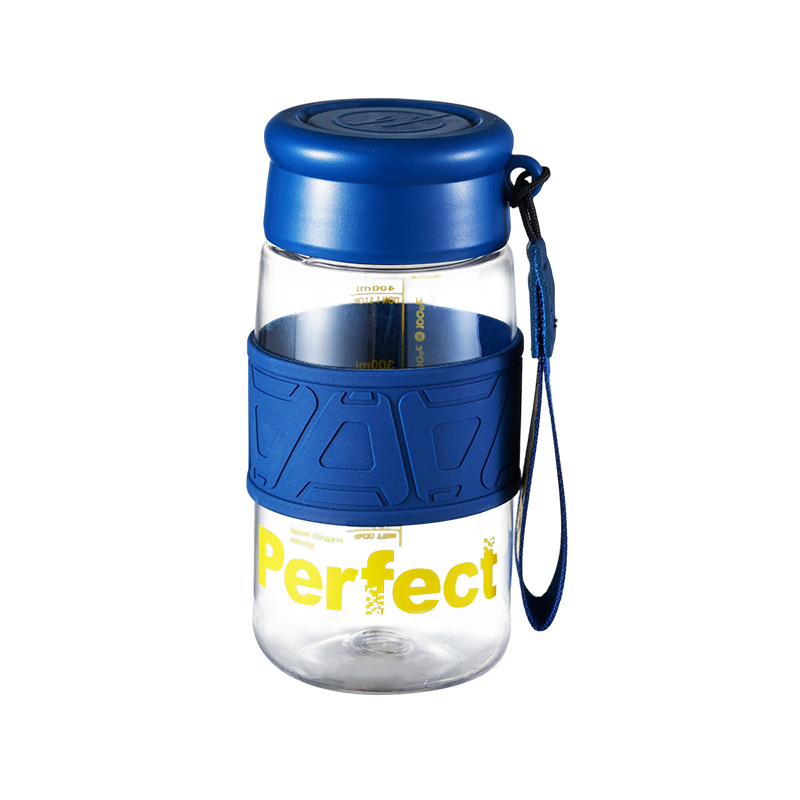
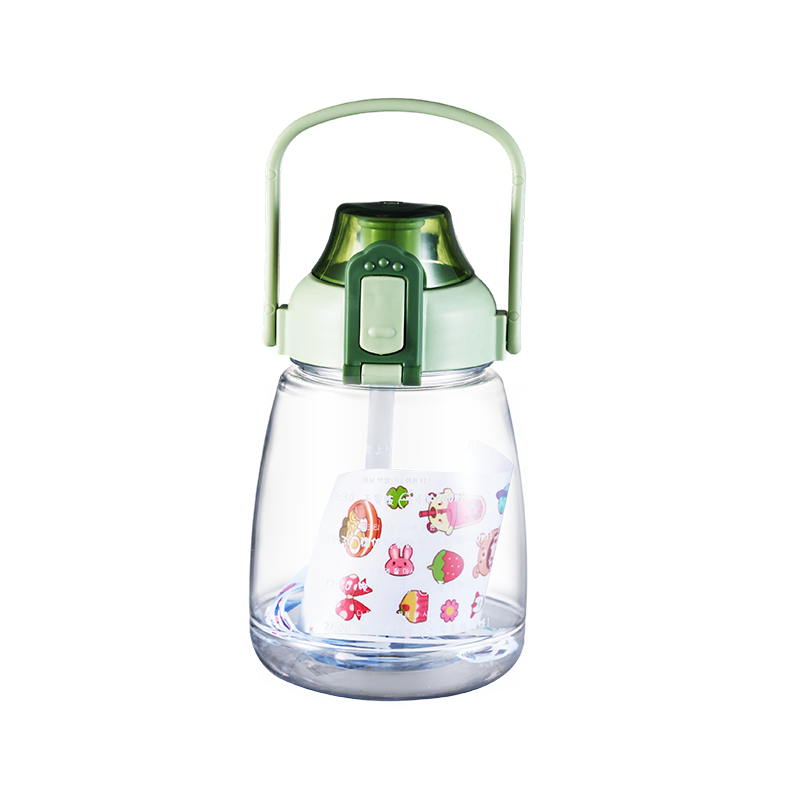
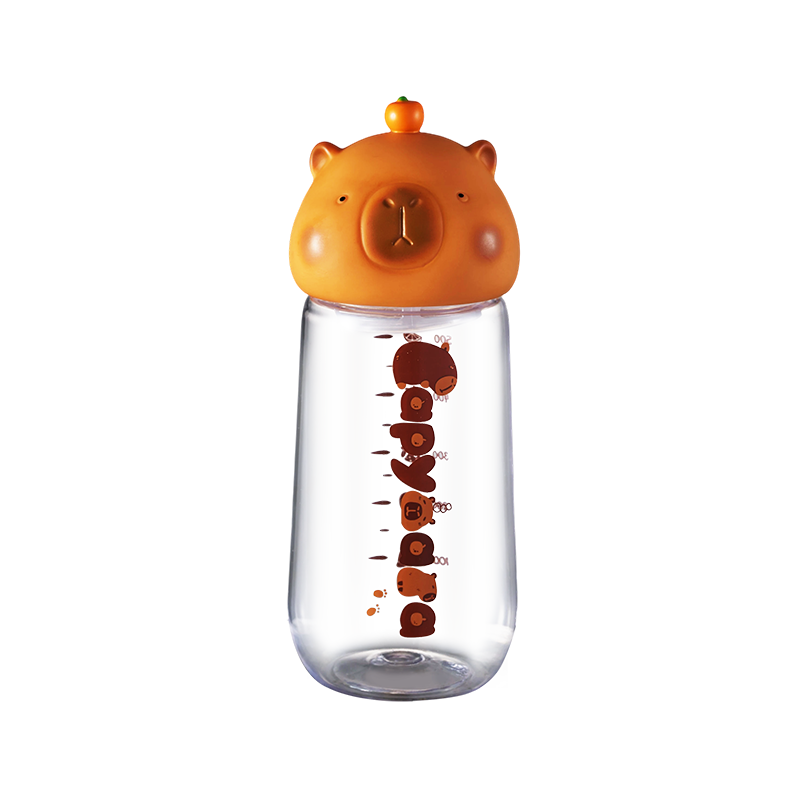
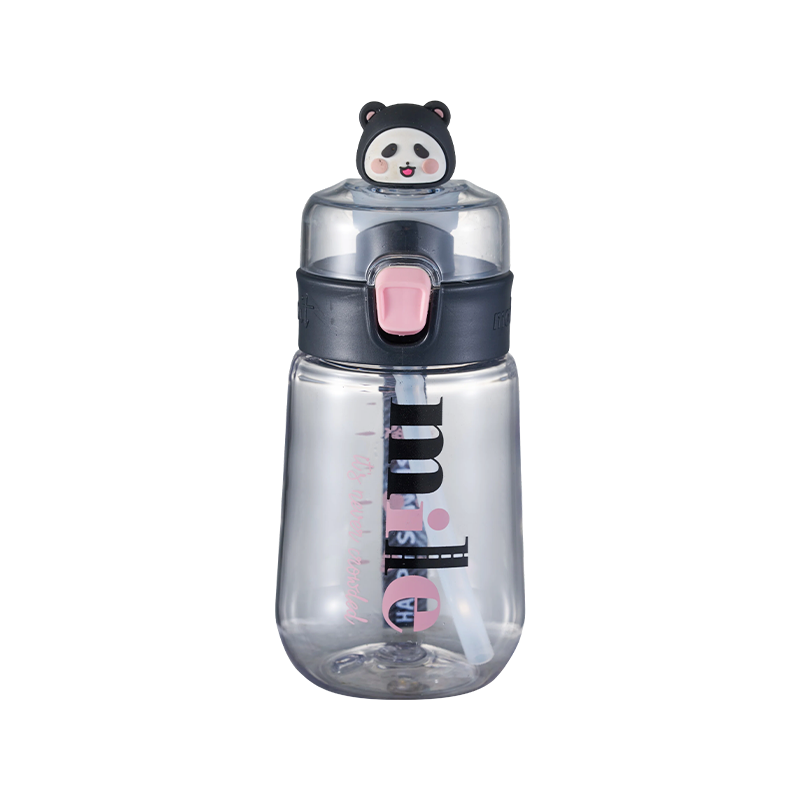
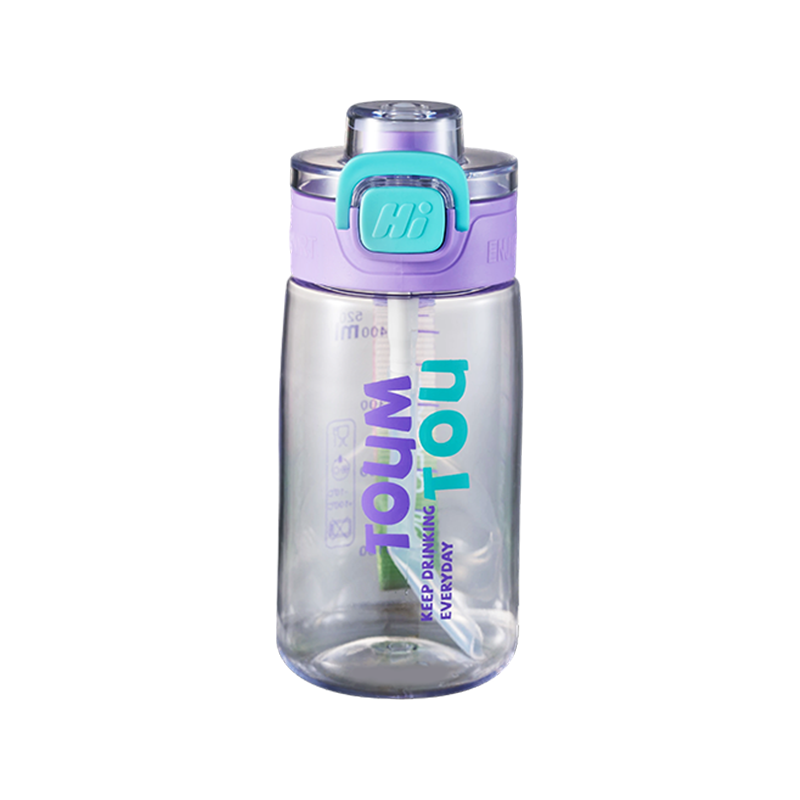
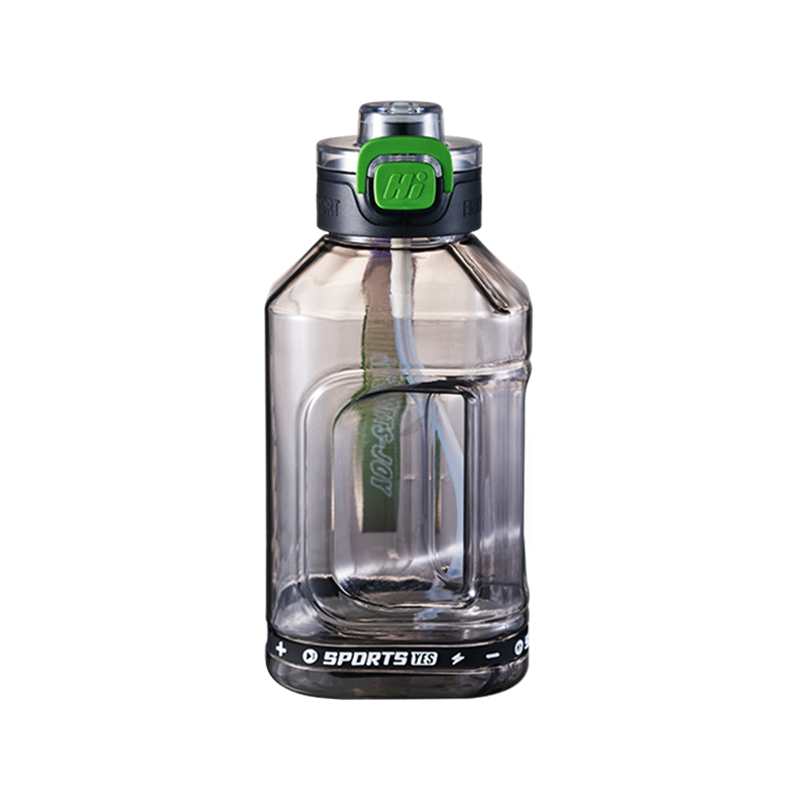
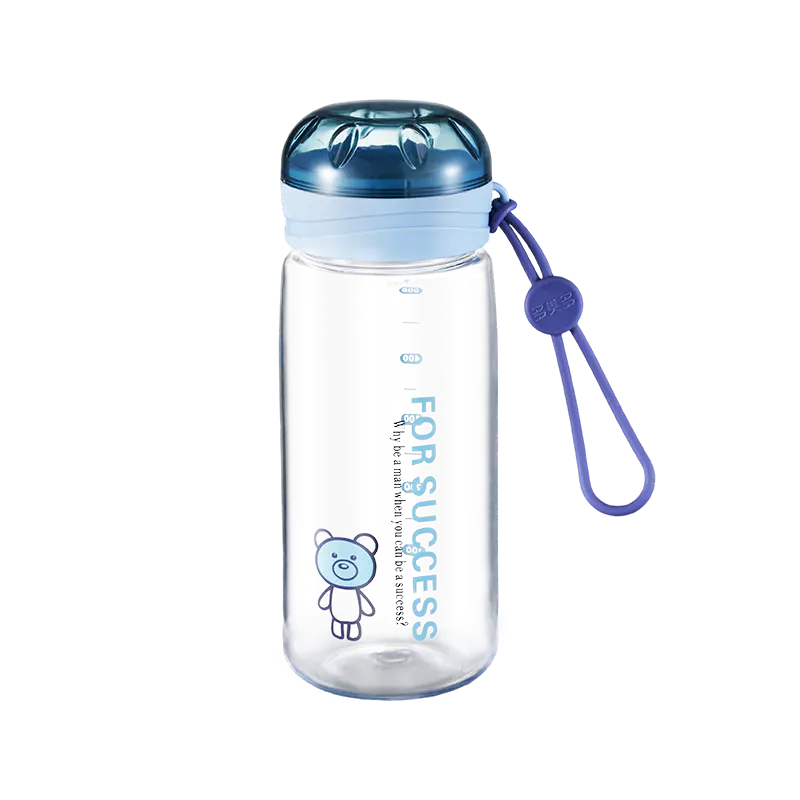
Cartoon water bottles sell because kids, students, and families like the characters and colors. For manufacturers, though, a cute design is only half the story. Material safety, durability, chemical compliance, and how easy the bottle is to clean—those matter just as much. Pick the wrong plastic and you've got a product that looks great but causes problems down the line.
Choosing the right material helps ensure a Cartoon Plastic Water Bottle actually suits its intended use. Buyers and manufacturers need to understand the differences between common food-contact plastics and verify that finished products meet the regulations of their target markets.
Why Material Selection Matters for Children's Water Bottles
Children's bottles get dropped, handled roughly, exposed to temperature swings, washed repeatedly. The material has to hold its structural integrity without creating avoidable food-contact risks.
Important selection factors:
Manufacturers should assess the complete product—lid, straw, seals, printing inks, decorative coatings. A safe bottle body doesn't automatically make every assembled component suitable for food contact.
Compare Common Plastic Materials Used in Water Bottles
Several plastics are used in reusable and disposable beverage containers. Suitability depends on application, formulation, processing conditions, and compliance documentation.
| Plastic material | Main characteristics | Typical considerations |
|---|---|---|
| Tritan copolyester | Clear, lightweight, and impact-resistant | Verify specific food-contact compliance |
| Polypropylene (PP) | Lightweight and good chemical resistance | Temperature limits depend on grade |
| Polyethylene (PE) | Flexible and resistant to many chemicals | Often used in bottle components |
| Polycarbonate (PC) | Strong, transparent, and rigid | Some grades raise BPA-related concerns |
| PET | Clear and lightweight | Common in single-use beverage packaging |
Tritan copolyester often gets picked for reusable bottles because of its clarity and impact resistance. Still, buyers should request documentation for the exact grade and finished application.
Polypropylene (PP) is another common option. Lightweight, suitable for certain reusable bottle components, caps, straws. Heat resistance varies according to formulation and manufacturing specs.
Polyethylene (PE) comes in different grades—HDPE and LDPE. HDPE is common in beverage containers. LDPE is more flexible and may show up in selected components.
PET is widely used in beverage packaging, particularly single-use bottles. Its suitability for repeated use depends on product design and manufacturer instructions.
Understand BPA and Other Chemical Safety Concerns
Bisphenol A (BPA) has drawn plenty of attention because of its use in certain polycarbonate plastics and epoxy resins. Manufacturers targeting children's products should carefully evaluate BPA-related requirements in their destination markets.
But a BPA-free claim alone doesn't establish that a bottle is completely safe. Other substances—additives, colorants, stabilizers, processing residues—may also need evaluation. Food-contact testing should consider actual use conditions: beverage type, contact duration, temperature. Migration testing helps determine whether regulated substances transfer from materials into beverages under specified conditions. Manufacturers should obtain material declarations and relevant lab reports for the exact plastic grades used in production.
Check the Safety of Cartoon Printing and Decorative Components
Cartoon graphics are a major selling point, especially for children's products. Designs may be created through screen printing, heat transfer, in-mold decoration, or other methods.
The printing process shouldn't compromise food-contact safety. Inks and coatings should be appropriate for their intended location and application. Designs on exterior surfaces should also resist peeling, fading, and abrasion during normal use.
Other components need similar attention:
A well-designed product considers the safety of the complete assembly—not just the bottle body.
Evaluate Manufacturing Quality and Compliance Testing
Picking a material is step one. What happens on the production floor—injection molding, blow molding, printing, assembly—can still make or break the final product. So quality controls need to cover raw material identification, molding temperatures, dimensional accuracy, surface defects, and assembly consistency. Skip any of those and the finished bottle may not match the sample that got approved.
Then there's testing. What gets checked depends on the market and the intended use, but a practical program usually includes:
| Quality test | Purpose |
|---|---|
| Overall migration testing | Evaluates material transfer under specified conditions |
| Specific migration testing | Checks regulated chemical substances |
| Impact testing | Assesses resistance to accidental drops |
| Leakage testing | Checks lid, seal, and bottle performance |
| Durability testing | Evaluates performance after repeated use and washing |
| Print adhesion testing | Checks resistance to peeling and abrasion |
Requirements aren't the same everywhere. Selling into the United States means looking at applicable FDA food-contact requirements. Products headed for the European market need to meet relevant EU food-contact legislation and the material-specific rules that apply. Manufacturers should confirm the exact requirements for each destination before shipping, not after.
Choose a Suitable Material for the Intended Product Design
The right material depends on how the bottle will actually be used. For reusable children's bottles, Tritan or suitable PP grades may make sense, depending on clarity, impact performance, cleaning needs, and cost. For lightweight beverage packaging, PET or HDPE may fit better—especially if the product is designed for single use rather than repeated refills.
Before mass production, buyers should ask for samples, review compliance documents, and test the finished bottle under realistic conditions. That means checking leakage, cleaning performance, print durability, and compatibility with the beverages it's meant to hold. A bottle that passes a lab test but fails after a week of school lunches isn't much help.
Build Safer and More Reliable Cartoon Water Bottle Products
Selecting suitable plastic materials means paying attention to food-contact compliance, mechanical performance, decorative components, and manufacturing controls. No single plastic is automatically the safest choice for every bottle design—context matters.
A reliable Cartoon Plastic Water Bottle should use verified materials, appropriate printing systems, and tested components that meet the requirements of its target market. Combine responsible material selection with documented quality assurance, and manufacturers can develop attractive products that are also suitable for everyday use.
Copyright © Taizhou Huangyan Zuohao Plastic Factory.
All Rights Reserved.