

 English
 عربى
Water Bottle Carry Straps & Attachment Review
Home > News > Industry News > How Should Buyers Specify Water Bottle Carry Straps and Attachment Points?

A carry strap is often described in a quotation as a short accessory line. On the finished bottle, however, the strap, clips, adjustment hardware and bottle attachment points form one combination. A change to any of these parts can change how the product is carried or packed. Buyers should review that combination before agreeing that two offers include the same accessory.
This is a purchasing and sample-review task rather than a reason to assume a universal strap strength. A photograph can establish an arrangement, but it cannot establish a working load, durability result or suitability for every user. Water bottle carry straps need an identifiable specification and a review method agreed for the actual intended market.
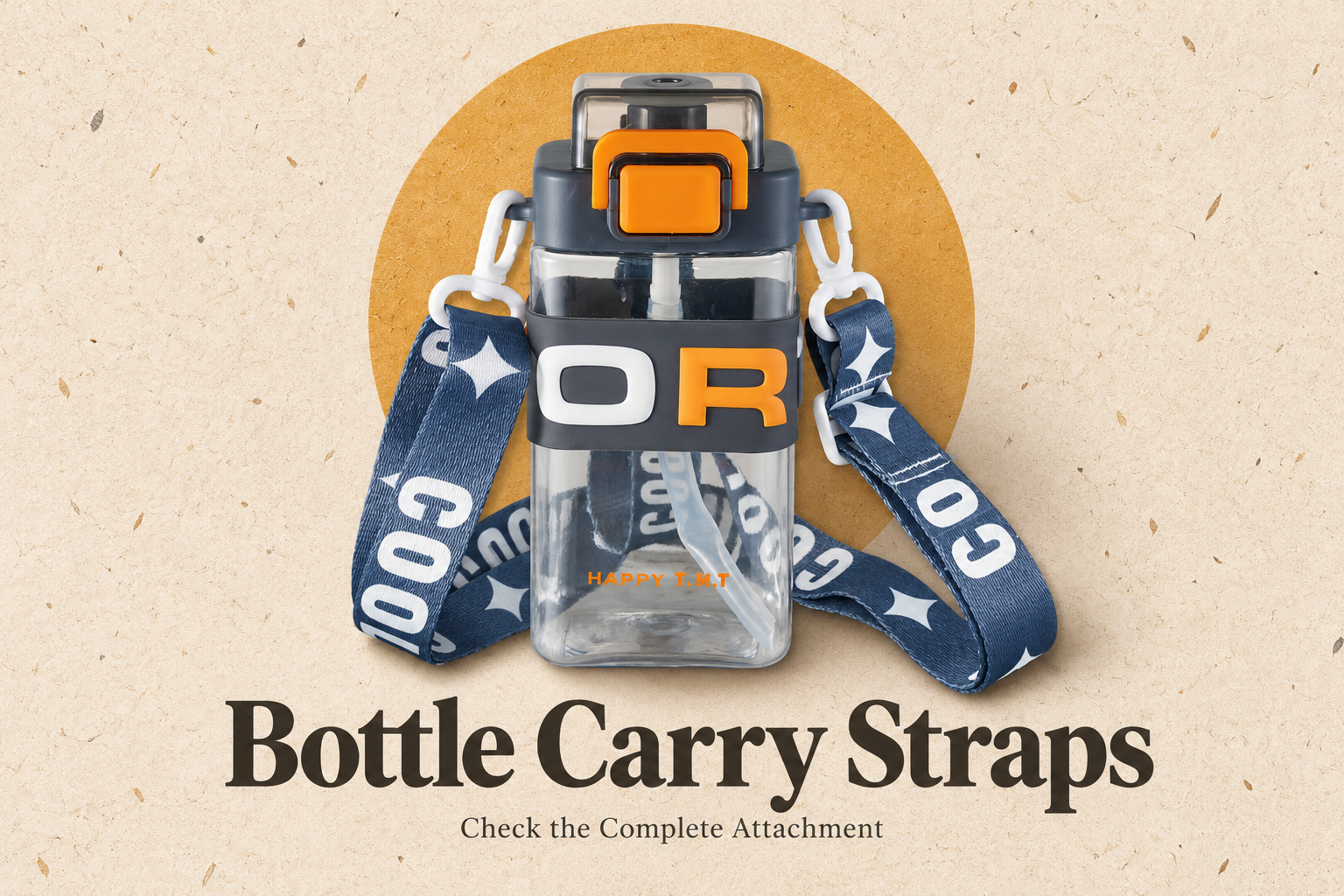
Choose the bottle model first. Within the plastic straw bottle collection, note where the strap connects and which pieces belong to the lid, bottle sleeve or body. A supplier may offer different combinations across a range. Similar strap colours do not establish that their clips fit every bottle.
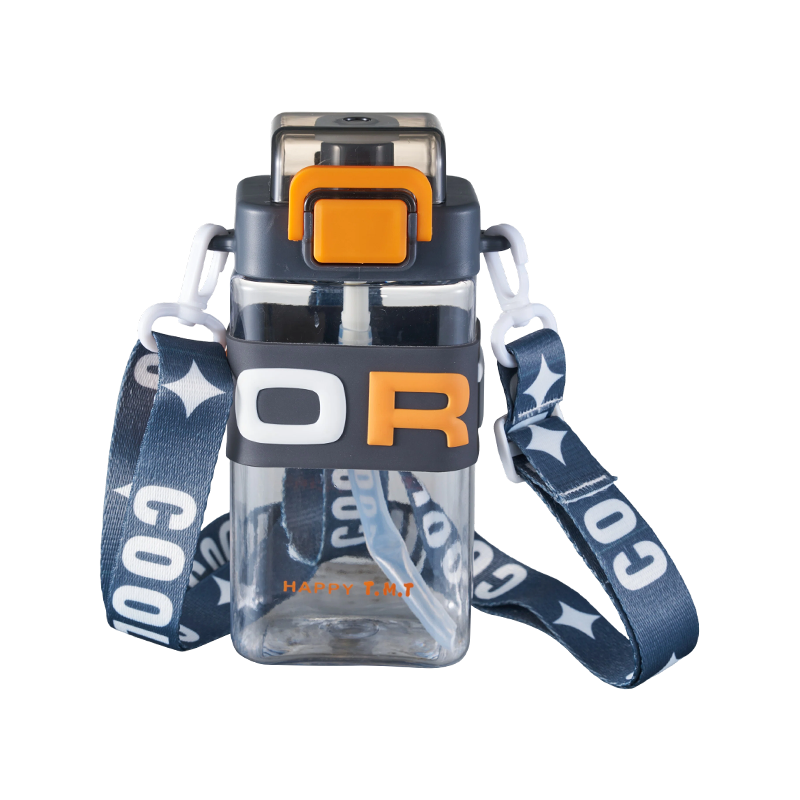
Ask for a clear photograph of both attachment points with the strap fitted. The record should make it possible to distinguish the bottle-side ring or loop from the removable clip. If an attachment is moulded into another part, identify that part as well. This makes a later lid or sleeve change visible to the person buying the accessory.
Do not ask a supplier to reproduce a strap from one image while silently substituting the bottle. Instead, identify the complete sample by model and revision. Where a customer supplies its own strap, obtain confirmation of the mating interface before describing the combination as approved.
Review the sample in the order someone would use it: attach the strap, adjust it, carry the bottle, set it down and remove the strap if removal is intended. Each step raises a different question. A fabric swatch addresses appearance; it says nothing about whether a clip can be fitted without forcing an attachment point.
Record observations without treating an informal handling session as a certified test. If a buyer needs a defined mechanical test, specify the method, conditioning, sample quantity and acceptance criteria for technical review. The supplier's response should identify the tested configuration rather than make an unsupported promise about all future versions.
The words adjustable strap leave several details unresolved. Agree what length is being described, where it is measured, and whether the stated range includes the clips. Ask the supplier to show the measurement on an illustration or sample photograph. This reduces the risk of comparing an overall assembly length with fabric length alone.
User suitability also needs its own review. Do not infer child suitability, an age grade or a safety claim from a colourful print. Share the intended users and sales market with the responsible product team, and request the relevant assessment and instructions for that exact accessory arrangement.
A printed strap can look correct while the clip shape or adjustment arrangement differs from the agreed sample. Keep the visual reference alongside an accessory bill of materials. Buyers can then approve colour and artwork without accidentally accepting a change to the attachment interface.
| Item | What the approval record should identify | What should not be assumed |
|---|---|---|
| Strap fabric | Colour reference, pattern and agreed width | That a photograph establishes fibre composition |
| End fittings | Clip shape, quantity and mating points | That similar clips are interchangeable |
| Adjustment | Hardware and agreed measurement basis | That every quoted length includes the same parts |
| Bottle interface | Model, lid or sleeve version, attachment locations | That another bottle uses identical geometry |
| Packing | Strap fitted or separate, folding and identification | That the display sample represents shipping condition |
Keep decorative artwork separate from any required use or care information. If a graphic runs across the strap, review its orientation on the assembled product, including what is visible after length adjustment. Avoid using the accessory print to imply a material or performance claim that has not been confirmed.
Before bulk packing, decide whether the strap arrives fitted, clipped at one end or packed separately. Each arrangement affects the receiving check. A separate accessory needs an unambiguous place in the packing list; a fitted accessory needs protection from avoidable tangling or pressure during the agreed packing process.
Bring these points into the customisation discussion before the order is released. Provide the selected bottle reference, strap artwork, accessory quantities, packing arrangement and approval photographs together. Ask the supplier to identify any difference between the sample assembly and the quoted production assembly.
The most useful handover is concise enough for the packing team to follow. It should name the accepted combination, show both attachment points and explain which substitutions require renewed approval. Keep this record with repeat orders instead of relying on the phrase same strap as last time. When a complaint or discrepancy appears, the same record also helps the buyer isolate whether the issue concerns appearance, a missing part or a different interface.
Copyright © Taizhou Huangyan Zuohao Plastic Factory.
All Rights Reserved.