


 English
 عربى
News

Fruit Infuser Bottle Design: Make Everyday Cleaning Practical
A fruit infuser bottle contains more than a clear body and a colourful lid. The basket, lid passages and seals create additional surfaces that contact the drink. If those parts are difficult to reach or their removal is unclear, the product's attractive presentation can hide an inconvenient daily care routine.
Fruit infuser bottle design should therefore be reviewed through filling, drinking, emptying, cleaning and drying. For brands and distributors, this is an opportunity to connect the product's physical construction with instructions that customers can follow. A complete sample reveals the care route more clearly than a photograph of an assembled bottle.
Review the basket and bottle together
Plastic infuser cups may use different basket positions and attachment arrangements. Check the specific model rather than assuming that all baskets lift out in the same way. The basket's length, opening and position affect loading and access after use.
A removable infuser basket should be understandable to remove and refit according to the manufacturer's instructions. Inspect the connection and any retaining features. If the user must rotate or release a part, the instructions should show that step without inviting force on the wrong component.
Consider the food pieces the product is intended to hold. A wide basket opening may make some pieces easier to load, while fine perforations change the surfaces that need cleaning. Do not describe a basket as suitable for every ingredient merely because an illustration shows fruit inside it.
Follow the drink through each component
Map which surfaces contact the liquid during filling and ordinary use. The body and basket are obvious, but lid passages, a drinking opening and seals can also matter. Identify them before preparing a care guide or a materials enquiry.
This component view also supports documentation review. A material description for the bottle body does not automatically cover every separate part. Keep the selected assembly and its component materials identifiable, including colourants or other changes relevant to the finished item.
Food-contact requirements depend on the destination market and intended conditions. FDA guidance, for example, distinguishes food types and conditions of use. This background does not certify a bottle; it explains why the buyer must connect the supplied materials and evidence with the intended beverage, temperature and contact conditions.
Make infuser bottle cleaning access visible
Infuser bottle cleaning access includes the basket interior, perforations, bottle shoulder and lid's internal features. Review what can be reached by the approved cleaning method. A large main opening does not prove that every smaller recess is accessible.
Inspect whether parts create narrow spaces where residue may remain. Ask the manufacturer to explain the intended cleaning route for those areas. The care guide should describe practical access rather than relying on an easy-clean claim with no supporting steps.
Use a representative complete sample when assessing the routine. A loose basket on a desk may seem easy to wash, but the user must first release it from the lid or bottle. Include that connection in the evaluation and record which parts are intended for routine removal.
Distinguish removable from washable
A component being removable does not establish that every cleaning method is permitted. Confirm whether the selected parts may be cleaned in a dishwasher, and under what instructions, before making that claim in a listing. Treat the lid, basket and body separately if their guidance differs.
Likewise, do not add boiling, steam or sterilising instructions from another product. Heat tolerance depends on the actual materials and construction. The bottle's intended drink temperature and its allowed cleaning temperature are related information, but they are not automatically identical.
For seals, show how to remove and replace them only when the manufacturer intends that action. Explain their orientation where it matters. A guide that encourages dismantling an unspecified part can create more confusion than one that clearly marks the approved care components.
Include drying and reassembly
Cleaning instructions should continue beyond rinsing. Review how the permitted parts are dried before reassembly and storage. A small cavity in a lid can remain wet after the outside appears dry, so a useful guide considers internal access as well as the visible surface.
Show the correct completed assembly. A missing or incorrectly positioned seal can change the product's behaviour, while a loosely fitted basket can affect use. Photographs or simple diagrams should match the actual model and component revision.
Keep care instructions available after purchase. A short printed guide can provide the essential steps, while an accessible product page can carry fuller illustrations. Avoid linking customers to a general catalogue that leaves them uncertain which lid and basket belong to their bottle.
Avoid unsupported beverage promises
An infuser basket does not establish that the bottle is suitable for carbonated drinks, hot liquids or every acidic ingredient. Those uses need confirmation for the exact assembly. Marketing should follow the manufacturer's defined use rather than infer compatibility from a plastic category name.
BPA-free wording, where supported, answers one materials question. It does not by itself explain all intended use conditions or demonstrate every food-contact requirement. Ask for documents that identify the actual materials and their relevant scope.
Do not claim that fruit infusion purifies water, creates a medical benefit or prevents contamination without appropriate evidence. The practical purpose can be described directly: the basket holds approved ingredients while the bottle carries the drink. Clear use and care information offers value without extending into unsupported health claims.
Approve care content with the product
Before a bulk order, keep the bottle, component list and care guide together. Check that removal directions, cleaning methods and reassembly images correspond to the selected model. If a lid or basket changes, review the instructions at the same time.
An illustrative brand review might compare two bottles with similar capacity. One has a basket that releases separately; the other attaches to the lid. Their capacity may be alike, but the cleaning sequence differs. The retail content should explain that practical difference accurately.
A successful infuser bottle offers a care routine that users can understand. Review the drink-contact surfaces, preserve material identity and make cleaning access explicit. These steps turn an appealing design into a product supported by useful everyday instructions.
Related Products
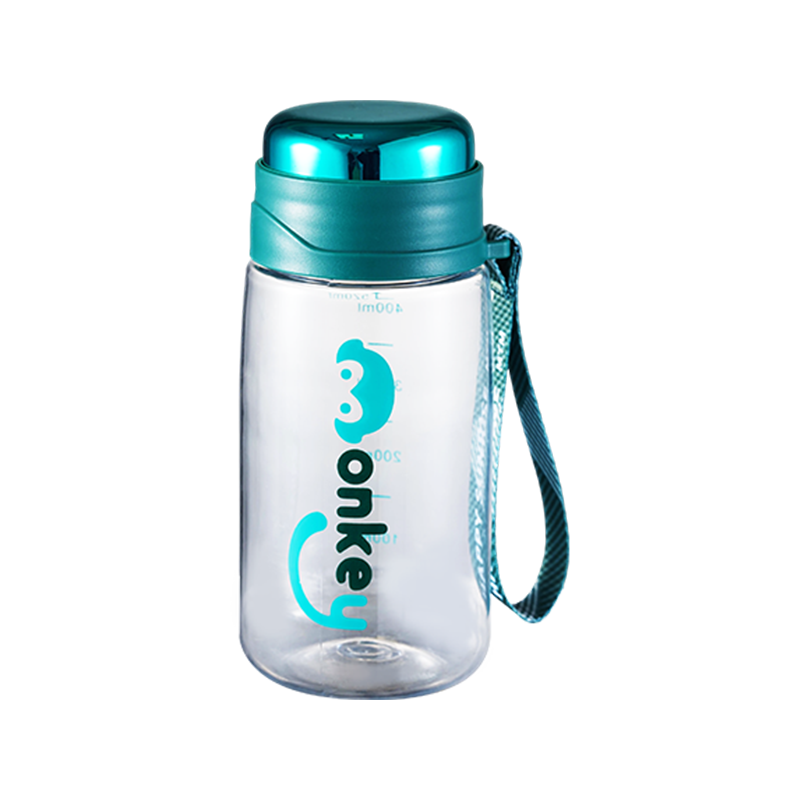
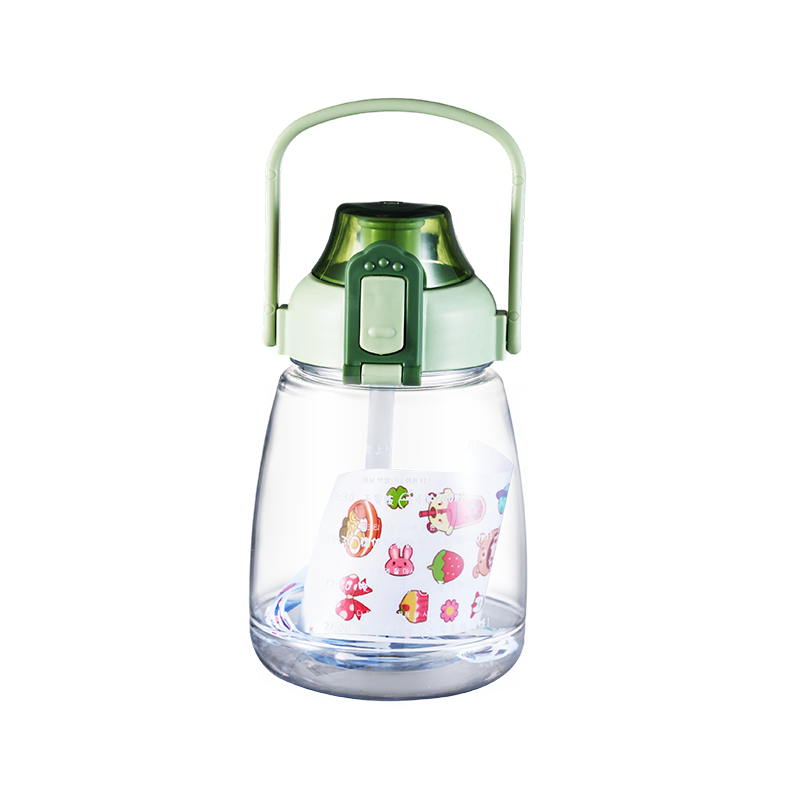
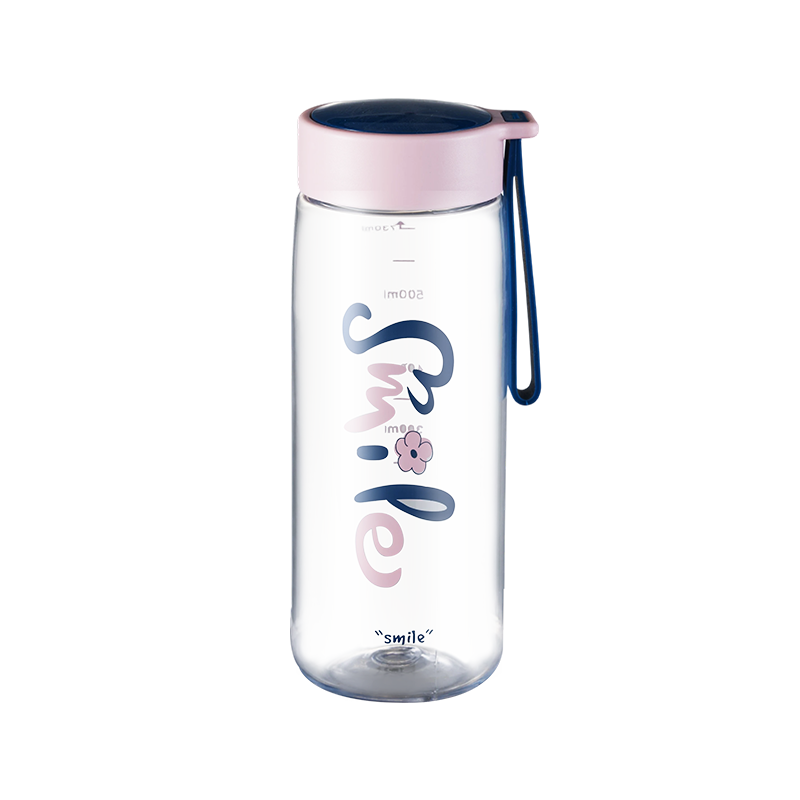
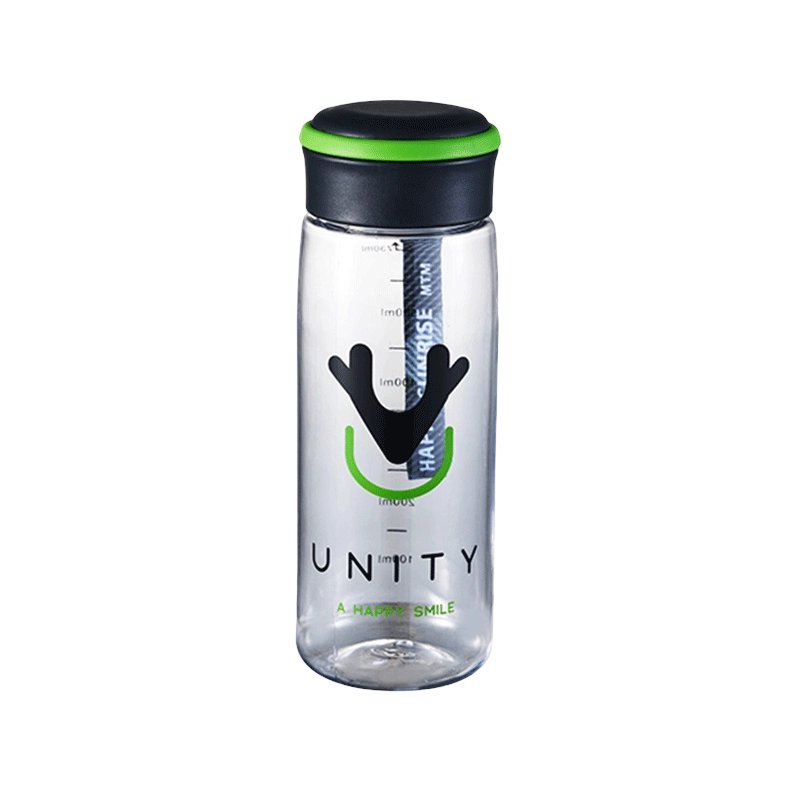
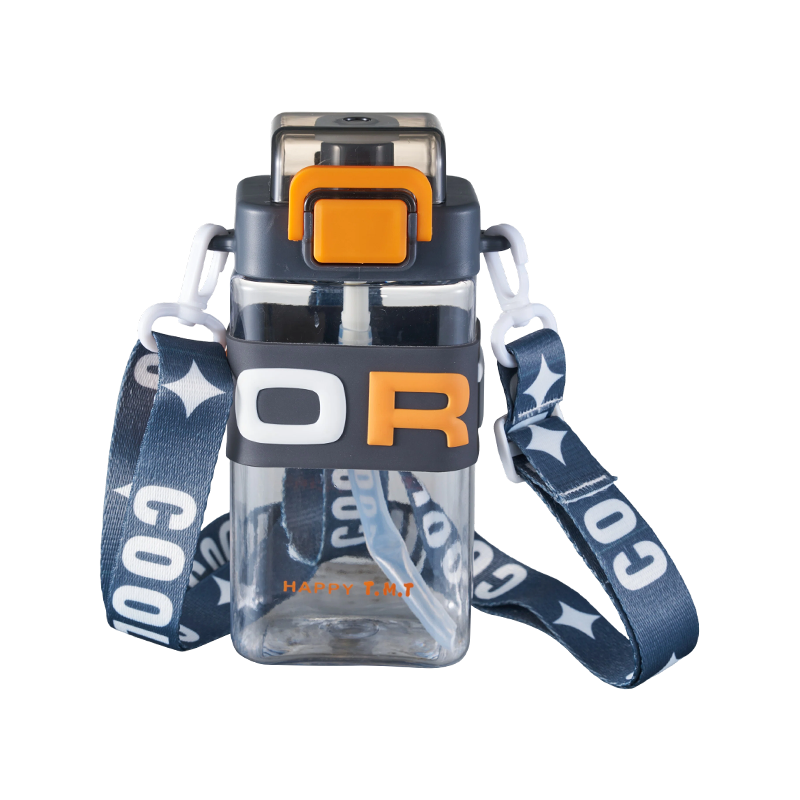
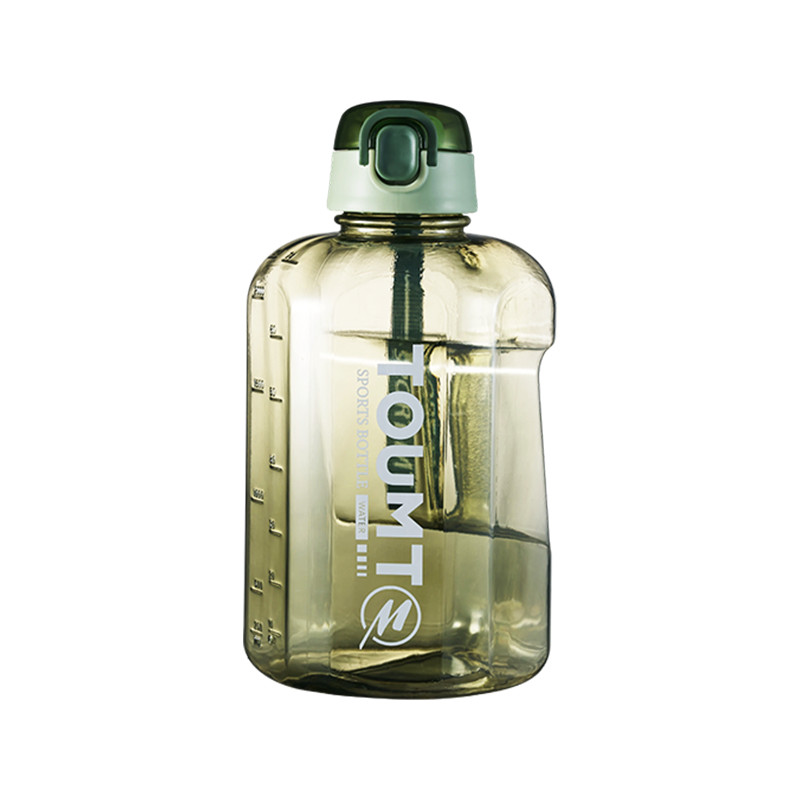
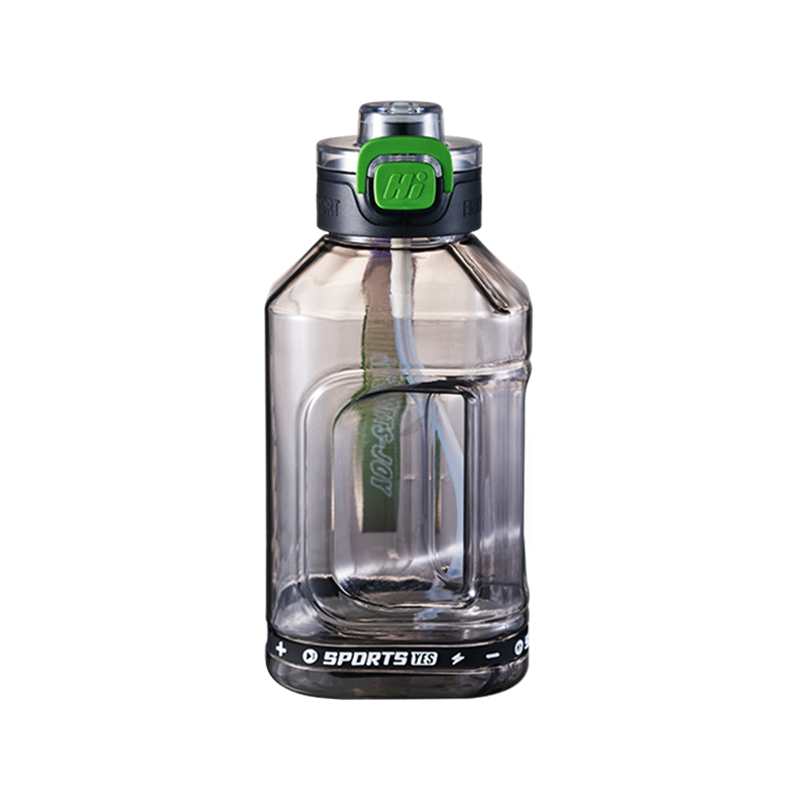
We specialize in the production and sales of plastic water cups, and also provide customization services
and comprehensive after-sales support.
QUICK LINKS
CONTACT US
- Address:No. 1 Shuangyou Road, Nancheng Street, Huangyan District, Taishan City, Zhejiang Province
- Tel: +86-19957687783
- Email: [email protected]
- Whatsapp: +86-19957687783
MOBILE
Copyright © Taizhou Huangyan Zuohao Plastic Factory.
All Rights Reserved.
