Sep 21, 26
How Does PP Plastic Water Bottle Shape Affect Production
A plastic bottle can look genuinely simple from the outside, but its shape is closely connected with how the product actually gets made, much like a loaf of bread looks uniform on a shelf while the crust and crumb underneath were shaped by very different forces during baking. A narrow neck, wide body, curved shoulder, flat side, or unusual base can all change the way plastic gets distributed across the finished container.
This relationship matters during product development because bottle shape affects a lot more than appearance alone. It can influence material use, handling, stability, packaging, production, and the way the bottle feels once it's actually in someone's hand.
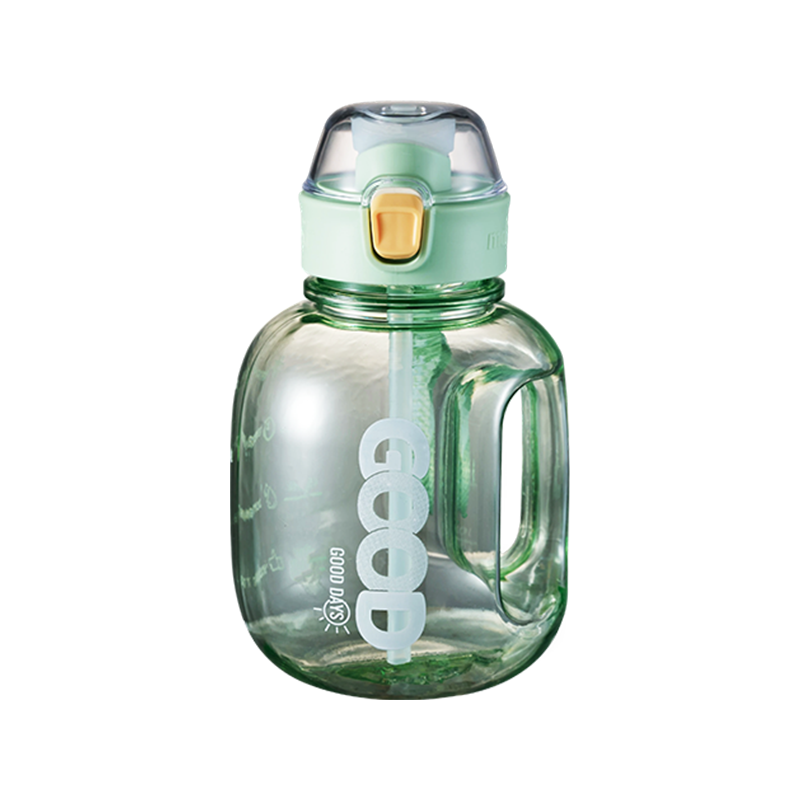
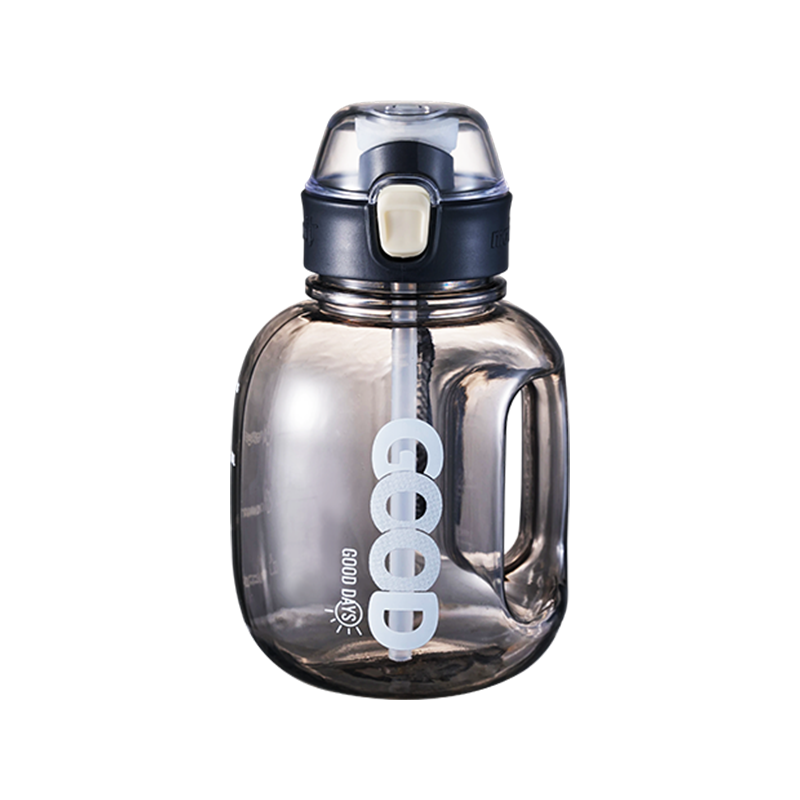
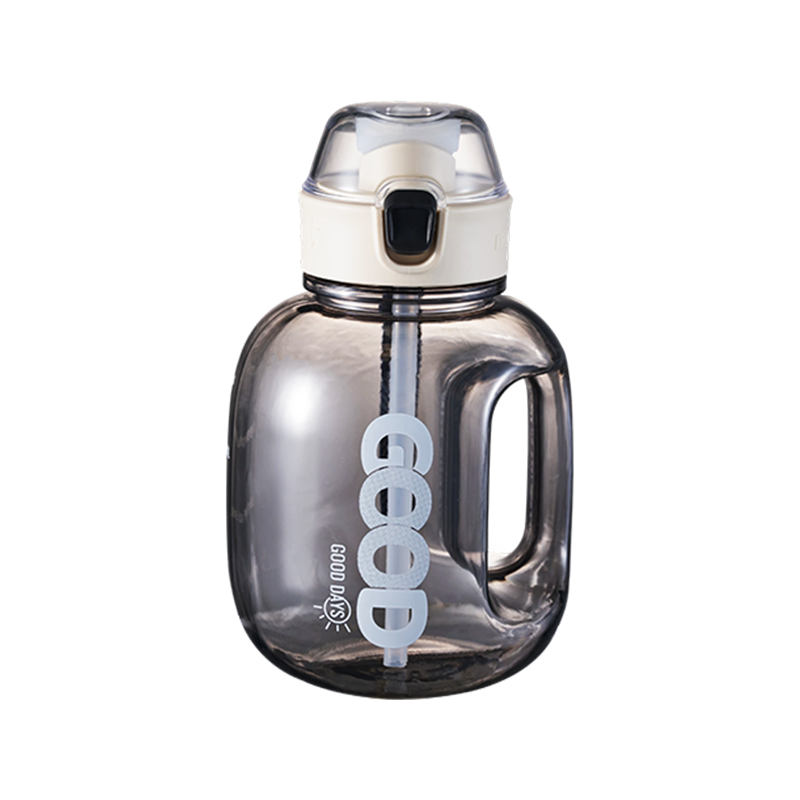
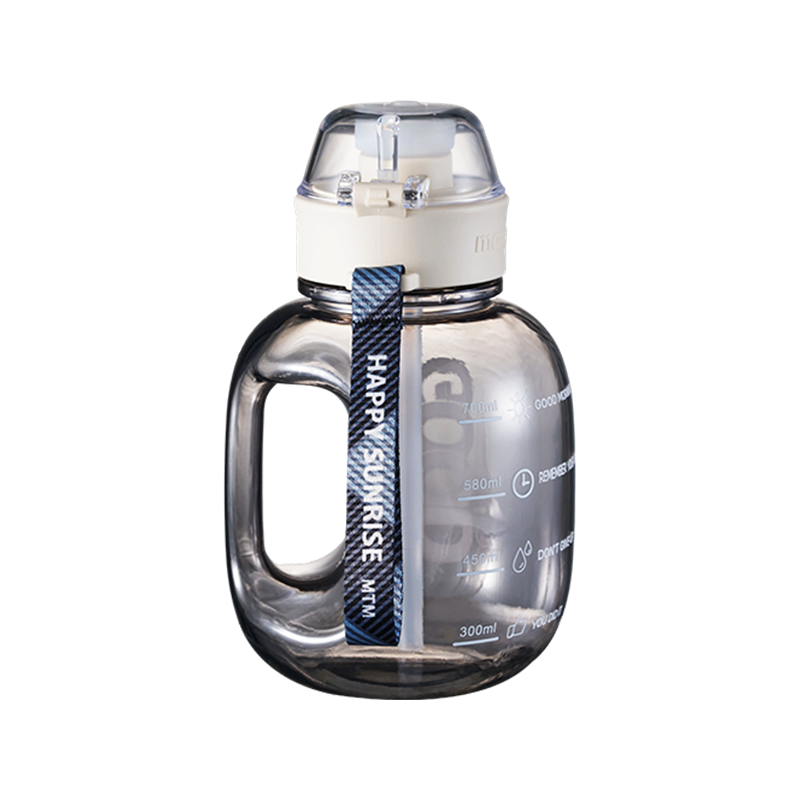
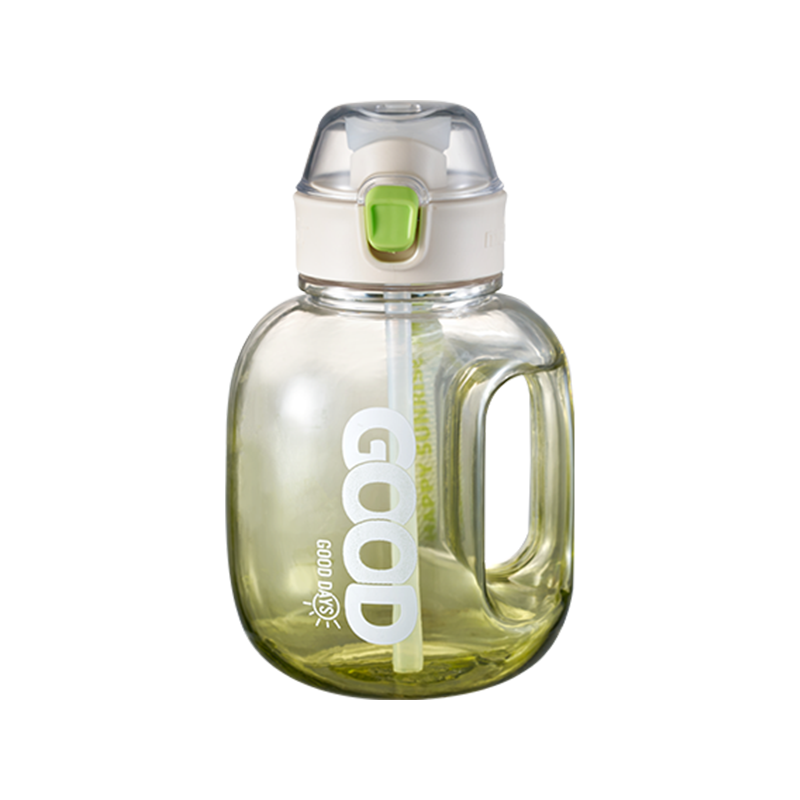
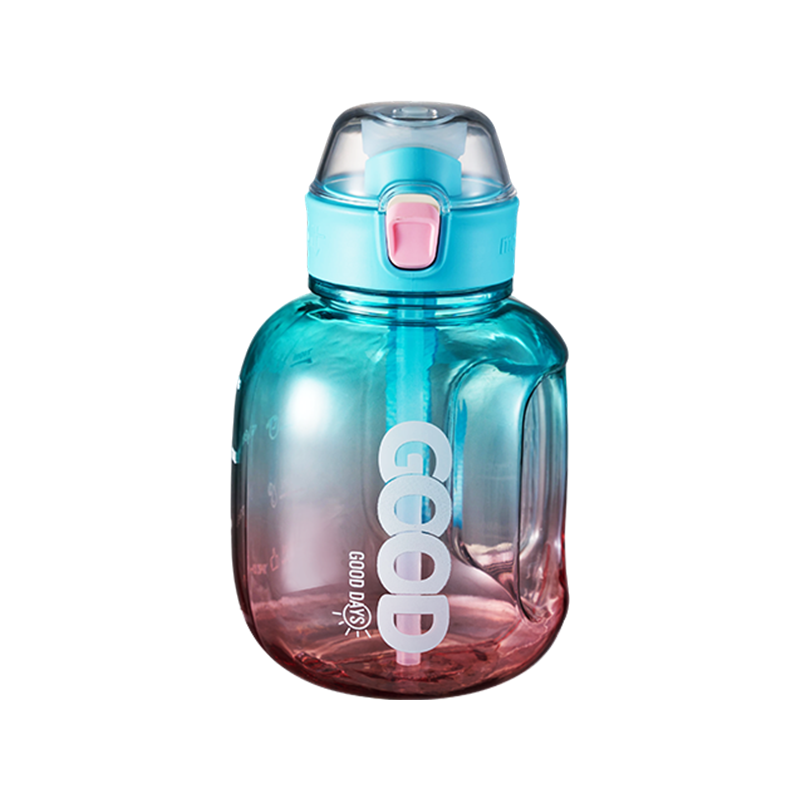
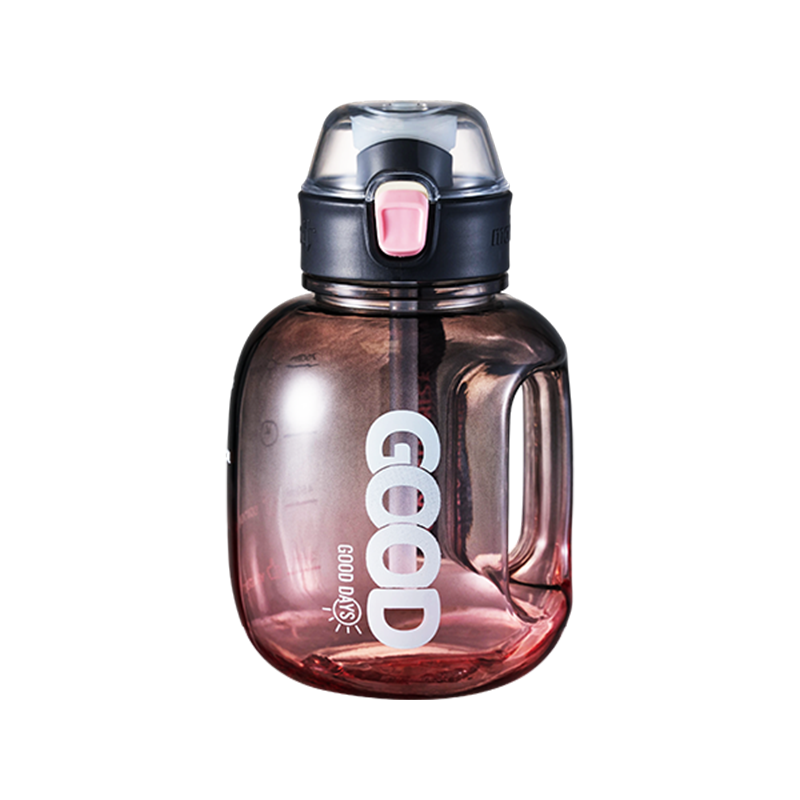
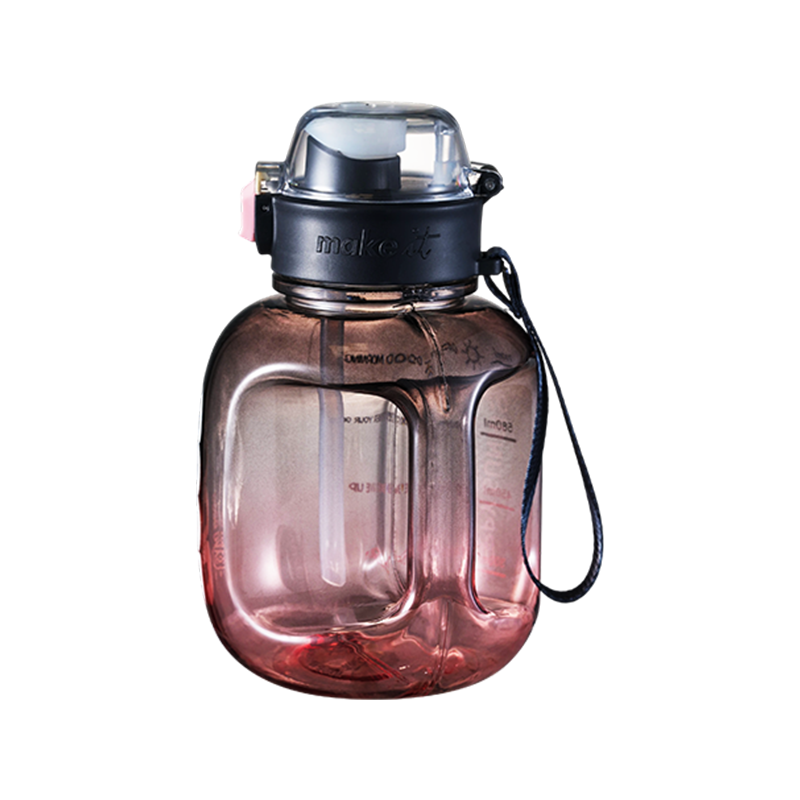
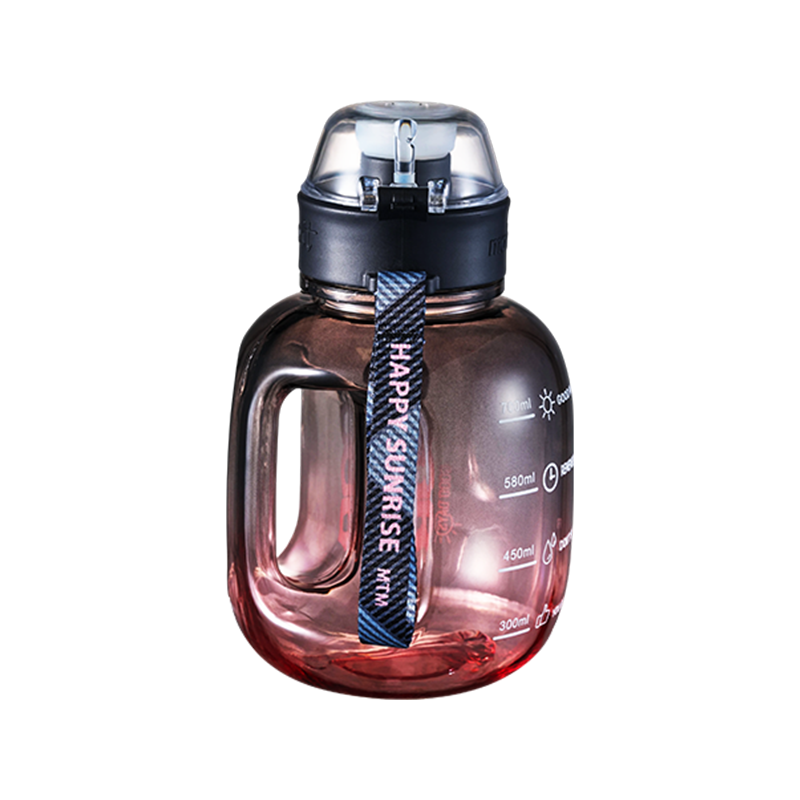
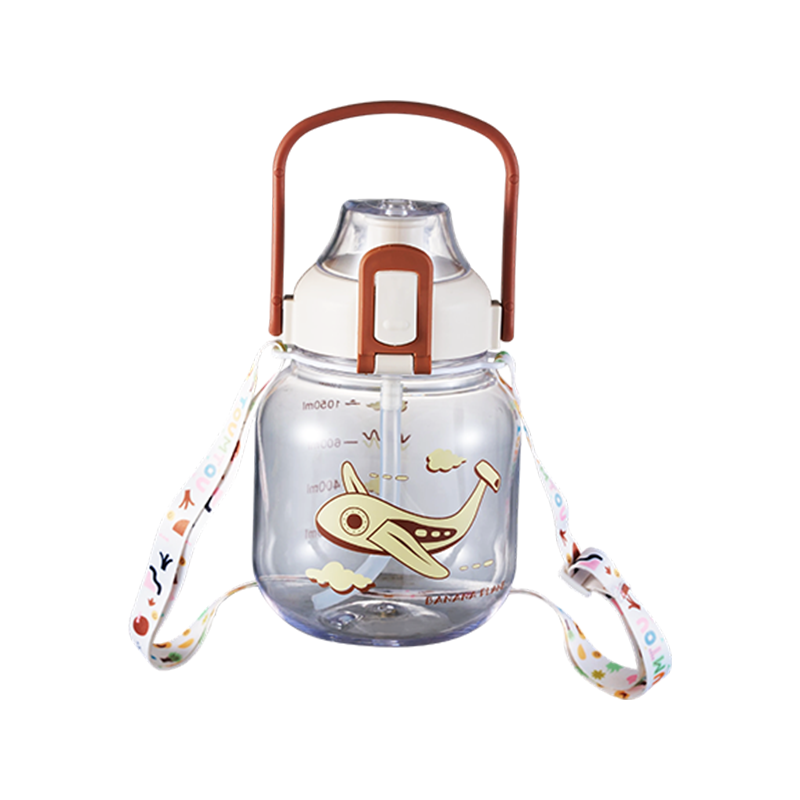
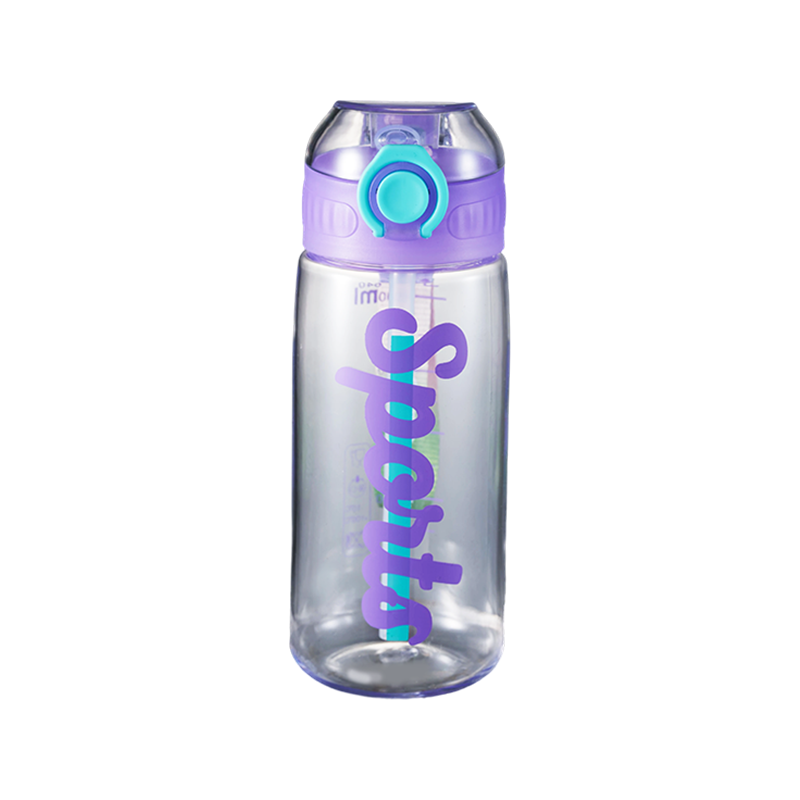
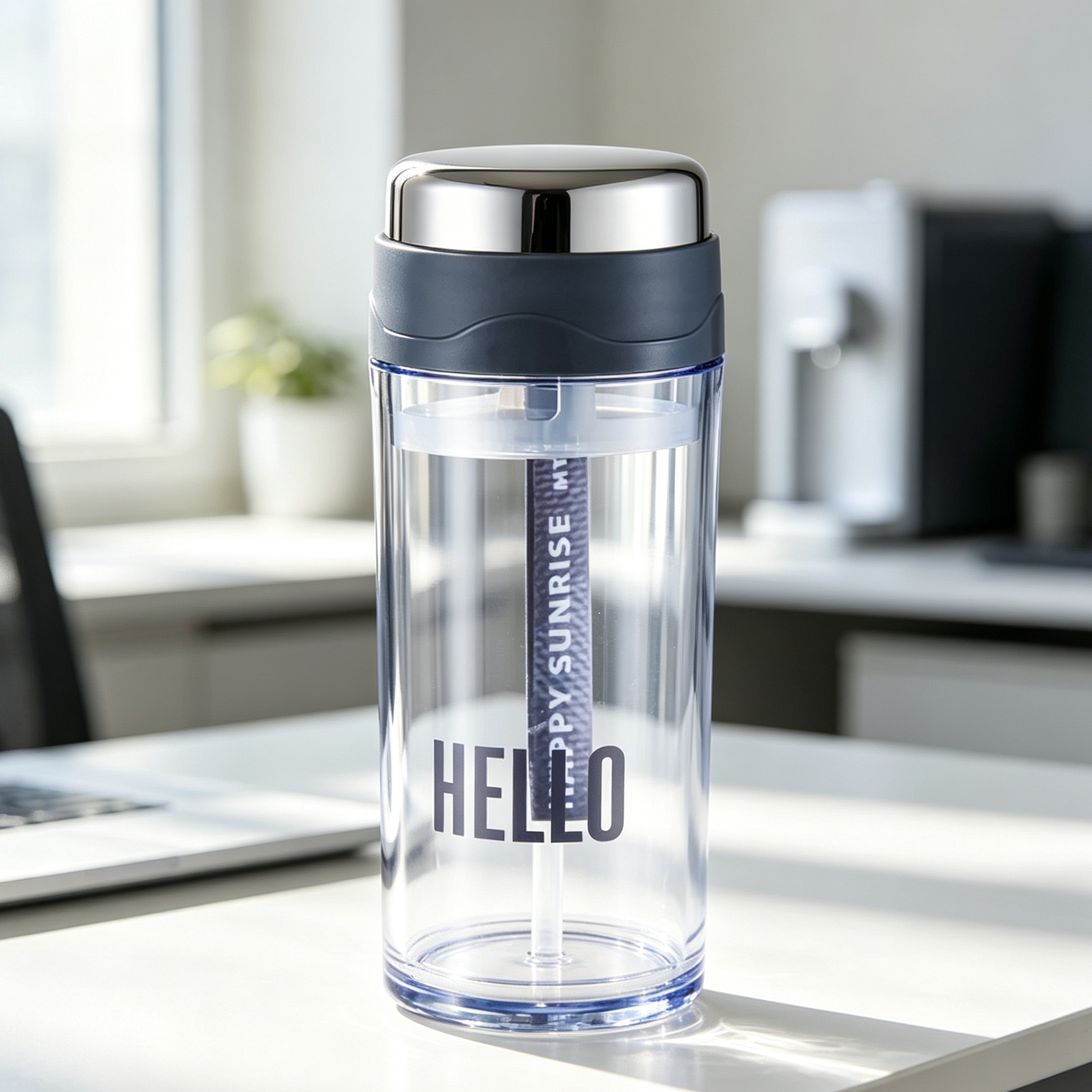
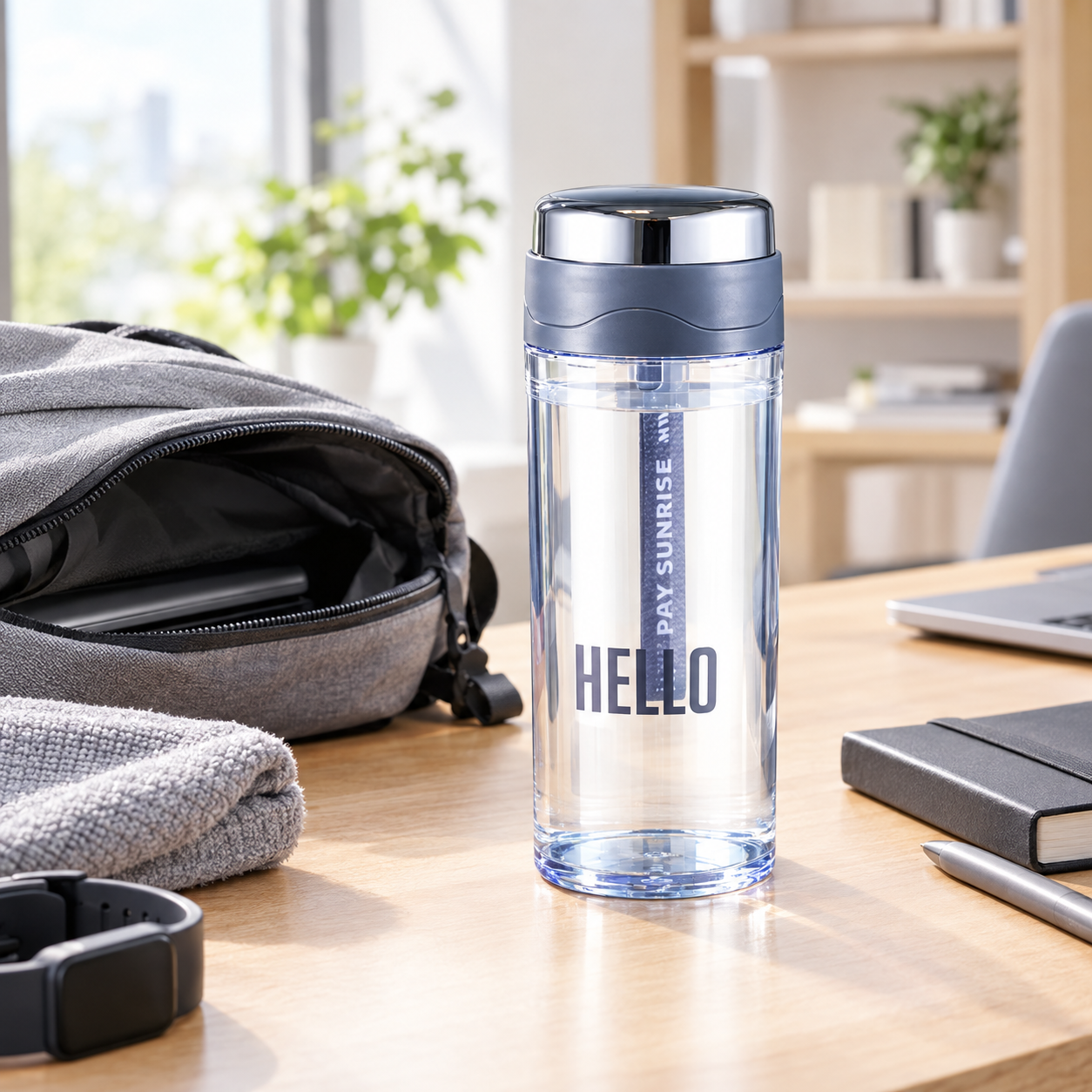
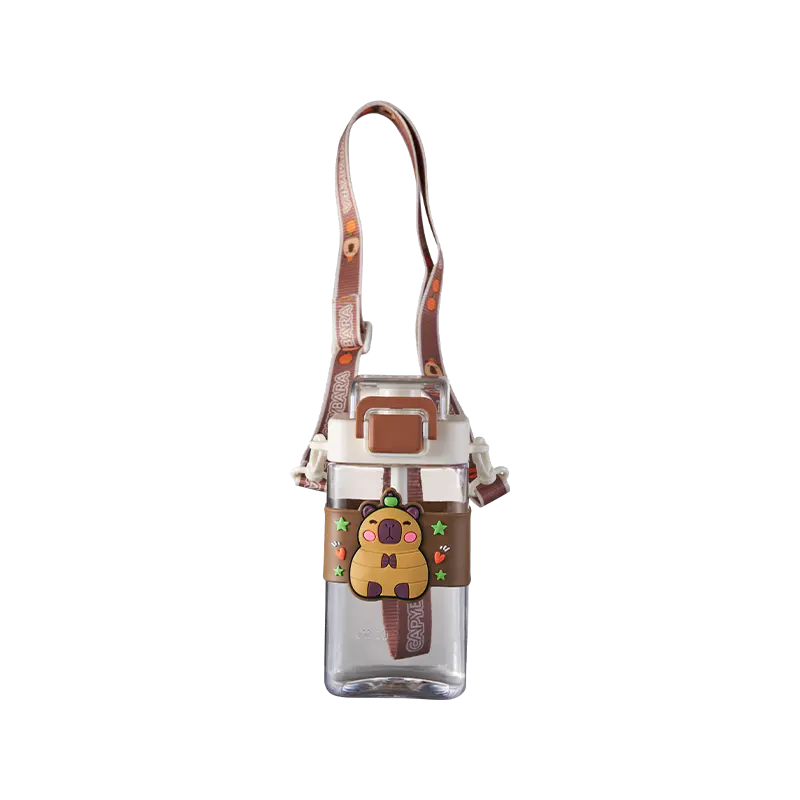
For manufacturers, the challenge is creating a shape that meets the intended use without adding unnecessary complexity to production down the line. A Water Bottle Plastic with Straw, Straw Plastic Bottle, or PP Plastic Water Bottle may have genuinely different structural requirements, even when all three are designed to hold and dispense drinks in similar ways.
Understanding the connection between shape and material can therefore help designers and manufacturers make more informed decisions well before production even begins.
Why Does Bottle Shape Affect Plastic Material Use?
Plastic doesn't occupy a bottle evenly simply because the bottle looks symmetrical when you glance at it. Different sections of a container may experience genuinely different forming conditions during production, depending on where they sit on the mold.
A wide body, narrow neck, curved shoulder, and base each create a different part of the overall structure with its own demands. The shape also determines how much surface area needs covering by the material in the first place.
A larger body naturally requires more material than a smaller one, but the relationship isn't always straightforward once curves enter the picture. Curves, corners, recesses, and changes in thickness can also affect how the material actually gets distributed across the mold.
Bottle Shape Feature
Design Consideration
Wide body
Creates a larger main surface
Narrow neck
Requires a controlled transition
Curved shoulder
Connects different sections smoothly
Flat side
Can support handling and positioning
Shaped base
Influences stability and structure
For this reason, bottle design and material planning need to develop together, rather than in sequence. Changing the shape after the production process has already been established may affect several other parts of the product unexpectedly.
How Does Body Shape Influence Material Distribution?
The main body usually represents a genuinely large part of the bottle surface overall. Its shape can therefore have a noticeable relationship with material use throughout the container.
A simple cylindrical body creates a relatively consistent surface running top to bottom. A bottle with deep curves or changing widths creates a lot more variation across the structure as a whole.
Designers may use curves to improve handling or create a particular appearance that stands out on a shelf. Every change in shape, though, needs to work with the material and manufacturing process behind it.
A body that becomes narrower toward one area may require genuinely different attention from a body that maintains a similar width throughout its length. This doesn't mean simple shapes are always preferable over more detailed ones.
The intended function of the bottle should guide the design from the start. A PP Plastic Water Bottle, for example, may get developed for repeated everyday handling around the house, while another plastic bottle may focus more on portability or a particular visual form meant to catch the eye.
The important point throughout stays that the shape should have a genuinely clear purpose behind it.
What Role Does the Bottle Shoulder Play?
The shoulder is the area between the main body and the neck, sitting at a genuine turning point in the container. It may look like a small design detail at first glance, but it creates an important transition between two sections with quite different shapes.
A sudden change from a wide body to a narrow neck can make the transition genuinely more difficult to manage during forming. A smoother shoulder creates a gradual connection between these two areas instead.
The shoulder shape also influences how the bottle looks once filled and held up to the light. Designers may choose a rounded shoulder, a sharper transition, or another profile depending on the intended product appearance they're going for.
Each choice affects how the plastic follows the bottle's form during production on the line.
Shoulder Style
Design Effect
Rounded transition
Creates a softer connection
Short transition
Produces a compact upper section
Broad transition
Changes the relationship between body and neck
Defined shoulder
Creates a noticeable visual boundary
The shoulder therefore needs consideration as part of the complete bottle, rather than as an isolated section handled on its own.
Can a Narrow Bottle Use Material Differently From a Wide Bottle?
Bottle width changes the relationship between surface area, volume, and handling in ways that ripple through the whole design. A narrow bottle may be genuinely easier to hold with one hand while walking or driving.
A wider bottle may provide a larger internal space while creating a genuinely different grip in the palm. The shape also changes how the bottle interacts with surrounding packaging once it's boxed up for shipping.
A narrow body may leave more space around the product when placed with other items in a case. A wider shape can create a denser arrangement but may require genuinely different packaging considerations to account for that bulk.
From a manufacturing perspective, the body shape influences how plastic forms across the surface during the molding process itself. This is why designers often consider the complete profile before deciding on the final material structure they'll commit to.
The same principle applies to a Straw Plastic Bottle as well. The presence of a straw system may influence the upper design, but the body still needs to function as a complete container on its own.
How Does Bottle Base Shape Influence Material Use?
The base has a genuinely important structural role because it supports the bottle whenever it gets placed on a surface. A flat base provides a clear contact area that resists tipping.
Other base shapes may use curves or recessed sections to create a particular appearance or structural arrangement instead. The base also needs to connect naturally with the side wall running up from it.
If the transition between the body and base changes too sharply, material distribution may become genuinely more complicated during production on the mold. A well-planned transition allows the body and base to function as connected parts, rather than two separate pieces stuck together.
Base Feature
Product Consideration
Flat contact area
Supports stable placement
Curved section
Creates a softer transition
Recessed center
Changes the internal and external profile
Reinforced shape
Can support the lower structure
The base is therefore not simply the bottom of the bottle sitting there passively. Its shape contributes to how the entire container stands and responds to handling day after day.
Why Do Curves Matter in Bottle Design?
Curves can make a bottle genuinely easier to hold or give it a distinctive appearance that sets it apart from competitors. They can also help connect sections with quite different widths running along the same container.
Every curve, though, changes the surface it touches in some way. A gentle curve may create a smooth transition, while a sharp change in direction can create a genuinely more demanding production area to manage.
For manufacturers, the question isn't whether curves should get used at all. It's where they serve a genuinely useful purpose and how they fit into the overall design as a whole.
This proves especially relevant for custom bottle development requested by a specific client. A buyer may request a particular body shape to match a product concept, but the proposed shape still needs translation into a practical manufacturing structure that actually works on the line.
The design team can review the relationship between the outer profile and material distribution well before production begins in earnest.
How Does Bottle Shape Affect a Water Bottle Plastic with Straw?
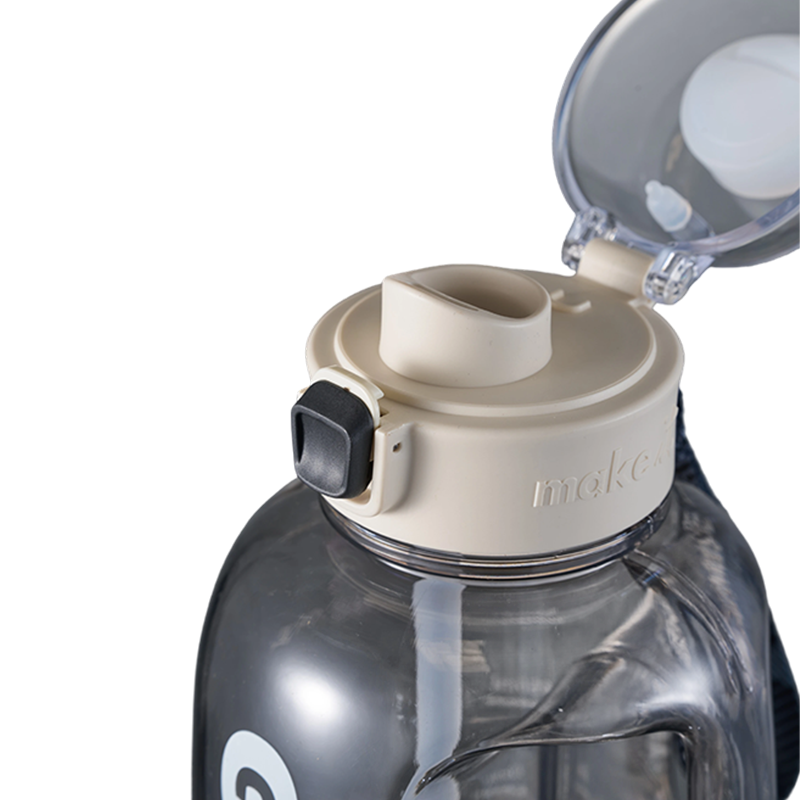
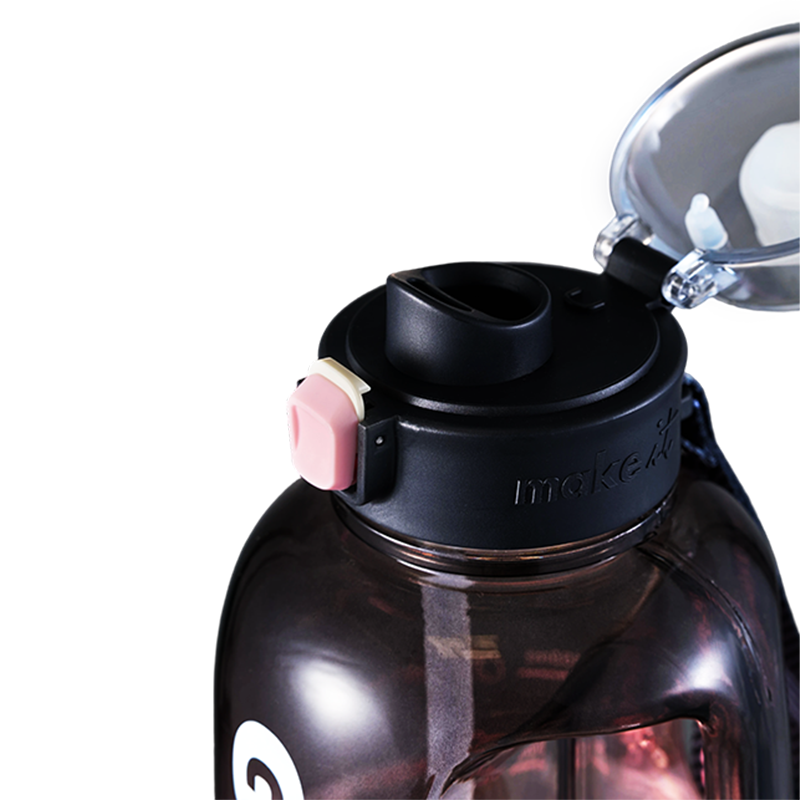
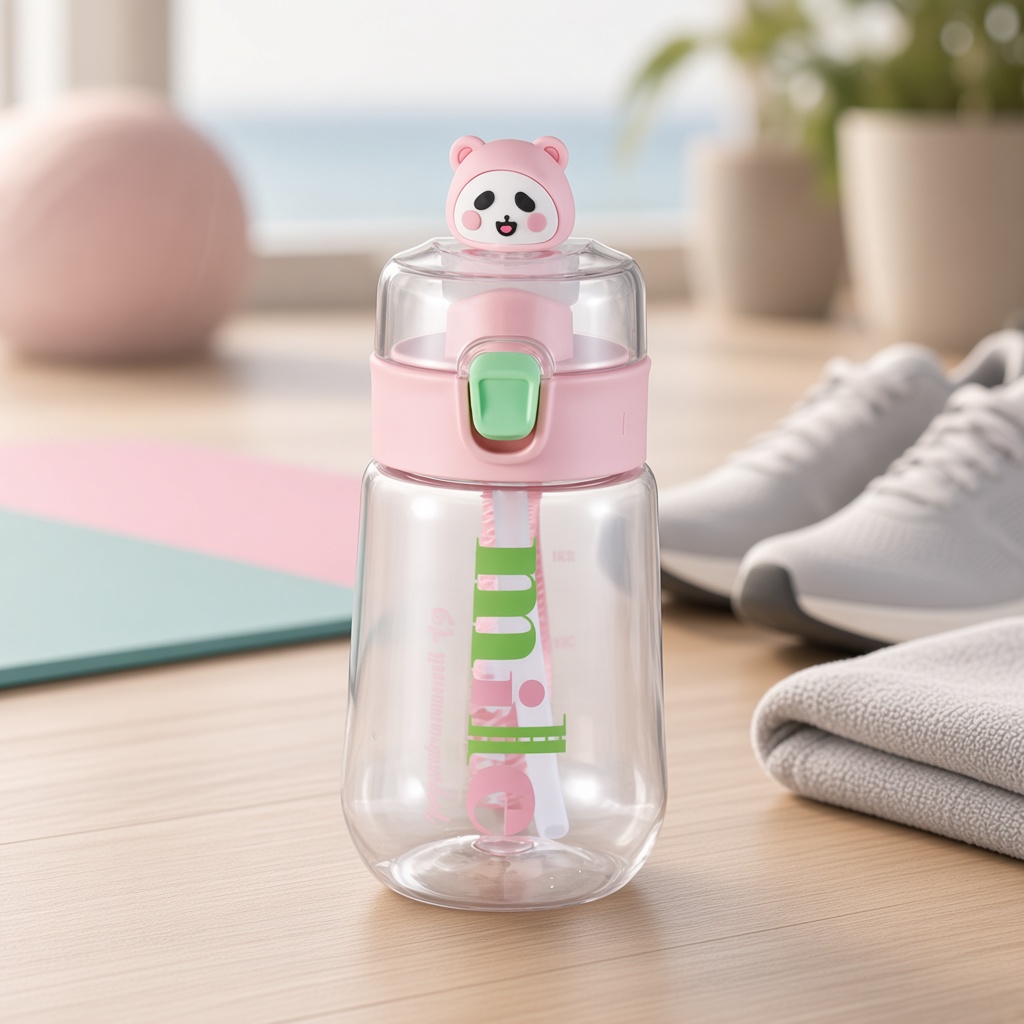
A Water Bottle Plastic with Straw has an additional design relationship between the bottle body and its drinking system layered on top. Although the straw itself isn't the focus here, its connection with the bottle can influence the shape of the upper section considerably.
The lid area, neck, shoulder, and body need to form a genuinely compatible overall structure that works as one piece. A tall, narrow bottle may create a quite different visual and handling experience from a short, wider bottle sitting beside it.
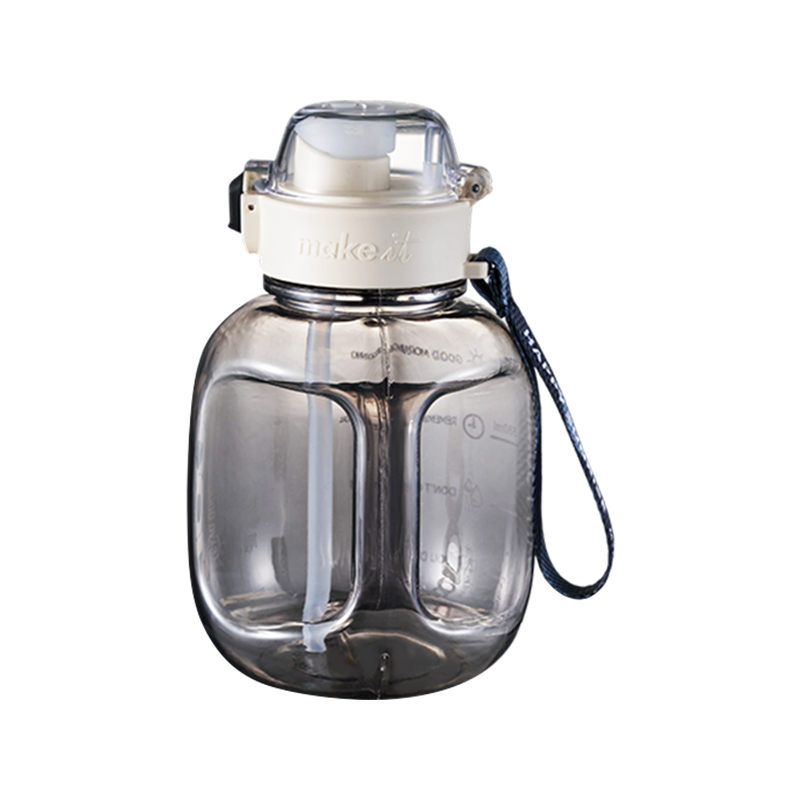
The body shape can also influence where users naturally hold the product without thinking about it. A recessed section may create a grip area, while a smooth cylindrical body may offer a genuinely different feel in the hand.
These decisions can affect material use because changing the outer shape changes the surface that needs forming during production. For manufacturers, the bottle should therefore get considered as one connected product, rather than a body with separate accessories added on later.
What Changes When Designing a Straw Plastic Bottle?
A Straw Plastic Bottle may be expected to support convenient drinking on the go, but its shape still needs to reflect the overall product concept behind it. The bottle body may be rounded, straight, tapered, or shaped around a particular grip area depending on the goal.
Each option creates a genuinely different relationship between appearance, handling, packaging, and material distribution across the piece. A designer may also want the bottle to fit naturally into a bag, holder, or storage area at home or in a car.
That requirement can influence the body profile quite a bit. A recessed section may improve handling but add another change to the bottle surface that needs planning. A straight body may simplify the external form but provide a genuinely different grip than a curved one would.
These choices show why material planning should begin with the intended product structure, rather than treating plastic consumption as a separate calculation done afterward.
How Does a PP Plastic Water Bottle Relate Shape to Manufacturing?
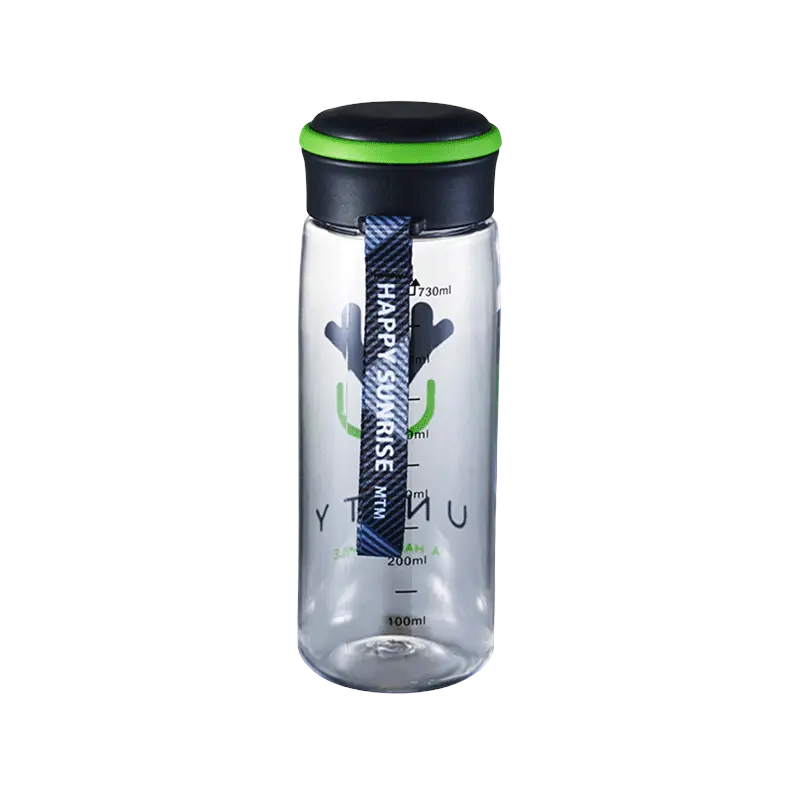
A PP Plastic Water Bottle can get developed in many forms, but the material and bottle geometry still need to work together throughout. Polypropylene gets used in various plastic products across many industries, and bottle design needs to account for the way the selected material behaves within the intended manufacturing process specifically.
Shape changes can influence how the material forms around the body, shoulder, neck, and base as it moves through the mold. For this reason, manufacturers may review the bottle profile as a series of connected areas, rather than one continuous shape treated as a single unit.
Bottle Section
Manufacturing Focus
Body
Consistent overall form
Shoulder
Smooth transition
Neck
Connection with the opening
Base
Stable contact area
Grip area
Relationship between shape and handling
The final design should provide a genuinely sensible relationship between these areas working together. A bottle can have an attractive appearance while still requiring changes before it becomes practical for production on a real line. Design review helps identify such issues a lot earlier in the process.
Can Changing Bottle Shape Reduce Unnecessary Material?
Material reduction doesn't simply mean making every section thinner or smaller across the board. A better approach involves examining whether each part of the bottle genuinely needs its current shape and structure at all.
An unnecessarily large body, for example, may use more material than required for the intended use it's meant to serve. A complex decorative curve may add production difficulty without providing a genuinely clear functional purpose to justify it.
Designers can review the bottle section by section rather than all at once. Examining the main body shape comes first, followed by reviewing the shoulder transition carefully.
Checking the neck relationship matters next, along with considering the base structure holding everything up. Identifying decorative features that change the surface helps too, and comparing the shape with the intended handling and packaging needs rounds out the review.
This type of review connects material planning with actual product requirements, rather than treating them as separate concerns. The goal isn't simply reducing material for its own sake. It's avoiding adding material through shapes or features that don't have a genuinely clear purpose behind them.
How Does Bottle Shape Affect Manufacturing Consistency?
A bottle design needs to be genuinely repeatable during production, batch after batch coming off the line. Complex shapes can create more areas that require careful control throughout the process.
Sudden changes in width, unusual curves, and multiple surface features may make production genuinely more demanding than a simpler profile would be. This doesn't mean complex designs can't get produced at all.
It means the design needs development with manufacturing in mind from the earliest stages. A manufacturer may review sample forms, adjust the shape, and consider how different sections connect before moving toward regular production runs.
Consistency also matters quite a bit once a product contains multiple components working together. A Water Bottle Plastic with Straw may involve a bottle body, opening, and drinking components all at once. Their dimensions and connections need to work together as part of one product, rather than fitting loosely.
Why Is Material Planning Important for Custom Bottle Design?
Custom products often begin with an appearance or usage concept sketched out on paper. A buyer may want a particular body profile, grip area, surface shape, or visual identity that matches their brand.
Turning that idea into a manufactured bottle requires a lot more than simply copying the outer appearance from a drawing. The shape needs review from several directions before it's locked in.
Custom Design Question
Manufacturing Relevance
How wide should the body feel?
Affects surface structure
Where should the bottle curve?
Changes material distribution
How should the shoulder connect?
Influences the transition
What should the base look like?
Affects stability and form
Which features are functional?
Helps control unnecessary complexity
This is exactly where design communication becomes genuinely important between buyer and factory. Clear drawings and product requirements can help manufacturers understand which parts of a customized shape are essential and which can get adjusted during development.
How Can Manufacturers Evaluate Bottle Shape Before Production?
A bottle design can get reviewed through its complete profile, rather than by looking only at a front view sitting on a desk. The body, shoulder, neck, base, and grip areas should get considered together as one connected system.
Manufacturers can ask practical questions throughout development to catch issues early. Does the body shape match the intended use it's meant for? Do the transitions between sections look genuinely natural once assembled?
Does the base provide suitable support for everyday placement? Are unusual curves serving a genuinely clear purpose, or just decoration? Does the design create unnecessary surface complexity that slows production down?
Can the shape work with the selected plastic material without fighting it? Can different components connect without forcing changes to the main body itself? These questions can help identify design conflicts before they become genuine production problems later.
The same structured approach gets used across many sewn, molded, and assembled products more broadly. A Knee Sleeves Factory, for example, may review panel shapes, seam positions, and material connections when producing Custom Knee Sleeves for a client. Although the product category is entirely different, the underlying manufacturing idea stays similar: changes in shape and structure need consideration before the product reaches regular production.
How Can Bottle Design Balance Appearance and Material Use?
Bottle design sits between visual identity and manufacturing practicality, pulled in two directions at once. A simple shape may be genuinely easy to understand and handle, while a more detailed profile can create a distinctive product character that stands out.
Neither approach should get selected without considering the intended use it's meant to serve. The relationship between shape and material becomes genuinely clearer once the bottle gets divided into functional sections rather than viewed as one blob.
The body needs to provide the main container space holding the liquid. The shoulder needs to connect the body with the neck smoothly. The base needs to support placement on any surface, and the grip area, when included, needs to relate to how users actually hold the product day to day.
Each change affects the whole structure in ways that ripple outward. For manufacturers developing a Straw Plastic Bottle, PP Plastic Water Bottle, or another plastic container, this means material planning should begin alongside shape development, rather than after the appearance has already been fixed in stone.
When designers understand how each curve, transition, panel, and structural section affects the product, they can make shape decisions with the complete manufacturing process genuinely in mind from the start.
READ MORE



 English
 عربى
عربى