

 English
 عربى
NEWS
Home > News > Industry News > How Can Manufacturers Prevent Mold and Bacteria Buildup in Straw Plastic Water Bottle Systems?

Straw-equipped water bottles are convenient, but their design can make cleaning more difficult than it looks. Liquid often remains inside the straw after drinking, while small amounts of residue can collect around silicone mouthpieces, valves and lid connections. When these parts stay damp between uses, they can become places where mold and bacteria grow.
For manufacturers, this problem starts long before a bottle reaches the customer. The shape of the straw, the way components connect and the materials used all affect how easily the bottle can be cleaned. A hygienic Straw Plastic Water Bottle should be designed so that users can reach the parts that come into contact with beverages, wash them properly and let them dry.
Identify the Areas Where Residue Gets Trapped
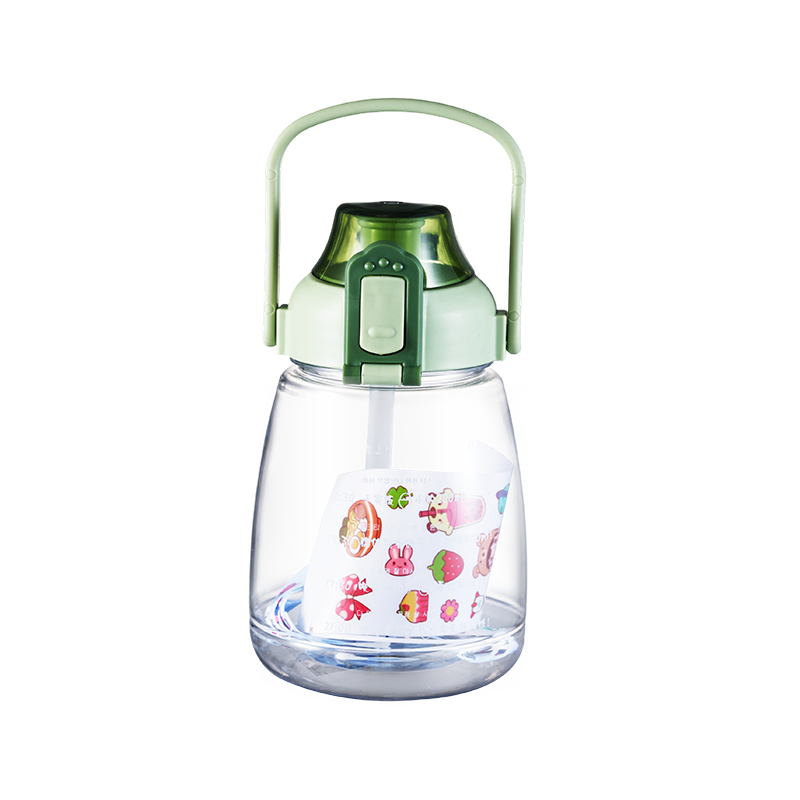
Not every part of a straw bottle is equally easy to clean. The open surfaces of the bottle body are usually accessible, but narrow passages and small connections can retain liquid.
Common trouble spots include:
These areas deserve attention during product development. Simply rinsing the bottle may not remove residue from narrow tubes or concealed joints. If moisture and organic matter remain for long periods, microbial growth becomes more likely.
Make the Straw and Lid Components Removable
A bottle with a permanently assembled straw system can be frustrating to clean. Users may rinse the bottle body regularly while overlooking the inside of the straw or the underside of the mouthpiece.
Detachable components make these areas easier to reach. Manufacturers can consider removable straws, separate silicone mouthpieces, accessible valve assemblies and sealing rings that can be taken out for washing.
There is a balance to maintain, however. Parts should come apart without excessive force but remain firmly connected during normal drinking. Loose fittings can cause leaks or allow components to detach unexpectedly.
It also helps to consider how consumers will clean the parts. A straw with an opening too narrow for commonly available cleaning brushes may still be difficult to maintain, even if it can be removed from the lid.
Choose Materials That Tolerate Repeated Washing
The materials used in a straw bottle need to withstand regular contact with beverages and cleaning products. Polypropylene (PP), polyethylene (PE) and other food-contact polymers are commonly used for bottle components. Silicone is often selected for flexible mouthpieces, valves and seals.
Manufacturers should check more than food-contact suitability when selecting these materials.
Food-grade material does not automatically prevent mold or bacterial growth. Scratched surfaces, inaccessible joints and poor drying conditions can still create hygiene problems. Material selection needs to be considered alongside the actual product design.
Avoid Complicated Internal Structures
Straw geometry has a direct effect on cleaning. Long, narrow passages and unnecessary bends make it harder to remove residue with a brush. Small cavities around valves and connectors can create similar problems.
During design, manufacturers should look for ways to simplify the internal structure. A suitable straw diameter, fewer sharp transitions and accessible connections can make routine cleaning easier. Smooth internal surfaces also help, while molding defects, excess plastic and rough edges may create places where residue collects.
Design teams should physically disassemble and clean prototypes before approving the structure. A component may look easy to clean in a 3D drawing but prove awkward to reach once assembled.
Design Features That Make Cleaning Easier
| Design feature | Hygiene benefit | What manufacturers should check |
|---|---|---|
| Removable straw | Gives access to the entire straw interior | Connection strength and ease of removal |
| Detachable silicone valve | Allows residue to be cleaned from hidden areas | Avoid complicated folds and gaps |
| Smooth internal surfaces | Reduces places where deposits can collect | Control molding quality and surface finish |
| Accessible sealing rings | Makes cleaning around seals easier | Keep grooves simple and easy to reinstall |
| Brush-compatible straw | Allows cleaning along the full tube | Balance diameter with drinking comfort |
| Dishwasher-compatible parts | Provides another cleaning option | Verify temperature and detergent resistance |
Test How Well the Bottle Can Actually Be Cleaned
Material tests alone cannot show whether a finished bottle is easy to keep clean. Manufacturers should test the assembled product using representative beverages and realistic cleaning routines.
A practical evaluation can include residue removal tests, repeated washing cycles, leakage checks and inspections of the straw, mouthpiece and valve after use. Where microbiological performance is being assessed, appropriate laboratory testing should be carried out under controlled conditions.
Test records should specify the beverage, contact time, cleaning method and washing temperature. This makes it easier to compare different designs and identify components that need to be changed.
Repeated washing tests are particularly useful. They can reveal whether silicone parts become damaged, seals lose their fit or plastic surfaces deteriorate after regular cleaning.
Keep Manufacturing and Assembly Clean
Even an easy-to-clean design can have hygiene problems if components are contaminated during production or packed before they are properly cleaned.
Manufacturing inspections should cover incoming materials, injection-molded parts, component cleaning and final assembly. Particular attention should be paid to flash, rough edges, residue around connectors and defects on beverage-contact surfaces.
For larger production runs, manufacturers should retain batch records and establish clear inspection procedures. If a problem appears in finished bottles, traceability makes it easier to investigate whether it came from a material batch, molding process or assembly stage.
Give Consumers Practical Cleaning Instructions
The bottle's design can make cleaning easier, but everyday care still matters. Manufacturers should explain which parts can be removed, how to clean the straw and whether the components are suitable for dishwasher use.
Instructions should cover washing with suitable detergent, using an appropriately sized brush for internal passages, rinsing thoroughly and allowing all parts to dry completely before reassembly. Damaged or deteriorated mouthpieces, valves and seals should be replaced rather than continued in use.
Dishwasher instructions also need to be specific. Not every plastic or silicone component can tolerate the same washing temperature, so consumers should follow the limits stated for the product.
Design Hygiene Into the Bottle From the Start
Mold and bacterial buildup in straw bottles is often associated with the places users find hardest to clean: narrow tubes, valve assemblies and concealed lid connections. Making these parts accessible, choosing durable materials and avoiding unnecessary cavities can reduce many of the practical cleaning difficulties.
For manufacturers, prototype cleaning trials are worth carrying out before tooling and mass production are finalized. They reveal whether consumers can actually reach and wash the internal components, rather than simply assuming that a detachable design will be easy to maintain.
Copyright © Taizhou Huangyan Zuohao Plastic Factory.
All Rights Reserved.