


 English
 عربى
News

Water Bottle Colour Assortments: Specify the Mix Before Bulk Packing
A purchase order for assorted water bottles can sound clear until production and packing begin. Does assorted mean an equal split, a fixed ratio or whatever colours are available? Does the colour refer to the bottle body, the lid or both? Water bottle colour assortments need a written map connecting the approved configuration with quantities and cartons.
For brands, importers and distributors, this is a stock-control decision as well as an appearance decision. A precise assortment record helps retail replenishment, online fulfilment and receiving inspection. It also gives the supplier a practical basis for quoting and identifying any proposed changes before goods are packed.
Define the bottle configuration before the colour mix
Start with the model and its complete set of parts. Identify the bottle body, lid, handle or strap, infuser and any supplied accessories. Do not assume that a lid colour shown in one photograph is available with every body or capacity in the range.
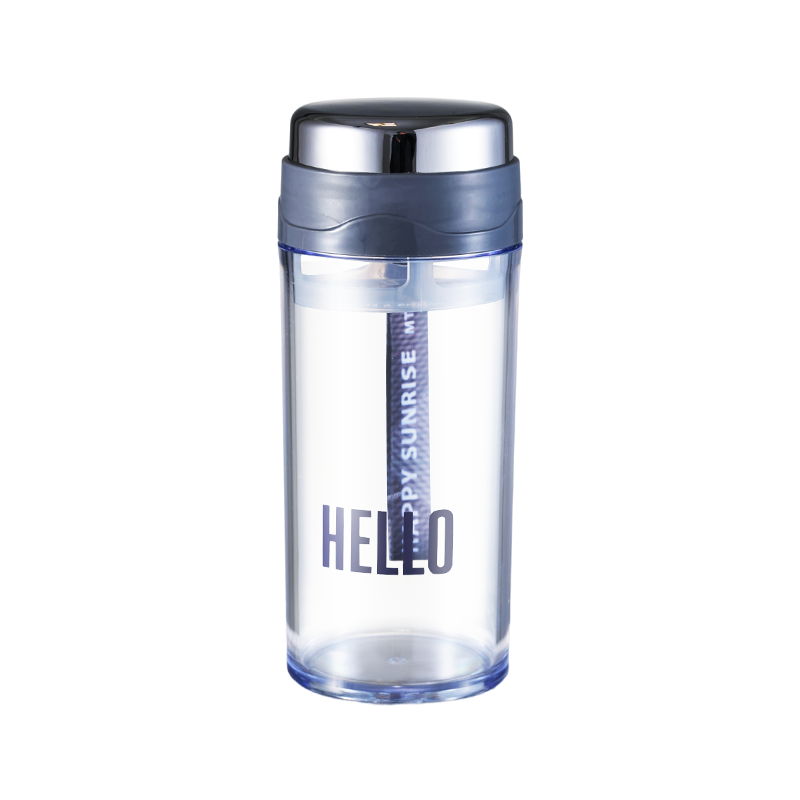
When reviewing the plastic infuser bottle range, confirm the offered combination for the selected model. An image is a useful visual reference, but the quotation should state what is actually included. Keep structural options separate from colour options so a substitution does not quietly change the product configuration.
If transparent, translucent and opaque parts are offered, describe them distinctly. They can create different appearances even when a similar colour name is used. Ask the supplier how the proposed finish and colour will be represented in the approval sample.
Approve a reference that purchasing and production share
Colour names such as blue or grey are convenient labels but weak production references. Agree how the colour will be specified for the actual material and surface. A physical sample can be useful where appearance is important; retain its identity and approval date with the order.
Digital photographs help communicate the intended combination but screens and lighting can change the impression. Where an agreed colour reference system is used, confirm how it relates to the moulded component rather than assuming that a screen swatch defines the finished result.
Review the assembled bottle as well as separate pieces. The appearance of a lid against a clear body can differ from its appearance on a white background. Keep the complete approved combination available to the person checking production samples and repeat deliveries.
Turn the assortment into explicit SKU quantities
Assign a stock reference to each approved combination. Record its quantity rather than relying on the word assorted. An equal split should be stated explicitly, including how any remainder is handled when the order quantity does not divide evenly.
For a ratio-based order, show both the ratio and the resulting unit quantities. Purchasing and production should not have to calculate different totals independently. If colour availability or minimum order arrangements affect the split, resolve those details before approval instead of leaving packing staff to choose.
Keep replacement seals, lids or other service components aligned with the relevant model where they are included. Colour similarity does not establish part compatibility. A revised accessory reference may require a change to the SKU record even when the outside bottle looks unchanged.
Build a bottle colour packing plan
| Planning field | What to specify | Who needs it |
|---|---|---|
| Product configuration | Model, capacity and included parts | Supplier and purchasing team |
| Colour reference | Approved sample or agreed identifier | Production and quality team |
| SKU quantity | Units for each complete colour combination | Planning and stock control |
| Inner-pack mix | Single colour or exact mixed arrangement | Packing team and retailer |
| Master-carton mix | Colour quantities per carton type | Warehouse and receiving team |
| Identification | Labels and packing-list references | Fulfilment and distribution team |
Use a separate line for every carton arrangement. If most cartons contain one mix but the final carton contains a balance, describe that balance explicitly. The packing list should make it possible to reconcile total quantities without opening every carton.
Choose mixed or single-colour cartons deliberately
Mixed colour bottle cartons can suit a retailer that replenishes a fixed assortment. Single-colour cartons may be more useful where orders are picked by individual SKU. Neither arrangement is automatically better; choose the method that matches the destination's stock-handling process.
Tell the supplier whether cartons will be sent directly to stores or opened in a central warehouse. A mixed inner pack that works for store allocation can create extra sorting work for online fulfilment. Consider the full route before approving a packing arrangement based only on total carton count.
Include labels in the review. A carton marked only assorted bottle may not tell receiving staff which mix is inside. Agree the product reference, colour quantities and any customer label requirements, and keep sensitive internal purchasing information off consumer-facing packaging.
Control changes between sample and shipment
Require approval for a change to the agreed colour combination or packing ratio. A substitute may look acceptable to production staff but conflict with product photography, an online listing or a retailer's assortment plan. Record the decision and update the affected references together.
Receiving inspection should compare the shipment with the approved map. Check the identity of sampled units, the assembled colour combination and the carton mix. Use an agreed sampling arrangement rather than describing a few opened cartons as confirmation of every unit.
Retain the final packing record for repeat orders. A later enquiry can then identify the previous combination precisely instead of asking for the same assorted colours. If the product or available colours have changed, the supplier can flag the difference against a clear reference.
Send an assortment request that can be packed
- Identify the exact bottle model and supplied components.
- Approve colour references for each assembled combination.
- List unit quantities for every SKU.
- Define the inner-pack and master-carton mix separately.
- Agree carton identification and packing-list details.
- Require written approval for changes to colours or ratios.
A complete colour map connects appearance approval with warehouse quantities. Send the intended retail or distribution arrangement with the enquiry so the supplier can review the combination and packing structure together, before the order becomes a set of mixed cartons.
Related Products
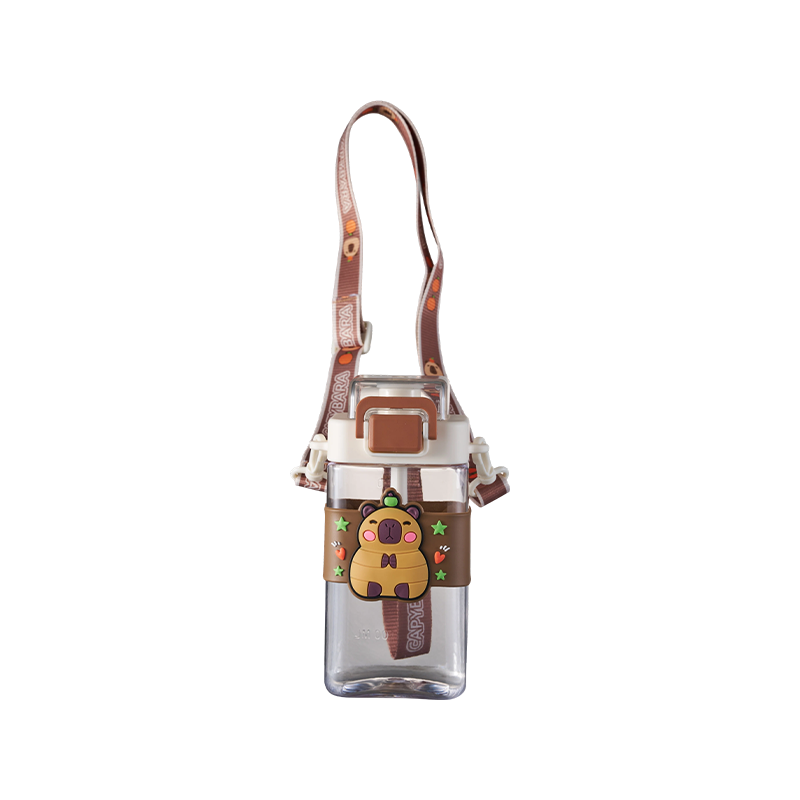
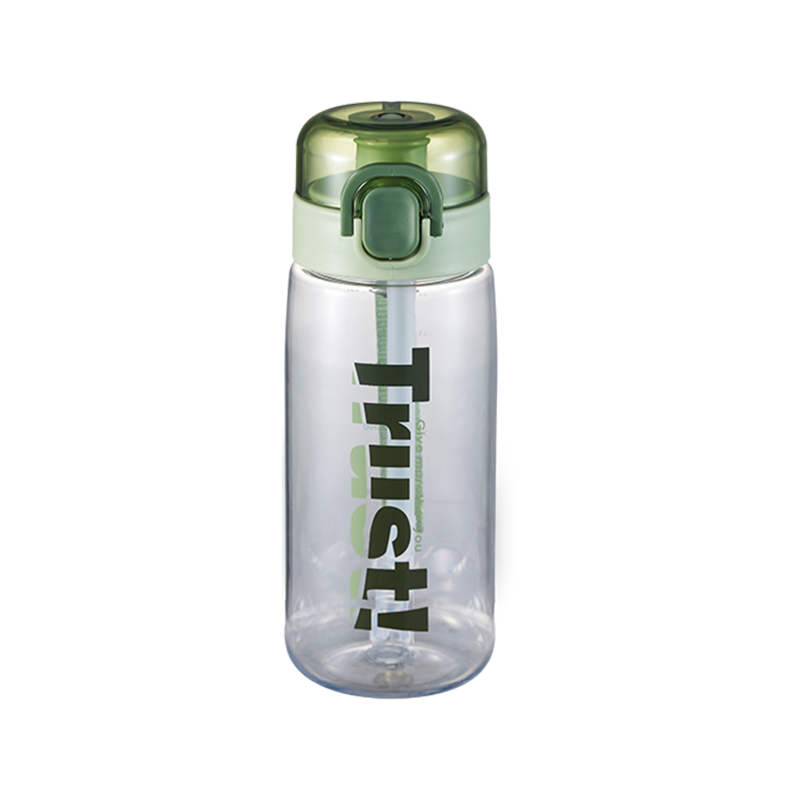
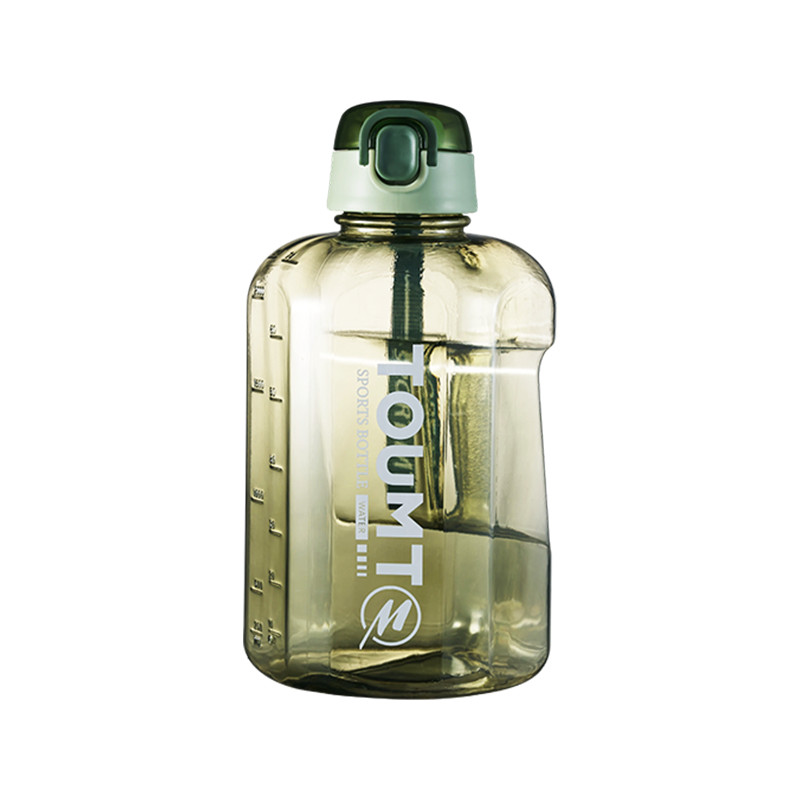
We specialize in the production and sales of plastic water cups, and also provide customization services
and comprehensive after-sales support.
QUICK LINKS
CONTACT US
- Address:No. 1 Shuangyou Road, Nancheng Street, Huangyan District, Taishan City, Zhejiang Province
- Tel: +86-19957687783
- Email: [email protected]
- Whatsapp: +86-19957687783
MOBILE
Copyright © Taizhou Huangyan Zuohao Plastic Factory.
All Rights Reserved.
