

 English
 عربى
NEWS
Home > News > Industry News > What Should Manufacturers Test Before Mass Producing Plastic Sport Water Bottle Products?

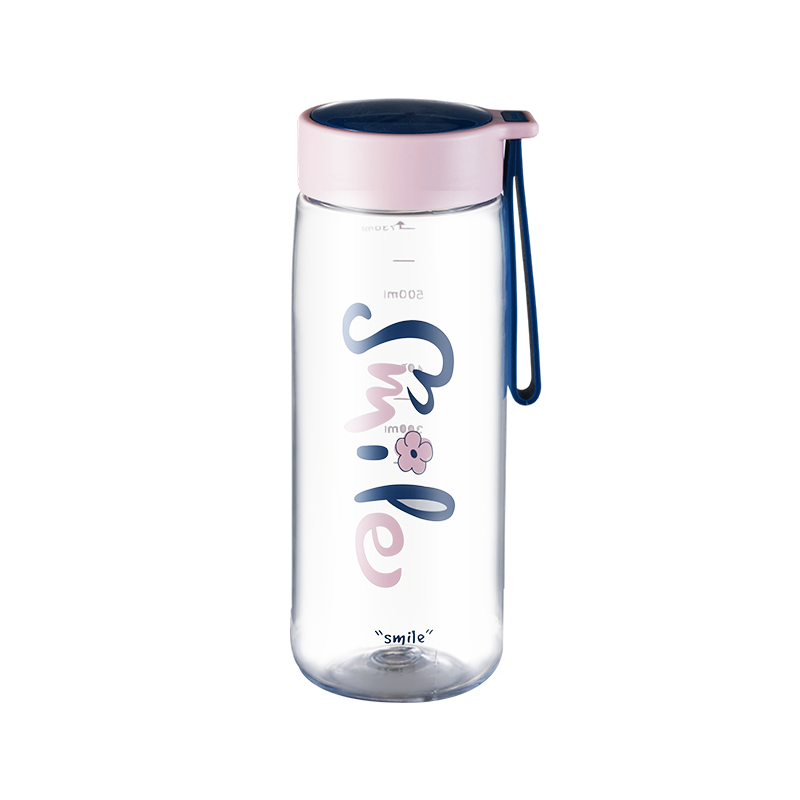
A sport water bottle leads a rough life. It gets shoved into backpacks, dropped on gym floors, left in hot cars, and washed more times than anyone bothers to count. So before a manufacturer jumps from prototype to full-scale production, there's a long list of things that need proving. Looks don't matter much if the cap leaks or the plastic cracks after a month. Testing is how you catch design flaws while they're still cheap to fix—not after thousands of units have shipped.
For B2B buyers, understanding these quality checks makes supplier evaluation a whole lot easier. It also gives you a solid basis for setting product specifications.
Verify Raw Material Quality and Food Contact Safety
Start with the plastic. Sports bottles typically use Tritan copolyester, polypropylene (PP), polyethylene (PE), or PET. Each material behaves differently, so what works depends on how the bottle will be used, what temperatures it'll face, and how it's designed.
Manufacturers need to verify raw material specs and pull together the relevant food-contact compliance documents. Testing might cover overall migration and specific migration under conditions that mirror actual use. Don't overlook lids, straws, silicone seals, and printed decorations—they often use different materials and come with their own compliance requirements.
A BPA-free label isn't proof of complete food-contact safety. Assess the actual formulation and finished product against the regulations that apply in your target market. One claim on a spec sheet doesn't tell the whole story.
Test Bottle Strength and Impact Resistance
Sports bottles get carried in backpacks, gym bags, outdoor gear. Drops happen. Repeated handling takes a toll. Cracks, deformation, damage around the neck—all common. Impact testing shows how the product handles mechanical stress. Run samples from defined heights and orientations, then inspect the body, base, cap, and connection points. Compression testing reveals whether a bottle keeps its shape under external pressure—useful for products stuffed into tight bags or packed into bulk cartons. Document the test conditions so results can be compared across batches.
Evaluate Leakage and Lid Sealing Performance
Leakage is the problem you want to catch before mass production, not after. Even a structurally sound bottle fails if the cap, gasket, or spout is poorly designed.
Checks worth running:
Test different orientations and realistic usage conditions. Flip-top lids, push-pull spouts, integrated straws—they may need additional functional checks.
Assess Temperature Resistance and Repeated Washing Performance
A Plastic Sport Water Bottle might see warm beverages, cold storage, frequent cleaning. Set temperature limits based on the chosen plastic grade and product design. Temperature testing can reveal deformation, dimensional changes, discoloration, reduced sealing performance. Thermal cycling exposes weaknesses from repeated temperature swings.
Cleaning tests matter for reusable bottles. Evaluate whether repeated washing affects surface, transparency, printed graphics, component fit. Only claim dishwasher compatibility after the finished product has been tested under the specified conditions. Not every plastic or decorative finish survives high-temperature cleaning—some fade, some warp, some just give up.
Compare Essential Quality Tests Before Mass Production
| Test category | Main purpose | Common defects identified |
|---|---|---|
| Food-contact testing | Verify material compliance | Excessive chemical migration |
| Impact testing | Assess drop resistance | Cracks and breakage |
| Compression testing | Evaluate structural strength | Deformation |
| Leakage testing | Check sealing performance | Dripping and cap leakage |
| Temperature testing | Assess heat and cold resistance | Warping and dimensional changes |
| Washing tests | Evaluate repeated cleaning performance | Fading and surface deterioration |
| Dimensional inspection | Verify manufacturing accuracy | Incorrect fit and inconsistent capacity |
| Print adhesion testing | Check decorative durability | Peeling and fading |
Set testing frequency and acceptance criteria according to product risk, customer specs, and applicable standards. There's no universal formula—context decides.
Inspect Printing, Appearance, and Assembly Quality
Sports bottles often carry logos, measurement markings, color combinations, promotional graphics. These details shape brand presentation, especially for OEM and private-label orders. Inspect print alignment, color consistency, surface finish, adhesion. Decoration should survive normal handling and the cleaning conditions specified for the product.
Assembly inspection covers cap alignment, thread engagement, straw positioning, gasket placement, moving components. Automated production improves consistency, but regular sampling and final inspection still matter. Machines drift. Samples don't lie.
Conduct Pilot Production Before Approving Bulk Orders
Prototype testing can't fully represent the variation that shows up in mass production. A pilot run lets you evaluate actual molding conditions, assembly efficiency, batch consistency.
During this stage, quality teams should inspect samples from different production points. Record defect rates, dimensional measurements, leakage results, material batch info. Fix recurring problems before ramping up capacity—corrective actions might involve mold adjustments, material changes, process parameter tweaks, or assembly improvements. Suppliers should also keep inspection records and traceability procedures so quality issues can be investigated without chasing ghosts.
Establish Reliable Quality Standards for Sports Bottle Production
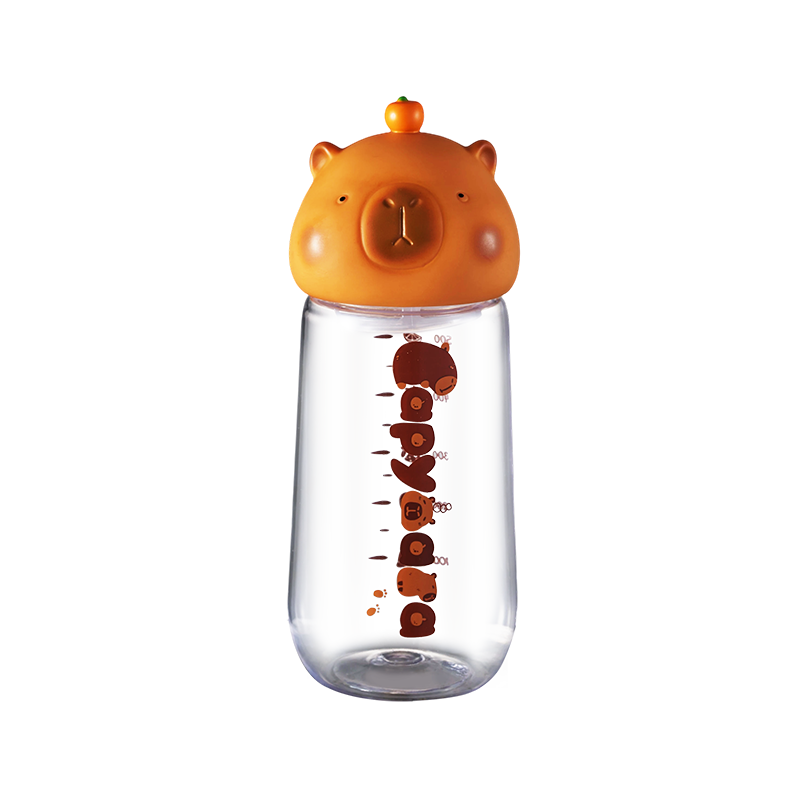
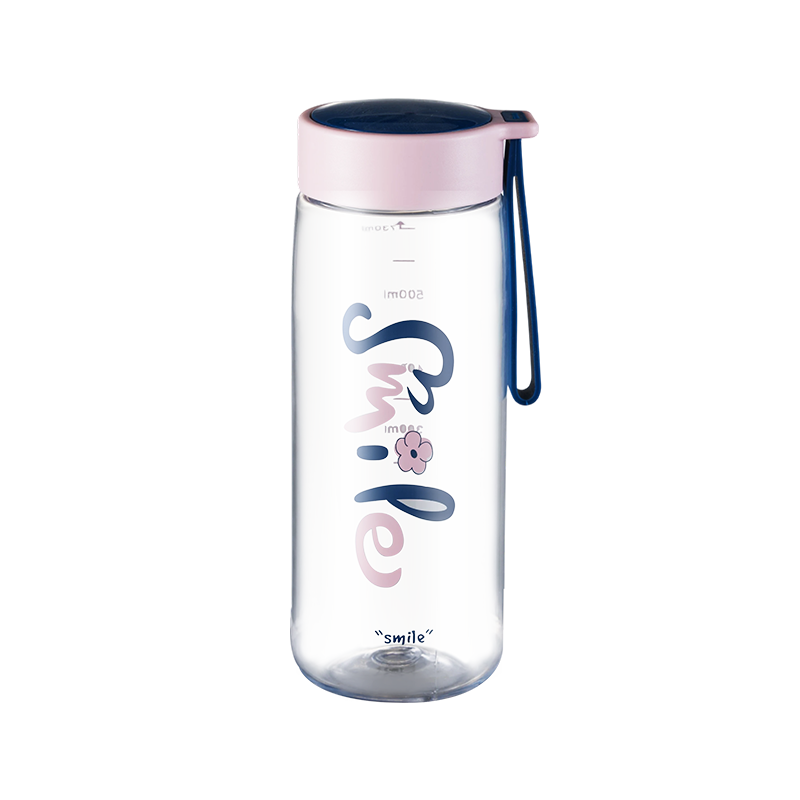
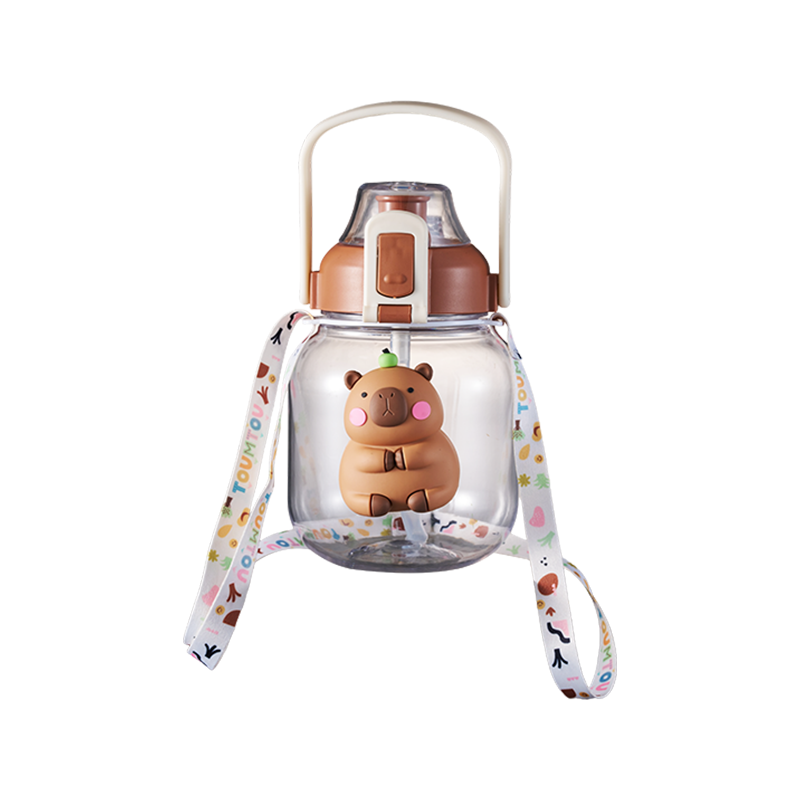
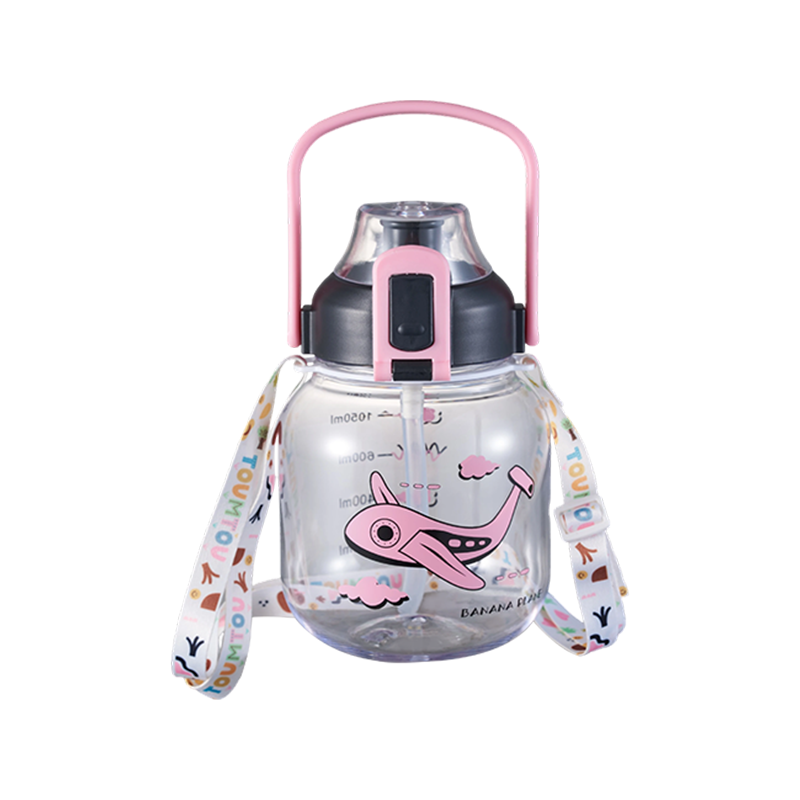
Successful mass production comes down to material verification, functional testing, and manufacturing process control. Set clear acceptance criteria before production begins. Keep records for each inspection stage. For B2B buyers, reviewing test reports, approved samples, and quality management procedures gives you a practical way to judge supplier capabilities. A well-tested Plastic Sport Water Bottle is more likely to perform consistently across large orders and survive whatever customers throw at it—literally and figuratively.
Copyright © Taizhou Huangyan Zuohao Plastic Factory.
All Rights Reserved.