

 English
 عربى
NEWS
Home > News > Industry News > Why Are Measurement Markings Valuable in Gym Plastic Water Bottle Development?

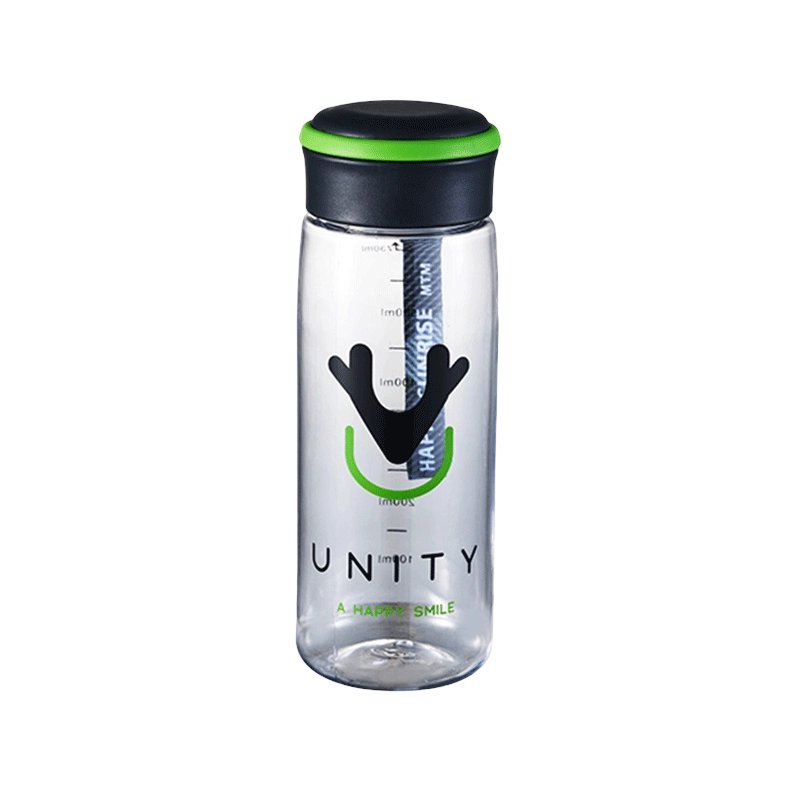
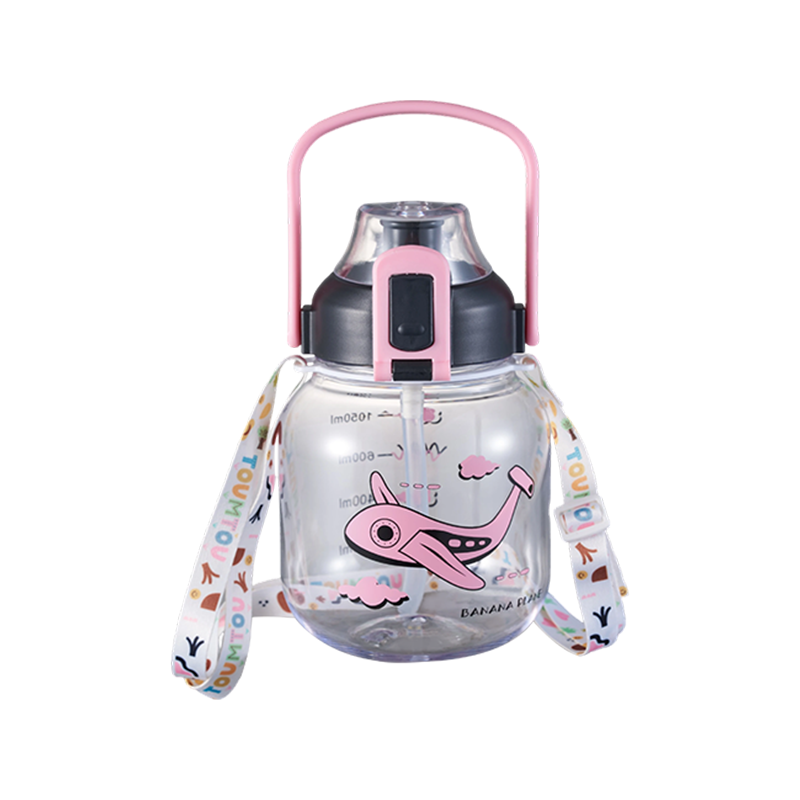
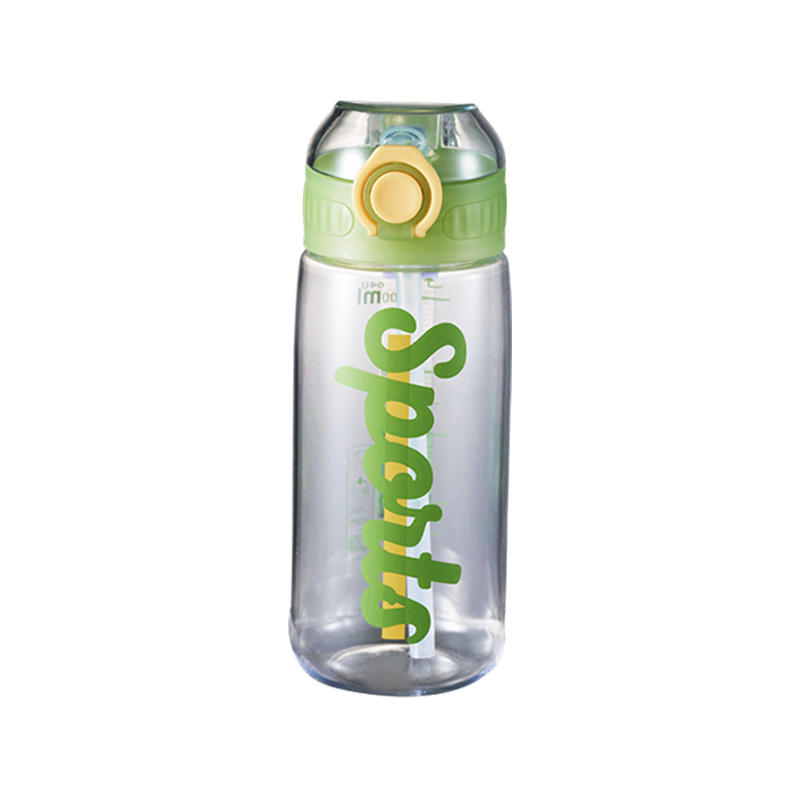
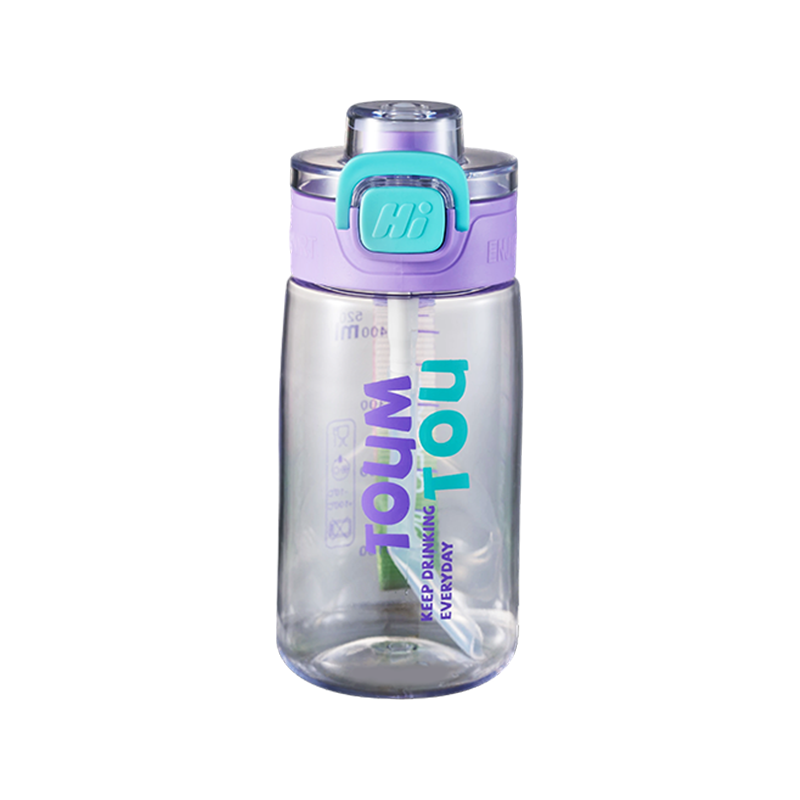
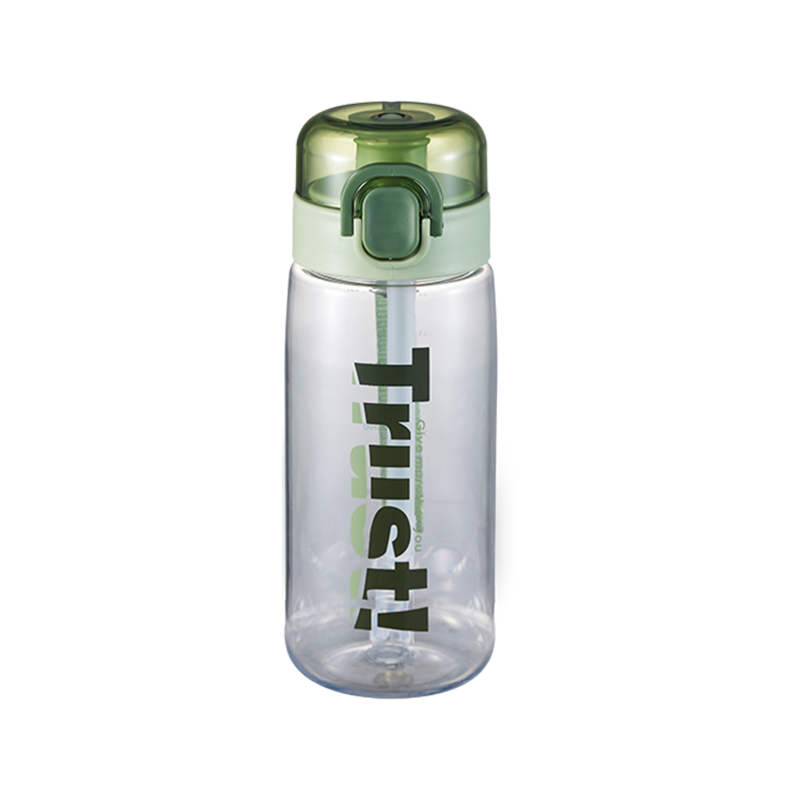
For people who train regularly, a water bottle is often used for more than carrying a drink. Some users keep track of how much water they consume during a workout, while others use the bottle to mix protein powder or sports drinks. Measurement markings make these tasks easier without requiring a separate measuring cup.
For manufacturers, adding a graduated scale is a relatively simple way to give a Gym Plastic Water Bottle more practical value. The challenge is getting the details right: the numbers must be easy to read, the volume positions must be accurate, and the markings need to survive repeated washing and handling.
Make Daily Water Intake Easier to Track
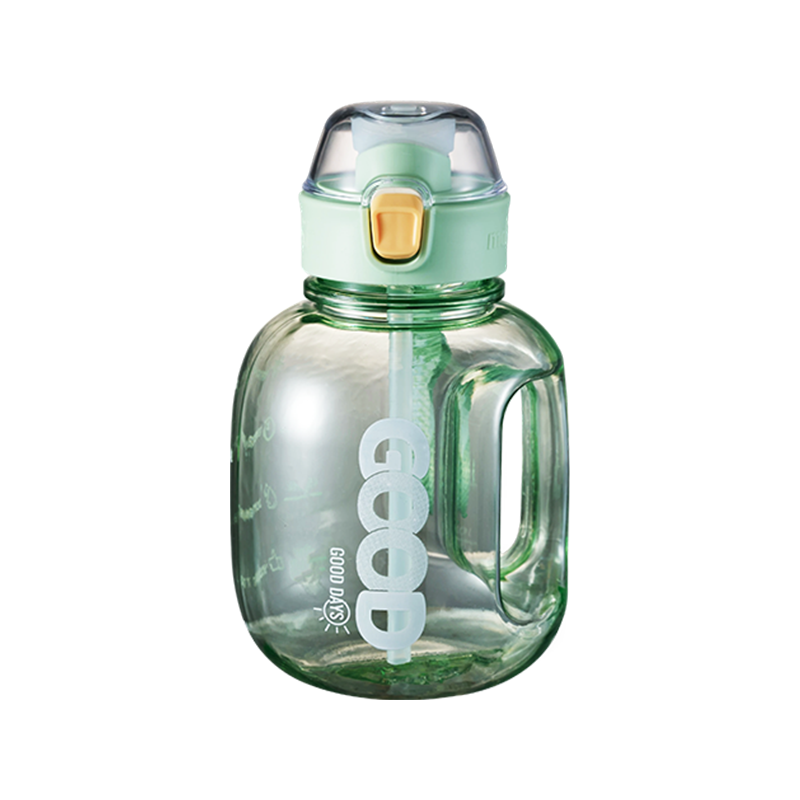
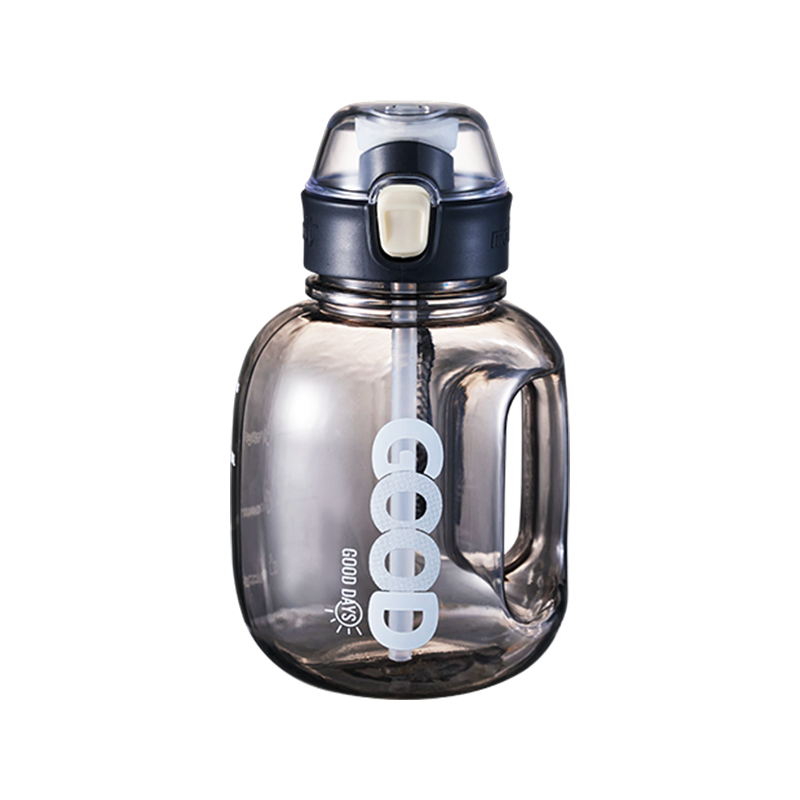
A bottle with visible volume markings lets users check how much water remains and estimate how much they have consumed. For example, markings at 250 ml intervals give a quick reference during training without the need to measure every refill separately.
This is useful for gym members, athletes and people who carry a bottle throughout the working day. Larger bottles can also use wider graduation intervals to avoid crowding the scale, while smaller bottles may benefit from closer markings.
It is worth keeping the purpose of the scale clear. These graduations help users estimate their intake; they are not a substitute for individual hydration advice.
Make Mixing Drinks More Convenient
Protein shakes, electrolyte drinks and powdered supplements often require a particular amount of water. A graduated bottle gives users a convenient way to estimate the liquid volume before adding the powder.
The scale should use clearly labeled units. Milliliters are common in many markets, while fluid ounces are useful for products sold in the United States and other regions that use imperial measurements.
Manufacturers also need to be realistic about accuracy. A regular sports bottle is not a precision measuring container. The graduations should be checked against actual liquid volumes, and the product should not claim a level of precision that its shape and manufacturing tolerances cannot support.
Select a Marking Method That Can Withstand Regular Use
The way graduations are applied affects their appearance, durability and production cost. Molded markings are formed as part of the bottle, while printed scales offer more freedom in color and layout.
| Marking method | Main advantages | Potential limitations |
|---|---|---|
| Molded-in markings | Durable and not easily rubbed off | Requires appropriate mold design and tooling |
| Screen printing | Clear graphics and flexible color choices | May wear with repeated washing |
| Heat-transfer printing | Suitable for detailed decorative designs | Adhesion and wash resistance need testing |
| Applied labels | Convenient for small design changes | Can peel or deteriorate during cleaning |
For bottles intended for frequent gym use, durability deserves particular attention. Molded graduations avoid the problem of printed ink wearing away, although they offer less freedom in appearance. Printed scales are easier to customize but need to be tested after repeated washing and abrasion.
Match the Plastic and Marking Colors
The bottle material affects how clearly users can see both the liquid level and the printed scale.
Tritan copolyester is often used for transparent reusable bottles where visibility and impact resistance are important. PP is another option for lightweight bottle designs, while PE is used in some flexible squeeze bottles.
The best choice depends on the bottle's construction, intended use and temperature requirements. Transparent walls make it easier to judge the liquid level directly. For colored or translucent bottles, the scale needs enough contrast to remain visible.
Pigments, inks and other marking materials should also meet applicable requirements for their intended use. This is particularly important when the markings are located on surfaces that may come into contact with drinking liquid.
Keep the Scale Simple and Readable
A bottle covered in numbers, lines and decorative graphics can be difficult to read. Users should be able to find the volume they need without turning the bottle repeatedly.
A few design details make a noticeable difference:
The scale should also fit the bottle's overall appearance. Decorative graphics and branding are useful, but they should not compete with the measurement numbers.
Check Graduation Accuracy During Production
Placing markings at equal vertical intervals does not always produce equal volume intervals. A bottle with curved or tapered walls may hold different amounts of liquid at different heights.
Manufacturers need to calculate graduation positions using the bottle's internal shape, then verify them with actual liquid measurements. A typical validation process includes:
This check is especially important when changing bottle dimensions or mold designs. Even a small change to the internal profile can affect where a particular volume sits.
Test Whether the Markings Last
Gym bottles are carried in bags, washed frequently and handled throughout the day. Printed graduations that look good on a new sample may become faint after repeated use.
| Test | What it checks |
|---|---|
| Repeated washing | Resistance to detergents and cleaning cycles |
| Abrasion | Wear caused by rubbing and handling |
| Temperature exposure | Changes after specified heating or cooling conditions |
| Adhesion | Whether printed markings remain attached |
| Volume verification | Accuracy of the graduation positions |
| Impact testing | Structural condition of the bottle and its markings after handling |
Testing should follow the product's intended care instructions. For example, dishwasher compatibility should only be claimed after the complete bottle has been tested under the specified washing conditions.
Offer More Options for OEM Customers
Graduated scales give OEM buyers room to customize a bottle without changing its basic structure. Options can include different measurement intervals, colors, unit systems and logo placement.
Some customers may also request time-based hydration prompts alongside volume markings. These should be arranged carefully so that the scale remains easy to understand.
Before mass production, buyers should review physical samples and check the graduation accuracy, readability and resistance to washing.
A measurement scale may look like a minor detail, but poorly positioned numbers or markings that fade quickly can undermine an otherwise good bottle. For manufacturers, getting the volume layout, material and marking process right makes the Gym Plastic Water Bottle more useful in everyday training and gives OEM customers another practical way to distinguish their products.
Copyright © Taizhou Huangyan Zuohao Plastic Factory.
All Rights Reserved.