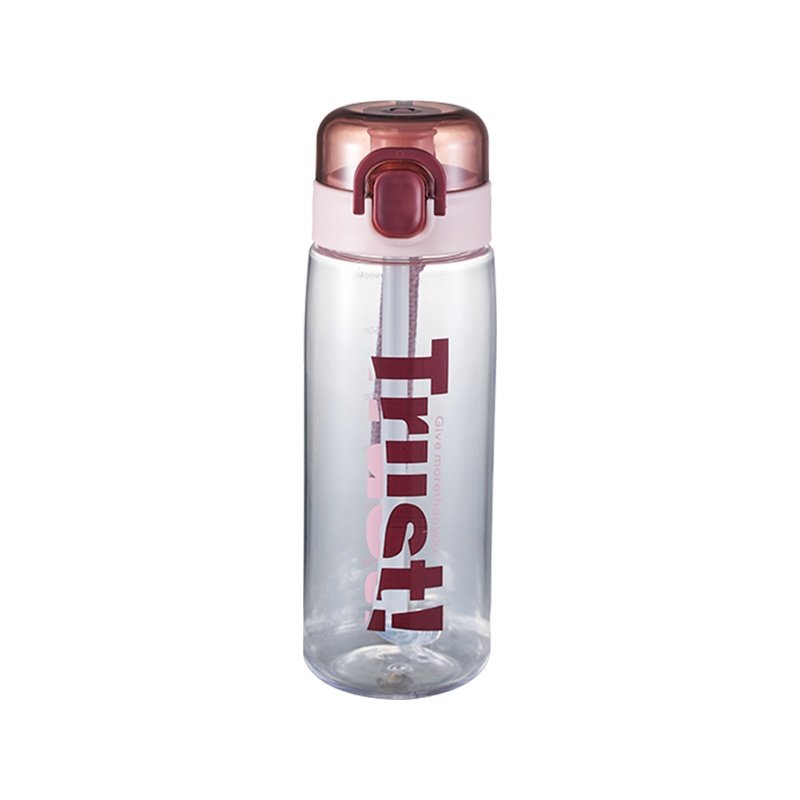
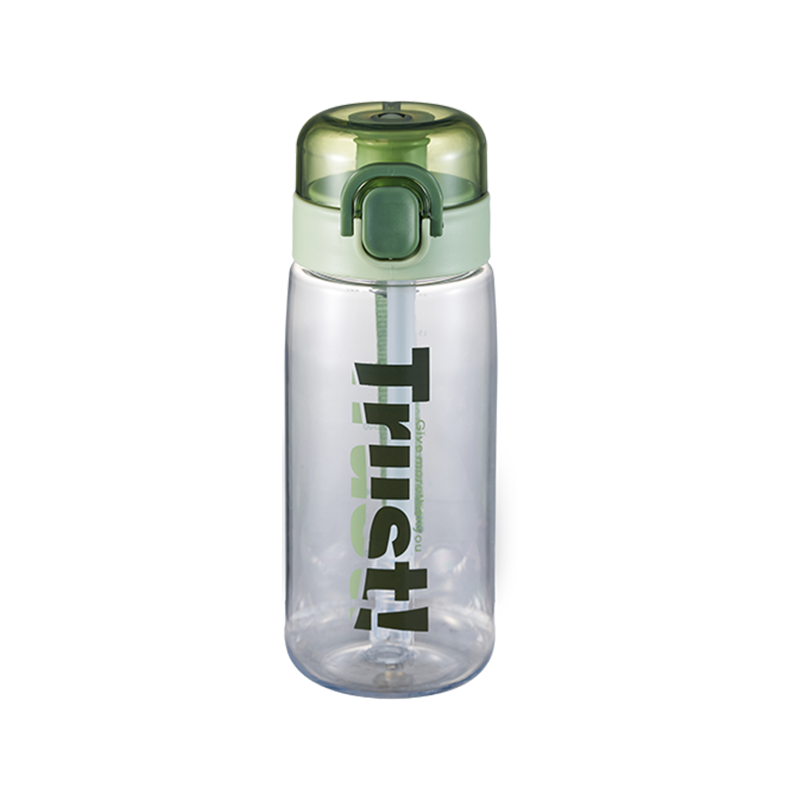
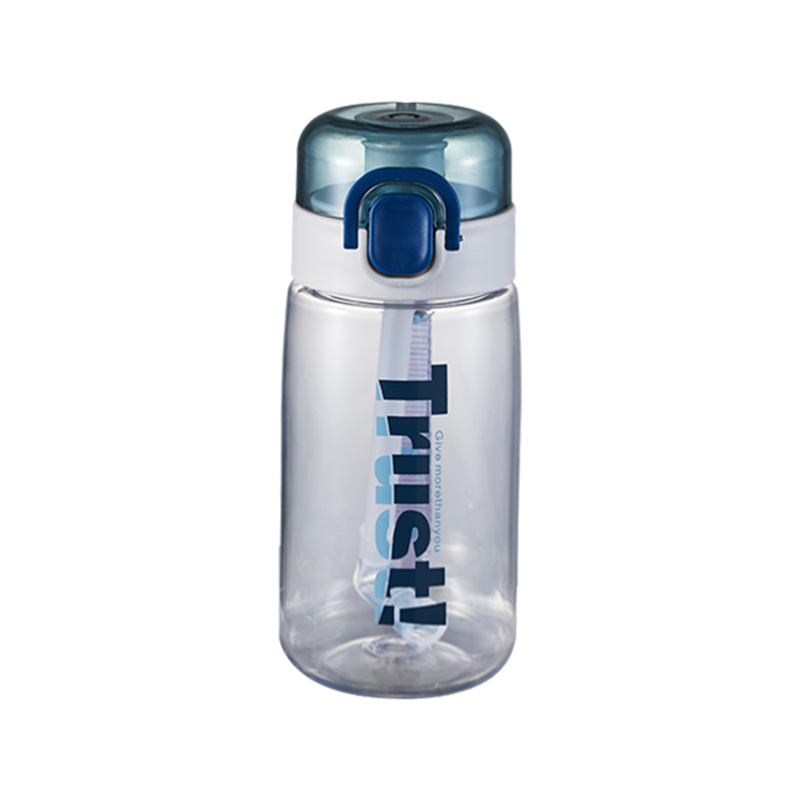
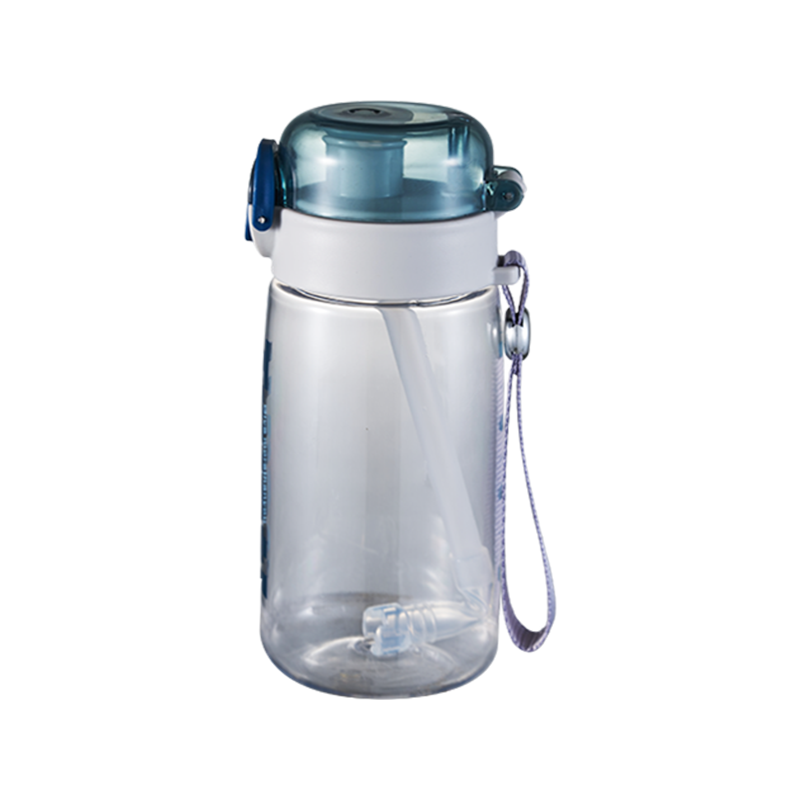
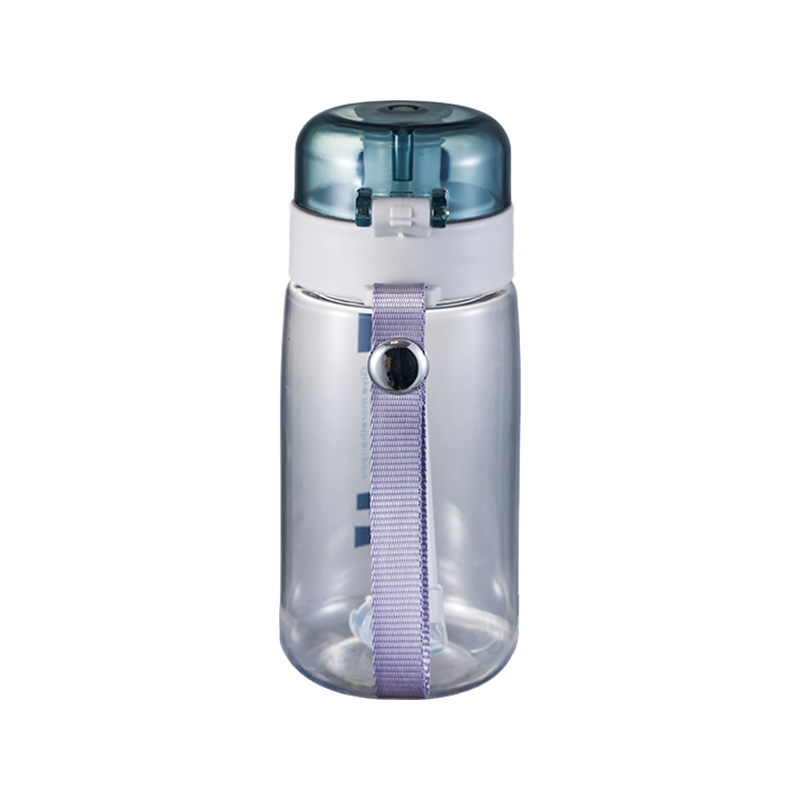
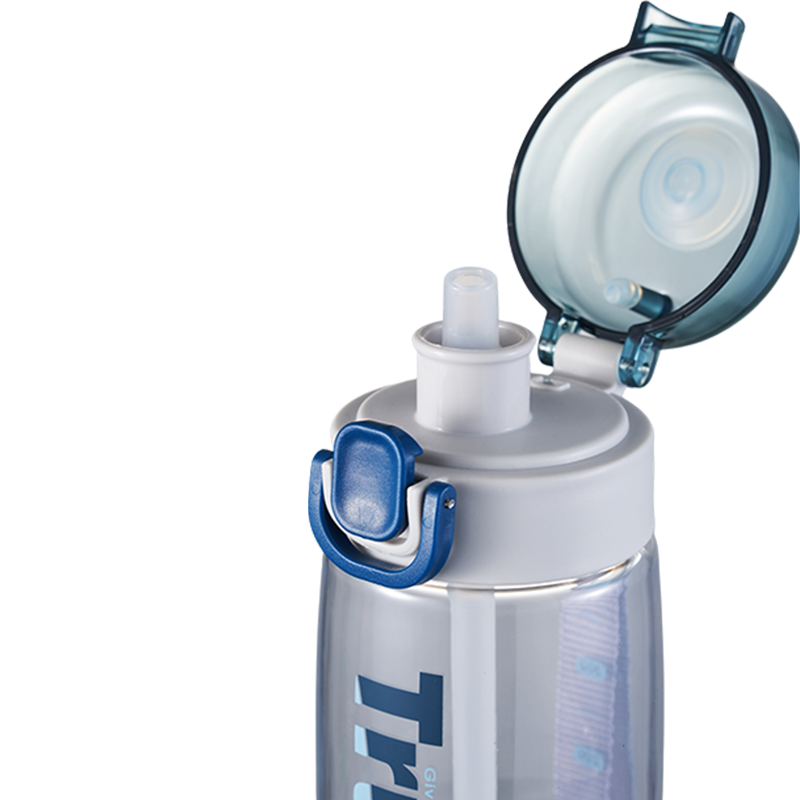
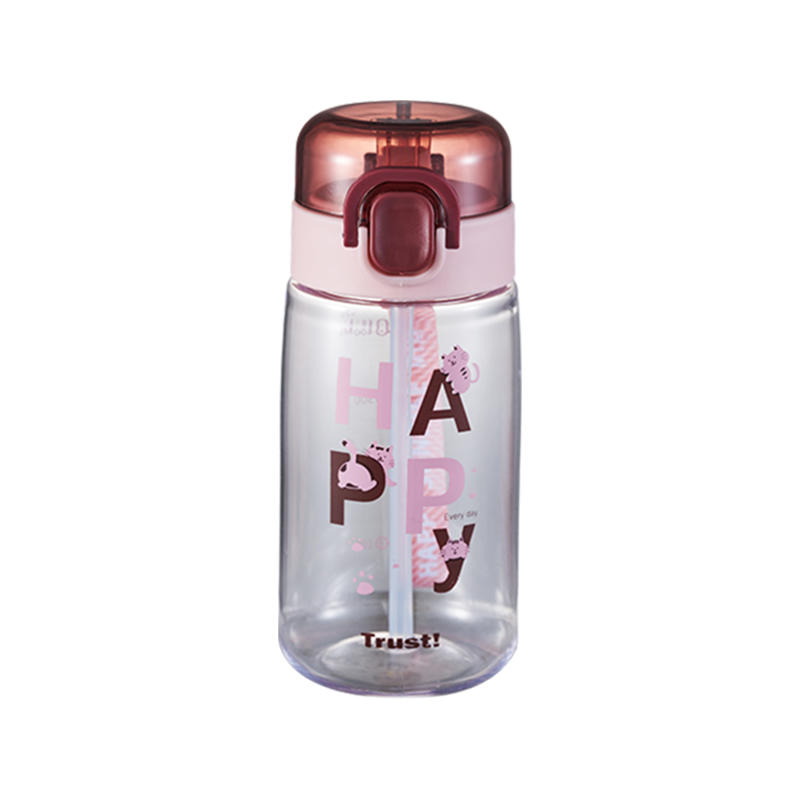
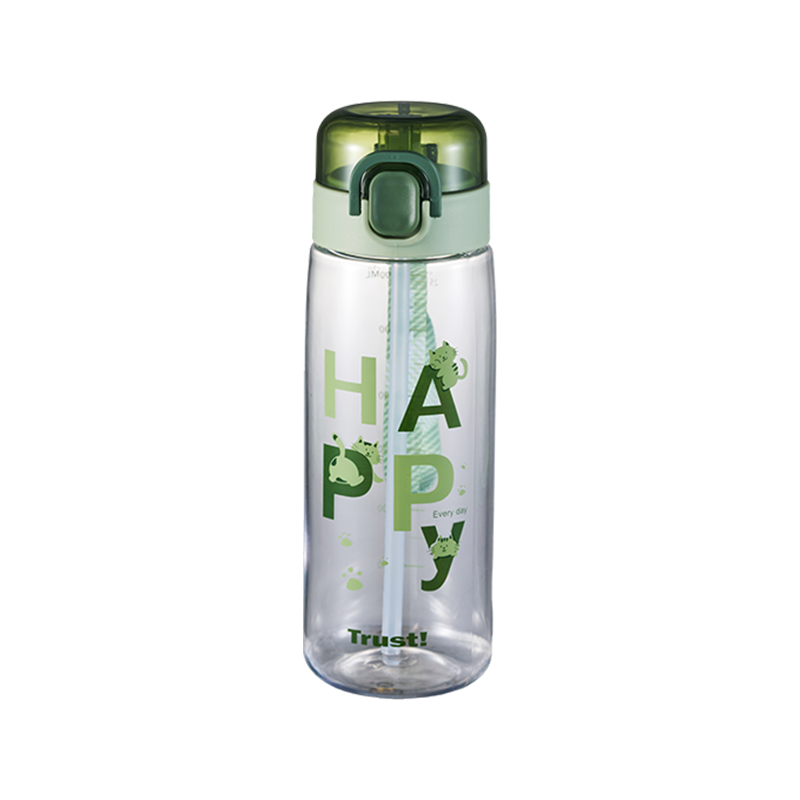
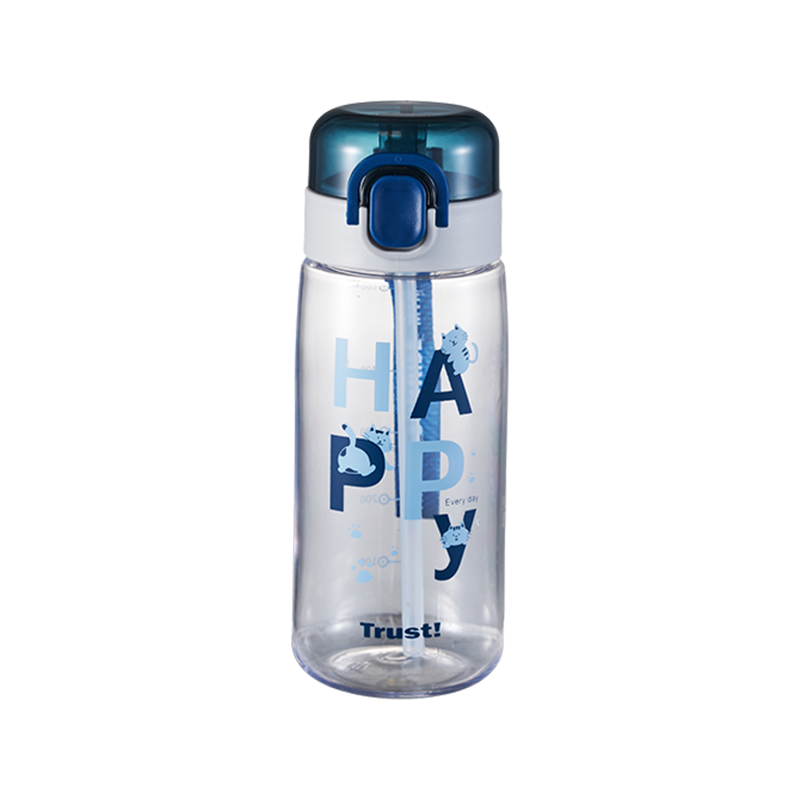
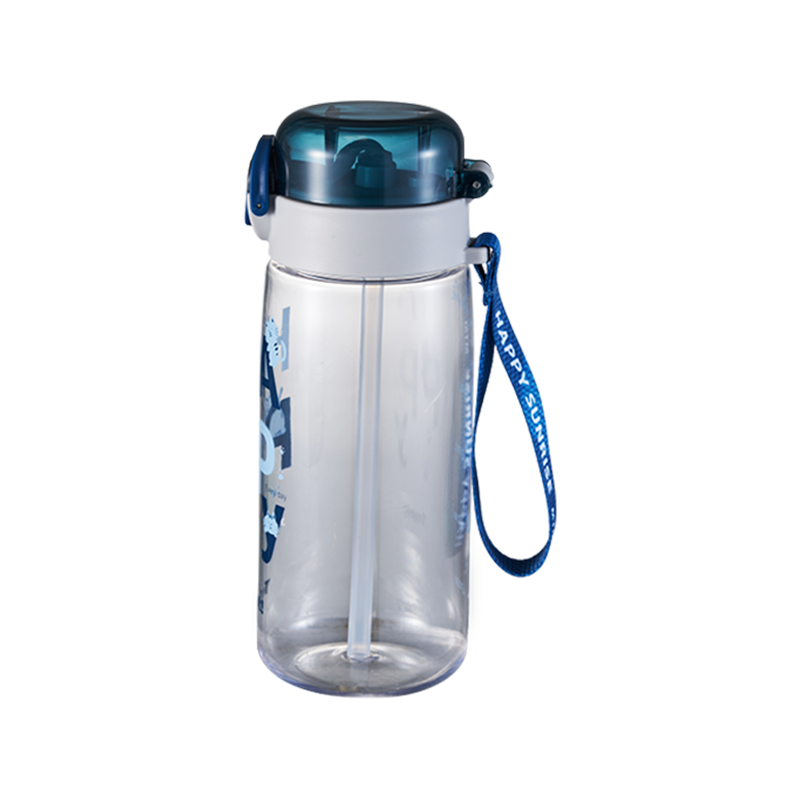
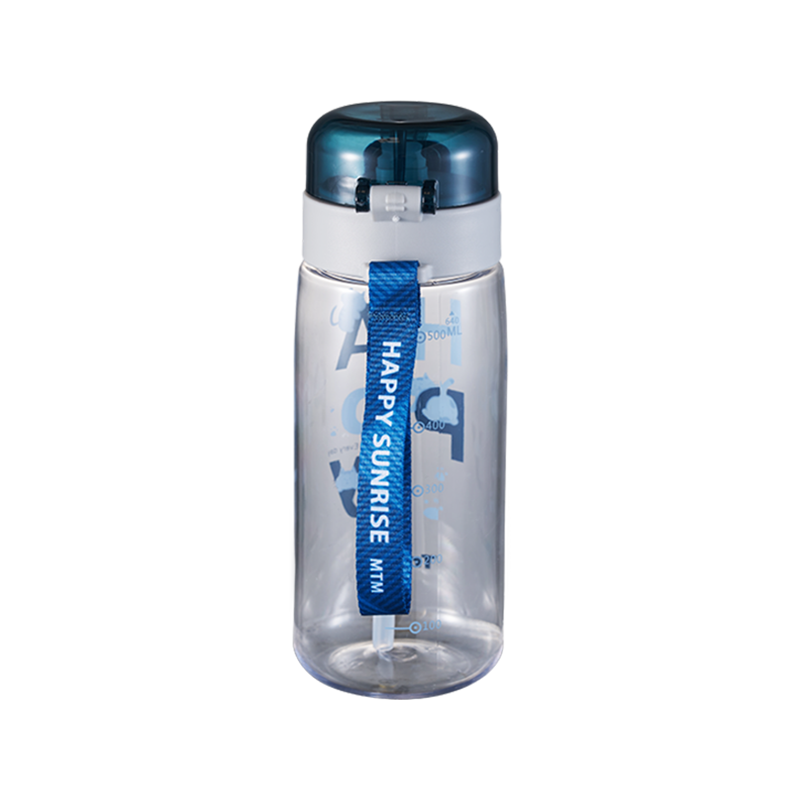
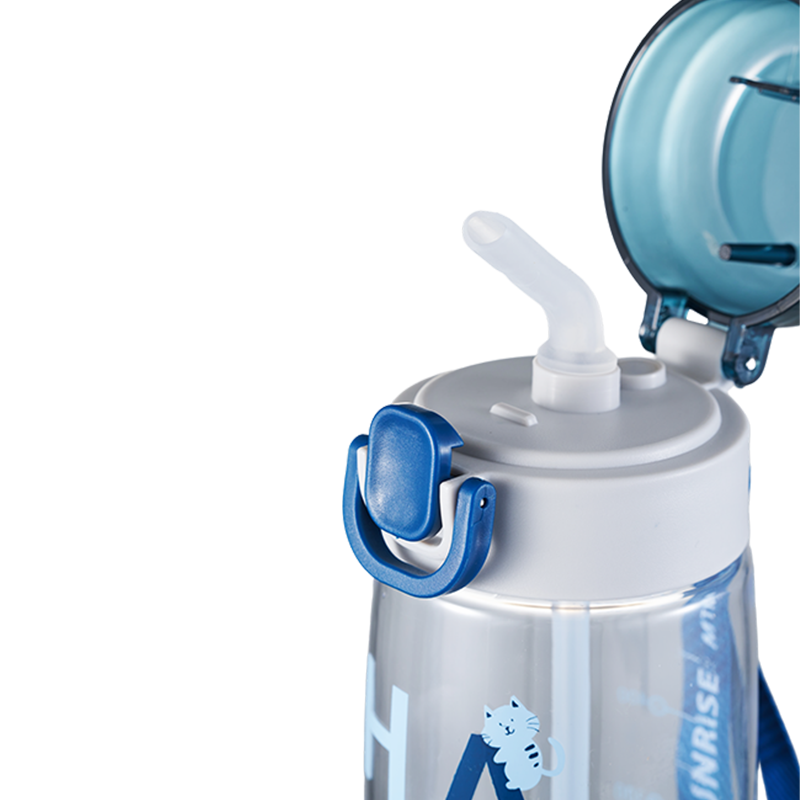
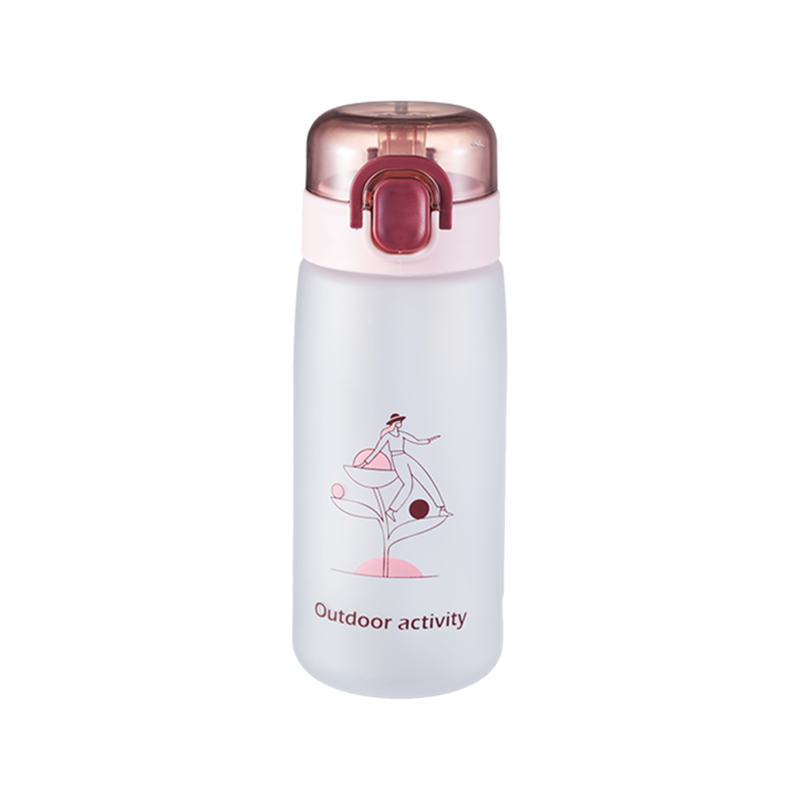
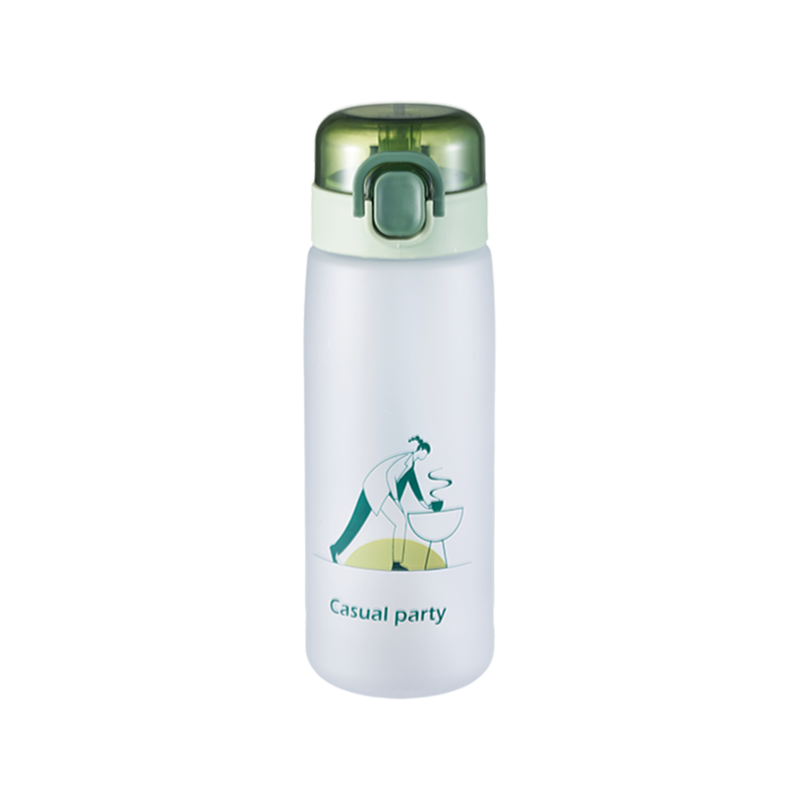
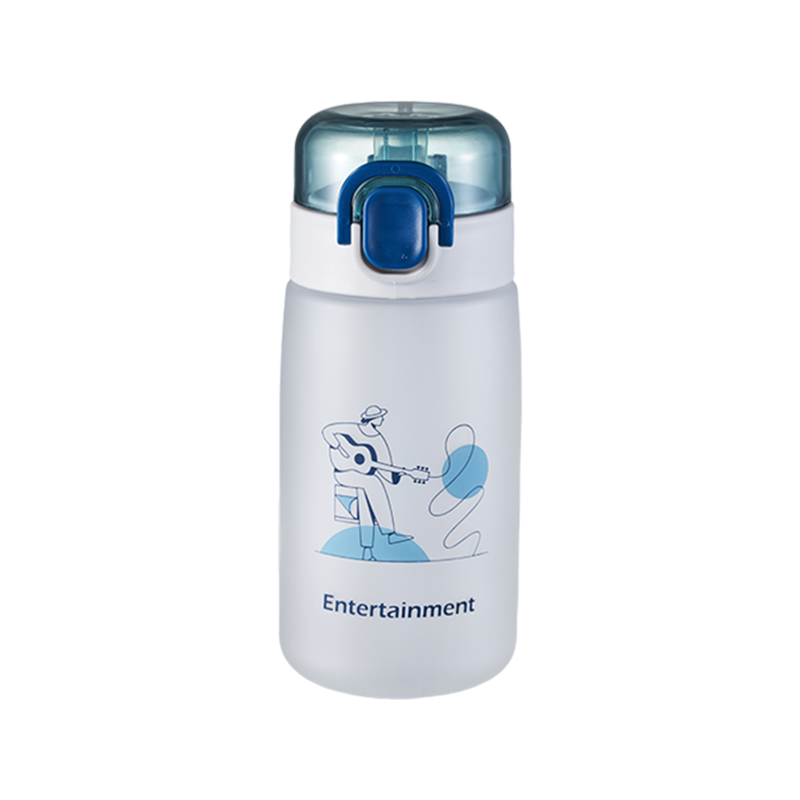
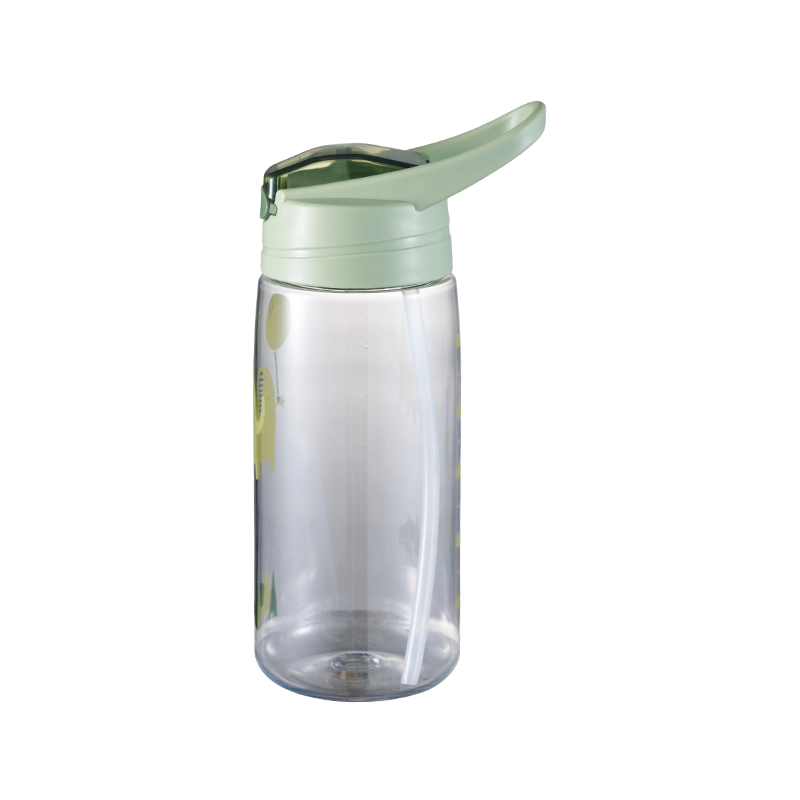
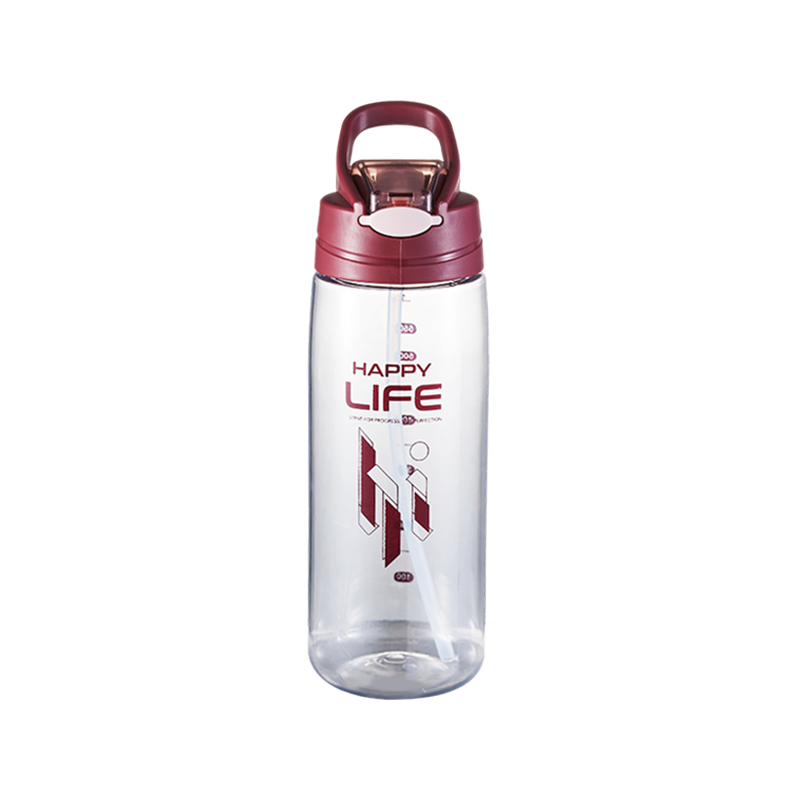
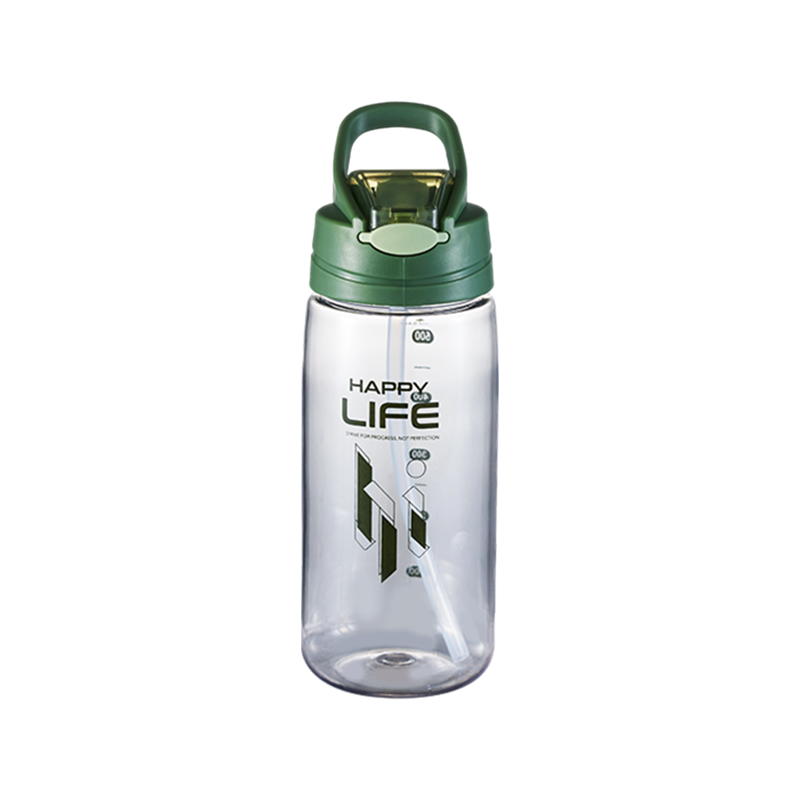
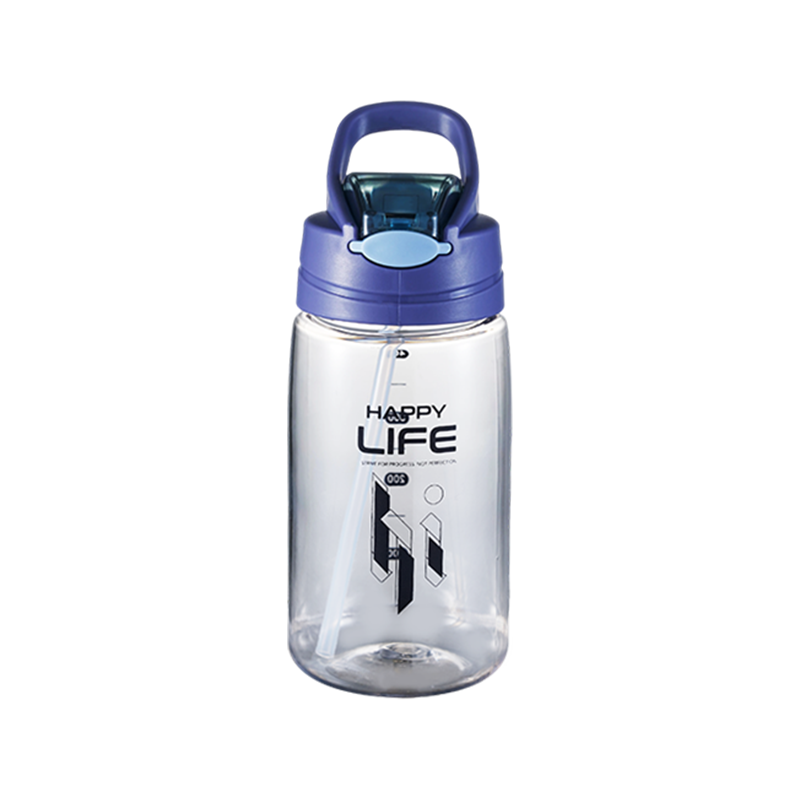
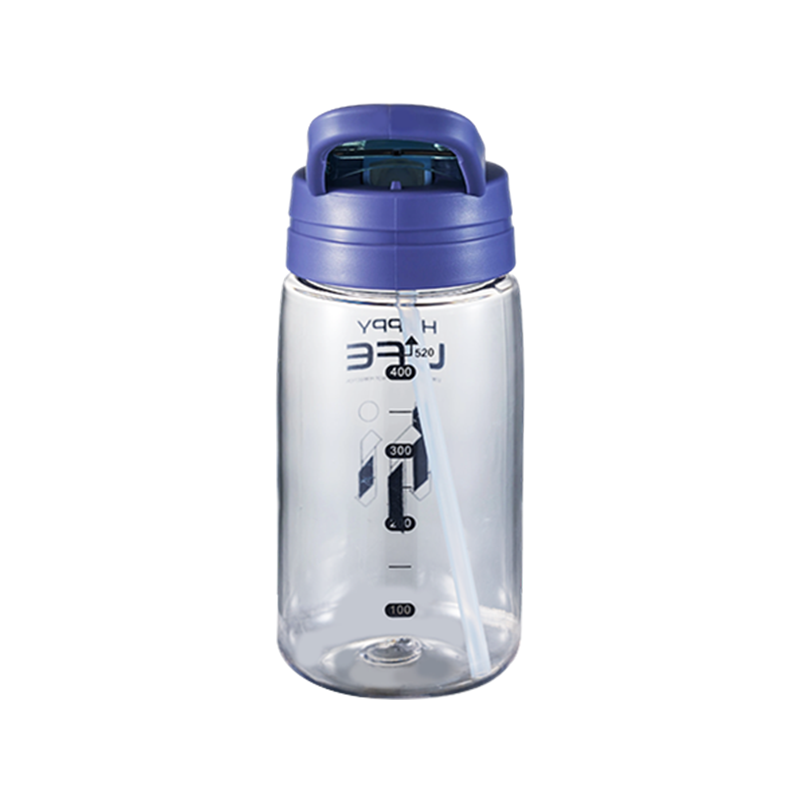
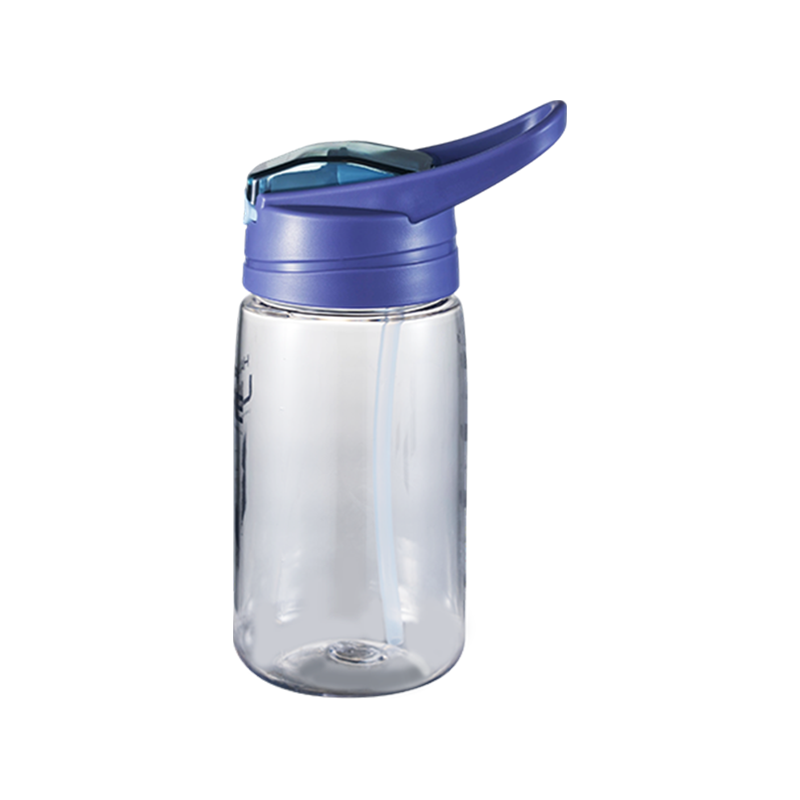
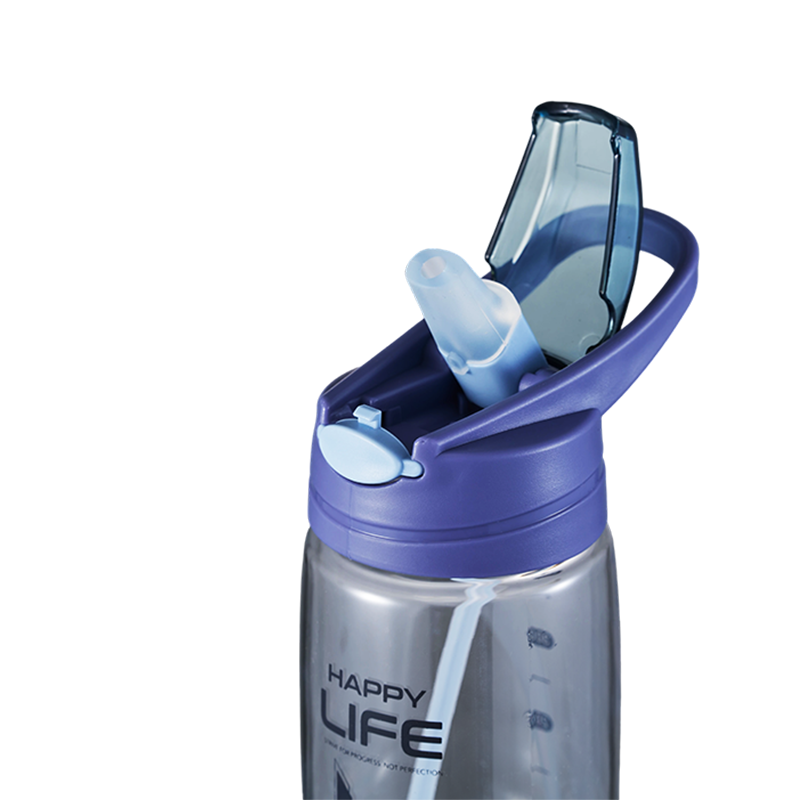
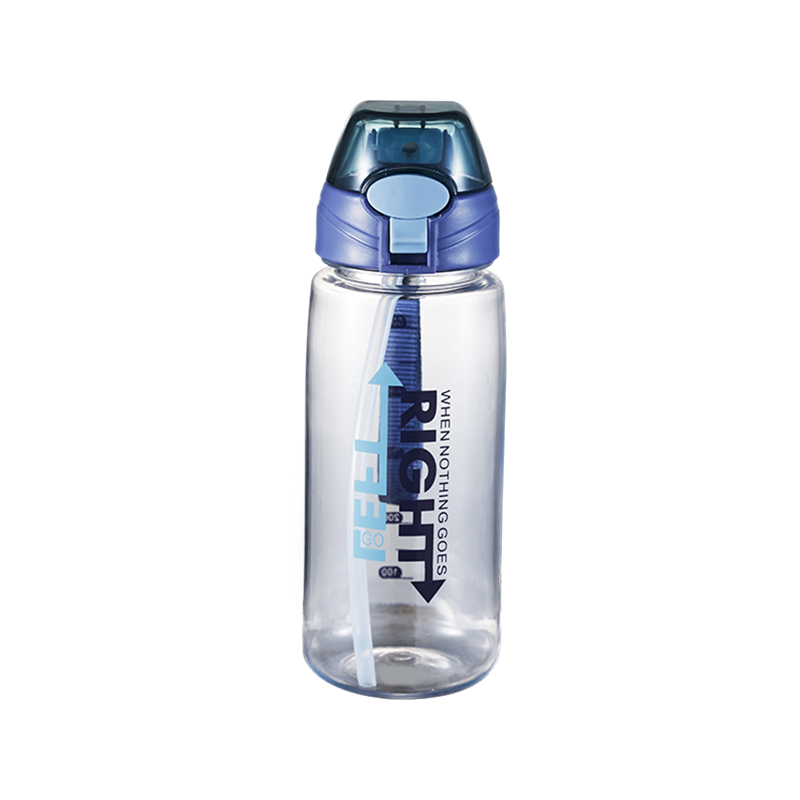
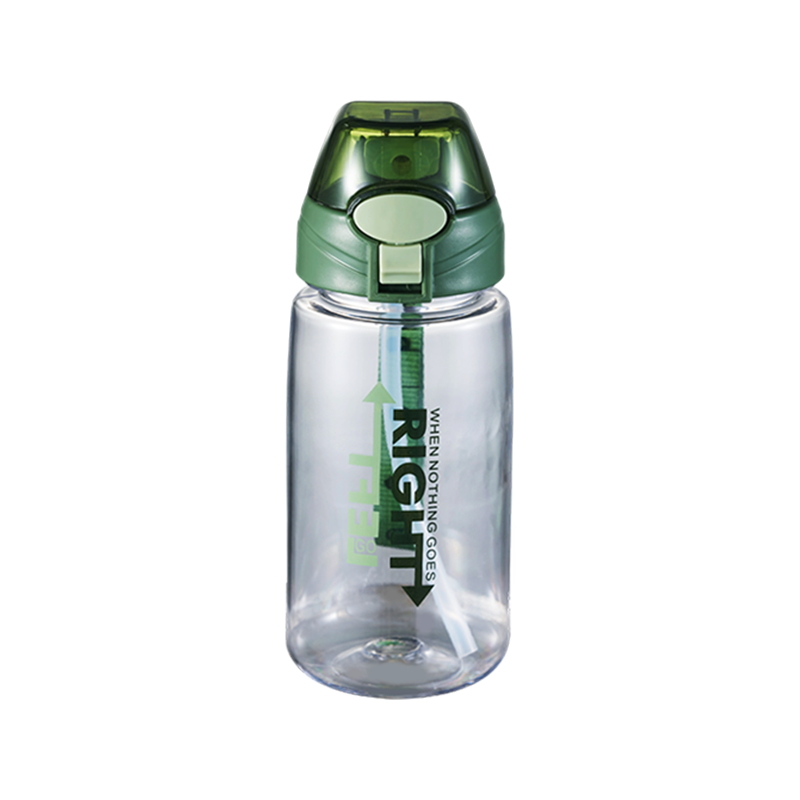
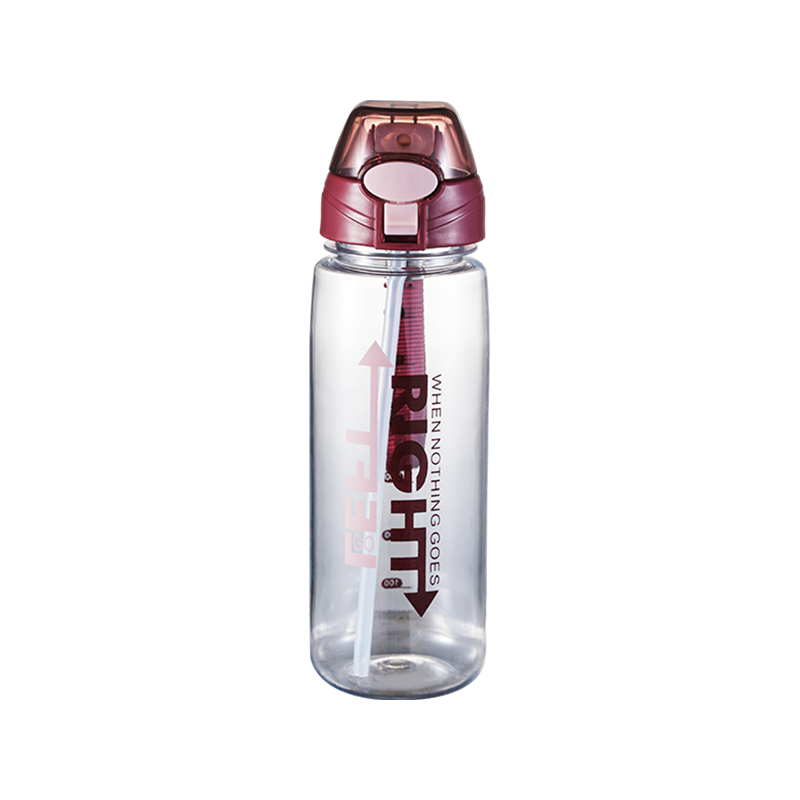
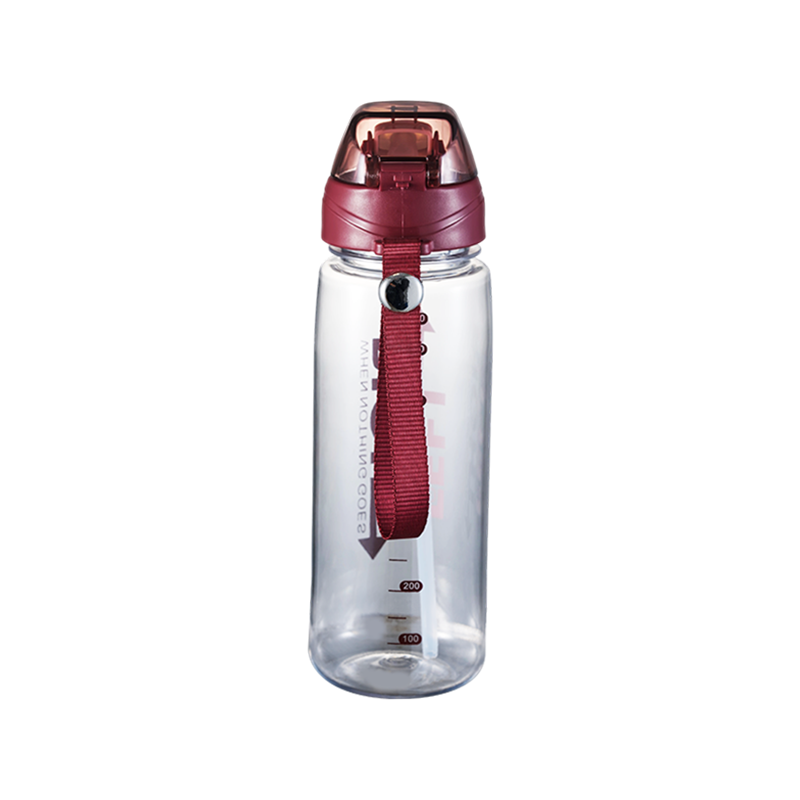
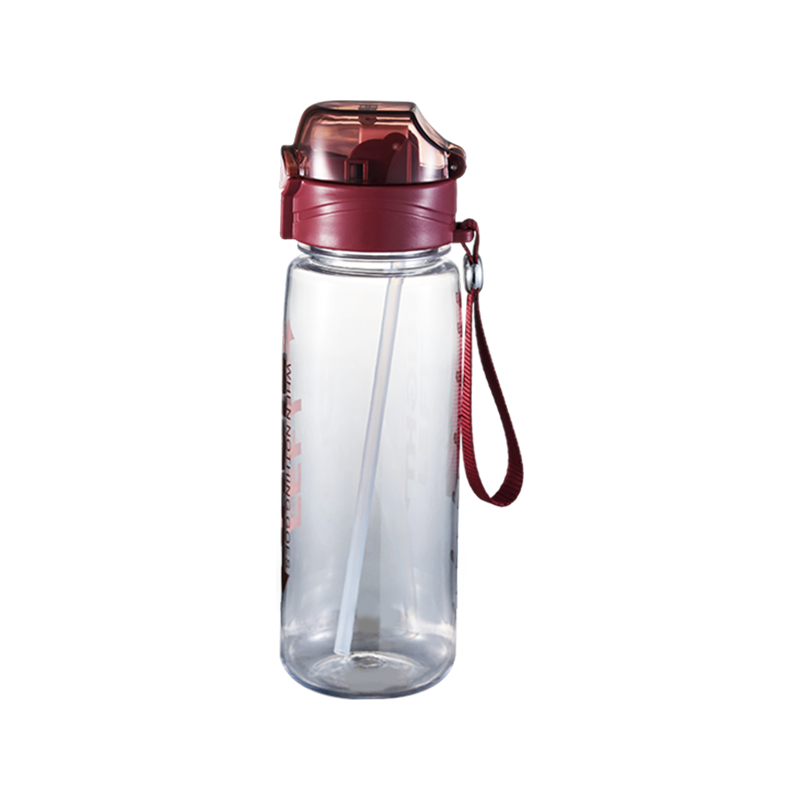
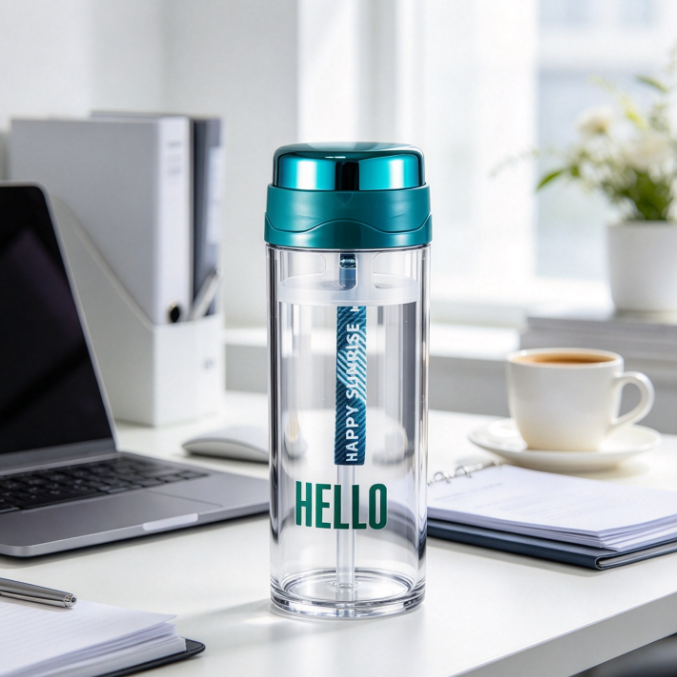
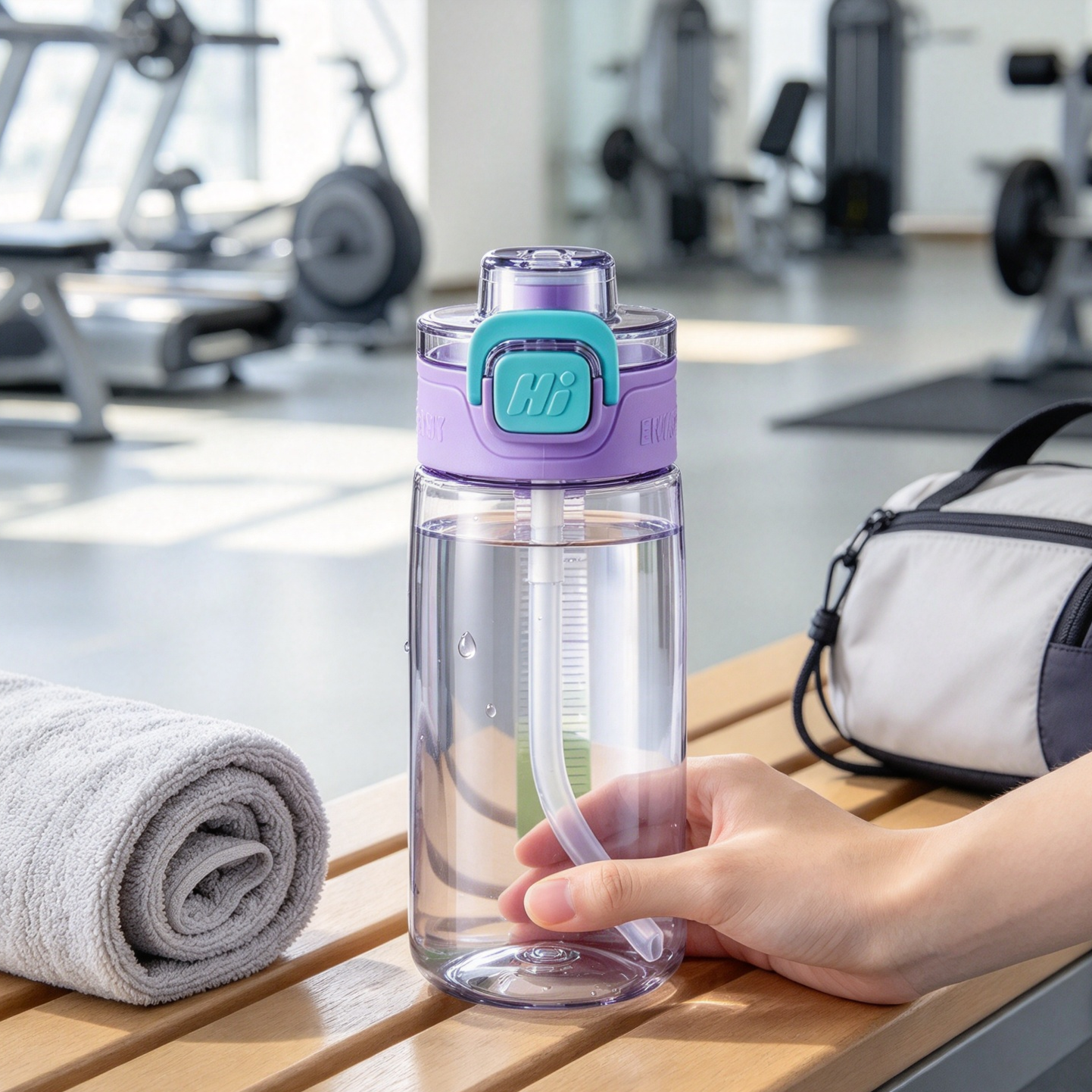
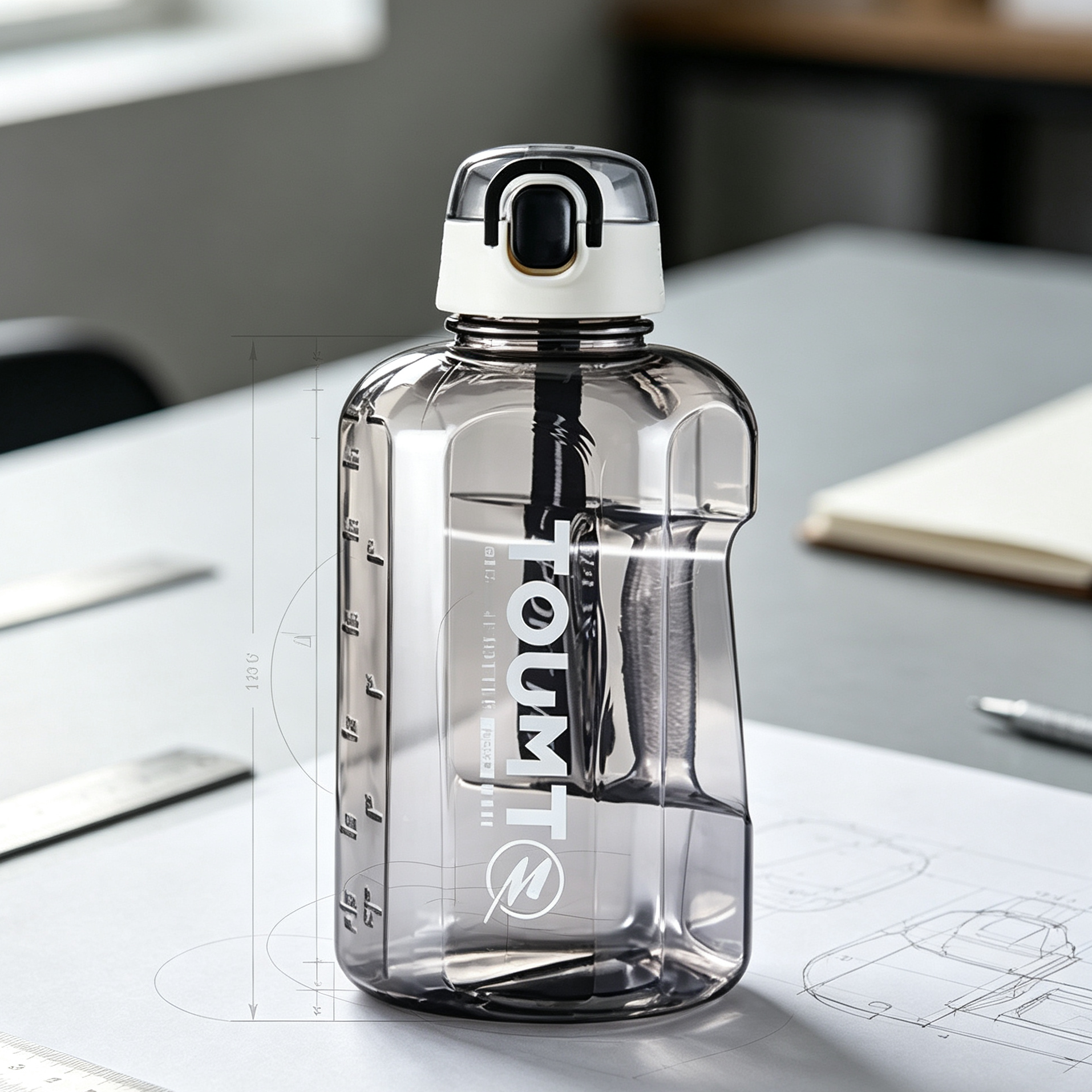
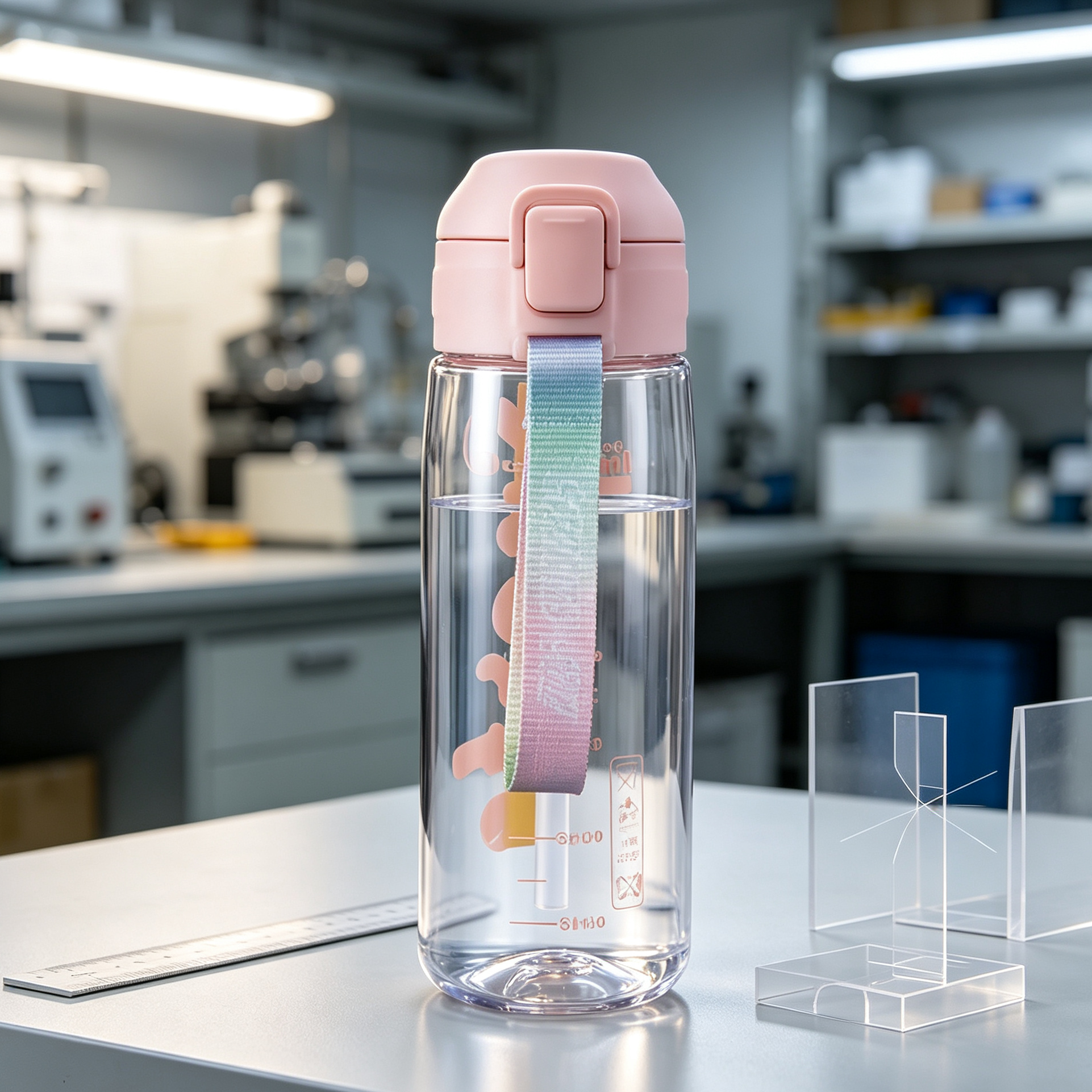
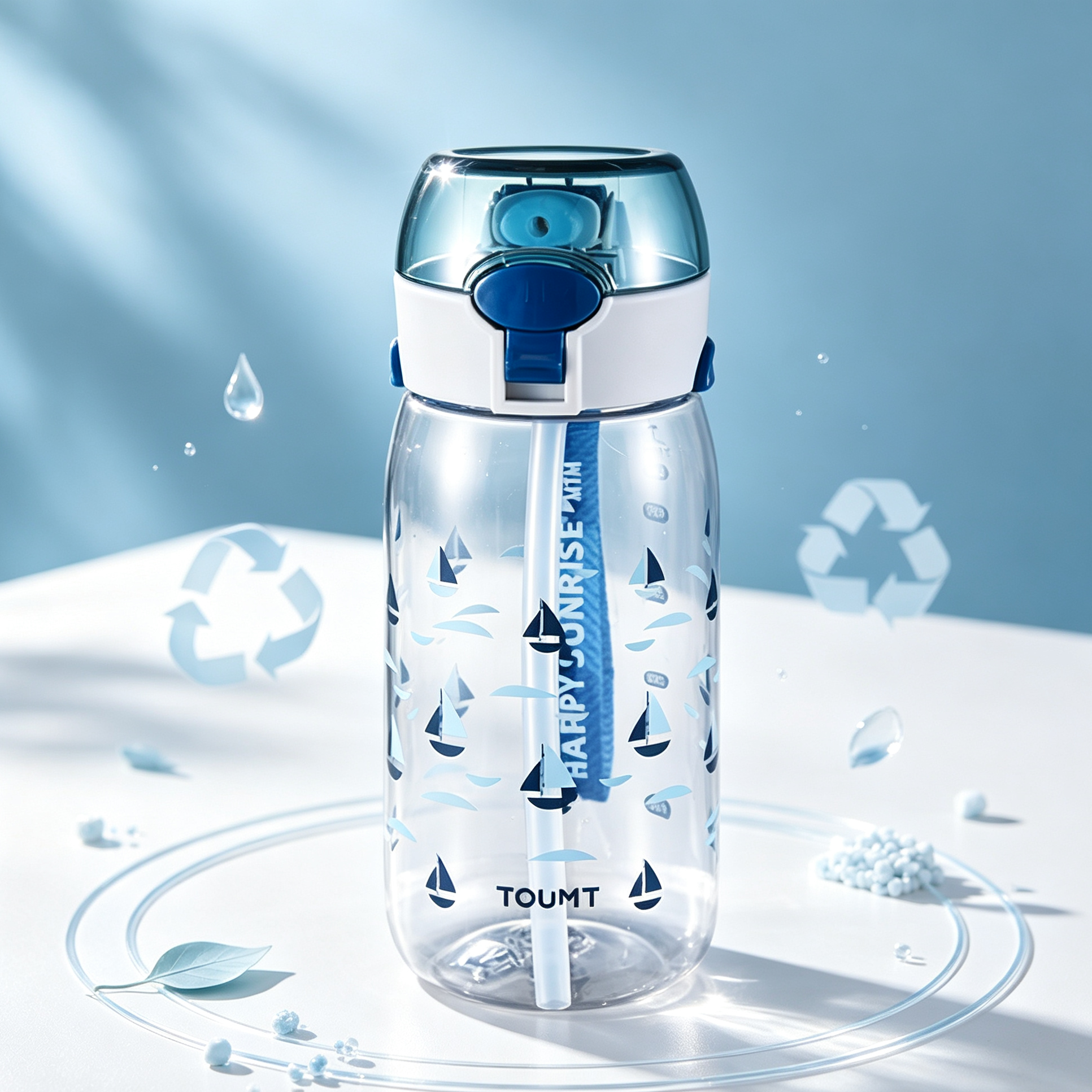
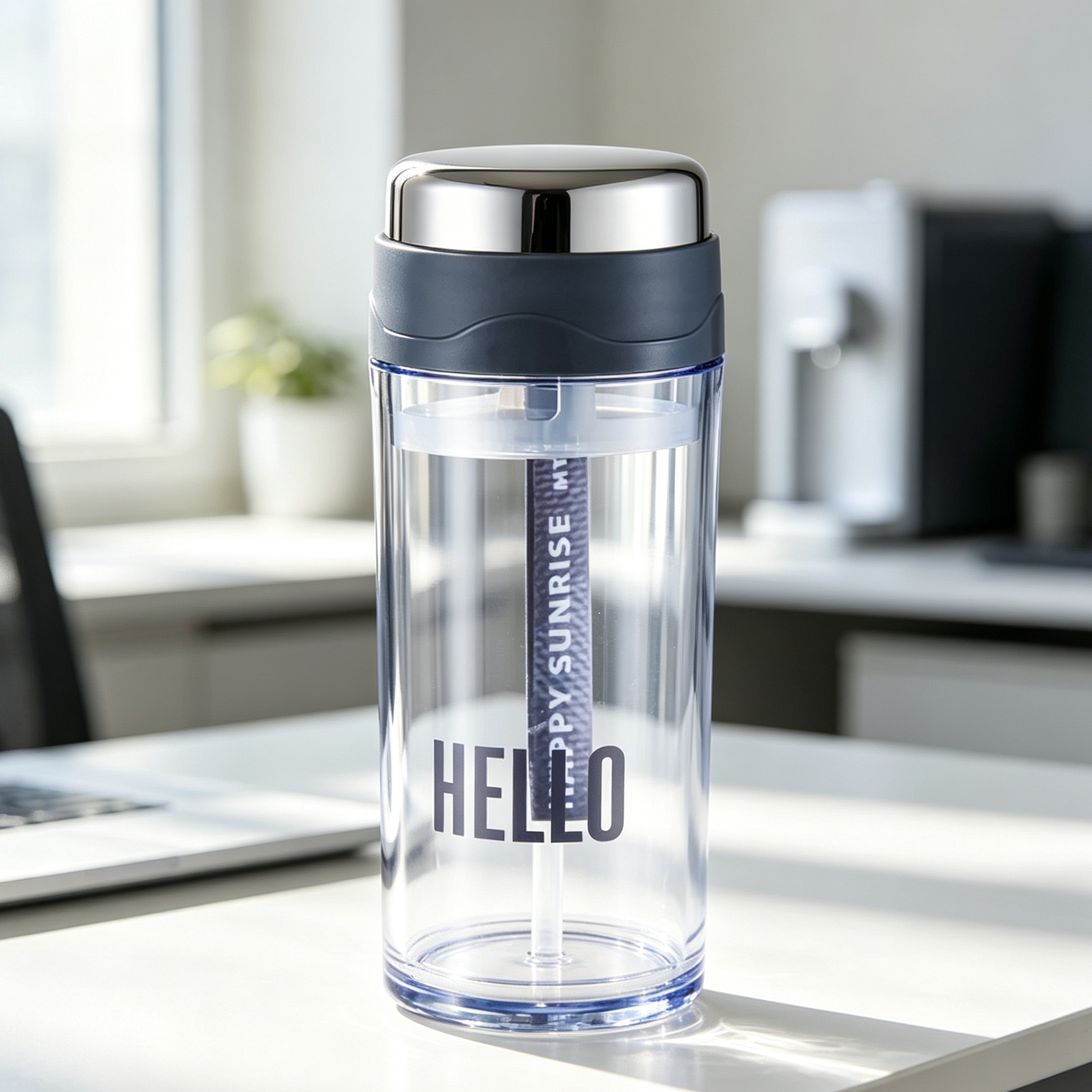
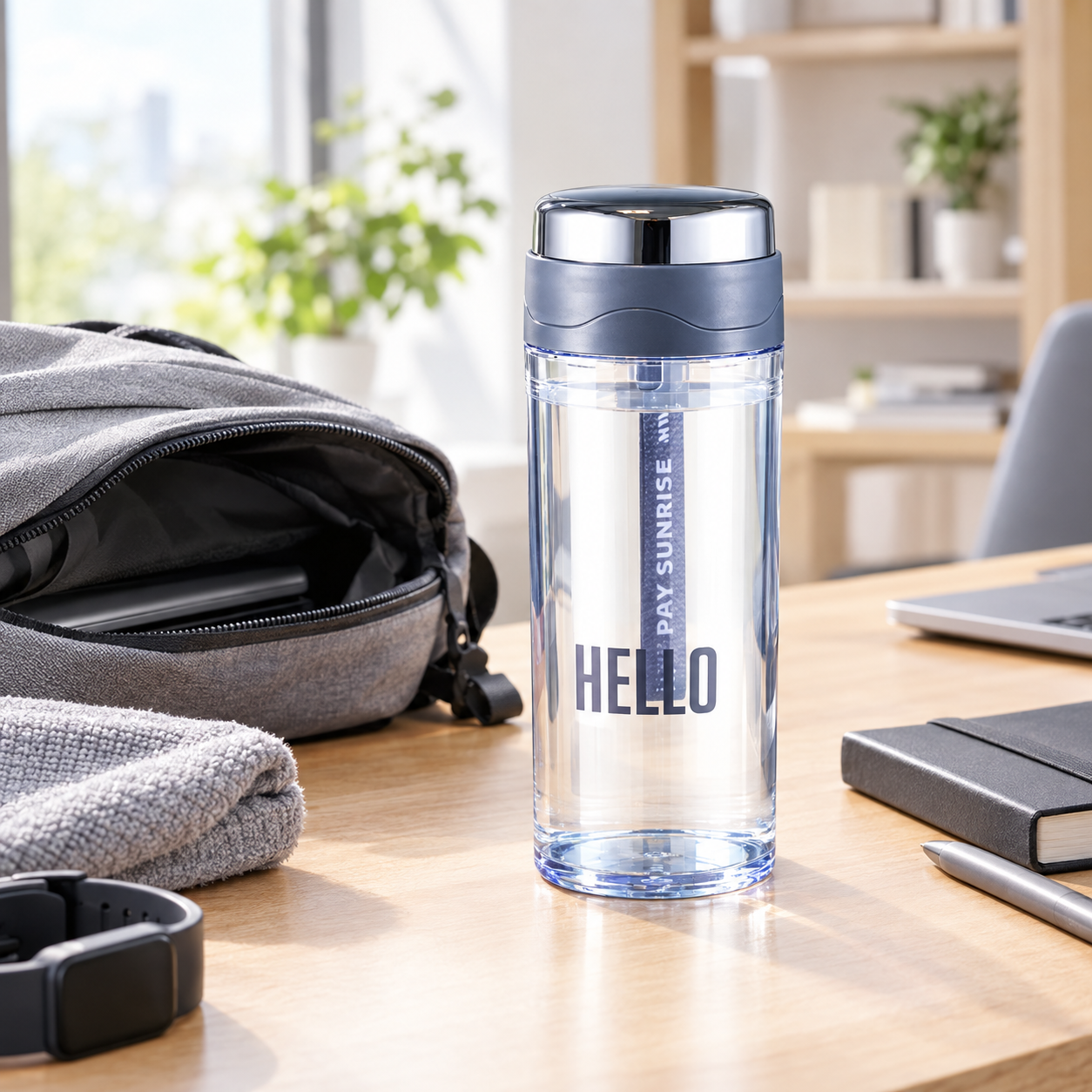
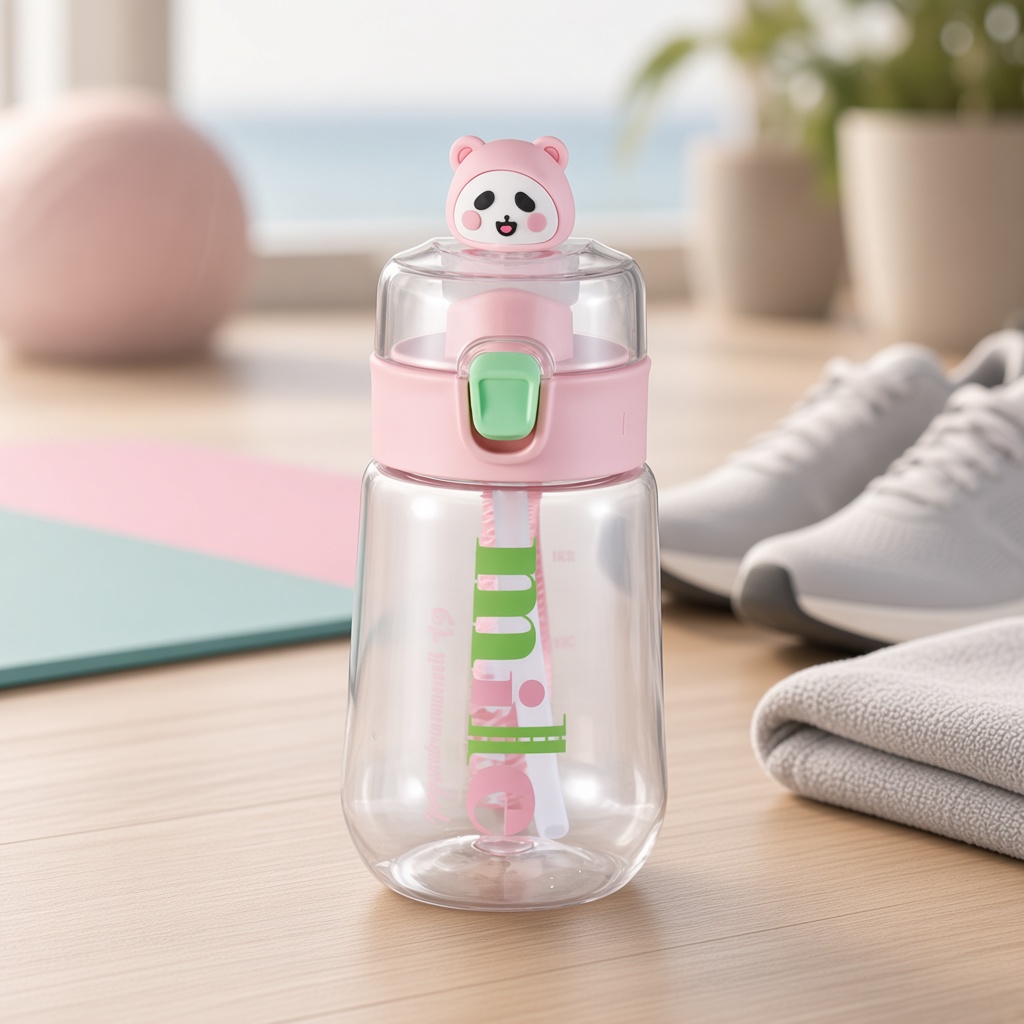
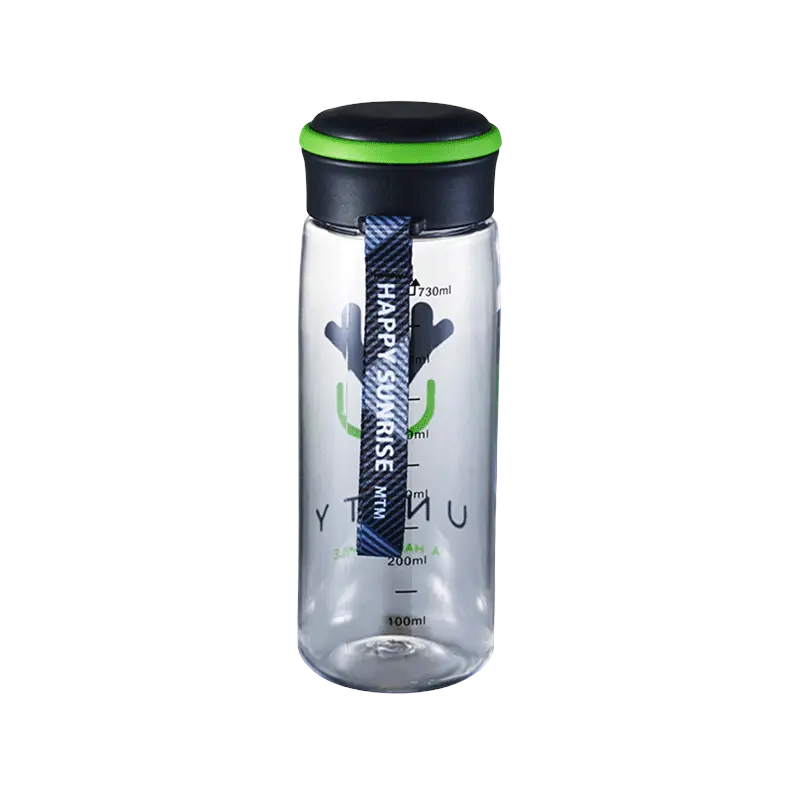
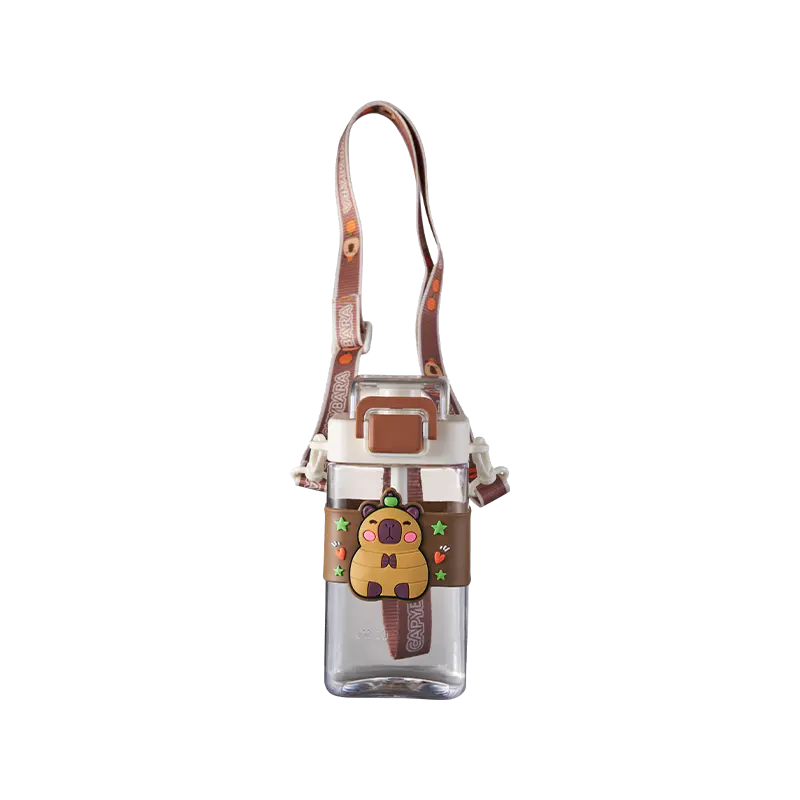
Pop-Up Lid Plastic Travel Straw Bottle with Silicone Sleeve and Measurements
Home > Product > Plastic Straw Bottle > Plastic Student Sports Straw Water Bottle > Pop-Up Lid Plastic Travel Straw Bottle with Silicone Sleeve and Measurements

Pop-Up Lid Plastic Travel Straw Bottle with Silicone Sleeve and Measurements

- Specifications

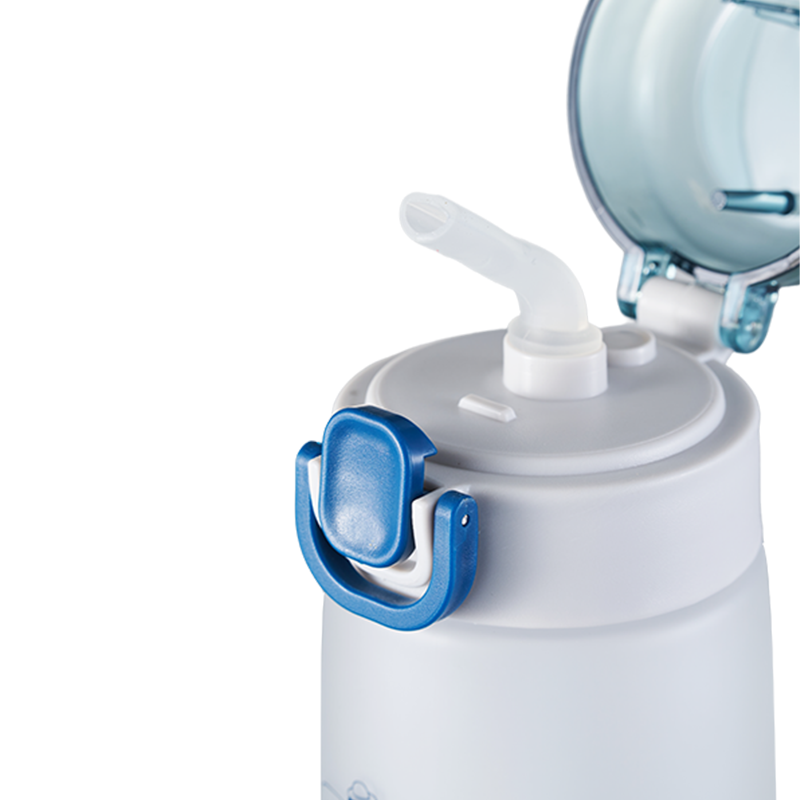
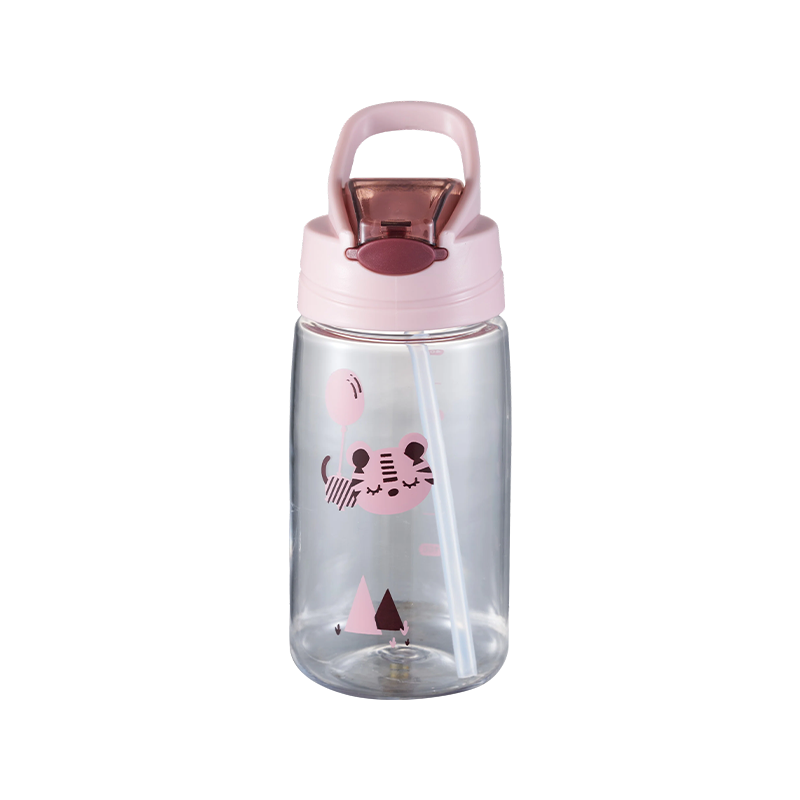
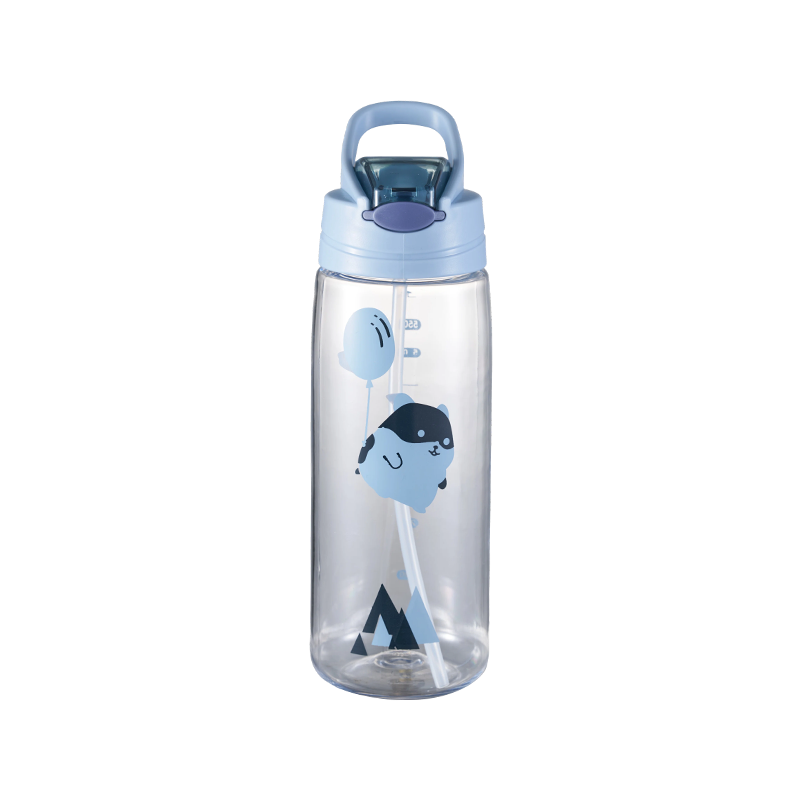
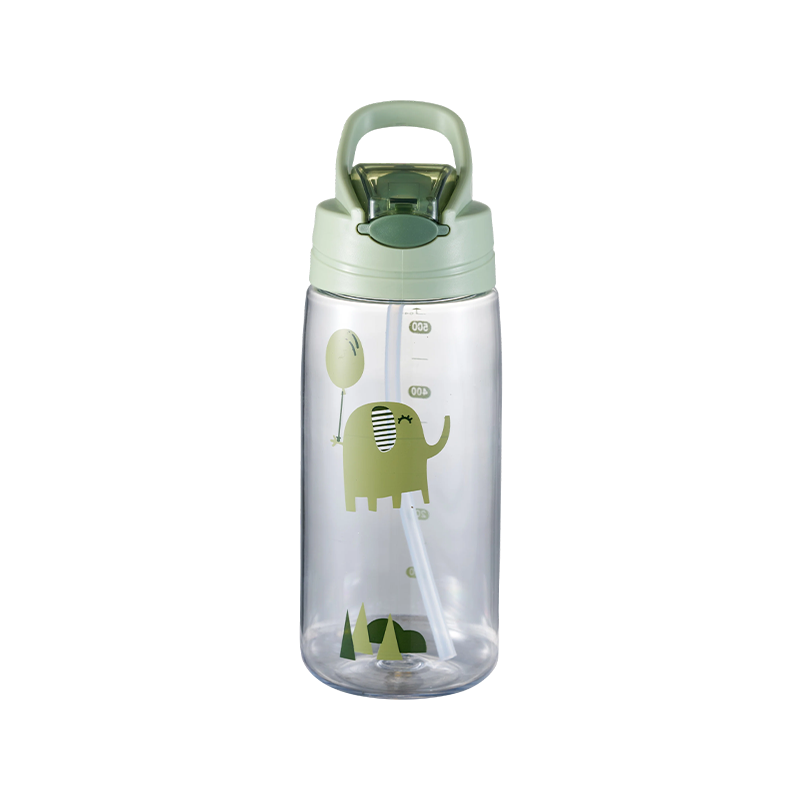
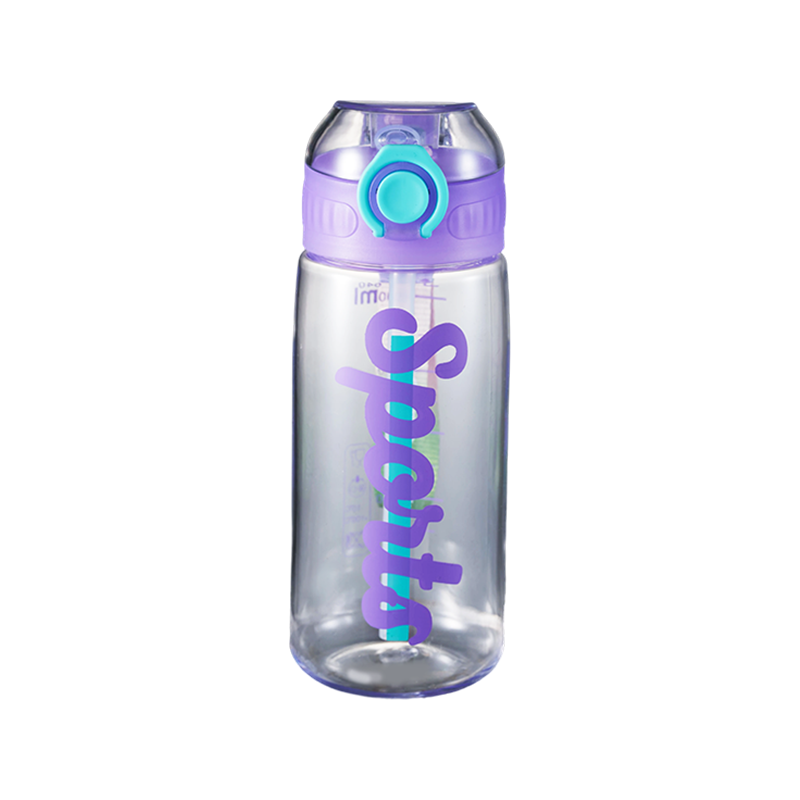
Stay hydrated on the go with our pop-up lid straw bottle, thoughtfully designed for students, sports enthusiasts, and travelers. Combining durability, convenience, and stylish design, this bottle is perfect for school, gym, outdoor activities, and daily use.

Key Features:
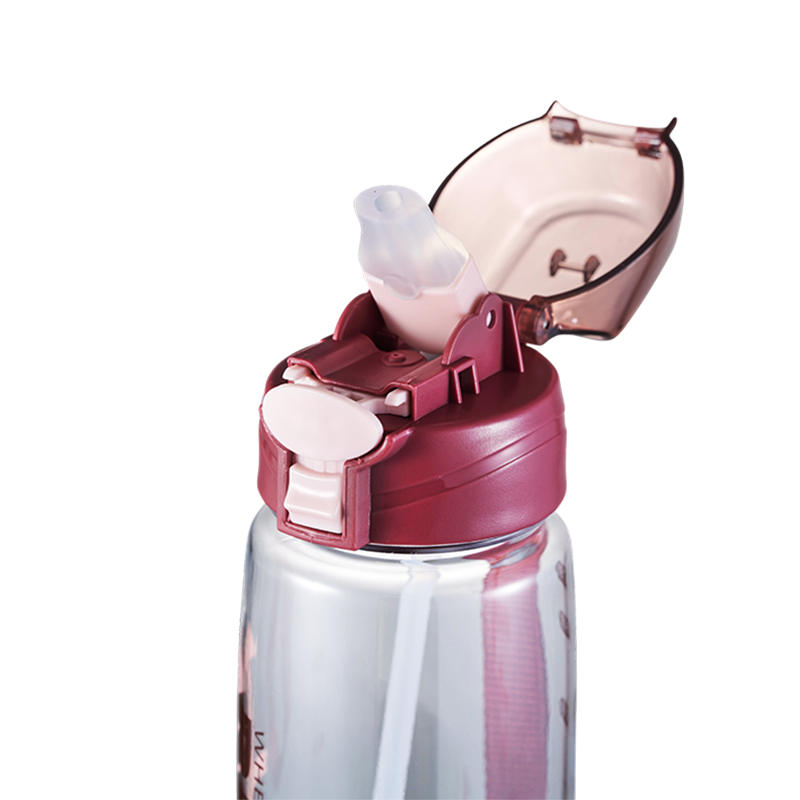
One-Touch Pop-Up Lid: Effortlessly open the lid with a single touch, making drinking quick and convenient anytime, anywhere.
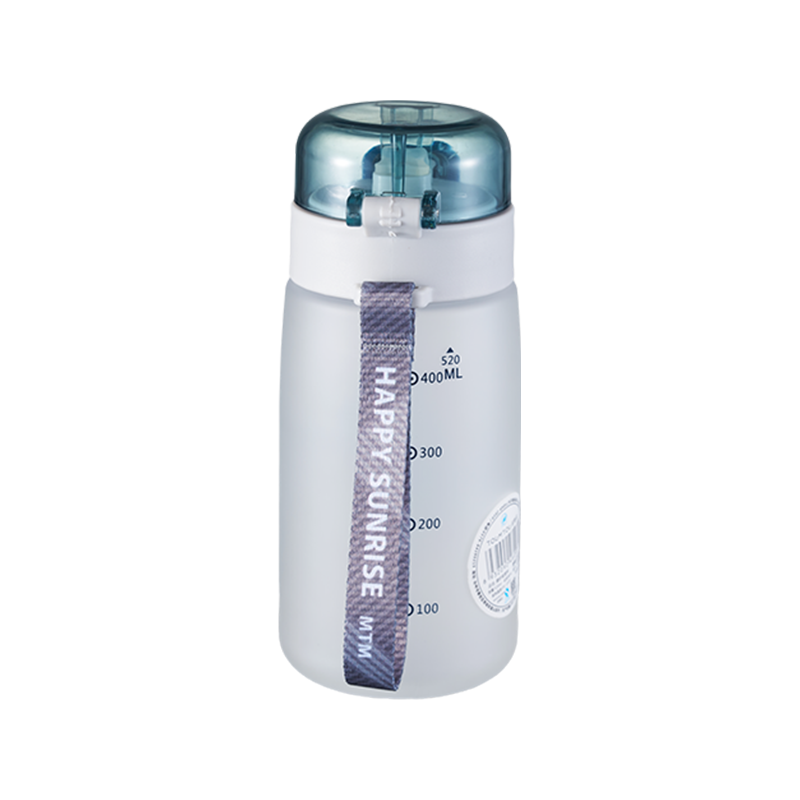
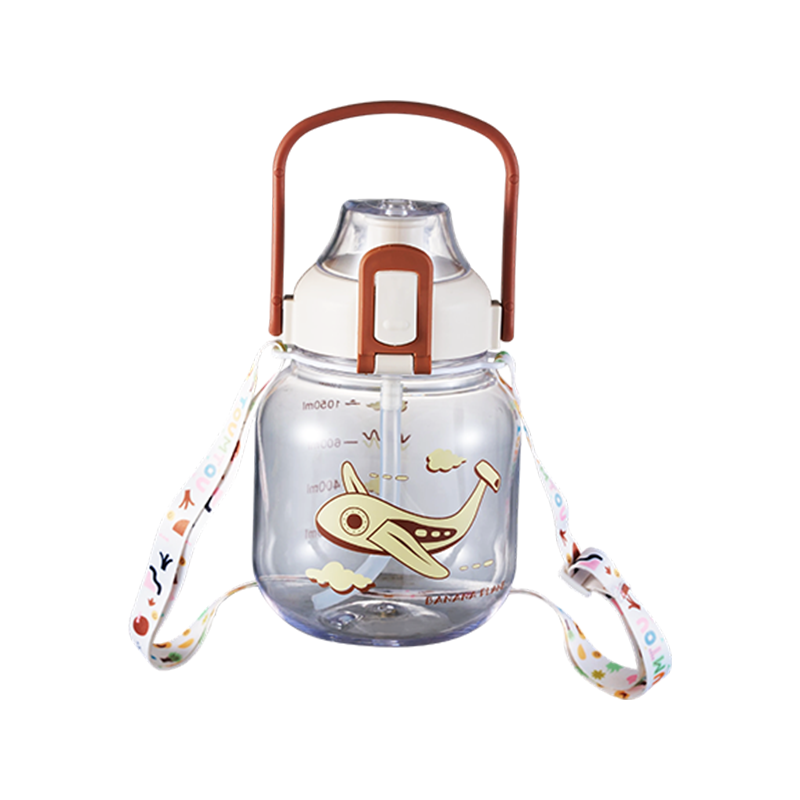
Clear Volume Measurements: Transparent markings on the bottle body let you easily monitor water intake.
Heat & Shock Resistant: Made from premium, durable materials to withstand daily bumps and drops, ensuring long-lasting use.
Portable & Ergonomic Design: Lightweight bottle with an ergonomic carry handle and detachable strap for easy hand or shoulder carry.
Aesthetic Silicone Sleeve: Soft, heat-insulating sleeve protects hands from hot drinks while adding a sleek, stylish look.
Multi-Use for School & Sports: Ideal for students, gym-goers, outdoor sports, and travel, keeping drinks safe, accessible, and spill-free.
Practical & Kid-Friendly: Safe, smooth edges and secure lid design make it suitable for children and adults alike.

Whether at school, at the gym, or on a trip, this all-in-one straw bottle delivers convenience, safety, and style in one. Its durable construction, leak-proof design, and comfortable carry options make staying hydrated easy and fun.

Contact Us
- Specifications
ITEM NO. Category CAPACITY QTY MOQ CTN SIZE Gross Weight (KG) Product Dimensions (cm)
1570 Straw Cup 520ml 60 300 47*39*37 8.56 8cm*18.1cm
1571 Straw Cup 640ml 60 300 47*39*42 9.16 8cm*20.4cm
1572 Straw Cup 750ml 60 300 47*39*47 9.76 8cm*22.5cm
1573 Straw Cup 520ml 60 300 47*39*37 8.56 8cm*18.1cm
1575 Straw Cup 640ml 60 300 47*39*42 9.16 8cm*20.4cm
1576 Straw Cup 750ml 60 300 47*39*47 9.76 8cm*22.5cm
1510 Straw Cup 520ml 60 300 47*39*37 8.21 8cm*18.1cm
1511 Straw Cup 640ml 60 300 47*39*42 9.04 8cm*20.4cm
1512 Straw Cup 750ml 60 300 47*39*47 9.22 8cm*22.5cm
1523 Straw Cup 520ml 60 300 47*39*39 6.78
1525 Straw Cup 630ml 60 300 47*39*44 7.32
1526 Straw Cup 730ml 60 300 47*39*49 7.74
1533 Straw Cup 550ml 60 300 47*39*40 8.52 7.5cm*17.5cm
1535 Straw Cup 650ml 60 300 47*39*45 9.06 7.5cm*19.5cm
1536 Straw Cup 750ml 60 300 47*39*50 9.5 7.5cm*22cm
1560 Straw Cup 520ml 60 300 47*39*37 8.6 7.5cm*17.5cm
1561 Straw Cup 640ml 60 300 47*39*42 9.4 7.5cm*19.5cm
1562 Straw Cup 730ml 60 300 47*39*47 9.53 7.5cm*22cm
1370 Straw Cup 520ml 60 300 47*39*37 7.75 7.5cm*17.5cm
1371 Straw Cup 640ml 60 300 47*39*42 8.28 7.5cm*19.5cm
1372 Straw Cup 730ml 60 300 47*39*47 8.46 7.5cm*22cm
1555 Straw Cup 520ml 60 300 47*39*37 6.42 7cm*17cm
1556 Straw Cup 640ml 60 300 47*39*42 7.08 7cm*19.5cm
1557 Straw Cup 730ml 60 300 47*39*47 7.5 7cm*22cm
1323 Straw Cup 520ml 60 300 47*39*39 6.78
1325 Straw Cup 630ml 60 300 47*39*44 7.32
1326 Straw Cup 730ml 60 300 47*39*49 7.74
1333 Straw Cup 550ml 60 300 47*39*40 9.5 7cm*19cm
1335 Straw Cup 650ml 60 300 47*39*45 10.03 7cm*21cm
1336 Straw Cup 750ml 60 300 47*39*50 10.6 7cm*23cm
Our Company
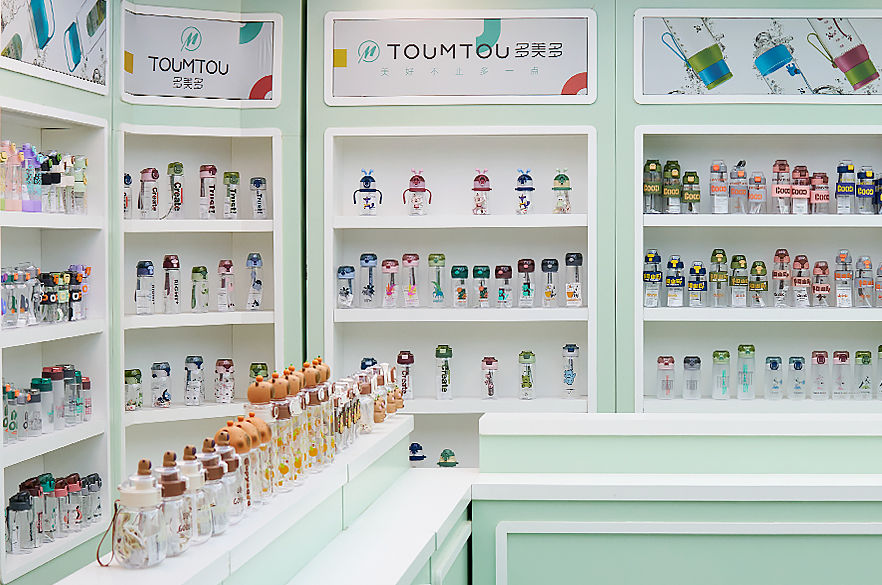
Taizhou Huangyan Zuohao Plastic Factory.

Taizhou Huangyan Zuohao Plastic Factory is a professional plastic water bottle manufacturer with over ten years of industry experience.  We also own an import/export company: Taizhou Huangyan Duomeiduo Import & Export Co., Ltd. We have a 4,000-square-meter production base and more than 100 skilled employees. We adhere to strict quality control standards to ensure that our products achieve superior quality at every stage. We are committed to continuous new product development every year, winning market share with innovative and forward-looking designs, while providing fully customized solutions to meet the diverse needs of our customers.

Latest News
  • Jul 27, 26
    Are Plastic Water Glass with Straws Easier to Drink?
    You leave home with a drink, only to discover it spills inside your bag after one sudden stop. You reach for your cup while walking, but removing the lid feels awkward and distracts you from what you're doing. If these situations sound familiar, you're not alone. Many people choose a Plastic Water Glass with Straws because they want drinking to fit naturally into a busy day instead of interrupting it. Modern routines rarely leave much room to stop and sit down for a drink. Commuting, working, studying, exercising, shopping, and traveling all involve constant movement. A drinking container that stays comfortable while people stay active can make everyday hydration feel a lot less complicated. Rather than simply holding a beverage, drinkware today often becomes part of a person's daily rhythm. Why Is Drinking on the Go Sometimes More Difficult Than Expected? Staying hydrated sounds straightforward until daily life gets in the way. Many people carry a bottle or cup with good intentions, yet still drink less than planned because using the container turns into a small hassle. Traditional cups often need two hands. Some lids have to come off completely before anyone can drink. Others make it awkward to grab a quick sip while walking or driving. These small inconveniences might seem minor on their own, but they show up again and again throughout the day. A few situations make the problem easy to picture: Walking between meetings with both hands already full Carrying shopping bags while trying to take a drink Driving through traffic without wanting to pop off an entire lid Exercising outdoors where frequent sips matter Studying for long stretches without wanting to break concentration When drinking turns inconvenient, plenty of people just put it off until later. How Does a Straw Change the Drinking Experience? A straw shifts how people interact with a drinking container. Instead of lifting the whole cup and tilting it every time, users can take smaller, faster sips while keeping the container in one comfortable position. That small difference fits naturally into a lot of daily activities. Someone walking through an airport can keep moving while still getting a drink in. Someone working at a desk barely needs to pause typing. During a workout, a quick sip often feels easier than unscrewing a cap every few minutes. The straw also changes how the beverage flows, letting many people drink at a pace that feels steadier and easier to manage. Preferences vary from person to person, but convenience tends to be one of the main reasons people gravitate toward this style of cup. What Makes Plastic a Practical Material for Everyday Use? People carry drinkware almost everywhere these days, and weight becomes surprisingly noticeable after a few hours of commuting or travel. Plastic brings together portability and convenience in a way that suits daily use. Compared with heavier materials, a lighter cup slides more easily into backpacks, handbags, school bags, or gym bags. It also tends to feel more manageable for kids or older adults who prefer something simpler to hold onto. A few everyday advantages worth noting: Daily Need How Plastic Helps Carrying throughout the day Lightweight and easy to pack Daily commuting Fits easily inside bags Outdoor activities Comfortable to handle while moving Family use Works across different age groups Regular cleaning Supports routine upkeep Many buyers aren't just hunting for a drinking container. They want something that slots naturally into their everyday lifestyle without adding friction. Can a Straw Help Reduce Spills? Spills rank among the biggest frustrations tied to portable drinkware. A sudden jolt on public transit, an unexpected stop while driving, or reaching into a crowded backpack can all turn an open cup into a small disaster waiting to happen. A straw lid can ease some of that stress, since users often don't need to fully remove the lid every time they take a sip. That setup brings a few practical benefits: Less exposure of the beverage during drinking Fewer chances for accidental splashing More convenient sipping while walking or riding in a vehicle Better control when drinking with just one hand No drinking container completely eliminates spills, and careful handling still matters. Still, plenty of users appreciate designs that cut down on everyday accidents during normal use. Where Do These Cups Fit into Daily Life? Part of why these cups have become so common comes down to how flexible they are across different situations. The same cup might travel from home to the office, tag along during an afternoon workout, and later sit beside the sofa in the evening. A few common scenarios where this style of cup tends to show up: Activity Why a Straw Cup Fits Morning commute Quick access while traveling Office work Convenient desk hydration School Easy drinking between classes Fitness sessions Supports regular hydration Outdoor walks Comfortable while moving Road trips Accessible during travel Home use Convenient throughout the day Instead of juggling separate containers for every activity, many people prefer one cup that adapts across the board. That flexibility often ends up being a real factor during the buying process. Does Comfort Matter as Much as Convenience? Convenience grabs attention first, but comfort usually decides whether a cup actually becomes part of someone's everyday routine. A drinking container that feels awkward in the hand tends to spend more time sitting on a shelf than actually getting used. Comfort comes down to a handful of small details working together. The shape needs to feel natural to hold. The straw should sit somewhere easy to reach. The cup should slot into everyday routines without demanding extra effort every single time someone wants a drink. Buyers tend to notice things like: Comfortable grip A smooth drinking experience Easy access to the straw A size that's easy to carry around Comfortable use over longer stretches These details sound simple, but they end up shaping whether people keep reaching for the same cup day after day. What Should Buyers Consider Before Choosing One? Not everyone follows the same daily routine, so the right cup really depends on how it's actually going to get used. Someone working in an office likely has different priorities than someone exercising outdoors every afternoon. Before deciding, buyers often work through questions like: Will the cup travel often? Does one-handed drinking matter? How often will it need cleaning? Will kids be using it too? Does it fit comfortably inside bags or cup holders? Is the straw easy to remove for regular washing? Thinking through actual daily habits usually leads to a more practical pick than focusing on looks alone. Matching the cup to real lifestyle needs tends to pay off with more everyday satisfaction over time. How Does Easy Cleaning Influence Everyday Use? A reusable cup only stays convenient if people actually feel like cleaning it. Complicated designs with hard-to-reach corners sometimes discourage regular maintenance altogether. Over time, that can mean the cup gets used less and less. Plenty of buyers gravitate toward products built with everyday cleaning in mind. A few habits that keep maintenance simple: Rinsing after each use Washing the straw thoroughly Letting all parts dry completely Keeping the lid clean during regular use Checking removable pieces during routine cleaning When cleaning fits naturally into normal household routines, reusable drinkware stays easier to use consistently. Convenience isn't just about drinking itself. It also covers the time spent getting the cup ready for its next round. Why Are More People Choosing Reusable Drinkware for Daily Hydration? Lifestyle habits keep shifting as people spend more of their day moving between work, school, exercise, and everything in between. Drinking containers are expected to keep pace with these routines rather than slow them down. A Plastic Water Glass with Straws fits into that shift toward everyday practicality. People often look for something comfortable to carry, simple to use on the move, and easy to maintain as part of ordinary household routines. Lightweight construction, accessible drinking, and flexible daily use together make this style of drinkware workable across a wide range of settings, from offices and classrooms to parks and fitness centers. When buyers think about how often they reach for a drink throughout the day, portability, spill control, cleaning convenience, and overall comfort tend to matter just as much as appearance. Picking a drinking container that fits naturally into existing habits helps encourage steadier hydration while cutting down on the small frustrations that can make carrying a reusable cup feel like more trouble than it's worth.
    READ MORE
  • Jul 24, 26
    PP Plastic Water Bottle or PET: Choosing the Right Material
    Picking a bottle material sounds simple until a batch of bottles shows up cracked, cloudy, or warped after a single hot delivery truck ride, and suddenly the whole production timeline is stuck waiting on a decision that should have been made weeks earlier. A PP Plastic Water Bottle solves a specific set of problems that a lot of buyers only discover after choosing the wrong material once, usually the hard way, through a batch of returns or a client complaint about a bottle that deformed after sitting in a hot car. Anyone sourcing reusable bottles for a product line, a retail brand, or a promotional order eventually runs into the same fork in the road. PP and PET are both common plastics used in bottle manufacturing, and they behave differently enough that picking the wrong one can undermine an otherwise solid product design. This comparison walks through where each material tends to perform well, where it falls short, and how to match the choice to the actual conditions a bottle will face once it leaves the factory. The frustrating part is that this decision rarely announces itself as urgent during the design phase. A prototype looks fine sitting on a desk at room temperature, and it is only after real customers start using the product across different climates, washing it repeatedly, or leaving it in a hot vehicle that the wrong material choice reveals itself. By then, tooling has already been paid for, packaging has been designed around a specific bottle shape, and switching materials mid production run becomes far more expensive than it would have been to get the decision right from the start. Working through the comparison ahead of time saves that whole cycle of discovering a problem after the fact. What Actually Separates PP and PET as Bottle Materials? Both materials come from the same general plastics family, but their molecular structure gives them noticeably different behavior once shaped into a bottle. PP, short for polypropylene, tends to hold up better under repeated heat exposure and physical stress, while PET, short for polyethylene terephthalate, tends to offer better clarity and a slightly stiffer, more rigid feel straight out of the mold. A few core distinctions worth understanding early on: PP generally tolerates a wider range of temperatures without softening or warping PET typically provides a clearer, glass like appearance that shows off liquid contents well PP tends to flex slightly under pressure rather than cracking outright PET is often lighter for a given wall thickness, though this varies by design PP holds up better against repeated washing and reuse cycles over time Neither material is universally better suited across every application. The right choice depends heavily on what the bottle needs to survive, how it will be used day to day, and whether visual clarity or physical resilience matters more for the specific product line in question. It helps to think about these two plastics almost like two different personalities rather than a simple better or worse comparison. PP behaves more like a material built for endurance, tolerating stress and heat over a long working life without much drama. PET behaves more like a material built for presentation, prioritizing a clean look and a crisp feel, though that comes with a bit less tolerance for the kind of repeated abuse a reusable bottle typically endures over months or years of daily use. Reusability Needs Tend to Point Toward One Material This question comes up constantly among buyers developing a reusable bottle line, and the answer leans fairly clearly in one direction once repeated use enters the picture. Bottles meant for one time or limited use, like disposable drink packaging, tend to favor PET because of its clarity and lower material cost at scale. Bottles built for repeated refilling, washing, and long term daily use tend to favor PP, since its molecular structure resists the kind of stress cracking that can develop in PET after many cycles of squeezing, dropping, or exposure to hot liquids and dishwasher cycles. A few signs that PP tends to be the more practical pick for a reusable product line: The bottle will be washed regularly, sometimes in hot water or a dishwasher Users are likely to squeeze, drop, or otherwise physically stress the bottle during normal use The bottle needs to tolerate contact with hot liquids without deforming Long service life matters more to the brand than achieving full transparency Buyers developing a sports bottle, a travel bottle, or a kids bottle line frequently gravitate toward PP for exactly these reasons, since these use cases involve rougher daily handling than a one time beverage container typically experiences. Consider a bottle that gets tossed into a gym bag, squeezed while being carried during a run, filled with hot tea on a cold morning, then washed in a dishwasher that evening. That kind of daily cycle repeated across months adds up to a level of stress that a material chosen purely for looks was never designed to absorb. PP tends to shrug off this pattern reasonably well, while a PET bottle put through the same routine often starts showing hairline stress marks, a slightly cloudy finish where it once was clear, or a stiffness that eventually gives way to cracking near the base or the threading around the cap. How Do PP and PET Compare on Weight and Everyday Feel? Weight matters more than people expect when a bottle is meant to travel in a bag, a gym kit, or a backpack all day. What follows lines up how PP and PET generally compare across a handful of practical buying considerations. Property PP Plastic Water Bottle PET Water Bottle Heat Resistance Good, tolerates hot liquids and dishwasher cycles Moderate, can soften under sustained heat Transparency Slightly hazy, translucent finish Clear, glass like appearance Flexibility Bends under pressure rather than cracking More rigid, can crack under sharp impact Reuse Durability Strong across repeated wash and refill cycles Weakens gradually with repeated stress Typical Weight Comparable, varies by wall thickness Comparable, varies by wall thickness Common Use Case Sports bottles, travel bottles, reusable daily bottles Single use or short term beverage packaging None of these comparisons apply universally, since wall thickness, manufacturing process, and specific formulation all shift the outcome somewhat. Treat this table as a general starting point rather than a fixed rule for every product design. Wall Thickness Changes the Weight Equation More Than Base Material Buyers sometimes assume the base material alone determines how heavy a bottle feels in hand, but wall thickness plays just as large a role in the final outcome. A PP bottle molded with thinner walls can end up lighter than a PET bottle with thicker walls, even though PP is sometimes assumed to be the heavier option by default. This matters because manufacturers can adjust wall thickness during the molding process to hit a specific weight target, within reason, regardless of which base plastic is chosen. Buyers focused purely on minimizing weight should discuss wall thickness options directly with a manufacturer rather than assuming material choice alone will settle the question, since a poorly specified thick walled PP bottle can end up heavier than a well designed PET alternative, and the reverse holds true just as often. Grip and Handling Differences Worth Noting Beyond raw weight, how a bottle feels in the hand during actual use depends on surface texture and flexibility as much as overall mass. PP's slight give under pressure tends to translate into a grippier, more forgiving feel, particularly for younger users or anyone using the bottle during physical activity where a secure hold matters. PET's more rigid structure can feel sleeker and more premium in hand, though it offers less forgiveness if dropped onto a hard surface at an awkward angle. Transparency Becomes a Deciding Factor for Certain Buyers Visual clarity plays a bigger role in purchasing decisions than many people initially assume, particularly for products where the buyer wants to see the contents clearly before drinking. PET tends to win out here because of its naturally clear, glass like finish, which makes it a common choice for juice bottles, soda packaging, and other beverage containers where visual appeal matters at the point of sale. PP, by contrast, usually has a slightly cloudy or frosted appearance, which some buyers actually prefer for a more understated, matte look on a reusable bottle. A few situations where transparency becomes a genuine priority: Beverage brands wanting customers to see the color and clarity of the drink itself Retail packaging where shelf appeal depends partly on visual presentation Products marketed around a clean, premium aesthetic tied to clarity A few situations where transparency matters less: Sports and travel bottles where durability and grip matter more than see through walls Branded promotional bottles where a printed or colored exterior already covers a large share of the surface Products aimed at outdoor or rugged use, where a frosted or tinted finish fits the intended look better than full transparency Can PP Be Made More Transparent for Buyers Who Want Both Qualities? Certain PP formulations, sometimes described as clarified polypropylene, offer improved transparency compared to standard PP while still retaining a large share of the material's heat resistance and durability. This option tends to interest buyers who like the physical resilience of PP but do not want to sacrifice all visual clarity in the finished product. The tradeoff worth understanding here is that clarified PP typically costs more to produce than standard PP, and its clarity, while noticeably better than regular PP, still does not fully match the glass like transparency that PET provides naturally. For buyers where transparency is a nice to have rather than an absolute requirement, this middle ground option is worth raising directly with a manufacturer during early product discussions. How Do PP and PET Handle Heat and Temperature Swings? Temperature tolerance separates these two materials more clearly than almost any other factor, and it tends to be the deciding consideration for buyers whose bottles will encounter hot liquids or hot environments regularly. PP generally holds its shape well across a fairly wide temperature range, which is part of why it shows up so often in bottles meant to handle hot water, tea, or coffee without warping. PET, while perfectly serviceable at room temperature, tends to soften noticeably once exposed to sustained heat, whether that comes from a hot beverage poured directly inside or simply from sitting in a hot vehicle or storage area during warmer months. For buyers developing a product meant for year round use across varying climates, this difference deserves real attention rather than being treated as a minor technical detail. A bottle that performs fine in a mild climate might behave very differently once shipped somewhere with consistently higher ambient temperatures, and a material choice that ignores this reality can result in a wave of complaints or returns that could have been avoided with a more heat tolerant material from the outset. What Happens Inside a Hot Vehicle or Storage Container? A closed vehicle sitting under direct sun can reach temperatures well beyond what many people expect, even on a day that does not feel especially hot outside. A bottle left inside that environment, whether empty or partially filled, experiences a level of heat stress that reveals material weaknesses far faster than normal daily use ever would. PP tends to tolerate this kind of scenario without permanent damage, retaining its shape once temperatures return to normal. PET, depending on formulation and wall thickness, can show visible warping or a slight loss of structural integrity after repeated exposure to this kind of heat cycle, particularly if the bottle sits in these conditions repeatedly over an extended period rather than as an isolated incident. Buyers whose products will realistically spend time in vehicles, warehouses without climate control, or outdoor storage should weigh this scenario heavily during material selection rather than treating it as an unlikely edge case. Cold Weather Behavior Deserves Attention Too Heat resistance tends to dominate this comparison, but cold weather performance matters for buyers whose products see use across a full range of seasons. PP generally maintains its flexibility even in colder conditions, resisting the kind of brittleness that can affect some plastics once temperatures drop significantly. PET can become somewhat more brittle in very cold conditions, which matters for buyers whose bottles might be used outdoors during winter months or stored in unheated spaces during colder seasons. Matching Material Choice to the Bottle's Intended Use Rather than treating this as a single universal decision, it helps to think through the specific product being developed and what conditions it will realistically face during its working life. A rough guide worth considering during product development: Sports and fitness bottles benefit from PP because of repeated washing, squeezing, and exposure to varying temperatures during active use Travel and commuter bottles often favor PP for similar reasons, especially when users refill with hot beverages during colder months Single serve or promotional beverage bottles often favor PET for its clarity and lower cost at high production volumes Kids bottles frequently use PP because of its resistance to cracking under drops and rough handling Premium beverage packaging aimed at shelf appeal often leans toward PET for its glass like presentation Matching material to actual use case, rather than defaulting to whichever material a factory happens to stock in bulk, tends to produce a product that holds up to real customer expectations instead of generating complaints after only a handful of uses. Hybrid Product Lines Sometimes Need Both Materials Larger brands developing a full bottle catalog sometimes end up using both materials across different product lines rather than picking one universally. A brand might use PP for its rugged, reusable sports line while using PET for a lighter, more visually appealing travel or lifestyle line aimed at a different customer segment entirely. This approach requires closer coordination with a manufacturer capable of handling both material types consistently, since managing two separate production processes under one brand umbrella introduces more complexity than sourcing a single material exclusively. Buyers considering this path should confirm early on whether a potential manufacturing partner has genuine experience running both PP and PET lines side by side, rather than assuming any factory equipped for one material can simply switch over to the other without meaningful adjustment. What Should Buyers Ask a Bottle Manufacturer Before Placing an Order? Sourcing decisions around bottle material go well beyond picking PP or PET on a spec sheet. A few questions worth raising directly with a manufacturer before committing to a production run: What wall thickness and molding process will be used, since this affects both weight and durability regardless of base material Can sample units be tested under conditions similar to intended use, including exposure to hot liquids or repeated washing cycles What safety certifications or material testing does the factory provide for food contact applications Is customization available for color, printing, or bottle shape without significant delay to production timelines How consistent is quality control across a full production batch, rather than just a handful of early samples Manufacturers who answer these questions with specific, verifiable detail tend to be better equipped to support an ongoing product line than those offering vague reassurances without backing them up with concrete process information. Sample Testing Before Committing to a Full Production Run Requesting and thoroughly testing sample units before finalizing a large order is one of the more overlooked steps in this whole process, yet it tends to catch problems that specification sheets alone rarely reveal. A sample bottle can be filled with hot liquid, left in direct sunlight for an extended stretch, dropped from a reasonable height onto a hard surface, and washed repeatedly, all before a buyer commits to thousands of units built from the same material and mold. Skipping this step to save time upfront often shifts the discovery of a material or design flaw to a much later, more expensive stage, sometimes only after a full shipment has already reached customers. A short testing period, even a modest one, tends to surface issues early enough that adjustments to material choice, wall thickness, or design can still happen before committing significant resources to a full production run. Questions Around Consistency Across Larger Orders Buyers placing volume orders should also ask how a manufacturer maintains consistency once a production run scales up well beyond an initial sample batch. Material properties, molding tolerances, and finish quality can drift across a large run if quality control processes are not applied consistently from the opening batch through to the closing one. A manufacturer who can describe clear checkpoints throughout a production cycle, rather than relying solely on a final inspection at the end, tends to deliver a more reliable outcome across an entire order. Bringing the Comparison Together for a Confident Choice Choosing between PP and PET ultimately comes down to matching material properties to how a bottle will actually be used, rather than assuming one material is broadly better than the other across the board. PP tends to serve reusable, heat exposed, and physically demanding applications well, while PET tends to serve single use or display focused packaging where clarity plays a bigger role than long term durability. Buyers who think through washing habits, temperature exposure, and expected product lifespan before finalizing a material choice tend to avoid the kind of costly redesign that comes from discovering a mismatch after a full production run has already shipped. Working with a manufacturer that understands these material tradeoffs in depth can make the difference between a bottle line that performs consistently and one that generates returns and complaints within a matter of months on the market. Taizhou Huangyan Zuohao Plastic Factory works with brands and buyers developing reusable and travel focused bottle products, supporting material selection, custom design, and production planning tailored to how each bottle will actually be used. Reaching out directly with specific product requirements and expected order volume is a reasonable next step for anyone ready to move from comparing materials toward finalizing an actual production plan.
    READ MORE
  • Jul 20, 26
    How to Pick a Plastic Water Bottle for Adults and More
    Picking a bottle size sounds simple until an order ships and half the batch comes back because customers say it is too bulky to carry, or too small to get through a workday. Anyone sourcing a Plastic Water Bottle for Adults has probably run into this exact wall: a size that looks fine on paper turns out wrong once real people start using it day to day. The mismatch usually traces back to one thing, which is treating all buyers as if they share the same habits, when in fact an office worker, a traveler, and someone heading to the gym want completely different things from the same product category. There is a temptation in product development to settle on a single capacity and call it universal, mostly because it simplifies molds and shortens production runs. That shortcut tends to backfire once real feedback starts coming in from retail shelves or online reviews, where the complaints usually sound similar: too heavy for a commute, too small for a long shift, too awkward to grip mid-run. Sorting through customer type before locking in a size avoids a good deal of that pain later. Why Bottle Size Depends on the Customer A bottle that works well for one group can fail completely for another, and that has less to do with taste than with how each person actually uses the product across a normal day. Someone sitting at a desk for hours cares about total capacity, since refilling constantly is annoying. Someone jogging around a neighborhood block cares about grip and weight far more than how much liquid the bottle holds. There is no single size that satisfies every buyer, and chasing one usually ends up satisfying nobody particularly well. A few factors tend to drive the decision more than anything else: Daily activity level and how long the bottle needs to last between refills Whether the bottle gets carried by hand, tossed in a bag, or clipped to gear Climate and how much a person sweats or hydrates during a session Age group, since children and older adults often want lighter, easier grips Age and Lifestyle Shape the Decision More Than People Expect It is tempting to assume capacity is just a matter of preference, but lifestyle patterns explain a lot of the variation. A commuter who drinks water steadily through a long shift wants something that does not need refilling every hour. A parent packing lunch for a child wants the opposite: something small enough for little hands and a backpack side pocket. Manufacturers who understand this stop guessing and start segmenting product lines around actual use cases instead. This is where a lot of otherwise solid products stumble. A design team might nail the material, the cap mechanism, and the finish, only to miss the mark on capacity because nobody mapped out who was actually going to carry the thing around all day. Getting the size conversation right earlier in development tends to save a redesign cycle later, which is not a small thing once tooling and packaging are already committed. What Do Different Customer Groups Actually Need? Breaking buyers into rough categories makes the sizing conversation a lot more concrete. None of these groups are rigid boxes, but they cover the bulk of demand a brand or retailer typically deals with. Customer Group Priority Typical Bottle Trait Common Setting Adults / Everyday Users Steady hydration across a long day Larger capacity, secure cap Office, home, commute Travelers Portability and leak protection Lightweight body, compact shape Airports, road trips, luggage Gym and Sports Users Quick access while moving Wide mouth, easy grip, spill resistance Gyms, tracks, outdoor training Adults and Everyday Hydration Habits Adults buying a Plastic Water Bottle for Adults usually want something that gets them through a stretch of hours without constant refilling. This group tends to value a comfortable grip and a cap that seals reliably, since the bottle often rides around in a bag or sits on a desk for extended periods. It rarely needs to be the lightest option on a shelf. Weight matters less here than for someone jogging or flying, so a slightly heavier build with a larger capacity generally fits this group better than a stripped-down design built purely for portability. Think about how many times a desk worker actually gets up during a shift. Not often, in a lot of office environments, which means the bottle sitting next to the keyboard needs to hold enough water to make that infrequent trip worthwhile. A smaller bottle in this setting just means more interruptions, and plenty of people would rather carry a bit of extra bulk than break concentration every twenty minutes to refill something. Travelers Need Something Different Travel changes the calculation almost entirely. A bottle that gets tossed into a carry-on, squeezed between other items, or handled roughly at security checkpoints has to survive that treatment without leaking. A Plastic Water Bottle for Travel tends to prioritize a compact shape and a lighter shell over sheer holding capacity. Spill resistance becomes a bigger deal here too, since a leak inside a packed bag ruins more than just the water. Buyers sourcing for this segment often ask about cap security and drop resistance before they ask about size at all. Airport security adds its own wrinkle, since a lot of travelers end up emptying and refilling a bottle multiple times in a single trip. A shape that is easy to rinse out and refill quickly, without fumbling at a crowded water fountain, ends up mattering just as much as how much it holds once full. Gym and Running Users Have Their Own Priorities Fitness-focused buyers approach the decision from a completely different angle. A Plastic Water Bottle for Gym use needs to survive being tossed on a bench, gripped with sweaty hands, and opened one-handed mid-set without slowing anyone down. Runners face an even narrower set of constraints. Sports Water Bottles for Running usually favor a slimmer profile that fits a hand or a belt holder, since bulk becomes uncomfortable across a longer distance. Grip texture and a mouth wide enough for quick sips without stopping tend to matter more than raw capacity for this crowd. There is also a temperature factor worth mentioning. Someone training outdoors during warmer stretches drinks more frequently and in smaller amounts than someone sitting through a lecture, so a bottle built for that context needs to make each sip fast rather than focusing purely on total volume. A design that slows a runner down mid-stride, even by a couple of seconds, tends to get abandoned in favor of something quicker to use. Small Bottle or Large Capacity? This comparison comes up constantly during product development, and the honest answer is that it depends entirely on how the end user moves through their day. A small bottle wins on portability and fits nearly any bag or cupholder, but it forces more frequent refills. A larger bottle solves that refill problem but adds bulk that some users genuinely dislike carrying. A Lightweight Plastic Water Bottle tries to split the difference by using thinner walls or a more compact shape to reduce weight without cutting capacity too aggressively. Whether that trade-off works depends on the customer base a brand is targeting. Office workers tend to tolerate a bit of extra weight in exchange for fewer refills, while travelers and runners usually lean toward whatever weighs less in the hand. Neither approach is wrong, and framing the comparison as a contest misses the point somewhat. It really comes down to matching the product to how the buyer's customer actually lives their day. A retailer stocking both a compact and a full-size option, rather than betting everything on one middle-ground size, often covers more ground with less guessing involved. Straw Design or Traditional Cap? Bottle structure adds another layer to the sizing conversation, since a straw-style opening changes how much liquid a user drinks per sip compared with a standard screw cap. A reusable straw bottle tends to encourage more frequent, smaller sips, which some buyers prefer for steady hydration through a workday. A traditional cap, on the other hand, allows for a fuller gulp and often seals more securely for travel. Neither structure is inherently better. It comes down to how the target customer actually drinks. Someone who sips continuously at a desk might prefer the straw format. Someone tossing a bottle in a gym bag between sessions might care more about a cap that will not pop open and soak everything else inside. A spill proof plastic water bottle matters across nearly every group, but the reasons shift depending on context. Travelers worry about luggage damage. Gym users worry about bags getting soaked mid-workout. Parents worry about small hands fumbling a cap. The underlying feature stays consistent even though the motivation behind wanting it changes from one buyer to the next. Can Bottle Size Be Customized for a Brand? Retailers and brand owners rarely want to pick a single fixed size and stop there. Market positioning usually calls for a small range, maybe a compact option alongside a larger everyday version, so a product line can cover more than one customer group without diluting the brand's identity. A few things typically come up once a buyer starts talking customization with a factory: Mold availability for different capacity ranges and shapes Order quantity thresholds tied to each size variant Material options, including PP plastic water bottle construction for durability Timeline for producing custom molds versus using existing tooling Branding placement, since label area shrinks or grows with bottle size Working through these questions early prevents a lot of back and forth later in production, and it usually shortens the path from concept to a finished batch ready for retail shelves. Buyers who skip this step tend to run into surprises during sampling, when a mold that looked fine on a drawing turns out to sit awkwardly in a hand, or a cap that fit one bottle body does not seal correctly on a slightly larger variant. Catching that during early conversation, rather than after tooling has already been cut, saves both budget and time. Does Factory Experience Actually Matter Here It does, more than a lot of buyers expect going in. A factory that has already produced bottles across several size categories tends to spot sizing problems before they become expensive mistakes, whether that means flagging a cap that will not seal properly at a certain capacity or pointing out that a proposed shape will not survive standard shipping handling. Sourcing a bottle size that actually fits a target customer takes more than picking a number off a spec sheet. It means thinking through how that person carries the bottle, how often they refill it, and what kind of environment it has to survive, whether that is a gym floor, an airport security line, or a desk drawer. Getting size wrong is an easy mistake, and it is also one of the more expensive ones to fix once a batch has already shipped to a retailer or brand partner. None of this needs to be guesswork on the buyer's side either. A factory that has already run production across adult, travel, and sports-focused lines usually has a reasonable sense of which capacity ranges tend to perform well for each group, and can flag a sizing decision that looks risky before it turns into a costly reprint of packaging or a batch that sits unsold. Taizhou Huangyan Zuohao Plastic Factory works with brands and buyers to match capacity, weight, and structure to the customer group behind each order, covering everyday adult use through travel and sports applications with production capability built around that kind of flexibility. Reaching out before finalizing a spec sheet tends to save both time and reorders down the line.
    READ MORE
  • Jul 17, 26
    How a Reusable Straw Bottle Changes Daily Drinking Habits
    Grabbing another plastic bottle from the office fridge or the gym vending machine feels harmless in the moment, but multiply that by every workday and the waste adds up fast. People who sit at a desk for long stretches often reach for whatever is closest, and a Reusable Straw Bottle sitting on that same desk quietly changes the pattern without requiring much thought at all. The habit shift is small, but the cumulative effect on plastic consumption is not. Why Single-Use Habits Are Harder to Break Than We Think Most people do not consciously choose disposable bottles over reusable ones. They just happen to be available at the right moment, whether that is a vending machine at the gym or a convenience store near the office. Breaking that pattern usually requires having a reliable alternative already within reach, not a vague intention to "drink less plastic" someday. Does Convenience Actually Beat Good Intentions? Yes, more often than people expect. A bottle sitting empty in a bag at home does nothing. A bottle sitting filled on a desk, refilled each morning as part of a routine, actually gets used consistently. What Makes a Bottle Worth Keeping Long-Term Durability is the quiet deciding factor for anyone who sits at a desk most of the day and refills the same bottle repeatedly. A few practical qualities separate a bottle people actually keep using from one that ends up forgotten in a drawer: A straw or spout that does not crack after repeated use A material that resists staining from coffee, tea, or flavored drinks A shape that fits into a bag pocket or cup holder without wobbling A lid seal that holds up after months of daily opening and closing Skipping any of these details tends to shorten how long a bottle actually stays in rotation before someone gives up on it. How a Straw Design Changes Daily Drinking Habits A straw seems like a small feature, but it noticeably changes how much water someone drinks over a workday. Does Sipping Through a Straw Really Increase Water Intake? For many desk-bound users, yes. A straw allows sipping without lifting the whole bottle or tilting the head back, which matters when hands are busy typing or holding a phone during a call. This convenience factor is part of why a straw bottle intended for repeated refilling tends to get picked up more often throughout the day compared to a bottle requiring both hands and full attention to drink from. Comparing Bottle Types for Different Daily Situations Not every reusable bottle suits every routine. Office workers, gym-goers, and frequent travelers each tend to prioritize different features. Bottle Feature Best Suited For Why It Matters Lightweight Plastic Water Bottle Desk use and daily carrying Reduces strain when carried in a bag all day Spill Proof Plastic Water Bottle Gym bags and commuting Prevents leaks near laptops and papers Plastic Water Bottle for Travel Flights and road trips Holds up under temperature and pressure changes PP Plastic Water Bottle Everyday refilling routines Resists odor buildup from repeated use This kind of comparison helps narrow down which bottle style actually fits a specific daily pattern rather than picking based on appearance alone. Why Material Choice Affects How Long a Bottle Lasts Material matters more than most buyers initially consider when picking a bottle meant for years of use rather than a single season. A PP plastic water bottle tends to resist cracking from repeated drops better than more rigid plastic types, while also holding up reasonably well against temperature shifts from hot coffee one morning and cold water the next afternoon. Does Cheaper Plastic Really Wear Out Faster? In most cases, yes. Lower grade plastics tend to develop cloudiness, retain odors, or crack around stress points like the base or the lid threading within a shorter span of regular use. Spending a little more upfront on better material tends to extend how long a bottle stays functional and pleasant to drink from. Reducing Plastic Waste Without Overhauling an Entire Routine Cutting down on single-use plastic does not require a complete lifestyle change. Small, repeatable habits tend to stick better than dramatic ones that feel exhausting after a few weeks. A few realistic steps that fit into an already busy schedule: Keep a filled bottle visible on the desk rather than tucked in a bag Refill during natural breaks, like stepping away from a screen for a few minutes Choose a bottle with a spill proof plastic water bottle design for easier transport between rooms or during commutes Wash the bottle at the end of each day rather than letting it sit unused until it becomes unpleasant None of these steps demand extra time in a day that already feels full, which is part of why they tend to actually hold up over months rather than fading out after a week. Does a Bottle Really Reduce Overall Plastic Consumption? The math is fairly straightforward once laid out plainly. Someone who buys a disposable bottle daily accumulates a noticeable pile of plastic waste over a year. Someone refilling the same Reusable Straw Bottle each morning avoids that entire pile, replacing it with a single durable object that gets reused hundreds of times before ever needing replacement. This does not mean reusable bottles solve plastic waste on their own, but they remove a steady, repeated source of it from an individual's daily habits, which adds up meaningfully across households, offices, and gyms over time. What Buyers Should Ask Before Sourcing in Bulk Brands and retailers looking to stock reusable bottles for retail or promotional purposes face different considerations than an individual buying one bottle for personal use. A few practical questions tend to separate a dependable supplier relationship from a frustrating one: Does the factory test lids and straws for repeated use before shipping full orders Can sample batches be provided that reflect actual production quality rather than showroom pieces What material grades are used, and do they meet food contact safety expectations How consistent is color and finish across larger production runs Working with a plastic water bottle factory that answers these questions directly, rather than deflecting with vague assurances, tends to reduce the risk of receiving inconsistent batches partway through a larger order. Bringing the Habit and the Product Together Reducing plastic waste through daily habits works best when the product itself makes the habit easy to maintain rather than something requiring constant willpower. A well-built Reusable Straw Bottle, paired with realistic daily routines like refilling during breaks or keeping it visible on a desk, tends to replace disposable bottle habits more effectively than good intentions alone ever could. Whether the priority is a lightweight design for daily carrying, a spill proof build for commuting, or a sturdy PP plastic construction meant to last for years of repeated use, the right bottle choice makes the sustainable option also the convenient one. Brands and buyers looking to source reliable reusable bottles for retail lines, promotional campaigns, or bulk distribution benefit from working with a manufacturer that understands both material durability and daily usability. Taizhou Huangyan Zuohao Plastic Factory works with businesses developing reusable drinkware lines, offering production support for lightweight, spill resistant, and travel-friendly bottle designs suited to daily refilling habits. Reach out to discuss material options, sample requests, or bulk production timelines for your next reusable bottle order.
    READ MORE
  • Jul 13, 26
    Plastic Drink Bottle With Straw: Types, Uses & Buying Guide
    Standing in a store aisle, staring at a wall of water bottles, and wondering what exactly to call the one with a built in straw poking out the top, that's a more common moment than people admit. A Plastic Drink Bottle with Straw goes by a few names depending on who you ask, and untangling that terminology actually matters if you're trying to search for the right product or source one for resale. So What Do You Actually Call It? Most commonly, people refer to it simply as a straw bottle or a water bottle with straw, and honestly both terms get used interchangeably across retail listings and casual conversation. There isn't one single official term that wins out over the others, which is part of why searches around this topic tend to return a mix of naming conventions. The basic idea stays consistent though. You've got a bottle body, a straw component running from near the bottom up through the lid, and some kind of cap or mouthpiece design that lets someone drink without tilting the bottle back the way you would with a standard cap. Why Does the Straw Design Even Matter? Because it changes the entire drinking experience, particularly for anyone moving around while hydrating. A straw lets you sip without stopping what you're doing, which explains why these bottles show up so often in gym bags, car cup holders, and backpacks belonging to people who don't want to pause mid activity just to drink water. Breaking Down the Common Variations Not every straw bottle serves the same purpose, and this is where things get more specific once you start comparing options side by side. Clear Plastic Water Bottle with Straw designs prioritize visibility, letting users see water level and cleanliness at a glance Reusable straw bottle options focus on durability across repeated use, cutting down reliance on single use plastic Spill proof plastic water bottle designs add extra sealing around the straw mechanism to prevent leaks during transport Bottles built for travel emphasize compact shape and secure lids that hold up inside bags Sports focused versions often include wider straws for faster flow during physical activity Each variation solves a slightly different problem, and understanding which one applies to a particular use case helps narrow down sourcing decisions considerably. Reusable Versus Single Use: Does It Change the Naming? Not really in terms of what people call it, but it does change expectations around material quality and construction. A reusable straw bottle typically uses thicker plastic walls and a straw mechanism built to withstand repeated washing and use, whereas cheaper disposable versions might use thinner material meant for short term convenience rather than long term durability. Buyers sourcing for retail or promotional purposes should pay attention to this distinction early, since customers expecting a durable reusable product will notice quickly if the construction feels flimsy or cheap. Spill Proof Design: What Actually Makes It Work? This is a fair question, and the answer usually comes down to how the straw connects to the lid assembly. A properly designed spill proof plastic water bottle uses a sealed junction where the straw meets the cap, often paired with a flip top or locking mechanism that prevents accidental opening during movement. Poorly designed versions skip this sealing detail, which is exactly why some straw bottles leak in bags or cup holders despite being marketed as spill resistant. Testing this feature under real movement conditions, rather than just visual inspection, tends to reveal which designs actually hold up. Matching Bottle Type to Use Case Bottle Type Primary Feature Best Suited For Clear Plastic Water Bottle with Straw Visibility, simple design Everyday hydration, office use Reusable straw bottle Durable construction, repeat use Long term personal use, reducing waste Spill proof plastic water bottle Sealed straw junction Travel bags, car use, active movement Sports focused straw bottle Wider straw, quick flow Gym sessions, running, outdoor training Travel oriented design Compact shape, secure lid Backpacks, luggage, commuting Treat this as a general starting point rather than a fixed rule, since some products blend features across categories depending on brand design choices. Material Choices Worth Understanding Most straw bottles rely on some form of plastic, though not all plastics behave the same way once you factor in durability, taste neutrality, and safety across repeated use. PP plastic water bottle construction tends to be a common choice across this category, valued for being lightweight while still holding up reasonably well against everyday wear. Buyers comparing suppliers should ask specifically about the plastic grade being used, since lower quality material can affect both durability and whether the bottle holds up to dishwasher cycles without warping. Does Plastic Grade Really Affect the Drinking Experience? Yes, more than people initially assume. Lower grade plastics sometimes retain odors or affect water taste over repeated use, while higher grade material tends to stay neutral and holds its shape better after months of regular washing and handling. Where These Bottles Show Up Most Straw bottles aren't limited to one narrow use case, which partly explains why demand spans several different buyer categories. Fitness and gym environments where quick, one handed drinking matters during workouts Travel and commuting scenarios where spill resistance and compact shape carry weight Everyday household use where convenience and easy cleaning matter more than specialized features Promotional and branded merchandise programs where companies want a practical giveaway item Retail and wholesale distribution where volume and consistent quality across units matter most Sports water bottles for running, in particular, tend to prioritize quick straw flow so athletes can hydrate without breaking stride, while a plastic water bottle for gym use might lean more toward durability given the frequent drops and rough handling that gym bags tend to involve. What Buyers Should Ask Before Sourcing in Bulk For anyone looking beyond individual retail purchase and into wholesale or private label territory, a few questions help separate a dependable supplier from one likely to cause headaches later. Can the manufacturer confirm the plastic grade meets food safety standards Is custom branding or logo printing available for bulk orders What quality control process exists for checking straw seal integrity across production batches Are sample units available before committing to a full order run A plastic water bottle factory confident in its process should answer these directly, and that transparency itself tends to signal a manufacturer worth building a longer term relationship with. Bringing This Together Naming aside, whether someone calls it a straw bottle, a water bottle with straw, or simply a Plastic Drink Bottle with Straw, the real question buyers and everyday users care about comes down to function. Does it resist spills during transport, does the plastic hold up over repeated washing, does the straw design actually make drinking easier during a workout or commute, and does the construction feel durable enough to justify calling it reusable rather than disposable. Working through these practical considerations matters far more than settling on one exact term, especially for anyone sourcing at volume for retail, promotional programs, or private label distribution. Taizhou Huangyan Zuohao Plastic Factory. works with brands and distributors navigating exactly these sourcing decisions, offering production capability across straw bottle designs suited to travel, sport, and everyday use, and welcomes an inquiry from any team ready to discuss specifications for an upcoming order.
    READ MORE
  • Jul 10, 26
    How Plastic Drink Bottles With Straws Improve Daily Hydration
    Fumbling with a screw cap mid-run, water sloshing out of an open-top bottle during a gym set, or trying to drink one-handed while gripping a steering wheel — small annoyances, sure, but they add up fast when hydration is supposed to be the easy part of staying active. A Plastic Drink Bottle with Straw solves a surprisingly specific problem: getting water into your mouth without breaking stride, pausing a lift, or taking your eyes off the road. It sounds like a minor detail until you actually try to drink from a wide-mouth bottle while jogging, or twist open a cap with sweaty hands between sets. That's usually the moment people start looking for something better. Why Does a Straw Design Actually Matter? The appeal isn't really about the straw itself. It's about what the straw allows you to do differently compared to drinking from an open bottle rim. One-handed access, since a straw lets you sip without tilting the whole bottle back Faster, more controlled intake during short breaks in activity Reduced spillage risk, particularly when moving or multitasking while drinking None of these benefits are dramatic on their own. But stacked together across a workout, a commute, or a long drive, they remove a surprising amount of friction from something as simple as staying hydrated. Spill Proof Plastic Water Bottle: Solving the Mess Problem Anyone who has had water leak into a gym bag or car cup holder understands why spill resistance matters as much as the straw mechanism itself. A spill proof plastic water bottle typically relies on a valve or seal built into the straw's base, closing off flow unless the user is actively drawing on it. This matters most in situations where the bottle gets tossed into a bag, laid on its side, or jostled around during transport. Without that seal, even a straw-equipped bottle can leak just as readily as one without a straw at all. How Does the Seal Actually Work? Most designs use a small silicone or rubber valve at the straw's base that stays closed under normal conditions. Suction from drinking temporarily opens it, then it closes again once you stop drawing water through. It's a simple mechanism, but it's the difference between a bottle that survives a gym bag and one that doesn't. Reusable Straw Bottle: Why Durability Changes the Value Proposition A reusable straw bottle isn't just about avoiding single-use plastic waste, though that's certainly part of the appeal for a lot of buyers. It's also about whether the bottle can handle repeated washing, daily use, and the wear that comes with being tossed in a bag five or six days a week. Cheaper single-use straw bottles tend to develop cracks at the straw's base after enough cycles of bending and washing. A properly built reusable version distributes that stress differently, typically through a straw that detaches for cleaning rather than one molded permanently into the cap. Lightweight Plastic Water Bottle: Does Weight Really Matter During Exercise? It might not seem like much, but carrying extra bottle weight during a run or a long gym session adds up over time, particularly for anyone carrying the bottle by hand rather than setting it down between uses. A lightweight plastic water bottle reduces that cumulative fatigue, which matters more during activities involving sustained movement — running, cycling, or extended outdoor sessions — than it does during activities where the bottle mostly sits on a bench or counter between use. Matching Bottle Type to Activity Use Case Primary Requirement Feature to Prioritize Gym Training Quick access between sets Straw with spill-resistant valve Running Reduced carrying weight Lightweight plastic water bottle for gym or running use Travel Leak resistance in bags Spill-proof plastic water bottle Daily Adult Use Repeated washing and reuse Reusable straw bottle with detachable parts Thinking through the activity first, rather than picking whatever bottle looks appealing on a shelf, tends to produce a much better fit once actual daily use begins. Plastic Water Bottle for Gym: What Changes in That Setting? Gym use puts a bottle through frequent handling, quick sips between sets, and the occasional drop onto a rubber mat or concrete floor. A plastic water bottle for gym use benefits from a sturdy straw mechanism and a grip surface that stays manageable even when hands are damp with sweat. Frequent one-handed access matters here too, since reaching for a bottle mid-set without breaking form is part of what makes the straw design worthwhile in the first place. Sports Water Bottles for Running: A Different Set of Priorities Running introduces its own demands, mostly centered around weight and how the bottle behaves during repetitive motion. Sports water bottles for running tend to favor a slimmer profile that's easier to carry by hand or fit into a running belt, paired with a straw that allows quick sips without requiring a full stop. Spillage matters less here than it does in a bag, since the bottle usually stays upright in hand, but weight and grip stability climb higher on the priority list. Plastic Water Bottle for Travel: Handling Unpredictable Conditions Travel introduces variables that gym or running use doesn't — being packed horizontally in a bag, sitting in a car cup holder through temperature swings, or getting tossed around in overhead storage. A plastic water bottle for travel needs to handle all of that without leaking, which puts extra weight on the spill-resistant valve holding up over time. Does Bottle Shape Matter for Travel Use? Somewhat. A bottle that fits standard cup holders and bag pockets tends to get used more consistently than one that's awkwardly shaped, simply because it's easier to bring along without a second thought. Plastic Water Bottle for Adults: Is There Really a Difference from Kids' Versions? Mostly in capacity and design simplicity. A plastic water bottle for adults typically holds more volume and skips some of the playful styling found in children's versions, but the underlying straw and spill-resistance mechanics stay largely the same across both categories. PP Plastic Water Bottle: Why Material Choice Comes Up Material selection affects both durability and how a bottle handles repeated washing, particularly if it's going through a dishwasher regularly. A PP plastic water bottle, built from polypropylene, tends to hold up well against repeated heat exposure from hot water washing without warping or clouding as quickly as some other plastic types. This matters more for buyers thinking long-term about a reusable straw bottle than for anyone planning to replace bottles frequently, since polypropylene's heat tolerance is really about longevity through repeated cleaning cycles rather than any dramatic performance difference during actual use. Straw Plastic Bottle Design: What Should Buyers Actually Check? Before settling on a specific bottle, it helps to walk through a few practical questions rather than choosing based on appearance alone: Does the straw detach fully for thorough cleaning, or is it molded permanently into the cap Is there an actual valve mechanism preventing spills, or just a straw sitting in an open cap What's the total capacity relative to how long you're typically active between refills Does the material tolerate dishwasher heat, or does it require handwashing to avoid warping Working through these questions upfront tends to save buyers from ending up with a straw plastic bottle that looks fine on a store shelf but performs poorly once it's actually part of a daily routine. Sourcing for Retail or Bulk Distribution For retailers, gyms, or brands considering bulk orders rather than individual purchases, sourcing decisions bring in a few additional factors beyond personal use considerations — consistency across large batches, packaging requirements, and the ability to customize branding on the bottle itself. Working with a plastic water bottle factory experienced in straw-bottle construction can help clarify what's realistic in terms of material options, valve reliability at scale, and turnaround timelines for larger orders. Bringing Bottle Selection Together Understanding what a straw design actually solves, how spill resistance works mechanically, and which features matter most for a given activity makes bottle selection considerably less confusing than comparing options purely on price or appearance. Whether the use case is daily gym sessions, long runs, travel, or bulk sourcing for retail distribution, matching the bottle's construction to actual conditions of use tends to produce a far better outcome than defaulting to whatever's most visible on a shelf. Taizhou Huangyan Zuohao Plastic Factory. works with buyers and retailers exploring straw bottle options for gym, running, travel, and general daily use, and welcomes inquiries about material choices, bulk quantities, and customization for specific sourcing needs.
    READ MORE
  • Jul 06, 26
    How to Choose the Right Reusable Straw Bottle Today
    Another disposable bottle tossed in the recycling bin, another leak inside a gym bag, another awkward moment trying to drink water while driving with one hand on the wheel — these aren't dramatic problems, but they're the kind of small daily friction that adds up. A reusable straw bottle exists specifically to deal with this cluster of minor annoyances, and once you start listing them out, it becomes clear just how many separate issues one well-designed bottle actually addresses. Most people don't think hard about their water bottle until it fails them somehow. It leaks, it's too heavy to carry comfortably, or it's just inconvenient to drink from during a workout or a commute. That moment of frustration is usually what sends someone looking for something better. Problem One: Constant Waste from Single-Use Bottles Buying a fresh plastic bottle every time you need water creates an ongoing cycle of purchase, use, and disposal that a lot of people eventually get tired of, both for cost reasons and environmental ones. A reusable straw bottle breaks that cycle by being refillable indefinitely, provided it's built well enough to hold up under repeated washing and daily handling. This isn't just about environmental impact, though that matters to plenty of buyers. It's also about the simple convenience of not needing to buy bottled water constantly, especially for anyone who's active enough to go through several bottles a day if relying on disposables. Problem Two: Leaks That Ruin Bags and Belongings Few things are more irritating than reaching into a gym bag or backpack and finding everything damp because a bottle leaked during transport. This is where a spill proof plastic water bottle earns its keep — a properly sealed valve at the straw's base prevents water from escaping unless someone is actively drinking, regardless of how the bottle gets jostled around. What Actually Causes Bottles to Leak? Cheaper bottles, or ones missing a proper valve mechanism, tend to leak because there's nothing actually stopping water from flowing out once the bottle tips on its side. A straw sitting in an open cap without a seal is really just an open container with extra steps. The fix isn't complicated engineering, but it does require the valve to be built into the design from the start rather than added as an afterthought. Problem Three: Awkward Drinking During Activity Trying to drink from a standard bottle mid-run, mid-lift, or while gripping a steering wheel forces an unnatural pause or an awkward one-handed tilt that often ends up spilling more than it delivers. A plastic drink bottle with straw solves this directly, letting someone draw water without tipping the whole container back. This matters across a range of situations: During a workout, where breaking form to drink from an open bottle interrupts momentum While driving, where tilting a bottle back takes eyes and attention off the road During any activity requiring one hand to stay occupied with something else entirely Problem Four: Bottles That Are a Hassle to Carry Carrying extra weight, even a small amount, becomes noticeable over the course of a long run or an extended day out. A lightweight plastic water bottle addresses this by keeping the container itself as unobtrusive as possible, so the water inside is the only real weight being carried rather than the bottle adding unnecessary bulk on top of it. This matters more for some activities than others. Someone setting a bottle on a desk all day barely notices its weight, but a runner carrying one for several miles absolutely does. Problem Five: Bottles That Don't Fit the Situation Not every bottle suits every context, and this is where scenario-specific thinking becomes useful rather than treating "water bottle" as one uniform category. Situation Common Pain Point How a Reusable Straw Bottle Design Helps Gym sessions Awkward drinking between sets Straw allows quick sips without pausing activity Running Extra weight over distance Lightweight construction reduces carrying fatigue Travel Leaking inside luggage or bags Sealed valve prevents spills during transport Daily office or commute use Bulky or inconvenient shape Compact design fits cup holders and bags easily Looking at the problem this way, rather than picking a bottle based on appearance, tends to clarify what actually matters for a given routine. Plastic Water Bottle for Gym: A Closer Look Gym environments involve frequent handling, sweaty grips, and quick access needs between sets. A plastic water bottle for gym use benefits from a straw mechanism that works reliably even when hands aren't perfectly dry, paired with a spill-resistant seal that survives being tossed onto a mat or bench repeatedly. Sports Water Bottles for Running: Different Priorities Entirely Running shifts the priority list toward weight and grip stability rather than spill resistance alone, since the bottle is usually held upright rather than packed away. Sports water bottles for running tend to favor a slimmer shape that's comfortable to carry by hand across an extended distance without adding noticeable strain. Plastic Water Bottle for Travel: Handling the Unpredictable Travel conditions are messier and less controlled — bottles get packed sideways, jostled in bags, exposed to temperature changes in a car or on a plane. A plastic water bottle for travel needs a seal robust enough to handle all of that without failing partway through a trip. Plastic Water Bottle for Adults: Simpler Than It Sounds Mostly this comes down to capacity and design restraint rather than any dramatic functional difference from other versions. A plastic water bottle for adults tends to skip playful styling in favor of straightforward capacity suited to daily consumption needs, though the underlying straw and seal mechanics remain largely consistent across bottle categories. Problem Six: Not Knowing What's Inside or How Full It Is This one's smaller but still real. Some buyers specifically look for a clear plastic water bottle with straw simply because being able to see remaining water volume at a glance helps with pacing hydration through a long day or workout, without needing to open the bottle to check. Problem Seven: Material Concerns Over Time Repeated washing, especially with hot water or dishwasher cycles, can degrade certain plastics over time, leading to clouding, warping, or a lingering odor that's hard to wash out. A PP plastic water bottle, made from polypropylene, tends to hold up better against this kind of repeated heat exposure than some alternative plastic types, which matters most for anyone planning to use the same bottle daily over a long stretch. How to Choose the Right Straw Plastic Bottle for Your Situation Rather than picking based on price or appearance alone, it helps to walk through a short checklist before deciding: Does the straw detach completely for cleaning, or is it fixed permanently to the cap Is there an actual sealing valve, or just an open straw sitting in the cap What capacity actually matches your typical usage window between refills Does the plastic type tolerate the washing method you'll realistically use Answering these honestly tends to prevent the common letdown of buying a straw plastic bottle that looks appealing on a shelf but performs poorly once it's part of an actual daily routine. When Bulk Sourcing Becomes the Real Question For retailers, gyms, or brands thinking beyond individual purchases, the conversation shifts toward sourcing at scale — consistent quality across large batches, reliable valve performance across every unit, and realistic timelines for production and delivery. A plastic water bottle factory experienced in reusable straw bottle construction can typically walk through material options, seal reliability testing, and customization possibilities before any order commitment is made. This distinction matters because a single well-performing sample doesn't guarantee the same reliability across a batch of several thousand units, which is exactly the kind of assurance a buyer sourcing for retail or promotional distribution needs before committing. Each of these problems on its own might seem minor, but taken together, they explain why so many people eventually move away from disposable bottles and single-purpose containers toward something built specifically to solve leaking, weight, awkward drinking, and material durability all at once. Whether the priority is gym convenience, running comfort, travel reliability, or simply not buying disposable bottles every week, understanding which specific problem matters most in a given routine makes choosing the right bottle considerably more straightforward. Taizhou Huangyan Zuohao Plastic Factory. works with buyers and retailers exploring reusable straw bottle options for gym, running, travel, and everyday use, and welcomes inquiries about material choices, valve reliability, and bulk sourcing for specific project needs.
    READ MORE
  • Jul 03, 26
    Why Choose a Straw Plastic Bottle for Active Lifestyles?
    Fumbling with a screw cap mid stride, tipping a bottle back and missing your mouth entirely on a bumpy trail, or losing precious seconds between sets trying to unscrew a lid with shaking hands, anyone who trains regularly knows how much these small frustrations add up over a session. A Straw Plastic Bottle solves that particular headache by letting water reach your mouth without needing to stop, tilt your head back, or break your rhythm at all. For sporting goods brands, gym equipment distributors, and procurement teams sourcing hydration products for retail or promotional use, understanding why this bottle style fits active use so well helps guide both product selection and how it gets positioned for different customer segments. Why Does Bottle Design Matter So Much During Physical Activity? Hydration during exercise is not just about drinking enough water, it is about drinking it without disrupting whatever movement you are already in the middle of. A runner mid stride cannot easily tilt a bottle back the way someone standing still can. A weightlifter between sets often has one hand still gripping equipment, needing a quick sip rather than a full pause. Design choices that seem minor on paper end up shaping whether a bottle actually gets used the way it was intended during real activity. This is where straw based drinking mechanisms earn their place. Instead of requiring the drinker to tip the entire bottle upward, a straw brings water directly to the mouth with a simple sip, letting hydration happen almost as a background action rather than a deliberate pause. Does Sipping Through a Straw Actually Improve Hydration Habits? It tends to, mostly because it lowers the effort required to take a drink. When reaching for water demands minimal disruption, people simply do it more often throughout a workout or a run rather than waiting until thirst becomes noticeable. That small behavioral shift matters more than it sounds, since staying ahead of dehydration works better than trying to catch up after the fact during a long session outdoors. What Makes Plastic a Practical Material Choice for Active Use? Durability matters enormously here, since sports bottles get dropped, tossed into gym bags, and left in hot cars more often than most other everyday items. Quality plastic construction resists cracking from impact far better than glass, and it weighs considerably less than metal alternatives, which matters when every extra ounce counts during a long run or a multi day hiking trip. Plastic also allows manufacturers to build in features like flip top straw lids, measurement markings, and grip textured exteriors without dramatically increasing production cost or overall bottle weight. That combination of durability, low weight, and design flexibility explains why this material remains common across gym, running, and outdoor sports categories. Comparing Bottle Types Across Common Sports Activities Different activities place different demands on a hydration bottle, and matching the right style to the right use case avoids frustration down the line. Bottle Style Drinking Method Best Suited Activity Spill Resistance Straw Plastic Bottle Sip through built in straw Gym sessions, running, cycling High, minimal spill risk during movement Direct Sip Bottle Tilt and drink from open spout Casual hydration, everyday carry Moderate, depends on cap seal Squeeze Sport Bottle Squeeze to release a stream Trail running, hiking, quick access needs Moderate to high with locking cap Wide Mouth Bottle Open pour or scoop access Camping, mixing powders, general outdoor use Lower, requires careful handling Looking at this comparison, the straw format stands out particularly for activities involving continuous movement, since sipping requires almost no interruption to stride or rhythm compared to tilting an entire bottle back. Does Every Sport Actually Need the Same Bottle Feature Set? Not really, and this is where buyers building out a product line should think carefully about their target customer. A gym goer moving between machines benefits from a straw design that allows quick sips without setting down equipment. A trail runner covering long distances might prioritize a squeeze mechanism that delivers a faster stream during a brief pause. A camper filling a bottle from a larger water source might lean toward a wider mouth opening that simplifies refilling and mixing electrolyte powders. How Should Buyers Think About Capacity and Portability Together? Capacity and portability tend to pull against each other, and finding the right balance depends heavily on activity duration and how the bottle gets carried. Short gym sessions generally do not require large capacity, since water access is usually close by throughout the workout. Long distance running favors a lighter, moderate capacity bottle that will not weigh down a hand or a hydration belt over many miles. Extended outdoor activities like hiking or camping often call for larger capacity, accepting the added weight in exchange for fewer refill stops. Daily gym bag carry benefits from a bottle shaped to fit standard bag pockets and cup holders without excessive bulk. None of these considerations exist in isolation. A product line built around active lifestyles benefits from offering multiple capacity options rather than assuming one size serves every activity equally well. Steps for Evaluating a Bottle Supplier for Bulk Sourcing Buyers sourcing hydration products for retail, gym branding, or promotional distribution benefit from checking a handful of practical points before committing to an order. Confirm material safety certification, since bottles intended for food and beverage contact need to meet relevant safety standards for the target market. Test straw and lid mechanisms for leak resistance under movement, since a bottle that spills during actual use undermines the entire design premise. Review customization capabilities, particularly for brands wanting logo printing or color options tied to a specific product line. Ask about production consistency across larger order volumes, since minor variations in lid fit or straw length can affect user experience at scale. Clarify packaging and shipping formats suited to retail display versus bulk distribution needs. Bringing Product Selection Back to Real Activity Needs Choosing the right hydration bottle for gym, running, or outdoor sports really comes down to matching drinking mechanism, material durability, and capacity to how someone actually moves during their activity, rather than picking whatever style happens to look appealing on a shelf display. A Straw Plastic Bottle continues to serve continuous movement activities particularly well, letting athletes stay hydrated without breaking stride or pausing a workout, while other formats like squeeze or wide mouth bottles fill in for activities with different access needs. Taizhou Huangyan Zuohao Plastic Factory works with sporting goods brands, gym distributors, and promotional product buyers sourcing hydration solutions across these different activity categories, and sharing your target customer activity, preferred capacity range, and branding requirements is a practical way to start narrowing down the right bottle format for your product line.
    READ MORE
  • Jun 29, 26
    How Portable Sports Bottles Reduce Single-Use Plastic Waste
    You buy a bottle of water at the gym. Another one after your run. A couple more during a long travel day. By the end of the week, you've gone through a dozen plastic bottles you never intended to accumulate. The problem isn't a lack of intention — it's a lack of a convenient alternative that actually fits how you move through the day. Reusable sports water bottles address this practical gap directly. When the right bottle is designed for the activity, easy to carry, and built to last, it replaces the disposable option not through willpower but through genuine convenience. Understanding which design features drive that sustained use — and how to evaluate the PP Plastic Water Bottle category for durability and environmental value — clarifies what to look for whether you're buying for personal use or sourcing at volume. Why Single-Use Plastic Bottles Keep Getting Purchased The issue isn't that people don't know disposable plastic bottles create waste. Most people do. The issue is behavioral: disposable bottles are available everywhere, require no planning, and solve an immediate thirst problem without any carrying commitment. Reusable bottles only displace that behavior when they remove the friction that sends people back to disposables. A bottle that leaks ruins a bag. One that's heavy gets left behind. One that's hard to drink from during exercise doesn't get used during exercise. One that's difficult to clean eventually gets abandoned. Each of these friction points is a design failure that pushes users back toward single-use purchasing. The environmental case for reusable bottles isn't just about the material — it's about the number of times the bottle actually gets used. A reusable bottle used twice and then discarded offers minimal benefit. One that becomes a daily habit across years replaces a substantial volume of single-use purchases. Design quality and functional fit are what bridge the gap between "I own a reusable bottle" and "I actually use it consistently." What PP Plastic Actually Offers as a Material PP — polypropylene — is the material used in a wide range of sports water bottles, and understanding why it's widely used helps evaluate whether a particular product will hold up to sustained daily use. Relevant Properties of PP Lightweight: PP is lighter than many alternative materials, including many metals and dense engineering plastics. This matters directly for the carrying habits that drive reusable bottle adoption. Impact resistance: Polypropylene tolerates drops and knocks without cracking or shattering. In a gym or outdoor context, this is a practical durability advantage. Chemical stability: PP doesn't leach flavor or odor into water under normal use conditions. Drinks taste the way they're supposed to. Heat tolerance: PP handles temperatures well enough for a range of beverages, including some warm drinks and dishwasher cleaning cycles — important for long-term hygiene maintenance. Recyclability: At end of product life, PP is recyclable through established streams in many markets. This closes the loop on the material's environmental profile. A PP Plastic Water Bottle built to a reasonable quality standard is a practical daily-use product. The key variable is manufacturing quality — wall thickness consistency, cap seal precision, and hinge durability determine how long the bottle actually holds up in regular use, which determines how many single-use purchases it ultimately replaces. How Reusable Bottles Reduce Plastic Waste in Practice Use Frequency The environmental benefit of a reusable bottle is cumulative and proportional to use frequency and product lifespan. Use frequency depends on whether the bottle integrates into daily habits. A bottle that works well for the specific activities a person does gets used. One that doesn't gets left at home, and the disposable option fills the gap again. Product Lifespan Product lifespan depends on construction quality and ease of maintenance. A bottle with degraded seals, a cracked hinge, or a lid mechanism that fails after six months gets replaced — and potentially replaced with a disposable habit rather than another reusable. A bottle that functions consistently for several years accumulates a proportionally larger displacement of single-use purchases.The practical arithmetic is straightforward: a reusable bottle used daily over several years replaces a substantial number of disposable bottles that would otherwise end up in waste streams. Design quality is therefore directly connected to environmental outcome — not as a marketing angle, but as a functional reality. Matching Bottle Design to Activity: Where Most Buyers Go Wrong The most common mistake in reusable bottle selection is choosing on aesthetics or price rather than functional fit for the specific activity. A bottle that works well for the office doesn't necessarily work well for running, and a gym bottle isn't automatically suited for travel. Sports Water Bottles for Running Running creates specific demands that general-purpose bottles don't always address. Drinking on the move requires access without slowing or stopping — wide-mouth caps that require two hands to open don't suit running. Lightweight design matters because carrying weight during extended runs affects comfort and performance.Features that matter for running:• Squeeze or bite-valve mechanism for one-handed drinking without breaking stride• Soft or flexible body that allows controlled flow under squeeze• Grip texture that stays secure in a sweaty hand• Minimal weight — every gram carried adds up over distance Plastic Water Bottle for Gym Gym use involves larger hydration volumes, periods of rest between exercises, and equipment that gets handled, set down, and picked up repeatedly. A gym-focused design prioritizes capacity and ease of cleaning over ultralight construction.Features that matter for gym use:• Wide-mouth opening for easy filling and cleaning• Spill proof plastic water bottle lid that seals between drinks• Large enough capacity to reduce refill trips during a full session• Dishwasher compatibility for hygienic maintenance Plastic Water Bottle for Travel Travel puts bottles through variable conditions — bag compression, temperature shifts, pressure changes in aircraft cabins, and the practical need to clear liquid before security checkpoints and refill on the other side.Features that matter for travel:• Leak-resistant seal that holds even when the bottle is inverted in a bag• Compact dimensions that fit standard bag side pockets• Durable material that tolerates being packed alongside other items• Easy refill at airports, hotels, and public water access points Reusable Straw Bottle for Daily Commuting and Office Use For office workers and daily commuters, a reusable straw bottle offers convenience without lifting and tilting the bottle repeatedly through a work session. The straw design encourages more frequent small sips, which supports consistent hydration habits.Features that matter for daily desk use:• Integrated straw that stays in position during use• Leak-proof lid that seals securely when the bottle is in a bag• Moderate capacity that doesn't require constant refilling• Easy one-handed operation for use between tasks Scenario-to-Product Matching Reference Daily Scenario Recommended Design Key Feature Priority Running and cardio Sports water bottles for running Lightweight, squeeze mechanism, one-hand access Gym and strength training Plastic water bottle for gym Wide mouth, spill proof lid, large capacity Travel and commuting Plastic water bottle for travel Leak resistant, compact, durable Office and desk use Reusable straw bottle Straw access, sealed lid, convenient size Outdoor hiking and cycling Lightweight plastic water bottle Lightweight, secure lid, clip or carry attachment General daily use PP plastic water bottle Versatile design, easy clean, long service life Matching the bottle to the activity removes the friction that sends users back to single-use alternatives. A bottle that doesn't work for its intended context gets left behind — and when it gets left behind, a disposable bottle fills the gap. Does Spill-Proof Design Actually Affect Environmental Impact? Yes — and the connection is less obvious than it appears at first. A spill proof plastic water bottle that can be carried in a bag without risk of leakage makes the bottle genuinely portable. Portability is the key factor in whether a reusable bottle actually gets carried through the day. If a bottle can only be safely transported in an upright position in a dedicated holder, it stays home. If it can be thrown into a work bag or travel bag without anxiety, it goes everywhere. Every time the bottle goes along means one fewer disposable purchase at a vending machine, airport kiosk, or convenience store. The spill-proof feature isn't just a convenience — it's a usage-enabler that directly affects how many single-use bottles get displaced over time.The same logic applies to lightweight construction. A lightweight plastic water bottle for adults gets carried more consistently than a heavy one. A bottle left at home because it adds too much weight to a daily bag is a reusable bottle that isn't reducing anything. The Long-Term Cost Comparison: Reusable vs Disposable The financial case for reusable bottles is usually straightforward for individual buyers, but it's worth making explicit for procurement decisions. The cost of a reusable bottle occurs once at purchase. The ongoing cost of disposable bottles occurs with every purchase. Over a period of months, the cumulative cost of disposable purchases typically exceeds the cost of a quality reusable bottle — sometimes substantially, depending on purchase frequency and disposable bottle pricing. For Businesses, Event Organizers, or Brands Distributing Bottles in Bulk A reusable bottle distributed once creates ongoing displacement of disposable purchases at no additional cost The environmental credibility of distributing reusable rather than disposable bottles aligns with ESG commitments and brand positioning A quality reusable bottle that lasts carries the brand or organization's name through years of use, providing ongoing visibility The quality of the bottle determines how long it remains in active use — which determines both the environmental displacement benefit and the brand visibility value. Sourcing from a reliable plastic water bottle factory with consistent material standards and quality control is what ensures the bottle actually delivers on these outcomes. What to Look for When Evaluating a Plastic Water Bottle Factory For buyers sourcing bottles at volume — for retail, brand promotion, corporate distribution, or wholesale — factory capability determines whether the product performs as intended across a full production batch. Material Consistency PP quality varies between producers. Consistent melt flow rate, additives profile, and wall thickness across a batch determines whether every bottle performs like the sample. Ask whether incoming material is tested before production. Lid and Seal Mechanism Precision The lid is where bottles fail. Hinge tolerances, seal compression, and the mechanism's cycle life determine whether the spill-proof claim holds through months of daily use. Verify that the lid design has been tested through repeated open-close cycles. Cap and Body Compatibility Tolerance Threaded caps that don't seal consistently are a manufacturing tolerance problem. Bodies that aren't dimensionally consistent across units create variable cap-to-body fits. Both are quality control issues at the production stage. Surface Finish and Printing Durability For branded or custom-printed bottles, surface preparation and print adhesion affect how long the design remains visible. Ink that rubs off after a few weeks undermines the visibility value of a branded bottle program. OEM and Customization Capability For buyers requiring custom colors, branding, capacity, or lid designs, factory tooling capability and minimum order flexibility determine what's achievable. A factory with in-house mold development can accommodate more customization than one working from fixed mold inventory. Quality Documentation Batch records, material certificates, and test reports are the documentation that supports quality claims. A factory that provides these routinely is operating at a different level of accountability than one that produces them only on request. Building a Reusable Bottle Habit That Actually Sticks The environmental case for portable sports bottles only materializes if the bottle is used consistently. Design supports habit. Habit produces the environmental outcome. Practical Patterns That Support Consistent Reusable Bottle Use Keep the bottle in the location where it will be needed — gym bag, work bag, car cup holder — rather than storing it in a cupboard where it's out of sight Clean the bottle on the same schedule as other kitchen items so maintenance doesn't become a barrier Choose a bottle that suits the primary activity, rather than a compromise product that doesn't fully work for any of them For households or organizations with multiple users, having enough bottles for everyone removes the "I don't have a clean one" reason for reaching for a disposable The more consistently the bottle is in hand when the thirst happens, the fewer disposable purchases occur. That's the mechanism through which a well-designed reusable bottle reduces plastic waste — not through environmental messaging, but through practical convenience that outcompetes the disposable alternative. Portable sports water bottles reduce single-use plastic waste through a simple mechanism: every time a reusable bottle is used instead of a disposable, one bottle doesn't get produced, purchased, and thrown away. The environmental benefit scales directly with how consistently the reusable bottle is used — which scales with how well the design fits the activities and habits of the person using it. For individual buyers, that means choosing a bottle matched to the actual activity. For procurement teams, it means sourcing products built well enough to maintain active use across their full service life. Taizhou Huangyan Zuohao Plastic Factory produces PP plastic water bottles across a range of designs — including lightweight, spill-proof, straw, and sports configurations — for retail, wholesale, and OEM procurement. If your project involves sourcing reusable bottles at volume, custom branding, or private-label development, discussing your requirements directly is the practical way to assess what's available and how it fits your needs.
    READ MORE
  • Jun 26, 26
    Are You Cleaning Your reusable straw bottle Correctly?
    A water bottle that smells faintly off no matter how many times it gets rinsed, a straw with a film that will not budge, a lid seal that traps moisture long after the bottle looks dry — these are the small, recurring frustrations that come with relying on a reusable plastic water bottle for travel , the gym, or daily use at a desk. The good news is that most of these problems trace back to a handful of cleaning gaps rather than any flaw in the bottle itself, and closing those gaps takes less effort than people assume once the right routine is in place. Why Regular Bottle Cleaning Matters What Builds Up Inside a Bottle Between Washes A reusable bottle is a closed, often damp environment for hours at a stretch — exactly the conditions bacteria and mold favor. Residue from juice, protein shakes, coffee, or even plain water left standing creates a thin film along interior walls, inside straws, and around lid threads. Left unaddressed, this film becomes the foundation for odor, discoloration, and in humid conditions, visible mold around seals and corners. The risk is not evenly distributed across all bottle types. A straw bottle has narrow channels that trap residue more readily than an open-mouth design. A bottle used heavily at the gym accumulates protein and electrolyte residue that plain water rinsing does not fully remove. Recognizing which features of a bottle create higher cleaning demands helps set realistic expectations for how often attention is needed. The Health Stakes Behind a Clean Routine Beyond the unpleasant smell or cloudy appearance, bacterial buildup inside a frequently used bottle has genuine hygiene implications, particularly for bottles that travel in gym bags, backpacks, or cars where they sit at room temperature for extended periods. A consistent cleaning habit is less about achieving a spotless appearance and more about interrupting the conditions that allow buildup to take hold in the first place. How Often Should You Clean Your Water Bottle? Cleaning frequency is not one-size-fits-all. It depends heavily on what the bottle holds, how it is used, and what kind of bottle it is. Bottle Type Recommended Cleaning Frequency Water-only daily use Once per day Plastic water bottle for gym After every workout session Reusable straw bottle Daily, with weekly deep clean Plastic water bottle for travel Every one to two days Lightweight plastic water bottle for casual use Every two to three days if water only Bottles used for anything beyond plain water — sports drinks, flavored water, coffee — benefit from cleaning closer to daily regardless of category, since sugar and protein residues accelerate buildup considerably faster than water alone. Essential Bottle Cleaning Steps That Actually Work Wash Soon After Use, Not at the End of the Day Residue that sits inside a bottle for hours becomes noticeably harder to remove than residue cleaned promptly. A quick rinse immediately after use, even if a full wash happens later, prevents films from setting and drying onto interior surfaces. Disassemble Before Washing Any bottle with a removable lid, straw, or seal should be taken fully apart before cleaning. Washing a bottle assembled — running water through it without separating the components — consistently misses the areas where buildup concentrates: lid threads, straw interiors, and the gaskets around spill-resistant seals. Give the Straw Dedicated Attention For a reusable straw bottle, the straw is consistently the component most prone to lingering buildup. A narrow brush designed specifically for straw interiors reaches the full length of the tube, which a quick rinse under a faucet cannot do. Soaking the straw separately in warm soapy water for several minutes before brushing loosens residue that has begun to adhere to interior walls. Use a Bottle Brush for Interior Walls A brush sized to reach the full depth of the bottle, including the base, removes residue that a sponge or cloth cannot access. For narrow-necked bottles, a brush with a flexible or angled head reaches corners that a straight brush misses. Wash With Warm Water and Mild Soap as the Default Warm water loosens residue more effectively than cold, and a mild dish soap is sufficient for the majority of regular cleaning needs. Reserving stronger treatments for periodic deep cleaning, rather than using them daily, protects the surface finish of the plastic over time. Address Odor With a Vinegar Soak A solution of water and white vinegar, left to sit inside the bottle for fifteen to twenty minutes before rinsing, neutralizes lingering odors that soap alone does not fully address. This is particularly effective for bottles that have developed a musty smell from being left damp for extended periods. Use Baking Soda for Stubborn Residue or Discoloration A paste or solution of baking soda works well on staining from coffee, tea, or colored sports drinks, and on the slightly gritty residue that protein powders can leave behind. Letting the solution sit for a short period before scrubbing improves results without requiring aggressive abrasion that could scratch interior surfaces. Rinse Until No Soap Residue Remains Soap left behind in narrow channels or around seals can itself contribute to off-flavors the next time the bottle is used. A thorough rinse, checked by smell rather than just sight, confirms that cleaning agents have been fully removed. Dry Completely Before Reassembling Moisture trapped inside a closed or reassembled bottle is the single most common cause of mold development. Air-drying all components separately, with the lid open and the straw removed, allows full evaporation rather than trapping residual dampness in confined spaces. Store With Components Open or Separated Storing a bottle fully assembled and sealed between uses, especially if any moisture remains, recreates the exact damp, closed conditions that encourage bacterial growth. Leaving the lid loosely set on top rather than tightly sealed, or storing components separately, allows continued air circulation. Cleaning Approaches for Different Bottle Designs Reusable Straw Bottles Need Channel-Specific Care The defining cleaning challenge for a straw bottle is the narrow internal channel that a standard brush or rinse cannot reach effectively. Beyond a dedicated straw brush, periodically soaking the straw in a vinegar solution helps address buildup in sections that brushing alone may not fully clear. Mouthpieces with small crevices around the bite valve or spout also deserve specific attention, since these areas trap moisture readily. Travel Bottles Face Extended Standing Time A plastic water bottle for travel often goes longer between cleanings than a bottle used at home, simply because washing facilities are not always available during a trip. This extended standing time between cleanings increases the importance of a thorough wash before and after travel, and of allowing the bottle to dry completely before it is packed away in a bag where airflow is limited. Travel-specific habits — emptying the bottle rather than leaving small amounts of liquid inside during transit, and avoiding sealing a still-damp bottle into a packed bag — meaningfully reduce the odor and mold issues travelers commonly report. Lightweight Bottles Benefit from Gentle Handling A lightweight plastic water bottle is often designed with thinner walls to minimize weight, which means it can be more prone to surface scratching from abrasive brushes or scouring pads. Using a soft brush or sponge, and avoiding harsh abrasives, protects the surface finish while still achieving a thorough clean. Thinner-walled bottles also tend to show residue and discoloration more visibly than thicker designs, which makes consistent cleaning habits more noticeable in their results. Spill-Proof Bottles Require Seal and Valve Attention The seals and valve mechanisms that make a spill proof plastic water bottle resistant to leaks are also the components most likely to trap residue if neglected. Gasket rings around the lid, and any internal valve mechanism that controls flow, should be removed where possible and cleaned separately. Moisture trapped behind a seal that is not fully dried before reassembly is a common source of the musty smell that spill-proof bottle owners sometimes report despite otherwise regular cleaning. Gym Bottles Deal With Protein and Electrolyte Residue A plastic water bottle for gym use faces a cleaning challenge that plain water bottles do not: protein powder and electrolyte drink residue that clings to interior surfaces more stubbornly than water-based residue. Rinsing immediately after a workout, rather than letting the bottle sit in a gym bag until the next session, prevents this residue from drying into a harder-to-remove film. A baking soda soak once or twice a week helps address the cumulative buildup that daily rinsing alone may not fully clear. What Plastic Material Cleans Most Easily? PP Plastic and Its Cleaning Characteristics A PP plastic water bottle — made from polypropylene — is widely used in reusable drinkware because of characteristics that directly affect how easily it cleans and how well it resists odor retention over time. Polypropylene has good resistance to heat, which means it tolerates warm water washing and, in many designs, dishwasher cleaning without warping or degrading. Its molecular structure is also less prone to absorbing and retaining odors compared to some other plastics, which is part of why PP bottles tend to perform well in long-term use without developing the persistent off-smells that lower-grade plastics sometimes acquire. Material Ease of Cleaning Odor Resistance PP (Polypropylene) Very good Very good Tritan copolyester Very good Good PET Good Moderate PET bottles, often used in single-use or budget-friendly reusable formats, tend to show more odor retention over repeated use cycles compared to PP or Tritan, particularly once the surface develops fine scratches from regular washing that create more places for residue to lodge. For a bottle intended for long-term daily reuse — rather than occasional or short-term use — material selection has a real bearing on how much cleaning effort is required to keep the bottle fresh over its lifespan. Common Cleaning Mistakes Worth Avoiding A handful of habits account for most of the lingering odor and residue problems that reusable bottle owners experience: Skipping the straw or mouthpiece during regular washes — these components accumulate residue fastest and are the most common source of persistent smell Reassembling a bottle while still damp — trapped moisture in a sealed bottle creates ideal mold-growing conditions within a day or two Relying on harsh chemical cleaners — these can leave their own residual odor or, over time, affect the surface finish of certain plastics Leaving the lid fully sealed during storage — this prevents airflow and traps any residual moisture against interior surfaces Using the same cleaning approach regardless of bottle contents — a bottle that only ever holds water needs less intensive cleaning than one regularly used for sports drinks or coffee Bottle Features That Make Cleaning Genuinely Easier Some design choices reduce the cleaning burden considerably, which is worth knowing whether evaluating a current bottle or considering a new one. Wide-mouth openings allow a brush and hand access to the full interior, rather than relying on rinsing alone to reach the base and corners Removable straws and detachable lids mean every component can be cleaned individually rather than left partially inaccessible Fewer total parts reduce the number of crevices and seams where residue can collect Smooth interior walls without sharp internal seams resist residue buildup better than designs with complex internal ridges or molded features Dishwasher-safe construction simplifies the deep-cleaning routine considerably for households or gym-goers who prefer not to hand wash every component daily A bottle designed with these features in mind, whether intended for everyday adult use, travel, or athletic activity, demands meaningfully less weekly maintenance time than one without them. When a Plastic Water Bottle Should Be Replaced Even with consistent cleaning, every reusable bottle eventually reaches a point where replacement makes more sense than continued maintenance. Signs that a bottle has reached this point include persistent odor that survives a full vinegar or baking soda treatment, visible cracks or stress lines in the plastic that could harbor bacteria beyond the reach of cleaning, discoloration that does not lift with normal cleaning methods, and seals or valves that no longer seat properly regardless of how thoroughly they are cleaned and dried. A bottle showing any of these signs has likely developed surface or structural changes that cleaning alone cannot reverse. Choosing a Reliable Plastic Water Bottle Factory For brands, retailers, and procurement teams sourcing reusable bottles at scale, the cleaning considerations outlined above translate directly into design and material decisions made at the manufacturing stage. A bottle that is easy for end users to clean and maintain over time generally reflects deliberate choices made well before the product reaches the shelf. When evaluating a plastic water bottle factory as a sourcing partner, relevant considerations include: Food-grade material certification for whichever plastic is specified, whether PP, Tritan, or PET, with documentation available for the target market's regulatory requirements Design flexibility to offer wide-mouth openings, removable straws, and minimal-part assemblies that support easier end-user cleaning and lower return or complaint rates related to odor or mold Quality control consistency across production runs, since variation in seal fit or surface finish directly affects how well a bottle resists residue buildup over its service life OEM and ODM capability for brands that want to specify particular design features — straw type, lid mechanism, wall thickness — based on the target use case, whether that is travel, gym, or general adult daily use Production experience across bottle categories, including spill-proof mechanisms and lightweight constructions, since these formats carry specific design requirements that not every manufacturer has equally developed expertise in addressing A manufacturing partner that understands how design choices affect real-world maintenance demands is positioned to support product lines that perform well in the hands of end users long after the initial purchase — which, for hydration products bought and used daily, is where brand reputation is genuinely built or lost. Taizhou Huangyan Zuohao Plastic Factory brings this kind of design-aware manufacturing experience to reusable bottle production, offering food-grade PP and Tritan options, wide-mouth and removable-straw configurations, and OEM and ODM support for brands developing travel, gym, or everyday adult hydration product lines. Bringing It All Together Keeping a reusable plastic water bottle fresh and hygienic does not require elaborate equipment or excessive time investment — it requires consistency, attention to the specific components that are easiest to overlook, and some awareness of how the bottle's design and material affect its cleaning needs. A straw bottle demands different care than a wide-mouth lightweight bottle. A gym bottle handling protein residue needs more frequent attention than one used only for water at a desk. A spill-proof design with internal seals rewards owners who take the time to disassemble it fully rather than rinsing it as a single unit. Building these distinctions into a simple, repeatable routine — wash promptly, disassemble fully, dry completely, store with airflow — addresses the vast majority of the odor, mold, and residue complaints that reusable bottle owners report, regardless of which type of bottle they carry day to day.
    READ MORE
  • Jun 22, 26
    How to Clean a Clear Plastic Water Bottle with Straw
    A clear plastic water bottle with straw tends to develop odor, residue, and discoloration faster than many drinking containers, mainly because the narrow tube inside the straw traps moisture and leftover liquid long after the bottle itself has been rinsed. Anyone who has lifted a straw to their mouth and caught an unexpected smell, or noticed a faint film building up near the mouthpiece, has already run into the problem this kind of bottle is prone to. The same narrow shape that makes it convenient to drink from also makes the inside difficult to reach by hand, which is part of why a clear cleaning routine makes such a noticeable difference over time. Working through that routine does not require special equipment, though a few steps matter more than others. The sections below cover why residue forms to begin with, how to clean the tube thoroughly, and how to keep buildup from coming back once the bottle is back in regular use. Cleaning the Inside of a Straw Generally Follows a Few Core Steps Before getting into detail, it helps to see the full process laid out in order. Each step addresses a different part of the buildup that forms inside a narrow tube, and skipping any one of them tends to leave the problem only partially solved. Removing the straw from the bottle whenever the design allows it Soaking the straw in warm water mixed with a small amount of dish soap Working a thin brush, pipe cleaner, or similar tool through the tube Rinsing until no soap residue or cloudiness remains in the water Letting every part dry completely before the bottle goes back into use Following these steps in sequence keeps moisture from settling back into the tube before it has had a chance to air out, which is often where a cleaning routine breaks down. Why Does Residue Build Up Inside a Straw So Quickly? The inside of a straw stays damp far longer than the outside of a bottle, since air does not circulate through a narrow tube the way it does across an open surface. That trapped moisture creates conditions where bacteria and mold can take hold, particularly when sugary or milk based drinks are involved. Beverage residue clings to the inner wall of the tube as well, and over repeated use this buildup thickens into a film that plain rinsing cannot remove. A plastic drink bottle with straw used daily for anything beyond plain water accumulates this film noticeably faster than one reserved for water alone. The material of the straw itself plays a role too. Softer, flexible plastics tend to develop tiny surface scratches from regular brushing and bending, and those scratches give bacteria more places to settle than a smooth, rigid surface would. A harder plastic straw generally resists this kind of wear longer, though it still needs the same regular attention once any roughness becomes noticeable to the touch. What Are the Signs That a Straw Needs Cleaning? A straw rarely fails without warning. A few signals tend to show up before a deeper cleaning becomes necessary. A sour or musty smell noticeable when drinking Visible discoloration or dark specks inside the tube A slimy texture felt when pinching the straw between fingers Noticeably reduced flow when drinking through it Catching any of these early makes the cleaning process faster, since residue that has not had time to harden comes loose with far less scrubbing. How Should the Straw Be Cleaned Step by Step? Remove the Straw From the Bottle Many bottle designs allow the straw to be pulled out separately from the lid, which makes every later step considerably easier. Checking the lid assembly for a release point or twist mechanism before forcing anything prevents unnecessary damage to the plastic. Soak in Warm Water With a Small Amount of Soap A short soak in warm soapy water loosens residue that has dried along the inner wall. Filling a tall glass or narrow container with the solution and standing the straw upright inside it lets water reach the entire length of the tube. Work a Brush or Similar Tool Through the Tube Pushing a thin straw brush through the tube physically dislodges residue that soaking alone cannot remove. Running the brush through several times, rotating slightly with each pass, reaches more of the interior surface than a single pass would. Rinse Until the Water Runs Clear Running clean water through the straw afterward removes loosened residue along with any remaining soap. Holding the straw under a steady stream and checking that no cloudiness appears in the runoff confirms the inside has been cleared. Let Every Part Dry Completely Standing the straw upright in a drying rack, rather than laying it flat, allows air to move through the tube and finish the drying process. Skipping this step is one of the more common reasons odor returns within a short period of reassembling the bottle. How Can a Straw Be Cleaned Without a Brush? Not every household keeps a dedicated straw brush on hand, and a few alternatives work reasonably well in its place. A pipe cleaner bent to match the length of the straw can reach into the tube and loosen residue along the way A length of dental floss or cotton string pulled through the tube, sometimes with a small knot tied partway along it, can drag debris out as it passes through Many straws made from dishwasher safe plastic can go through a wash cycle on the upper rack, though checking the bottle packaging for that confirmation beforehand avoids warping a straw not rated for heat These methods rarely match a dedicated brush for thoroughness, though used consistently they keep buildup from reaching a stage that requires more aggressive cleaning. A length of paper towel twisted into a thin point and threaded partway into the tube can also pull out loose debris near the opening, though this works only for the section closest to the end rather than the full length of a longer straw. Combining two of these methods, such as a pipe cleaner followed by a soapy rinse, tends to cover more ground than relying on a single substitute tool alone. How Is Mold Removed From the Inside of a Straw? Mold tends to show up as dark specks or a fuzzy texture near the bend of a flexible straw, where moisture lingers longest. A few household solutions help loosen and remove it. A white vinegar soak left to sit for a stretch of time before rinsing A baking soda paste worked into the tube with a brush, then rinsed thoroughly A diluted hydrogen peroxide rinse, followed by a thorough water flush to clear any remaining solution Checking the straw afterward under good light confirms the mold has actually been removed rather than simply lightened, since residual spores left behind can regrow within a short stretch of time. Why Does a Plastic Straw Develop an Odor Even After Rinsing? A straw can look clean while still holding onto trapped residue deep inside the bend, particularly in flexible designs. That residue continues to break down even after a quick rinse, which is why odor sometimes returns within a day or two of normal use. A short soak in a diluted lemon juice solution, or a baking soda and vinegar combination left to sit before rinsing, breaks down this lingering residue more effectively than water alone. Repeating this every so often, rather than only after a smell has already developed, keeps odor from building up to begin with. How Often Should a Bottle Straw Be Cleaned? Cleaning frequency depends heavily on what has been poured through the straw, since some drinks leave behind far more residue than others. Beverage Type Suggested Cleaning Frequency Plain water After a few days of regular use Sports or flavored drinks After each use Juice Right after use Milk-based drinks Immediately after use Treating water as the baseline and adjusting upward for anything sweeter or dairy based keeps a straw from reaching the point where deep cleaning becomes the only option. Can These Straws Go Into a Dishwasher? Whether a straw can handle a dishwasher cycle depends entirely on the plastic it is made from, since some materials soften or warp under sustained heat. Checking the packaging or the underside of the bottle for a dishwasher safe label settles the question before running a load. Even straws marked dishwasher safe generally fare better on the upper rack, away from direct heat exposure near the bottom element. A narrow basket or straw specific attachment, where available, also keeps thin tubes from slipping through wider rack openings during the cycle. What Mistakes Undo an Otherwise Good Cleaning Routine? A few habits quietly cancel out the benefit of regular cleaning, even when the process itself is done correctly. Skipping the drying step and reassembling the bottle while the straw is still damp Reaching for harsh chemicals that leave a residue of their own inside the tube Cleaning the visible parts of a straw while ignoring a bend or joint where mold tends to collect Continuing to use a straw long after cracks or discoloration have appeared Correcting any one of these habits tends to extend the interval between deep cleanings noticeably, since the underlying problem is addressed rather than masked. What Habits Keep a Straw Clean for Longer? A handful of small adjustments to daily use reduce how often a deep clean becomes necessary to begin with. Emptying the bottle rather than letting liquid sit inside overnight Drying the straw and lid upright after every wash rather than setting them flat Rinsing immediately after sweeter or dairy based drinks instead of waiting until later Keeping a backup straw on hand so one can dry fully while the other stays in use These habits apply just as well to a tall plastic water cup with straw kept on a desk as they do to a bottle carried throughout the day, since the underlying cause of buildup, trapped moisture, remains the same regardless of shape. Does the Lid and Mouthpiece Need the Same Attention? The straw is rarely the only part that traps moisture. The lid assembly, especially around the seal where the straw passes through, often holds onto the same kind of residue that forms inside the tube itself. Taking the lid apart fully, when the design allows it, gives access to small gaps and grooves that a quick rinse under the tap tends to miss. Soaking the lid alongside the straw, then drying both pieces separately before reassembling them, keeps moisture from being trapped between parts that were cleaned individually but reassembled while still damp. A mouthpiece that has started to feel sticky or look cloudy is usually a sign that this part of the routine has been skipped for a stretch of time, even when the straw itself looks clean. Keeping a Straw Clean Supports Long Term Daily Use Maintaining a clear plastic water bottle with straw comes down to a routine rather than a single fix, since residue, moisture, and odor return whenever a step in the process gets skipped. Removing the straw, soaking it, working a brush or substitute tool through the tube, rinsing thoroughly, and letting it dry fully each cover a different part of what causes buildup, and together they keep the bottle pleasant to use day after day. The same approach holds whether the container in question is a straw plastic bottle carried to the gym, a plastic water glass with straw left on a nightstand, or a water bottle plastic with straw design used at a desk through the week. Paying attention to the early signs covered earlier, the faint smell, the visible discoloration, the slower flow, makes it possible to address buildup well before it turns into something that needs vinegar soaks or scrubbing to fix. Building this small routine into a regular schedule, rather than waiting for a problem to appear, keeps drinking water from a straw something that stays simple rather than something that needs troubleshooting.
    READ MORE
  • Jun 19, 26
    How Do You Clean a Straw Plastic Water Bottle Properly?
    A water bottle that smells faintly of yesterday's juice, or carries a musty edge that lingers even after rinsing, is one of those low-grade problems that people put up with longer than they should. The smell itself is not always obvious until the bottle is opened close to the face, or until a drink from it carries an aftertaste that does not belong. For anyone using a Straw Plastic Water Bottle daily — through a commute, a gym session, or an office workday — the problem tends to be more persistent, because the straw structure creates specific cleaning challenges that a simple rinse does not resolve. Understanding why plastic bottles develop odors, and how to remove them effectively, is more straightforward than the range of suggested remedies online might suggest. Why Plastic Water Bottles Develop Odors The Source Is Almost Always Biological or Chemical Plastic water bottles smell for one of two underlying reasons, and the distinction matters for choosing the right cleaning approach. Bacterial and mold growth: Every beverage other than plain water leaves behind organic residue — sugars, proteins, or other compounds that bacteria consume readily. A bottle that is not cleaned thoroughly after holding juice, sports drinks, coffee, or flavored water accumulates this residue in places that a quick rinse does not reach: inside seams, around lid gaskets, and — most significantly — inside straw channels. Bacteria multiply in moist, warm environments, and a partially rinsed bottle left capped between uses provides exactly those conditions. The smell produced is typically musty, slightly sour, or faintly fermented. Plastic odor absorption: Plastic is porous at the microscopic level. Flavors and odor compounds from beverages are absorbed into the surface of the plastic over time, and simple water washing does not fully remove them. This is why a bottle that has held orange juice for weeks will continue to smell faintly of orange even when visually clean. The absorbed compounds are embedded in the material rather than sitting on the surface. Both mechanisms operate simultaneously in bottles that have been used for a while without thorough cleaning. The biological component is more urgent from a hygiene perspective; the material absorption issue is more persistent and requires specific treatments to address effectively. Why Straw Plastic Water Bottles Smell Worse The Geometry of the Straw Creates a Cleaning Problem A Straw Plastic Water Bottle is harder to clean thoroughly than a bottle with a simple open-top design, and this structural reality is directly connected to why straw bottles tend to develop odors more quickly and more persistently. The straw channel is a narrow, enclosed tube that beverage passes through with every use. Several factors combine to make it a reliable site for odor development: Limited airflow: A capped bottle with an inserted straw dries slowly after use. The interior of the straw remains moist long after the bottle's exterior and main chamber have dried, creating a sustained environment where mold spores and bacteria can establish. Residue accumulation: Even clear water leaves mineral deposits inside a straw over time. Colored or flavored beverages leave residue that adheres to the straw's interior walls and is not dislodged by water flow alone. Inaccessibility: A standard bottle brush cannot reach the interior of a narrow straw. Without a dedicated straw cleaning brush, the interior surface is never mechanically cleaned — only flushed. Connection points: Where the straw joins the lid or passes through a gasket, there are small gaps and surfaces that trap liquid and residue. These junctions are often the actual source of the smell rather than the straw channel itself. Understanding this explains why cleaning the bottle body thoroughly but neglecting the straw does not resolve the odor. The straw is often where the problem originates. How to Remove Odors from Plastic Water Bottles Method 1: White Vinegar Soak White vinegar is an effective odor remover for plastic bottles because acetic acid neutralizes many of the odor-causing compounds absorbed into the plastic surface and also kills bacteria and mold on contact. It does not leave a harmful residue and is safe for all food-contact plastics. Steps: Disassemble the bottle completely — remove the lid, straw, gaskets, and any other removable components. Fill the bottle halfway with undiluted white vinegar. Cap it and shake vigorously for thirty seconds. Add enough warm water to fill the bottle and allow it to soak for a minimum of thirty minutes. For persistent odors, an overnight soak produces better results. Clean the straw separately by soaking it in a small container of vinegar solution and then running a straw brush through the interior. Rinse all components thoroughly with clean water. The vinegar smell dissipates quickly as the plastic dries. This method works particularly well for the absorbed plastic odor type, because the acid penetrates the surface layer where the odor compounds are held. Method 2: Baking Soda Treatment Baking soda neutralizes acidic odor compounds and absorbs ambient odors without introducing a competing smell. It is gentler than vinegar on plastic and particularly useful for bottles that smell musty rather than carrying a specific beverage odor. Steps: Disassemble all components. Add two tablespoons of baking soda to the empty bottle and add enough warm water to dissolve it fully. Seal the bottle and shake to coat the interior surfaces. Let it sit for several hours. For the straw, make a paste of baking soda and a small amount of water, apply it to a straw brush, and scrub the interior. Rinse everything thoroughly. For very persistent odors, a combination of baking soda and vinegar — applied sequentially rather than simultaneously — addresses both alkaline and acidic odor compounds. The baking soda method is a practical choice for regular maintenance cleaning because it is gentle enough to use frequently without degrading the plastic surface over time. Method 3: Lemon and Salt Scrub This method combines the mild acid of lemon juice with the mechanical abrasive action of salt, making it useful for bottles where the odor is accompanied by staining or residue buildup on visible surfaces. Steps: Cut a lemon and squeeze the juice into the bottle along with a tablespoon of coarse salt. Add a small amount of warm water and seal the bottle. Shake vigorously so the salt acts as a mild abrasive against the interior walls. For the straw, squeeze lemon juice directly into one end and allow it to sit before flushing through with the straw brush. Rinse thoroughly. The natural citrus compounds help neutralize plastic odor while the salt provides light mechanical cleaning. This method works well as a periodic treatment rather than an everyday cleaning approach, particularly after the bottle has held particularly fragrant beverages like coffee or citrus drinks. Method 4: Hot Water and Dish Soap Deep Clean For bottles with current bacterial or mold odor rather than absorbed plastic smell, hot water with dish soap is the foundational cleaning approach that should precede any of the deodorizing methods above. Steps: Fill the bottle with the hottest tap water available and add a small amount of dish soap. Seal and shake, then let soak for fifteen minutes. Use a bottle brush to scrub all interior surfaces, paying particular attention to the bottom and any recessed areas around the lid threads. Clean the straw with a straw cleaning brush, running it through the full length of the straw multiple times. Remove and clean all gaskets and seals — these are frequent sites of mold growth that is not visible until the gasket is removed from its seating. Rinse all components with hot water and allow to dry completely before reassembling. This step is important: reassembling a damp bottle traps moisture and restarts the odor cycle even after a thorough clean. Drying with the bottle upside down and the lid off — or leaving components on a drying rack for several hours — ensures complete moisture evaporation. Deep Cleaning Guide for Straw Bottles The Straw Requires Its Own Dedicated Process Because the straw is the component most likely to harbor persistent odor, and because it cannot be reached with a standard brush, it deserves a cleaning process that addresses its specific structure. Tools required: A straw cleaning brush — a narrow, flexible brush specifically sized to fit inside the straw diameter A small container deep enough to submerge the straw fully Cleaning solution of choice (vinegar, baking soda solution, or dish soap and hot water) Process: Remove the straw from the lid or bottle and inspect both ends. Any visible discoloration, film, or dark spotting indicates mold or residue buildup. Submerge the straw fully in cleaning solution and allow it to soak for at least twenty minutes. For mold, a vinegar soak is more effective than soap alone. Run the straw brush through the full length of the straw from both ends. Rotate the brush as it moves through to ensure contact with the full interior circumference. Flush the straw with clean water while holding one end against a running tap — the water pressure helps dislodge loosened residue. Inspect visually by holding the straw up to a light source. A clean straw should show a clear view through the interior without film or dark spots. Allow to dry fully before reinserting. Standing the straw vertically on a clean surface or propping it so air circulates through both ends speeds drying. The gasket check: Lid gaskets — the silicone or rubber seals that make the lid watertight — are another high-risk odor site. These should be removed at each cleaning, inspected for mold (typically appearing as dark spots or a gray film), cleaned with a small brush, and replaced only after drying. Gaskets that show significant mold growth that does not clean off should be replaced. Comparing Odor Removal Methods by Situation Situation Recommended Method Why It Works General musty smell, infrequent use Baking soda soak Neutralizes ambient odors without harsh treatment Absorbed beverage odor (juice, coffee) White vinegar overnight soak Acid penetrates and neutralizes absorbed compounds Staining and surface residue Lemon and salt scrub Mechanical cleaning with mild acid action Mold or visible bacterial growth Hot water and soap, then vinegar Soap removes residue; vinegar kills remaining organisms Straw-specific odor Dedicated straw brush with vinegar soak Reaches interior surfaces that rinsing cannot New plastic smell from unused bottle Baking soda soak or vinegar soak Draws out factory odors from new plastic material Persistent smell after cleaning Combination method: soap, then baking soda, then vinegar Addresses all possible odor sources in sequence The combination approach — cleaning with soap and hot water first, then following with a targeted deodorizing soak — produces consistent results across all odor types because it addresses both the biological and chemical components of the problem. How to Prevent Odors from Returning Daily Habits That Break the Odor Cycle Removing an existing odor is a one-time fix that will need to be repeated unless the habits that allowed the odor to develop are also changed. The conditions that produce bottle odors — residue, moisture, and closed environments — are controllable with straightforward daily practices. Rinse immediately after use. Beverage residue that is flushed out before it dries is significantly easier to remove than residue that has adhered to the plastic surface over hours. A simple rinse immediately after finishing a drink session substantially slows odor development. Clean the straw every day. Even if the bottle body only receives a quick rinse, running a straw brush through the straw daily prevents residue accumulation inside the channel. Never store with liquid inside. A bottle left partially filled and capped is an ideal bacterial growth environment. Empty, rinse, and leave open to dry between uses. Dry before reassembling. Reassembling a still-damp bottle — particularly with the straw and gaskets in place — creates the enclosed moist environment that produces odors within hours. Deep clean weekly. One thorough cleaning per week using vinegar or baking soda treatment maintains the bottle in odor-free condition between daily rinses. Replace gaskets periodically. Gaskets are inexpensive and are often the persistent odor source even in bottles that are otherwise well-maintained. Replacing them every few months removes a common recurrence point. Does the Bottle Material Affect How Quickly Odors Develop? Plastic, Stainless Steel, and Glass Behave Differently Not all reusable bottle materials are equally susceptible to odor development, and understanding the differences helps put the plastic bottle cleaning challenge in context. Plastic: The porous microstructure of plastic allows odor compounds to absorb into the surface layer over time. Once absorbed, they require active treatment to remove rather than simple rinsing. Plastic also provides a surface that bacteria adhere to more readily than smoother materials. Stainless steel: The non-porous surface of stainless steel does not absorb odor compounds. Bacterial adhesion is lower on metal surfaces than on plastic. The result is that stainless steel bottles are significantly less prone to persistent odor development with ordinary cleaning. The main odor risk in stainless steel bottles is around the lid, gaskets, and any straw components — which are often made of plastic or silicone and follow the same rules as plastic bottle components. Glass: Glass is non-porous and non-absorbent, making it the material least prone to odor retention. The practical trade-off is weight and fragility, which limits its use in active settings. Glass bottle lids often incorporate plastic or silicone components that can develop odors even when the glass body remains odor-free. For a Straw Plastic Water Bottle specifically, the combination of plastic absorption potential and the straw's cleaning challenges makes consistent maintenance more important than it would be for a stainless steel alternative. This is not a flaw in the product design — it is a characteristic that is manageable with the right cleaning habits and tools. Choosing a Bottle Designed for Easy Maintenance Bottle design affects how easy or difficult routine cleaning will be, and this dimension is worth considering either when selecting a new bottle or when evaluating whether a current bottle is worth continued maintenance effort. Features that support easier cleaning and odor prevention: Removable, wide-bore straws: A straw with a larger interior diameter is easier to clean with a standard straw brush and dries faster after cleaning. Straws that cannot be removed from the lid cannot be adequately cleaned without disassembly. Fully disassemblable lids: Lids where all gaskets, valves, and sealing components can be removed separately allow every surface to be cleaned individually and dried completely. Smooth interior surfaces: Recessed textures, grid patterns, or ribbed interiors inside the bottle body create surface area where residue accumulates. Smooth interiors are significantly easier to clean thoroughly. Durable plastic formulations: Higher-quality food-grade plastics with lower surface porosity absorb odor compounds more slowly than lower-grade alternatives. For buyers sourcing straw bottles in volume — for retail, hospitality, or promotional use — these design characteristics directly affect end-user satisfaction with the product over time. A bottle that develops persistent odors within a few months of regular use generates returns and negative feedback regardless of how well it was initially received. Taizhou Huangyan Zuohao Plastic Factory. manufactures plastic water bottles including Straw Plastic Water Bottle designs across a range of materials, lid mechanisms, and straw configurations. Their production covers food-grade material specifications, structural design for cleanability, and customization options relevant to both consumer retail and commercial sourcing requirements. For distributors, importers, and product buyers evaluating bottle sourcing, reaching out to their team to discuss design specifications, material documentation, and available formats is a practical starting point for finding a product that holds up well in everyday use.
    READ MORE
Message Feedback
Industry knowledge