

 English
 عربى
عربىNews
Home > News > Industry News > Custom Water Bottle Printing: Approve the Artwork on the Actual Bottle

A logo approved on a flat artwork sheet can look different when it reaches a curved water bottle. The shape changes what is visible from the front, a handle may interrupt the intended view, and a lid colour may make a carefully selected print colour appear less clear. These are decoration questions that should be resolved before a bulk order reaches production.
Custom water bottle printing works best when the artwork and the bottle are reviewed together. For promotional product buyers, private label brands and distributors, the approval should identify the actual bottle version, decoration area and appearance reference. An attractive digital mockup is useful for discussion, but it does not settle every manufacturing detail.
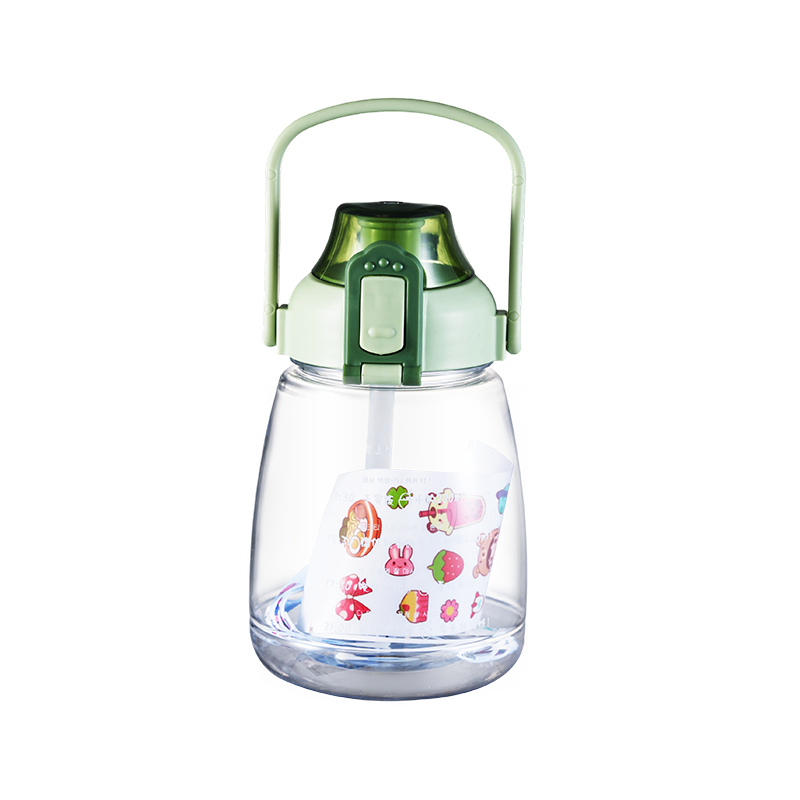
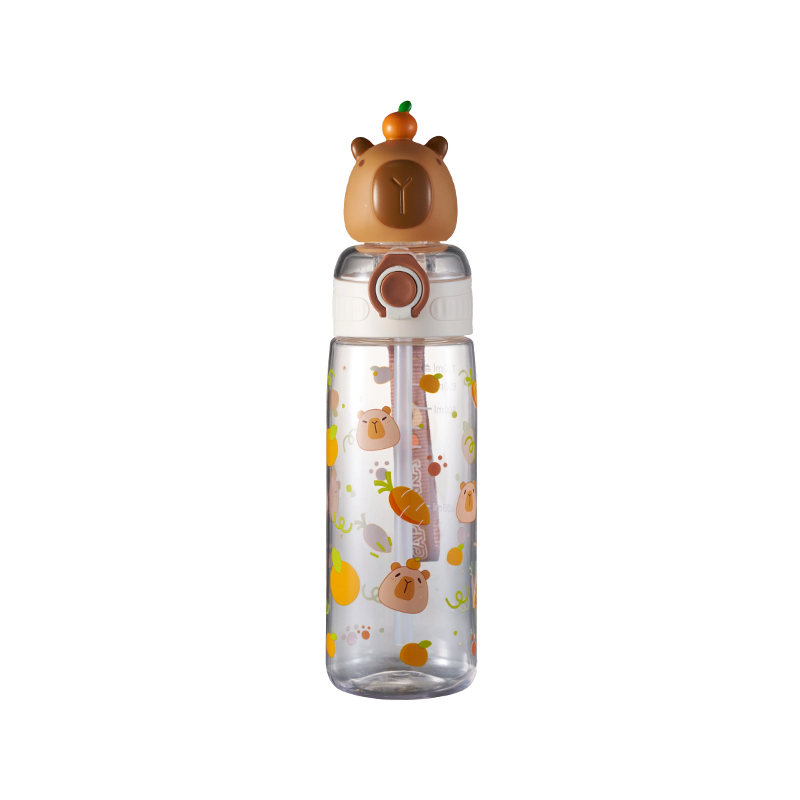
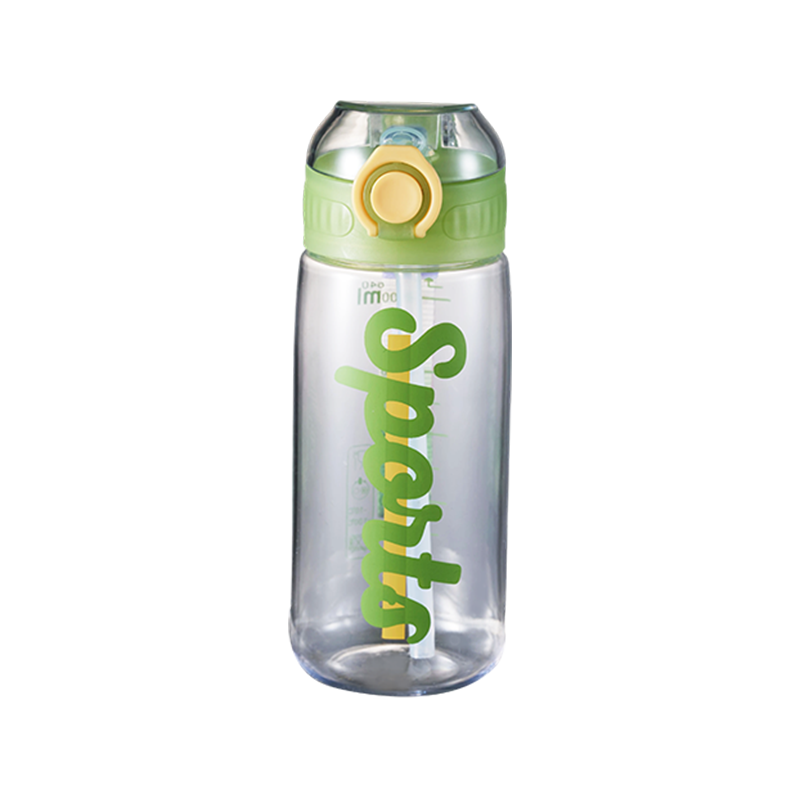
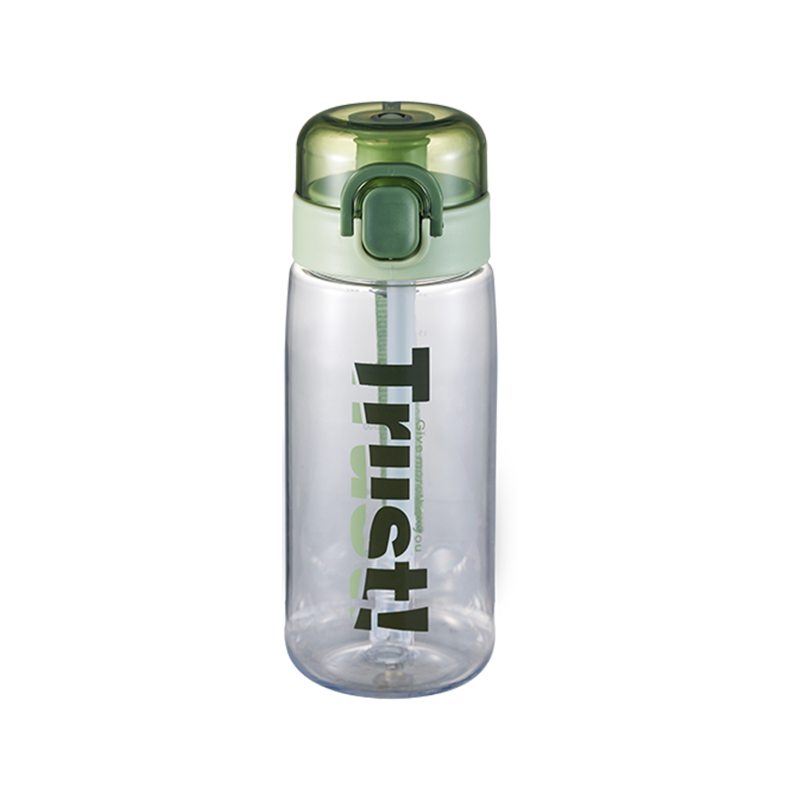
When selecting plastic straw bottles or another bottle style, ask the manufacturer which surfaces are available for the proposed decoration method. Include seams, contours, handles and other features in that discussion. The largest visible surface is not necessarily the largest practical print area.
Request a template or dimensioned decoration guide for the selected model where available. A template for a similar bottle should not be reused without confirmation. Even a small change in body shape can affect artwork placement and the view from different angles.
Mark the intended front of the bottle in relation to its lid and handle. A water bottle print position should be understandable when the item is assembled for normal use. If the lid can be fitted in more than one orientation, discuss what that means for a design that depends on exact alignment.
Supply the artwork in the format requested by the manufacturer. Identify the intended size, colours and placement rather than sending only a logo image. If the file includes several alternatives, make clear which version is the proposed production design.
Ask the supplier to review small text, fine lines and other details for the proposed process and substrate. A design that looks clear on a large monitor may be difficult to reproduce at the final size. Keep revisions visible so both parties know which artwork has been accepted.
For a promotional order, consider how the design will be viewed. A broad wraparound image may be appropriate for decoration, while a small front logo may be easier to identify in a shelf display. The choice should come from the intended use and the manufacturer's confirmed capabilities, not an assumption that any digital image can be transferred unchanged.
Review the available customisation options with the supplier and ask which method is proposed for the actual bottle. Record the agreed process in the quotation. Do not infer the method from the visual effect of a catalogue example.
The process discussion should cover the bottle material, surface finish and intended decoration. Where more than one method is available, compare the supported appearance and care requirements rather than choosing from a generic description of durability. Any performance claim should be supported for the particular combination.
If the proposed artwork changes after quotation, ask whether the price, preparation work or schedule changes too. An added colour, a different print area or a new placement may affect the production plan. Treat those as revisions to review, even when the bottle itself remains unchanged.
Printed colour, bottle colour and lid colour should be reviewed as a set. A screen rendering is an unreliable final reference because displays and lighting differ. Ask what physical colour references or samples can be used to establish the agreed appearance.
Distinguish the requested colour from the acceptable production result. Where the buyer needs a specific matching system or reference, identify it in the enquiry and ask the supplier to confirm what can be achieved. Do not write an exact match promise into a sales listing without that agreement.
Transparent or translucent bottles can make background conditions relevant to the visual review. Examine the proposed design on the actual body under appropriate ordinary viewing conditions. Record whether the approval concerns an empty bottle and how the item's appearance will be described in retail imagery.
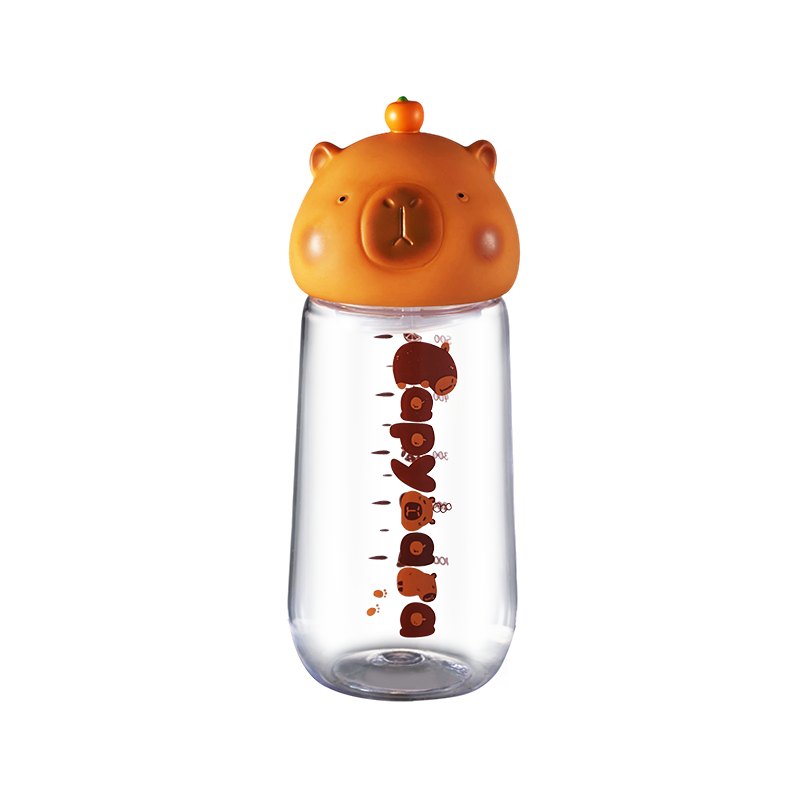
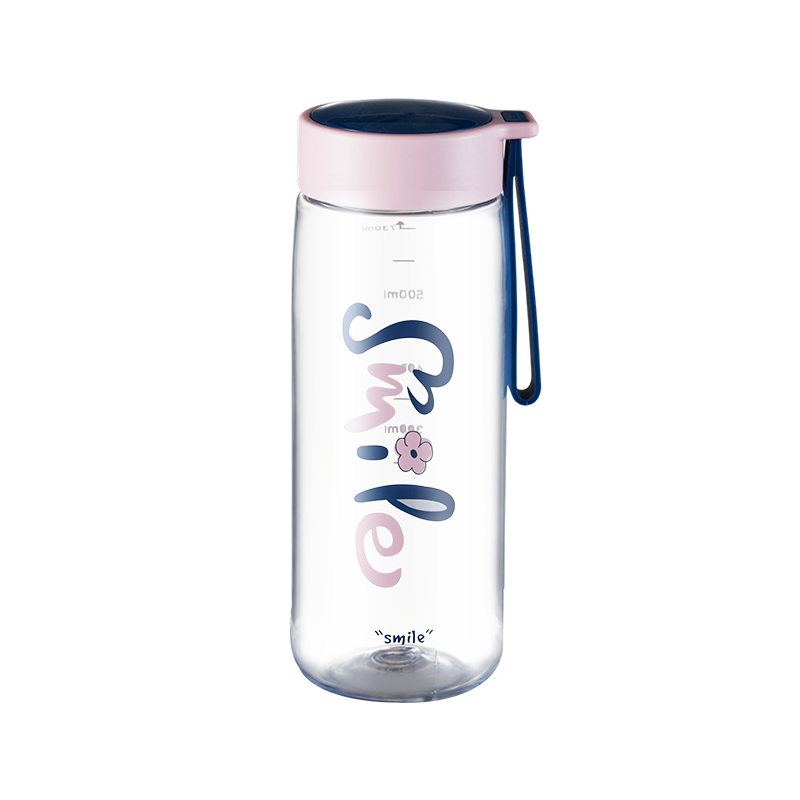
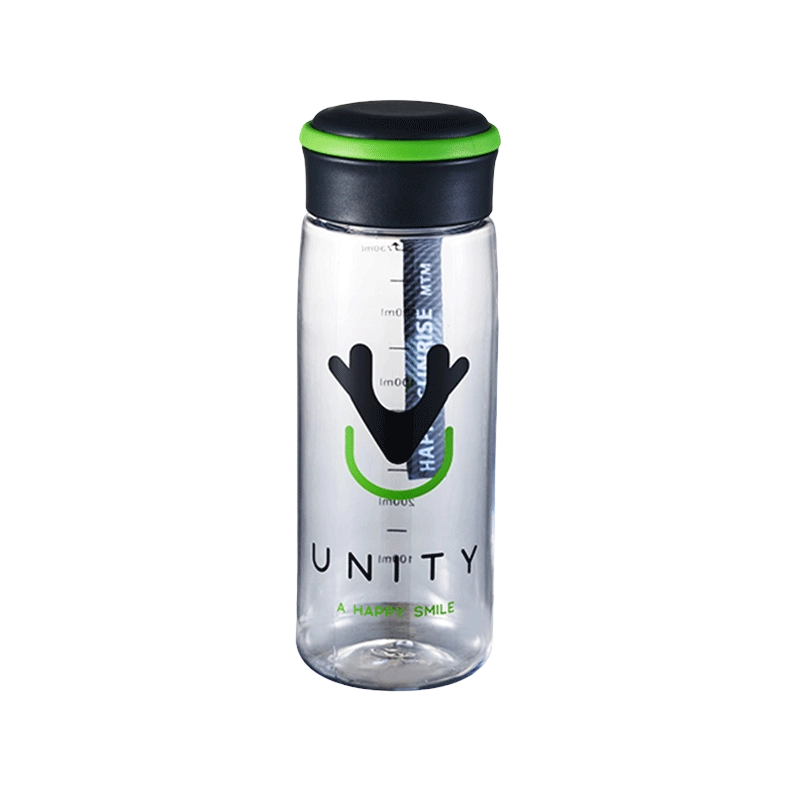
Printed water bottle samples should identify the bottle model, artwork revision, decoration process and colour references. Check the assembled item from the front and other relevant views. Include the position of the print relative to the lid, handle and measurement markings where these are present.
Ask the supplier how the sample relates to the planned production process. A handmade appearance sample and a production representative sample can serve different purposes. Record what was actually approved so the buyer does not later expect the sample to demonstrate conditions it never evaluated.
An illustrative order might include the same brand design on a round bottle and a shaped bottle. The artwork could need separate positioning or scaling for each. Approving the round version does not establish that the shaped version presents the logo equally well.
Decoration approval should not be treated as proof of food contact suitability, temperature limits or cleaning compatibility. Those questions concern the supplied product and its components as well as the decoration. Request the appropriate information for the intended use and destination market.
Follow the manufacturer's confirmed care instructions for the printed item. Do not add dishwasher safe, scratch resistant or permanent print claims because they sound useful for a promotional listing. If those claims matter to the order, specify the evidence and evaluation required before using them.
Keep mandatory information and decorative artwork in separate discussions. The buyer may need labels or instructions beyond the logo design. Establish who supplies and checks that information, rather than assuming that a successful artwork proof covers every requirement for sale.
Bottle artwork approval should connect the approved file, sample and purchase order. Include the bottle code, print position, design dimensions, agreed colours and packaging presentation. Identify whether mixed designs are packed separately and how the warehouse distinguishes them.
Set a clear rule for changes after approval. A substitute lid colour or another bottle body should trigger a review where it affects appearance or compatibility. The manufacturing team should not have to choose between conflicting artwork attachments.
The final approval is most useful when someone who was absent from the design discussion can understand it. Keep one current artwork revision and a traceable sample reference. That gives the supplier a defined production target and gives the buyer a fair basis for checking the delivered printed bottles.
Copyright © Taizhou Huangyan Zuohao Plastic Factory.
All Rights Reserved.