News
Home > News > Industry News > How Portable Sports Bottles Reduce Single-Use Plastic Waste

How Portable Sports Bottles Reduce Single-Use Plastic Waste

You buy a bottle of water at the gym. Another one after your run. A couple more during a long travel day. By the end of the week, you've gone through a dozen plastic bottles you never intended to accumulate. The problem isn't a lack of intention — it's a lack of a convenient alternative that actually fits how you move through the day. Reusable sports water bottles address this practical gap directly. When the right bottle is designed for the activity, easy to carry, and built to last, it replaces the disposable option not through willpower but through genuine convenience. Understanding which design features drive that sustained use — and how to evaluate the PP Plastic Water Bottle category for durability and environmental value — clarifies what to look for whether you're buying for personal use or sourcing at volume.

Why Single-Use Plastic Bottles Keep Getting Purchased

The issue isn't that people don't know disposable plastic bottles create waste. Most people do. The issue is behavioral: disposable bottles are available everywhere, require no planning, and solve an immediate thirst problem without any carrying commitment.
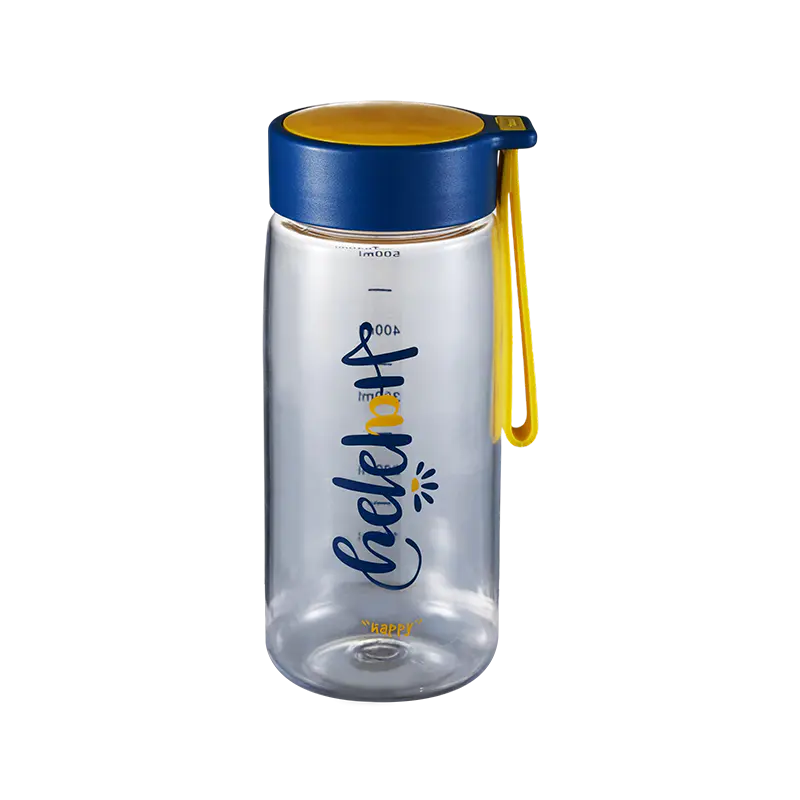
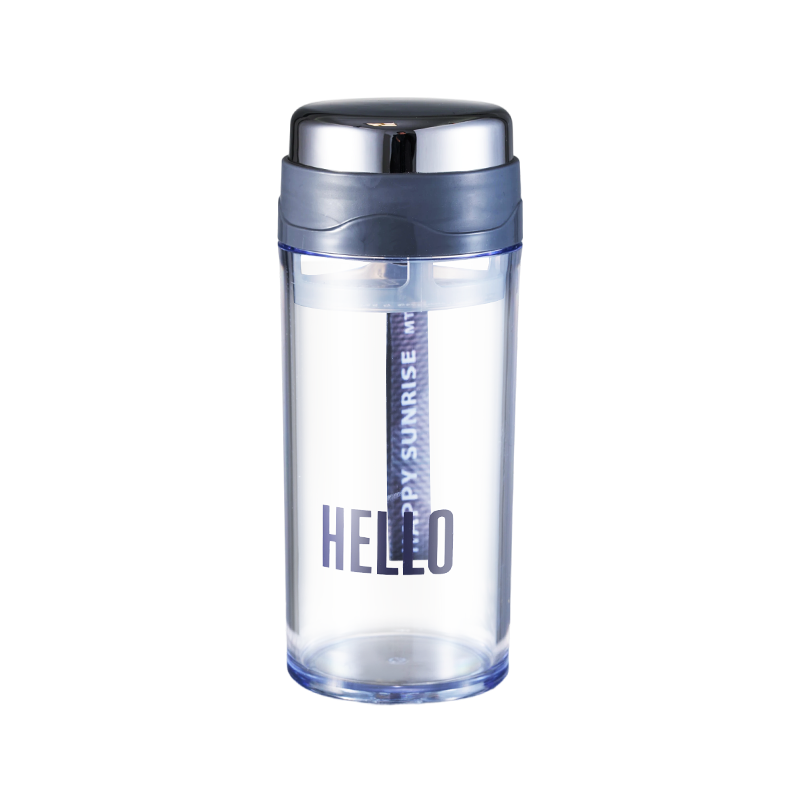
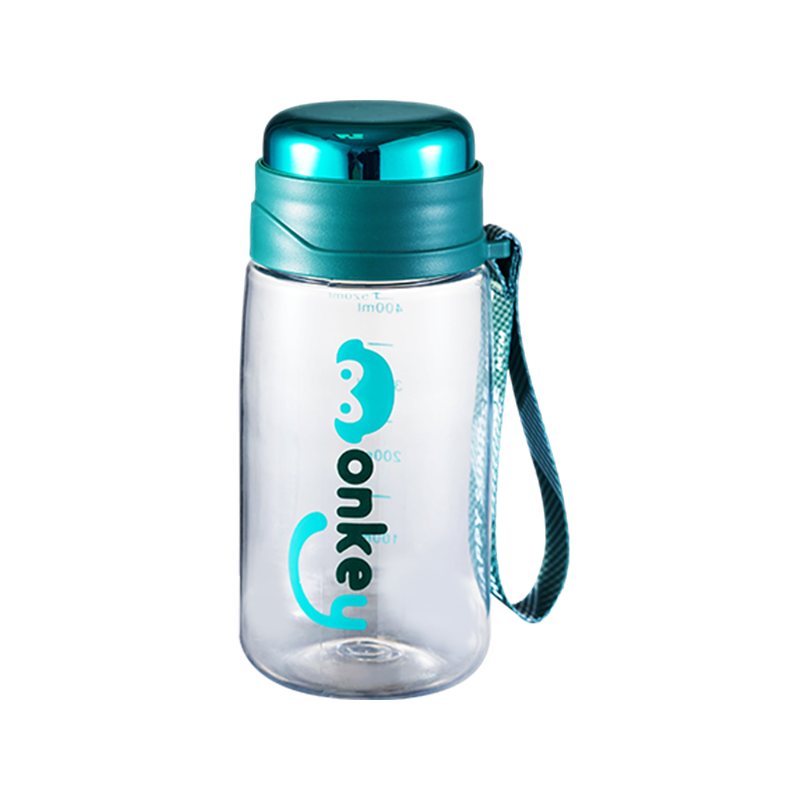
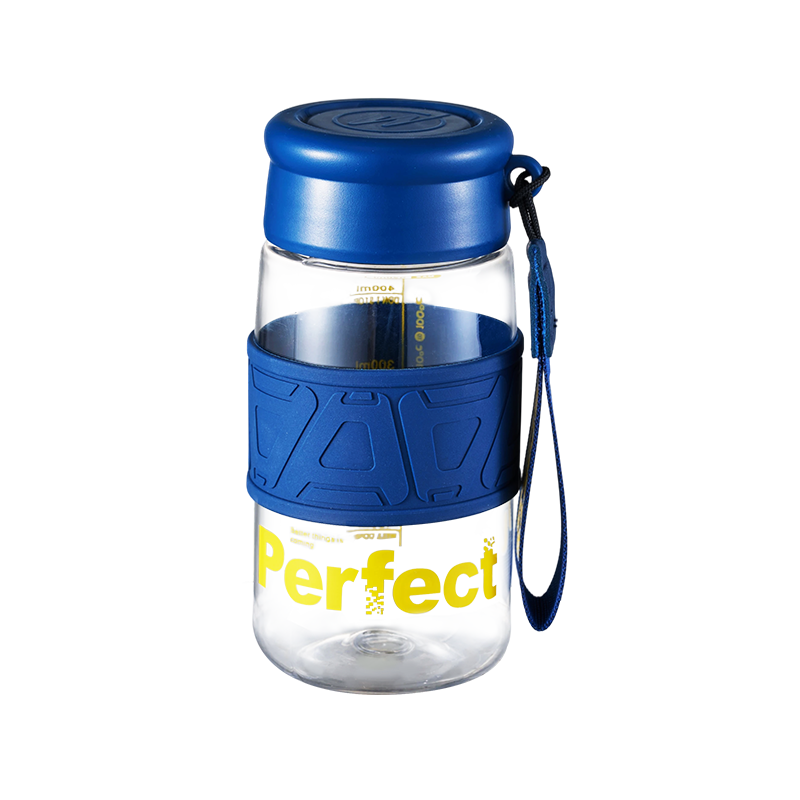
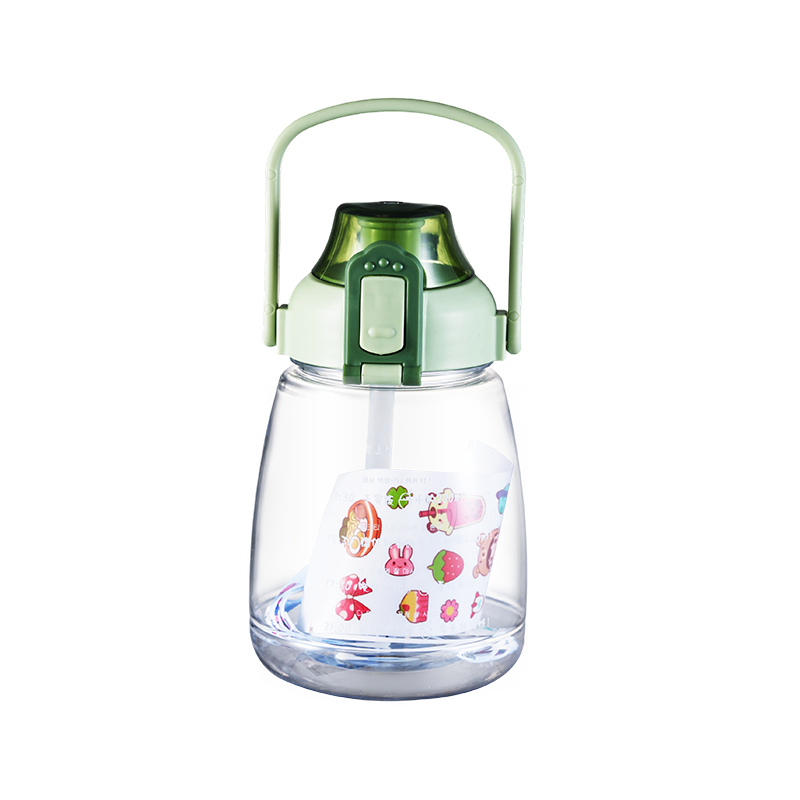
PP Plastic Water Bottle is designed for convenient carrying and safe water storage during daily use and travel.

Reusable bottles only displace that behavior when they remove the friction that sends people back to disposables. A bottle that leaks ruins a bag. One that's heavy gets left behind. One that's hard to drink from during exercise doesn't get used during exercise. One that's difficult to clean eventually gets abandoned. Each of these friction points is a design failure that pushes users back toward single-use purchasing.

The environmental case for reusable bottles isn't just about the material — it's about the number of times the bottle actually gets used. A reusable bottle used twice and then discarded offers minimal benefit. One that becomes a daily habit across years replaces a substantial volume of single-use purchases. Design quality and functional fit are what bridge the gap between "I own a reusable bottle" and "I actually use it consistently."

What PP Plastic Actually Offers as a Material

PP — polypropylene — is the material used in a wide range of sports water bottles, and understanding why it's widely used helps evaluate whether a particular product will hold up to sustained daily use.

Relevant Properties of PP
  • Lightweight: PP is lighter than many alternative materials, including many metals and dense engineering plastics. This matters directly for the carrying habits that drive reusable bottle adoption.
  • Impact resistance: Polypropylene tolerates drops and knocks without cracking or shattering. In a gym or outdoor context, this is a practical durability advantage.
  • Chemical stability: PP doesn't leach flavor or odor into water under normal use conditions. Drinks taste the way they're supposed to.
  • Heat tolerance: PP handles temperatures well enough for a range of beverages, including some warm drinks and dishwasher cleaning cycles — important for long-term hygiene maintenance.
  • Recyclability: At end of product life, PP is recyclable through established streams in many markets. This closes the loop on the material's environmental profile.

A PP Plastic Water Bottle built to a reasonable quality standard is a practical daily-use product. The key variable is manufacturing quality — wall thickness consistency, cap seal precision, and hinge durability determine how long the bottle actually holds up in regular use, which determines how many single-use purchases it ultimately replaces.

How Reusable Bottles Reduce Plastic Waste in Practice

Use Frequency

The environmental benefit of a reusable bottle is cumulative and proportional to use frequency and product lifespan. Use frequency depends on whether the bottle integrates into daily habits. A bottle that works well for the specific activities a person does gets used. One that doesn't gets left at home, and the disposable option fills the gap again.

Product Lifespan

Product lifespan depends on construction quality and ease of maintenance. A bottle with degraded seals, a cracked hinge, or a lid mechanism that fails after six months gets replaced — and potentially replaced with a disposable habit rather than another reusable. A bottle that functions consistently for several years accumulates a proportionally larger displacement of single-use purchases.

The practical arithmetic is straightforward: a reusable bottle used daily over several years replaces a substantial number of disposable bottles that would otherwise end up in waste streams. Design quality is therefore directly connected to environmental outcome — not as a marketing angle, but as a functional reality.

Matching Bottle Design to Activity: Where Most Buyers Go Wrong

The most common mistake in reusable bottle selection is choosing on aesthetics or price rather than functional fit for the specific activity. A bottle that works well for the office doesn't necessarily work well for running, and a gym bottle isn't automatically suited for travel.

Sports Water Bottles for Running

Running creates specific demands that general-purpose bottles don't always address. Drinking on the move requires access without slowing or stopping — wide-mouth caps that require two hands to open don't suit running. Lightweight design matters because carrying weight during extended runs affects comfort and performance.

Features that matter for running:
• Squeeze or bite-valve mechanism for one-handed drinking without breaking stride
• Soft or flexible body that allows controlled flow under squeeze
• Grip texture that stays secure in a sweaty hand
• Minimal weight — every gram carried adds up over distance

Plastic Water Bottle for Gym

Gym use involves larger hydration volumes, periods of rest between exercises, and equipment that gets handled, set down, and picked up repeatedly. A gym-focused design prioritizes capacity and ease of cleaning over ultralight construction.

Features that matter for gym use:
• Wide-mouth opening for easy filling and cleaning
• Spill proof plastic water bottle lid that seals between drinks
• Large enough capacity to reduce refill trips during a full session
• Dishwasher compatibility for hygienic maintenance

Plastic Water Bottle for Travel

Travel puts bottles through variable conditions — bag compression, temperature shifts, pressure changes in aircraft cabins, and the practical need to clear liquid before security checkpoints and refill on the other side.

Features that matter for travel:
• Leak-resistant seal that holds even when the bottle is inverted in a bag
• Compact dimensions that fit standard bag side pockets
• Durable material that tolerates being packed alongside other items
• Easy refill at airports, hotels, and public water access points

Reusable Straw Bottle for Daily Commuting and Office Use

For office workers and daily commuters, a reusable straw bottle offers convenience without lifting and tilting the bottle repeatedly through a work session. The straw design encourages more frequent small sips, which supports consistent hydration habits.

Features that matter for daily desk use:
• Integrated straw that stays in position during use
• Leak-proof lid that seals securely when the bottle is in a bag
• Moderate capacity that doesn't require constant refilling
• Easy one-handed operation for use between tasks

Scenario-to-Product Matching Reference

Daily Scenario Recommended Design Key Feature Priority
Running and cardio Sports water bottles for running Lightweight, squeeze mechanism, one-hand access
Gym and strength training Plastic water bottle for gym Wide mouth, spill proof lid, large capacity
Travel and commuting Plastic water bottle for travel Leak resistant, compact, durable
Office and desk use Reusable straw bottle Straw access, sealed lid, convenient size
Outdoor hiking and cycling Lightweight plastic water bottle Lightweight, secure lid, clip or carry attachment
General daily use PP plastic water bottle Versatile design, easy clean, long service life

Matching the bottle to the activity removes the friction that sends users back to single-use alternatives. A bottle that doesn't work for its intended context gets left behind — and when it gets left behind, a disposable bottle fills the gap.

Does Spill-Proof Design Actually Affect Environmental Impact?

Yes — and the connection is less obvious than it appears at first.

A spill proof plastic water bottle that can be carried in a bag without risk of leakage makes the bottle genuinely portable. Portability is the key factor in whether a reusable bottle actually gets carried through the day. If a bottle can only be safely transported in an upright position in a dedicated holder, it stays home. If it can be thrown into a work bag or travel bag without anxiety, it goes everywhere.

Every time the bottle goes along means one fewer disposable purchase at a vending machine, airport kiosk, or convenience store. The spill-proof feature isn't just a convenience — it's a usage-enabler that directly affects how many single-use bottles get displaced over time.

The same logic applies to lightweight construction. A lightweight plastic water bottle for adults gets carried more consistently than a heavy one. A bottle left at home because it adds too much weight to a daily bag is a reusable bottle that isn't reducing anything.

The Long-Term Cost Comparison: Reusable vs Disposable

The financial case for reusable bottles is usually straightforward for individual buyers, but it's worth making explicit for procurement decisions.

The cost of a reusable bottle occurs once at purchase. The ongoing cost of disposable bottles occurs with every purchase. Over a period of months, the cumulative cost of disposable purchases typically exceeds the cost of a quality reusable bottle — sometimes substantially, depending on purchase frequency and disposable bottle pricing.

For Businesses, Event Organizers, or Brands Distributing Bottles in Bulk
  • A reusable bottle distributed once creates ongoing displacement of disposable purchases at no additional cost
  • The environmental credibility of distributing reusable rather than disposable bottles aligns with ESG commitments and brand positioning
  • A quality reusable bottle that lasts carries the brand or organization's name through years of use, providing ongoing visibility

The quality of the bottle determines how long it remains in active use — which determines both the environmental displacement benefit and the brand visibility value. Sourcing from a reliable plastic water bottle factory with consistent material standards and quality control is what ensures the bottle actually delivers on these outcomes.

What to Look for When Evaluating a Plastic Water Bottle Factory

For buyers sourcing bottles at volume — for retail, brand promotion, corporate distribution, or wholesale — factory capability determines whether the product performs as intended across a full production batch.

Material Consistency

PP quality varies between producers. Consistent melt flow rate, additives profile, and wall thickness across a batch determines whether every bottle performs like the sample. Ask whether incoming material is tested before production.

Lid and Seal Mechanism Precision

The lid is where bottles fail. Hinge tolerances, seal compression, and the mechanism's cycle life determine whether the spill-proof claim holds through months of daily use. Verify that the lid design has been tested through repeated open-close cycles.

Cap and Body Compatibility Tolerance

Threaded caps that don't seal consistently are a manufacturing tolerance problem. Bodies that aren't dimensionally consistent across units create variable cap-to-body fits. Both are quality control issues at the production stage.

Surface Finish and Printing Durability

For branded or custom-printed bottles, surface preparation and print adhesion affect how long the design remains visible. Ink that rubs off after a few weeks undermines the visibility value of a branded bottle program.

OEM and Customization Capability

For buyers requiring custom colors, branding, capacity, or lid designs, factory tooling capability and minimum order flexibility determine what's achievable. A factory with in-house mold development can accommodate more customization than one working from fixed mold inventory.

Quality Documentation

Batch records, material certificates, and test reports are the documentation that supports quality claims. A factory that provides these routinely is operating at a different level of accountability than one that produces them only on request.

Building a Reusable Bottle Habit That Actually Sticks

The environmental case for portable sports bottles only materializes if the bottle is used consistently. Design supports habit. Habit produces the environmental outcome.

Practical Patterns That Support Consistent Reusable Bottle Use
  • Keep the bottle in the location where it will be needed — gym bag, work bag, car cup holder — rather than storing it in a cupboard where it's out of sight
  • Clean the bottle on the same schedule as other kitchen items so maintenance doesn't become a barrier
  • Choose a bottle that suits the primary activity, rather than a compromise product that doesn't fully work for any of them
  • For households or organizations with multiple users, having enough bottles for everyone removes the "I don't have a clean one" reason for reaching for a disposable

The more consistently the bottle is in hand when the thirst happens, the fewer disposable purchases occur. That's the mechanism through which a well-designed reusable bottle reduces plastic waste — not through environmental messaging, but through practical convenience that outcompetes the disposable alternative.

Portable sports water bottles reduce single-use plastic waste through a simple mechanism: every time a reusable bottle is used instead of a disposable, one bottle doesn't get produced, purchased, and thrown away. The environmental benefit scales directly with how consistently the reusable bottle is used — which scales with how well the design fits the activities and habits of the person using it. For individual buyers, that means choosing a bottle matched to the actual activity. For procurement teams, it means sourcing products built well enough to maintain active use across their full service life. Taizhou Huangyan Zuohao Plastic Factory produces PP plastic water bottles across a range of designs — including lightweight, spill-proof, straw, and sports configurations — for retail, wholesale, and OEM procurement. If your project involves sourcing reusable bottles at volume, custom branding, or private-label development, discussing your requirements directly is the practical way to assess what's available and how it fits your needs.