


 English
 عربى
عربىNews

Are You Cleaning Your reusable straw bottle Correctly?
A water bottle that smells faintly off no matter how many times it gets rinsed, a straw with a film that will not budge, a lid seal that traps moisture long after the bottle looks dry — these are the small, recurring frustrations that come with relying on a reusable plastic water bottle for travel , the gym, or daily use at a desk. The good news is that most of these problems trace back to a handful of cleaning gaps rather than any flaw in the bottle itself, and closing those gaps takes less effort than people assume once the right routine is in place.
Why Regular Bottle Cleaning Matters
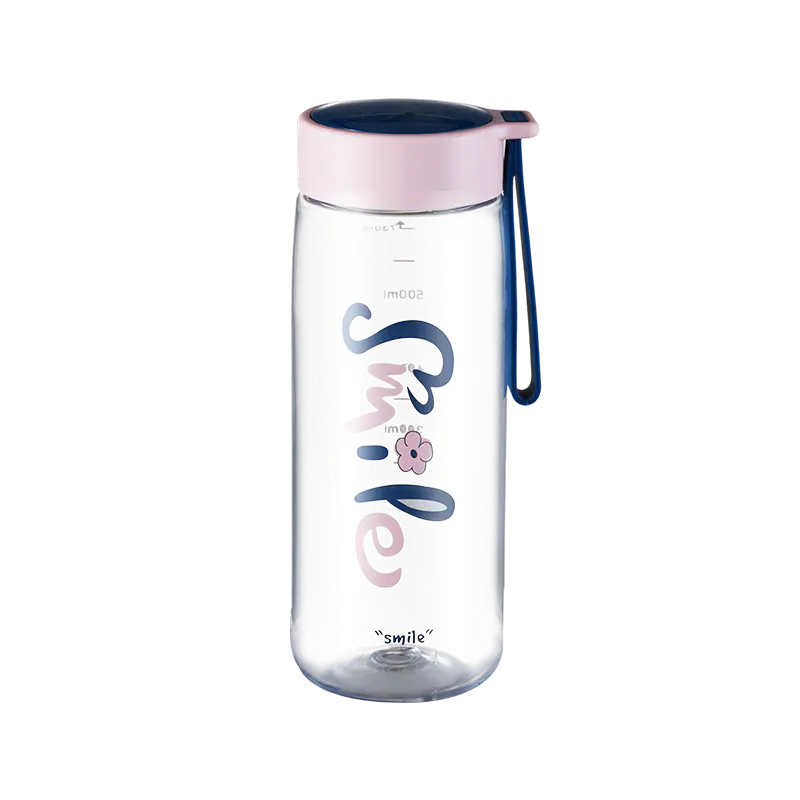
What Builds Up Inside a Bottle Between Washes
A reusable bottle is a closed, often damp environment for hours at a stretch — exactly the conditions bacteria and mold favor. Residue from juice, protein shakes, coffee, or even plain water left standing creates a thin film along interior walls, inside straws, and around lid threads. Left unaddressed, this film becomes the foundation for odor, discoloration, and in humid conditions, visible mold around seals and corners.
The risk is not evenly distributed across all bottle types. A straw bottle has narrow channels that trap residue more readily than an open-mouth design. A bottle used heavily at the gym accumulates protein and electrolyte residue that plain water rinsing does not fully remove. Recognizing which features of a bottle create higher cleaning demands helps set realistic expectations for how often attention is needed.
The Health Stakes Behind a Clean Routine
Beyond the unpleasant smell or cloudy appearance, bacterial buildup inside a frequently used bottle has genuine hygiene implications, particularly for bottles that travel in gym bags, backpacks, or cars where they sit at room temperature for extended periods. A consistent cleaning habit is less about achieving a spotless appearance and more about interrupting the conditions that allow buildup to take hold in the first place.
How Often Should You Clean Your Water Bottle?
Cleaning frequency is not one-size-fits-all. It depends heavily on what the bottle holds, how it is used, and what kind of bottle it is.
| Bottle Type | Recommended Cleaning Frequency |
|---|---|
| Water-only daily use | Once per day |
| Plastic water bottle for gym | After every workout session |
| Reusable straw bottle | Daily, with weekly deep clean |
| Plastic water bottle for travel | Every one to two days |
| Lightweight plastic water bottle for casual use | Every two to three days if water only |
Bottles used for anything beyond plain water — sports drinks, flavored water, coffee — benefit from cleaning closer to daily regardless of category, since sugar and protein residues accelerate buildup considerably faster than water alone.
Essential Bottle Cleaning Steps That Actually Work
Wash Soon After Use, Not at the End of the Day
Residue that sits inside a bottle for hours becomes noticeably harder to remove than residue cleaned promptly. A quick rinse immediately after use, even if a full wash happens later, prevents films from setting and drying onto interior surfaces.
Disassemble Before Washing
Any bottle with a removable lid, straw, or seal should be taken fully apart before cleaning. Washing a bottle assembled — running water through it without separating the components — consistently misses the areas where buildup concentrates: lid threads, straw interiors, and the gaskets around spill-resistant seals.
Give the Straw Dedicated Attention
For a reusable straw bottle, the straw is consistently the component most prone to lingering buildup. A narrow brush designed specifically for straw interiors reaches the full length of the tube, which a quick rinse under a faucet cannot do. Soaking the straw separately in warm soapy water for several minutes before brushing loosens residue that has begun to adhere to interior walls.
Use a Bottle Brush for Interior Walls
A brush sized to reach the full depth of the bottle, including the base, removes residue that a sponge or cloth cannot access. For narrow-necked bottles, a brush with a flexible or angled head reaches corners that a straight brush misses.
Wash With Warm Water and Mild Soap as the Default
Warm water loosens residue more effectively than cold, and a mild dish soap is sufficient for the majority of regular cleaning needs. Reserving stronger treatments for periodic deep cleaning, rather than using them daily, protects the surface finish of the plastic over time.
Address Odor With a Vinegar Soak
A solution of water and white vinegar, left to sit inside the bottle for fifteen to twenty minutes before rinsing, neutralizes lingering odors that soap alone does not fully address. This is particularly effective for bottles that have developed a musty smell from being left damp for extended periods.
Use Baking Soda for Stubborn Residue or Discoloration
A paste or solution of baking soda works well on staining from coffee, tea, or colored sports drinks, and on the slightly gritty residue that protein powders can leave behind. Letting the solution sit for a short period before scrubbing improves results without requiring aggressive abrasion that could scratch interior surfaces.
Rinse Until No Soap Residue Remains
Soap left behind in narrow channels or around seals can itself contribute to off-flavors the next time the bottle is used. A thorough rinse, checked by smell rather than just sight, confirms that cleaning agents have been fully removed.
Dry Completely Before Reassembling
Moisture trapped inside a closed or reassembled bottle is the single most common cause of mold development. Air-drying all components separately, with the lid open and the straw removed, allows full evaporation rather than trapping residual dampness in confined spaces.
Store With Components Open or Separated
Storing a bottle fully assembled and sealed between uses, especially if any moisture remains, recreates the exact damp, closed conditions that encourage bacterial growth. Leaving the lid loosely set on top rather than tightly sealed, or storing components separately, allows continued air circulation.
Cleaning Approaches for Different Bottle Designs
Reusable Straw Bottles Need Channel-Specific Care
The defining cleaning challenge for a straw bottle is the narrow internal channel that a standard brush or rinse cannot reach effectively. Beyond a dedicated straw brush, periodically soaking the straw in a vinegar solution helps address buildup in sections that brushing alone may not fully clear. Mouthpieces with small crevices around the bite valve or spout also deserve specific attention, since these areas trap moisture readily.
Travel Bottles Face Extended Standing Time
A plastic water bottle for travel often goes longer between cleanings than a bottle used at home, simply because washing facilities are not always available during a trip. This extended standing time between cleanings increases the importance of a thorough wash before and after travel, and of allowing the bottle to dry completely before it is packed away in a bag where airflow is limited. Travel-specific habits — emptying the bottle rather than leaving small amounts of liquid inside during transit, and avoiding sealing a still-damp bottle into a packed bag — meaningfully reduce the odor and mold issues travelers commonly report.
Lightweight Bottles Benefit from Gentle Handling
A lightweight plastic water bottle is often designed with thinner walls to minimize weight, which means it can be more prone to surface scratching from abrasive brushes or scouring pads. Using a soft brush or sponge, and avoiding harsh abrasives, protects the surface finish while still achieving a thorough clean. Thinner-walled bottles also tend to show residue and discoloration more visibly than thicker designs, which makes consistent cleaning habits more noticeable in their results.
Spill-Proof Bottles Require Seal and Valve Attention
The seals and valve mechanisms that make a spill proof plastic water bottle resistant to leaks are also the components most likely to trap residue if neglected. Gasket rings around the lid, and any internal valve mechanism that controls flow, should be removed where possible and cleaned separately. Moisture trapped behind a seal that is not fully dried before reassembly is a common source of the musty smell that spill-proof bottle owners sometimes report despite otherwise regular cleaning.
Gym Bottles Deal With Protein and Electrolyte Residue
A plastic water bottle for gym use faces a cleaning challenge that plain water bottles do not: protein powder and electrolyte drink residue that clings to interior surfaces more stubbornly than water-based residue. Rinsing immediately after a workout, rather than letting the bottle sit in a gym bag until the next session, prevents this residue from drying into a harder-to-remove film. A baking soda soak once or twice a week helps address the cumulative buildup that daily rinsing alone may not fully clear.
What Plastic Material Cleans Most Easily?
PP Plastic and Its Cleaning Characteristics
A PP plastic water bottle — made from polypropylene — is widely used in reusable drinkware because of characteristics that directly affect how easily it cleans and how well it resists odor retention over time. Polypropylene has good resistance to heat, which means it tolerates warm water washing and, in many designs, dishwasher cleaning without warping or degrading. Its molecular structure is also less prone to absorbing and retaining odors compared to some other plastics, which is part of why PP bottles tend to perform well in long-term use without developing the persistent off-smells that lower-grade plastics sometimes acquire.
| Material | Ease of Cleaning | Odor Resistance |
|---|---|---|
| PP (Polypropylene) | Very good | Very good |
| Tritan copolyester | Very good | Good |
| PET | Good | Moderate |
PET bottles, often used in single-use or budget-friendly reusable formats, tend to show more odor retention over repeated use cycles compared to PP or Tritan, particularly once the surface develops fine scratches from regular washing that create more places for residue to lodge. For a bottle intended for long-term daily reuse — rather than occasional or short-term use — material selection has a real bearing on how much cleaning effort is required to keep the bottle fresh over its lifespan.
Common Cleaning Mistakes Worth Avoiding
A handful of habits account for most of the lingering odor and residue problems that reusable bottle owners experience:
- Skipping the straw or mouthpiece during regular washes — these components accumulate residue fastest and are the most common source of persistent smell
- Reassembling a bottle while still damp — trapped moisture in a sealed bottle creates ideal mold-growing conditions within a day or two
- Relying on harsh chemical cleaners — these can leave their own residual odor or, over time, affect the surface finish of certain plastics
- Leaving the lid fully sealed during storage — this prevents airflow and traps any residual moisture against interior surfaces
- Using the same cleaning approach regardless of bottle contents — a bottle that only ever holds water needs less intensive cleaning than one regularly used for sports drinks or coffee
Bottle Features That Make Cleaning Genuinely Easier
Some design choices reduce the cleaning burden considerably, which is worth knowing whether evaluating a current bottle or considering a new one.
- Wide-mouth openings allow a brush and hand access to the full interior, rather than relying on rinsing alone to reach the base and corners
- Removable straws and detachable lids mean every component can be cleaned individually rather than left partially inaccessible
- Fewer total parts reduce the number of crevices and seams where residue can collect
- Smooth interior walls without sharp internal seams resist residue buildup better than designs with complex internal ridges or molded features
- Dishwasher-safe construction simplifies the deep-cleaning routine considerably for households or gym-goers who prefer not to hand wash every component daily
A bottle designed with these features in mind, whether intended for everyday adult use, travel, or athletic activity, demands meaningfully less weekly maintenance time than one without them.
When a Plastic Water Bottle Should Be Replaced
Even with consistent cleaning, every reusable bottle eventually reaches a point where replacement makes more sense than continued maintenance. Signs that a bottle has reached this point include persistent odor that survives a full vinegar or baking soda treatment, visible cracks or stress lines in the plastic that could harbor bacteria beyond the reach of cleaning, discoloration that does not lift with normal cleaning methods, and seals or valves that no longer seat properly regardless of how thoroughly they are cleaned and dried. A bottle showing any of these signs has likely developed surface or structural changes that cleaning alone cannot reverse.
Choosing a Reliable Plastic Water Bottle Factory
For brands, retailers, and procurement teams sourcing reusable bottles at scale, the cleaning considerations outlined above translate directly into design and material decisions made at the manufacturing stage. A bottle that is easy for end users to clean and maintain over time generally reflects deliberate choices made well before the product reaches the shelf.
When evaluating a plastic water bottle factory as a sourcing partner, relevant considerations include:
- Food-grade material certification for whichever plastic is specified, whether PP, Tritan, or PET, with documentation available for the target market's regulatory requirements
- Design flexibility to offer wide-mouth openings, removable straws, and minimal-part assemblies that support easier end-user cleaning and lower return or complaint rates related to odor or mold
- Quality control consistency across production runs, since variation in seal fit or surface finish directly affects how well a bottle resists residue buildup over its service life
- OEM and ODM capability for brands that want to specify particular design features — straw type, lid mechanism, wall thickness — based on the target use case, whether that is travel, gym, or general adult daily use
- Production experience across bottle categories, including spill-proof mechanisms and lightweight constructions, since these formats carry specific design requirements that not every manufacturer has equally developed expertise in addressing
A manufacturing partner that understands how design choices affect real-world maintenance demands is positioned to support product lines that perform well in the hands of end users long after the initial purchase — which, for hydration products bought and used daily, is where brand reputation is genuinely built or lost. Taizhou Huangyan Zuohao Plastic Factory brings this kind of design-aware manufacturing experience to reusable bottle production, offering food-grade PP and Tritan options, wide-mouth and removable-straw configurations, and OEM and ODM support for brands developing travel, gym, or everyday adult hydration product lines.
Bringing It All Together
Keeping a reusable plastic water bottle fresh and hygienic does not require elaborate equipment or excessive time investment — it requires consistency, attention to the specific components that are easiest to overlook, and some awareness of how the bottle's design and material affect its cleaning needs. A straw bottle demands different care than a wide-mouth lightweight bottle. A gym bottle handling protein residue needs more frequent attention than one used only for water at a desk. A spill-proof design with internal seals rewards owners who take the time to disassemble it fully rather than rinsing it as a single unit. Building these distinctions into a simple, repeatable routine — wash promptly, disassemble fully, dry completely, store with airflow — addresses the vast majority of the odor, mold, and residue complaints that reusable bottle owners report, regardless of which type of bottle they carry day to day.
Related Products
We specialize in the production and sales of plastic water cups, and also provide customization services
and comprehensive after-sales support.
QUICK LINKS
CONTACT US
- Address:No. 1 Shuangyou Road, Nancheng Street, Huangyan District, Taishan City, Zhejiang Province
- Tel: +86-19957687783
- Email: [email protected]
- Whatsapp: +86-19957687783
MOBILE
Copyright © Taizhou Huangyan Zuohao Plastic Factory.
All Rights Reserved.
