


 English
 عربى
عربىNews

Why Choose a Straw Plastic Bottle for Active Lifestyles?
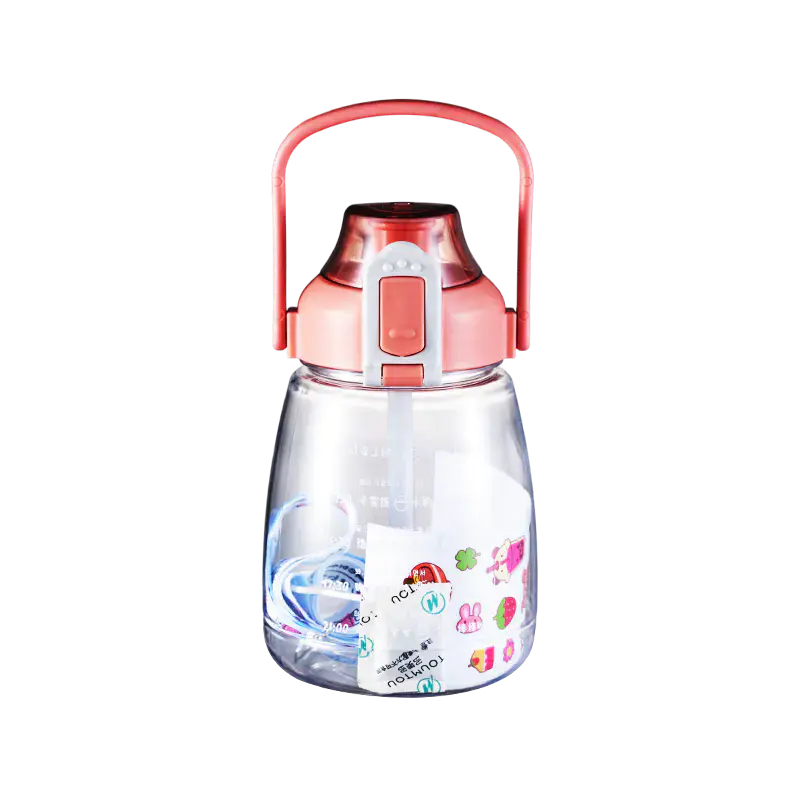
Fumbling with a screw cap mid stride, tipping a bottle back and missing your mouth entirely on a bumpy trail, or losing precious seconds between sets trying to unscrew a lid with shaking hands, anyone who trains regularly knows how much these small frustrations add up over a session. A Straw Plastic Bottle solves that particular headache by letting water reach your mouth without needing to stop, tilt your head back, or break your rhythm at all.
For sporting goods brands, gym equipment distributors, and procurement teams sourcing hydration products for retail or promotional use, understanding why this bottle style fits active use so well helps guide both product selection and how it gets positioned for different customer segments.
Why Does Bottle Design Matter So Much During Physical Activity?
Hydration during exercise is not just about drinking enough water, it is about drinking it without disrupting whatever movement you are already in the middle of. A runner mid stride cannot easily tilt a bottle back the way someone standing still can. A weightlifter between sets often has one hand still gripping equipment, needing a quick sip rather than a full pause. Design choices that seem minor on paper end up shaping whether a bottle actually gets used the way it was intended during real activity.
This is where straw based drinking mechanisms earn their place. Instead of requiring the drinker to tip the entire bottle upward, a straw brings water directly to the mouth with a simple sip, letting hydration happen almost as a background action rather than a deliberate pause.
Does Sipping Through a Straw Actually Improve Hydration Habits?
It tends to, mostly because it lowers the effort required to take a drink. When reaching for water demands minimal disruption, people simply do it more often throughout a workout or a run rather than waiting until thirst becomes noticeable. That small behavioral shift matters more than it sounds, since staying ahead of dehydration works better than trying to catch up after the fact during a long session outdoors.
What Makes Plastic a Practical Material Choice for Active Use?
Durability matters enormously here, since sports bottles get dropped, tossed into gym bags, and left in hot cars more often than most other everyday items. Quality plastic construction resists cracking from impact far better than glass, and it weighs considerably less than metal alternatives, which matters when every extra ounce counts during a long run or a multi day hiking trip.
Plastic also allows manufacturers to build in features like flip top straw lids, measurement markings, and grip textured exteriors without dramatically increasing production cost or overall bottle weight. That combination of durability, low weight, and design flexibility explains why this material remains common across gym, running, and outdoor sports categories.
Comparing Bottle Types Across Common Sports Activities
Different activities place different demands on a hydration bottle, and matching the right style to the right use case avoids frustration down the line.
| Bottle Style | Drinking Method | Best Suited Activity | Spill Resistance |
|---|---|---|---|
| Straw Plastic Bottle | Sip through built in straw | Gym sessions, running, cycling | High, minimal spill risk during movement |
| Direct Sip Bottle | Tilt and drink from open spout | Casual hydration, everyday carry | Moderate, depends on cap seal |
| Squeeze Sport Bottle | Squeeze to release a stream | Trail running, hiking, quick access needs | Moderate to high with locking cap |
| Wide Mouth Bottle | Open pour or scoop access | Camping, mixing powders, general outdoor use | Lower, requires careful handling |
Looking at this comparison, the straw format stands out particularly for activities involving continuous movement, since sipping requires almost no interruption to stride or rhythm compared to tilting an entire bottle back.
Does Every Sport Actually Need the Same Bottle Feature Set?
Not really, and this is where buyers building out a product line should think carefully about their target customer. A gym goer moving between machines benefits from a straw design that allows quick sips without setting down equipment. A trail runner covering long distances might prioritize a squeeze mechanism that delivers a faster stream during a brief pause. A camper filling a bottle from a larger water source might lean toward a wider mouth opening that simplifies refilling and mixing electrolyte powders.
How Should Buyers Think About Capacity and Portability Together?
Capacity and portability tend to pull against each other, and finding the right balance depends heavily on activity duration and how the bottle gets carried.
- Short gym sessions generally do not require large capacity, since water access is usually close by throughout the workout.
- Long distance running favors a lighter, moderate capacity bottle that will not weigh down a hand or a hydration belt over many miles.
- Extended outdoor activities like hiking or camping often call for larger capacity, accepting the added weight in exchange for fewer refill stops.
- Daily gym bag carry benefits from a bottle shaped to fit standard bag pockets and cup holders without excessive bulk.
None of these considerations exist in isolation. A product line built around active lifestyles benefits from offering multiple capacity options rather than assuming one size serves every activity equally well.
Steps for Evaluating a Bottle Supplier for Bulk Sourcing
Buyers sourcing hydration products for retail, gym branding, or promotional distribution benefit from checking a handful of practical points before committing to an order.
- Confirm material safety certification, since bottles intended for food and beverage contact need to meet relevant safety standards for the target market.
- Test straw and lid mechanisms for leak resistance under movement, since a bottle that spills during actual use undermines the entire design premise.
- Review customization capabilities, particularly for brands wanting logo printing or color options tied to a specific product line.
- Ask about production consistency across larger order volumes, since minor variations in lid fit or straw length can affect user experience at scale.
- Clarify packaging and shipping formats suited to retail display versus bulk distribution needs.
Bringing Product Selection Back to Real Activity Needs
Choosing the right hydration bottle for gym, running, or outdoor sports really comes down to matching drinking mechanism, material durability, and capacity to how someone actually moves during their activity, rather than picking whatever style happens to look appealing on a shelf display. A Straw Plastic Bottle continues to serve continuous movement activities particularly well, letting athletes stay hydrated without breaking stride or pausing a workout, while other formats like squeeze or wide mouth bottles fill in for activities with different access needs. Taizhou Huangyan Zuohao Plastic Factory works with sporting goods brands, gym distributors, and promotional product buyers sourcing hydration solutions across these different activity categories, and sharing your target customer activity, preferred capacity range, and branding requirements is a practical way to start narrowing down the right bottle format for your product line.
Related Products
We specialize in the production and sales of plastic water cups, and also provide customization services
and comprehensive after-sales support.
QUICK LINKS
CONTACT US
- Address:No. 1 Shuangyou Road, Nancheng Street, Huangyan District, Taishan City, Zhejiang Province
- Tel: +86-19957687783
- Email: [email protected]
- Whatsapp: +86-19957687783
MOBILE
Copyright © Taizhou Huangyan Zuohao Plastic Factory.
All Rights Reserved.
