


 English
 عربى
عربىNews

How Can Plastic Straw Water Bottle Suit Adult Daily Use
A water bottle can become part of an adult's daily routine without attracting much attention at all. It may sit beside a computer during work, travel in a bag during a commute, or stay within reach during exercise at the gym. Because it gets used so often, both appearance and practical function can genuinely shape how people feel about the product over time.
A Plastic Water Bottle for Adults needs to fit more than one type of situation throughout a typical week. It should be comfortable to carry, simple to use, and suitable for the environment where it will actually get used. At the same time, adults may care about color, shape, surface finish, and overall appearance because the bottle can become part of their personal style.
Balancing these elements isn't simply a matter of making a bottle look attractive on a shelf. A thoughtful design connects visual details with the way people actually drink, carry, clean, and store the bottle throughout the day.
Why Does Style Matter in Adult Water Bottle Design?
Adults often carry water bottles in places where personal items stay genuinely visible to others. A bottle may sit on an office desk, get taken into a meeting area, travel through a gym, or stay kept beside a travel bag on a trip.
This makes appearance part of the everyday product experience rather than an afterthought. A design that looks simple and organized may fit naturally into a work setting, while a more active appearance may suit exercise or outdoor use instead.
Style can come from several elements working together.
| Design Element | Possible Influence |
| Color | Supports personal preference |
| Bottle shape | Affects visual character and handling |
| Surface finish | Changes the overall look and feel |
| Lid design | Connects appearance with usability |
| Straw structure | Adds a recognizable functional feature |
Style doesn't need to compete with function for attention. When the visual design follows the practical structure of the bottle, both aspects can genuinely work together rather than pulling apart.
How Can Shape Balance Appearance and Handling?
Bottle shape is one of the most visible design choices a manufacturer makes, but it also affects how the product feels in the hand throughout the day. A bottle that looks attractive but feels genuinely awkward to carry may not become part of a user's regular routine at all.
A balanced shape can provide a comfortable grip while maintaining a clean appearance overall. Curved surfaces, defined grip areas, or a simple cylindrical body can each create a genuinely different experience for the person holding it.
The intended user also matters quite a bit here. An adult carrying a bottle during a commute may have genuinely different needs from someone using it during a workout session.
| Shape Consideration | Practical Question |
| Body width | Is it comfortable to hold? |
| Surface profile | Does it provide a natural grip? |
| Base shape | Can it sit securely on suitable surfaces? |
| Overall form | Does it fit common bags or storage spaces? |
The relationship between shape and function becomes particularly important when the bottle gets carried regularly across many different settings.
What Role Does a Straw Play in Adult Water Bottle Design?
A straw changes how a person drinks from a bottle entirely. Instead of lifting and tilting the entire container back, the user can drink through the straw while keeping the bottle in a relatively stable position throughout.
A Plastic Straw Water Bottle can therefore suit adults who want convenient access during work, exercise, travel, or other daily activities scattered through a day. The straw also becomes part of the visual design because its position and connection with the lid influence the bottle's overall appearance.
The straw should feel like part of the product, rather than an unrelated addition bolted on afterward. Its shape, placement, and lid structure can get designed together, so the bottle remains visually balanced throughout.
For adult users, convenience often matters because the bottle may get used repeatedly throughout the day without a break. A simple drinking method can make the product genuinely easier to incorporate into different routines.
How Can a Sport Water Bottle with Straw Look Suitable for Adults?
Sports bottles often get associated with active environments and gym floors, but adult users may also want a design that fits work, commuting, and travel just as naturally. A Sport Water Bottle with Straw can combine practical drinking access with a genuinely more restrained appearance.
The bottle doesn't need to rely on bright colors or complicated visual details to communicate its purpose clearly. A clean shape, coordinated lid, and comfortable grip can make the bottle suitable for genuinely different settings without looking out of place in any of them.
A user, for example, may take the same bottle to a morning workout and later place it beside a laptop at the office. A design that works in both environments can reduce the need to carry separate bottles for different activities throughout a busy week.
This flexibility can also influence product development at the manufacturing stage. Manufacturers can consider how sports-related features get presented without allowing them to dominate the entire appearance of the finished product.
Why Is the Lid Important for Both Style and Function?
The lid is one of the genuinely most noticeable parts of a bottle sitting on a desk. It also carries an important practical role because it controls access to the drinking opening and connects the straw with the bottle body underneath.
A well-integrated lid can support the visual balance of the whole product from top to bottom. If the lid appears disconnected from the bottle shape, the overall design may feel genuinely less coherent to someone picking it up.
Function remains genuinely important as well throughout regular use. Users may need to open, close, or secure the lid several times during the day without much thought.
Useful considerations include easy access to the drinking opening alongside comfortable handling overall. A secure closing structure matters too, along with suitable integration with the straw itself. A design that matches the bottle body rounds out the list worth checking.
The lid should support the user's routine without adding unnecessary complexity to a simple task.
How Does Surface Finish Influence the User Experience?
People interact with the bottle through their hands dozens of times a day, so surface finish can affect both appearance and handling in equal measure. A smooth surface may create a clean visual impression and can prove simple to wipe down after use.
A textured surface can provide a genuinely different tactile experience and may help users feel genuinely more secure while holding the bottle during a workout. Surface finish also affects how the bottle looks under different lighting conditions throughout a day.
A matte appearance may feel genuinely understated on a desk, while a glossy finish can create a genuinely different visual effect under office lighting. The right choice depends on the intended product identity and use environment it's meant for.
The important point is that surface treatment should support the bottle's practical role, rather than exist only as decoration layered on top. For a Plastic Water Bottle for Adults, the connection between visual texture and everyday handling can influence whether the product feels genuinely natural to use.
Can Color Make a Plastic Water Bottle More Versatile?
Color is one of the easiest ways to create genuinely different visual styles without changing the basic bottle structure underneath. Adults may choose colors based on personal preference, clothing, work environment, sports equipment, or travel accessories they already own.
Some users may prefer understated tones that blend into an office setting, while others may want a genuinely stronger visual identity that stands out. A product range can therefore use different colors to serve different preferences while keeping the basic functional design consistent across the line.
Color can also help distinguish parts of the bottle from one another. A lid, straw, or grip area can use a related shade without creating a visually crowded appearance overall.
The goal isn't simply adding more colors for the sake of variety. A thoughtful color arrangement can help the bottle look coordinated while keeping important functional areas genuinely easy to recognize at a glance.
How Does Portability Affect Adult Bottle Design?
Adults often carry several items at once throughout a typical day. A bottle needs to fit into this routine without creating unnecessary inconvenience for the person hauling everything around.
Portability depends on the relationship between shape, weight, grip, and storage working together. A bottle that fits comfortably into a bag can prove genuinely easier to bring to work or on a trip without extra thought. A practical grip can also make it genuinely easier to carry between locations throughout a busy schedule.
Storage should get considered as part of the design process from the start.
| Daily Situation | Portability Consideration |
| Office | Fits naturally into a personal workspace |
| Commute | Easy to carry with other belongings |
| Gym | Comfortable to handle during activity |
| Travel | Suitable for bags and temporary storage |
| Outdoor use | Easy to carry between locations |
A portable design doesn't need to sacrifice visual appeal to achieve this. The two can develop together when the bottle's proportions get planned around actual use from the beginning.
Why Does Cleaning Matter to Functional Design?
A bottle may look genuinely appealing when new and fresh off the shelf, but its long-term usability also depends on how easy it stays to maintain over months of use. Straws, lids, drinking openings, and bottle interiors can all require cleaning on a regular basis.
If a design contains several difficult-to-reach areas, routine care may become genuinely less convenient over time. A practical bottle should make normal cleaning genuinely manageable for the owner without much fuss.
Users should follow the manufacturer's care instructions and pay attention to the areas that come into regular contact with drinks. Cleaning can also influence the design itself in meaningful ways.
A removable straw or accessible lid structure may make certain parts genuinely easier to wash, depending on the product's construction.
| Bottle Area | Design Consideration |
| Interior | Easy access for routine cleaning |
| Straw | Convenient care after repeated use |
| Lid | Accessible areas around the opening |
| Drinking section | Suitable for regular washing |
| Exterior | Practical surface maintenance |
Function includes what happens after the bottle gets used, not just during the sip itself. Maintenance is therefore part of the overall user experience worth designing for.
How Can a Plastic Water Bottle for Adults Fit Workplace Use?
Workplace environments often require products that stay genuinely practical without looking out of place on a desk. A bottle may remain on a desk for several hours, travel between work areas, or move between an office and home throughout a week.
An adult-oriented design can use a restrained shape and coordinated details while keeping drinking access genuinely convenient throughout the workday. A straw can also reduce the need to tilt the bottle while sitting at a desk typing away.
This may make it genuinely easier for users to take regular drinks while continuing with ordinary tasks without breaking focus. The bottle should also be easy to place beside other personal items cluttering a desk.
A stable base and manageable shape can help it fit naturally into a workspace without tipping over. Work use shows why appearance and function can't always get separated from each other. A bottle can be both a practical drinking product and a visible personal item at the same time.
What Makes a Straw Bottle Suitable for Travel?
Travel places genuinely different demands on a bottle because the user may move through several environments during one single day. A bottle might get carried in a backpack, placed beside a seat, used during walking, and stored again after drinking, all within a few hours.
The product therefore needs to support repeated handling without wearing down or becoming a hassle. A Plastic Straw Water Bottle can make drinking genuinely convenient during these changes because the user can access the straw without heavily tilting the container back.
Travel design should also consider closure, storage, and cleaning together as one connected concern. The bottle needs to fit into the user's packing routine, while the lid should get handled according to the manufacturer's instructions to help prevent unwanted opening inside a bag.
A simple design can prove genuinely useful when a traveler already has several belongings to manage on the same trip.
How Can Manufacturers Combine Practical Features With a Clean Appearance?
Product development becomes genuinely more interesting when functional parts also contribute to the visual identity of the bottle as a whole. The straw, lid, grip, and body don't need to get treated as separate design problems tackled in isolation.
Their shapes and positions can get planned together, so the finished bottle feels genuinely consistent from top to bottom. The grip area, for example, can become part of the bottle's visual structure rather than an afterthought.
The lid can repeat a detail from the body to tie things together visually. The straw can follow the shape of the opening, rather than appearing as an added component stuck on later. This approach can help manufacturers create products that feel genuinely complete, rather than heavily decorated after the fact.
A practical design process may start with user routine, understanding when and where the bottle will actually get used throughout a day. Handling deserves attention too, considering how the bottle gets picked up, carried, opened, and stored.
Drinking access matters just as much, making the straw and opening genuinely easy to reach without fumbling. Visual balance rounds things out, keeping the body, lid, and straw visually connected as one unit.
Maintenance closes the loop, considering how users will actually clean and store the product over time. Each part supports the others in this process. This makes the design genuinely more coherent without requiring unnecessary features tacked on for their own sake.
How Can Buyers Compare Adult Straw Bottle Designs?
Buyers can look beyond appearance when comparing different products side by side. A bottle may have a genuinely attractive finish, but its value in daily use depends on how well the design fits the user's actual habits.
Several practical questions can help sort through the options available.
| Area | Question to Consider |
| Style | Does the appearance suit the intended setting? |
| Grip | Is it comfortable to hold? |
| Straw | Is drinking convenient? |
| Lid | Is opening and closing straightforward? |
| Portability | Can it be carried easily? |
| Cleaning | Can regular care be managed? |
| Storage | Does it fit the user's usual spaces? |
This approach keeps the comparison genuinely connected to actual use, rather than drifting toward surface-level impressions alone.
For buyers considering a Sport Water Bottle with Straw, exercise needs can get placed alongside workplace and travel requirements in the same conversation. For those selecting a Plastic Water Bottle for Adults, appearance can get considered together with grip, portability, drinking access, and maintenance as one connected picture.
How Can Design Support Different Adult Lifestyles?
Adult routines vary genuinely widely from person to person across a given week. One person may spend much of the day in an office, another may travel between locations constantly, while someone else may combine work with regular fitness activities squeezed into the same day.
A flexible bottle design can serve several of these situations without changing its basic purpose along the way. The combination of a practical body, accessible straw, coordinated lid, manageable shape, and suitable surface can make the bottle genuinely easier to use across different environments a person moves through.
This is where style and function genuinely meet in a practical way that works for real life. The bottle should look appropriate for the places where users expect to carry it, while its physical design should make drinking, handling, storage, and cleaning genuinely straightforward.
For manufacturers, this balance creates room to develop Plastic Straw Water Bottle products that respond to everyday adult routines without relying on unnecessary visual complexity or excessive features piled on top of one another.
Related Products
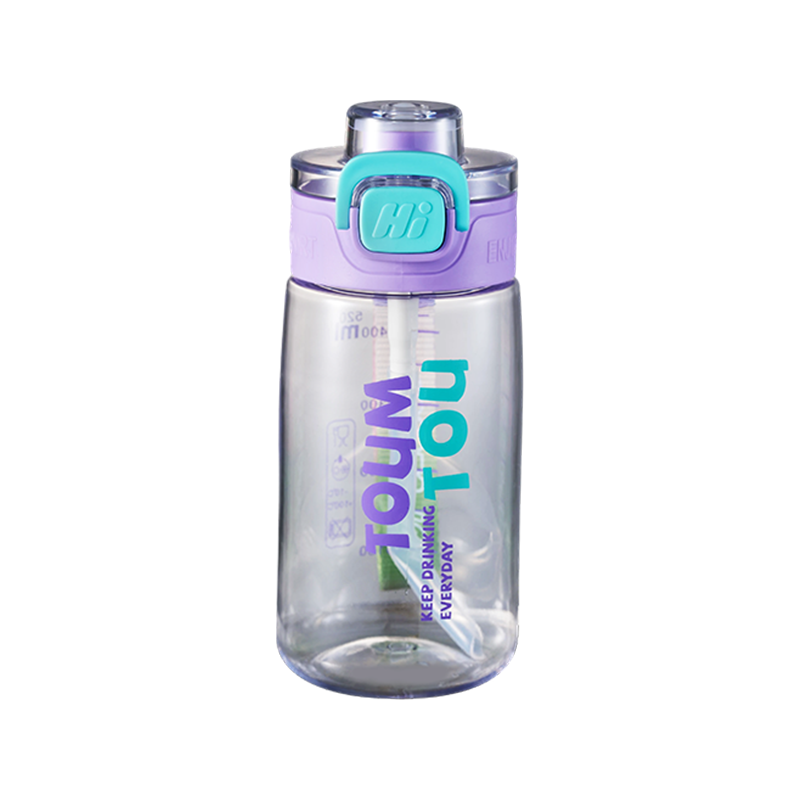
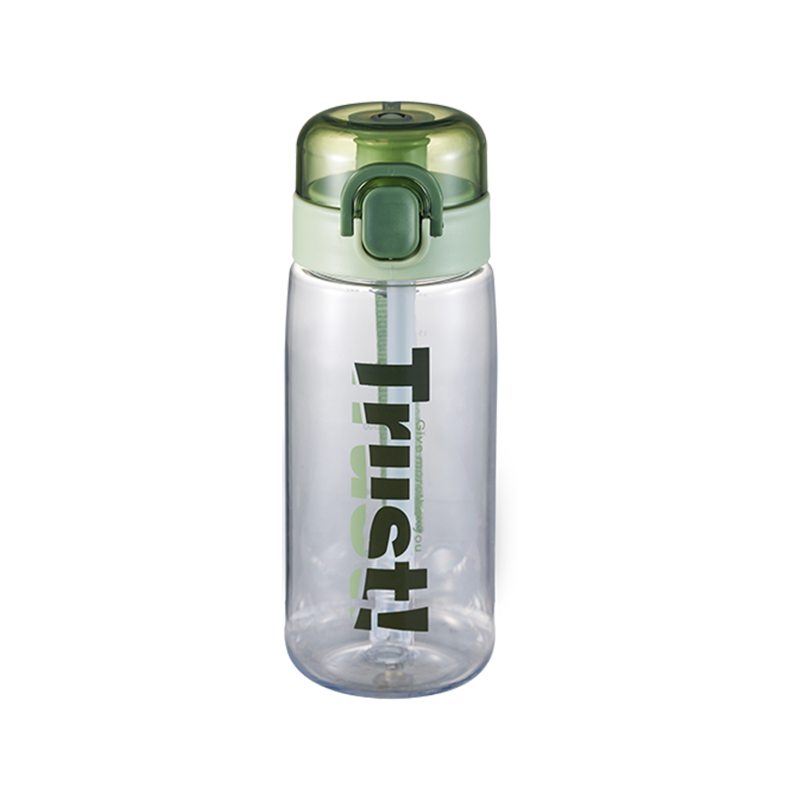
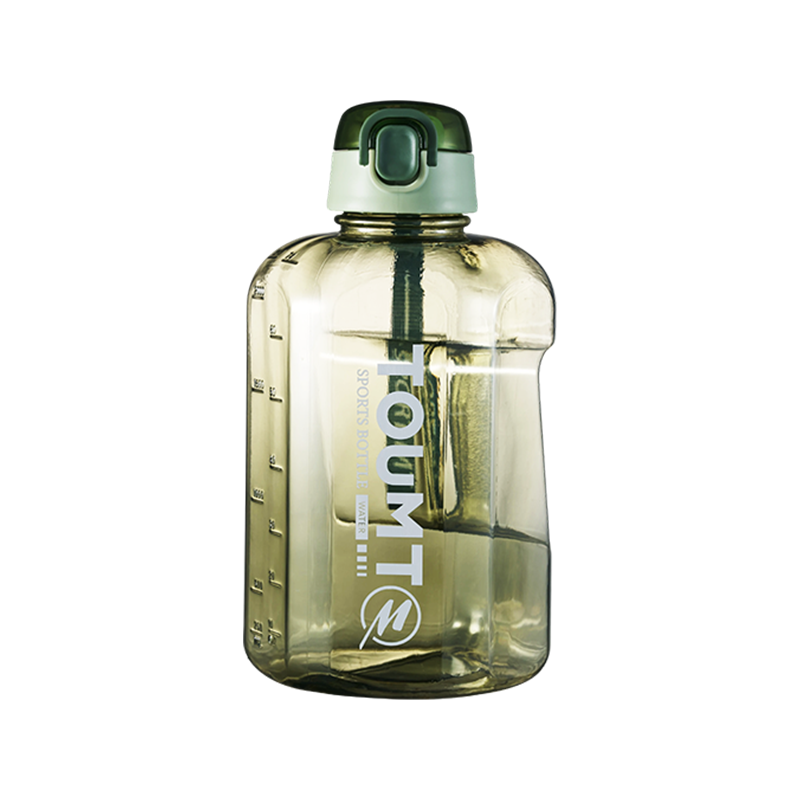
We specialize in the production and sales of plastic water cups, and also provide customization services
and comprehensive after-sales support.
QUICK LINKS
CONTACT US
- Address:No. 1 Shuangyou Road, Nancheng Street, Huangyan District, Taishan City, Zhejiang Province
- Tel: +86-19957687783
- Email: [email protected]
- Whatsapp: +86-19957687783
MOBILE
Copyright © Taizhou Huangyan Zuohao Plastic Factory.
All Rights Reserved.
