


 English
 عربى
عربىNews

Which Plastic Water Bottle with Straw Suits Sports and Travel
Choosing a water bottle for sports and travel can seem genuinely simple until the bottle has to fit into real daily routines. A bottle used during a workout may need to be easy to drink from while moving around a gym floor, while a travel bottle needs to handle packing, carrying, and repeated use across different places over several days.
A Plastic Straw Water Bottle combines a familiar lightweight bottle design with a straw that lets users drink without tipping the container back. This small change can make a genuinely noticeable difference when someone is walking, exercising, commuting, or sitting in a vehicle for a long stretch.
The right choice depends on how the bottle will actually get used day to day. Shape, straw design, lid structure, portability, cleaning, and drinking comfort can all affect the experience. Looking at these details together makes it genuinely easier to choose a bottle that fits a particular routine.
What Makes a Plastic Water Bottle With Straw Suitable for Sports?
Sports activities often involve movement, changing body positions, and limited time between activities. A bottle that requires careful handling can become genuinely inconvenient when the user is focused on exercise rather than fumbling with a cap.
A straw provides direct access to the drink without much fuss. The user can take a sip without lifting the bottle as high or turning it upside down mid-set. This can prove useful during walking, cycling, gym sessions, outdoor training, and other activities where convenient drinking genuinely matters.
A suitable sports bottle may offer several practical features worth checking for.
| Feature | Why It Matters |
| Straw opening | Allows direct sipping |
| Easy-grip body | Supports comfortable handling |
| Secure lid | Helps reduce accidental opening |
| Portable shape | Makes carrying easier |
| Reusable design | Supports regular use |
The bottle doesn't need to be complicated to work well. A straightforward design can perform genuinely fine when each part has a clear purpose behind it.
How Does a Straw Change the Drinking Experience?
The main difference between a traditional bottle and a straw bottle comes down to how the user accesses the drink inside. A traditional bottle normally needs tilting back, while a straw allows the user to sip from a genuinely more stable position.
This can prove helpful during physical activities of all kinds. Someone exercising on a treadmill, stretching between sets, or walking outdoors may prefer taking a quick drink without changing their posture significantly mid-motion.
The straw can also make drinking feel genuinely more natural during travel stretches. A passenger can take a sip while seated on a train, and a traveler walking through a station can use the bottle without making a large, awkward movement.
For users who drink regularly throughout the day, this simple access can become a genuinely important part of the bottle's everyday appeal.
Why Is Bottle Shape Important for Sports and Travel?
Bottle shape affects genuinely more than appearance sitting on a shelf. It influences how the bottle feels in the hand, how easily it fits into a bag, and how convenient it proves to carry from one place to another throughout a day.
A narrow shape may be easier to place into certain holders or side pockets on a backpack. A wider body may feel genuinely more stable sitting on a flat surface like a desk. Some users may prefer a rounded form, while others may find a more structured shape genuinely easier to grip during a run.
There's no single shape that suits every situation a person might face.
| Usage Situation | Useful Shape Consideration |
| Gym workout | Easy to hold during movement |
| Outdoor walking | Comfortable for repeated carrying |
| Road travel | Convenient to place beside a seat |
| Air travel | Easy to pack when empty |
| Daily commuting | Suitable for bags and storage spaces |
The genuinely right match depends on the user's surroundings and carrying habits, rather than the shape alone dictating the choice.
What Should You Look for in a Sport Water Bottle with Straw?
A Sport Water Bottle with Straw should stay genuinely practical during movement of all kinds. The user may open it, drink from it, close it, and put it away several times during one single activity.
The straw should be genuinely easy to reach and comfortable to use without fumbling. The lid should also be simple enough to operate without creating unnecessary extra steps mid-workout.
Grip is another consideration worth weighing carefully. A bottle that feels awkward in one hand may become genuinely frustrating during exercise when hands get sweaty. Surface texture, body shape, and overall balance can influence how naturally it gets handled throughout a session.
Buyers can ask themselves whether the bottle opens without much effort, and whether the straw stays easy to access mid-activity. Whether the body feels comfortable to hold matters too, along with whether the lid stays closed during normal carrying around a gym bag. Whether the bottle proves easy to clean after use rounds out the list worth checking.
These questions focus on actual use, rather than appearance alone sitting on a store shelf.
How Does Portability Affect Travel Bottle Selection?
Travel introduces genuinely different challenges from sports settings. A bottle may spend part of the day inside a backpack and later get carried by hand through a terminal. It may move between a hotel, vehicle, station, workplace, or outdoor location across a single day.
A portable bottle should therefore stay easy to carry without becoming a genuine burden on a long trip. Weight can influence comfort considerably, especially when a traveler already has several belongings weighing them down.
The shape of the bottle can also affect how much space it takes up inside a bag. A practical travel bottle should work with the way the user normally packs for a trip.
A person who carries a compact backpack, for example, may prefer a genuinely slimmer bottle that tucks away easily. Someone traveling by car may have genuinely more freedom to choose a wider design without worrying about space. The important point is matching the bottle with the available storage space a traveler actually has.
Why Does Lid Design Matter for Plastic Water Bottles with Straw?
The lid is one of the parts users interact with genuinely frequently throughout a day. It protects the drinking opening and connects the straw with the rest of the bottle underneath.
A lid that's simple to open can make regular drinking genuinely more convenient during a busy schedule. A secure closure can also help reduce unwanted opening while the bottle gets carried around in a bag.
Different lid designs may include flip mechanisms, covers, locking structures, or other arrangements entirely. Each design changes how the user opens and closes the bottle throughout the day.
A useful lid should fit the intended routine it's meant to serve. Someone using a bottle during exercise may appreciate genuinely quick access between sets. A traveler may place greater attention on how securely the bottle stays closed inside a packed bag.
The lid should therefore get considered together with the bottle body, rather than as a separate feature bolted on.
How Does Straw Design Influence Daily Use?
The straw is the defining part of this type of bottle, but its usefulness depends heavily on how it's designed and positioned within the cap. A straw that's genuinely easy to reach can support quick drinking without much thought.
Its position can also affect how the bottle gets held during a sip. Some designs allow the user to drink while keeping the bottle relatively upright rather than tilting it back.
The drinking opening matters quite a bit as well. A comfortable opening can make repeated sipping genuinely easier, especially during longer activities stretched across hours.
Cleaning should also get considered carefully here. Straw systems may contain areas where liquid remains after drinking, tucked out of easy reach. A design that allows the relevant parts to get separated or cleaned can make regular maintenance genuinely more manageable.
This proves particularly important for users who refill their bottles frequently throughout a day.
What Role Does Bottle Material Play?
The material of a bottle influences how it feels during everyday handling at the gym or on a trip. Plastic bottles often get chosen for their practical combination of portability and durability over years of use.
Different plastic materials can have genuinely different characteristics, so product selection should consider the intended application and the manufacturer's care instructions closely. The surface can also affect the user's experience in hand.
A smooth finish may be genuinely easy to wipe clean, while a textured surface may provide a different grip during a sweaty workout. Material choice shouldn't get viewed separately from the overall design surrounding it.
A bottle body, lid, straw, and closure system all work together during daily use as one connected product. For buyers comparing Plastic Water Bottles with Straw, material information can therefore prove useful alongside shape, cleaning, and handling considerations.
How Important Is Cleaning for a Straw Bottle?
A bottle used for sports and travel may get filled and emptied genuinely regularly throughout a week. This means cleaning becomes part of normal ownership, rather than an occasional task tacked on once a month.
The bottle body is usually genuinely easy to access for a quick wash, but the straw and lid can require additional attention beyond that. Small spaces may collect liquid residue if they don't get cleaned properly on a regular basis.
A practical design makes routine cleaning genuinely easier for the owner. Users should follow the manufacturer's care instructions and clean the bottle according to the type of drink being used regularly.
Water may require genuinely different care from beverages containing other ingredients like electrolytes or flavoring. A bottle that's easy to take apart, wash, rinse, and dry can fit genuinely more comfortably into a busy routine.
| Part | Cleaning Consideration |
| Bottle body | Easy access to the interior |
| Lid | Areas around the opening need attention |
| Straw | Should be cleaned through its internal path |
| Drinking opening | Needs regular washing |
| Sealing parts | Should be checked during cleaning |
Regular care also helps users notice worn or damaged parts before they become a genuinely bigger inconvenience down the line.
Can a Plastic Straw Water Bottle Work for Long Travel?
Long travel often means spending several hours away from home base entirely. A bottle may need to move between different locations while remaining genuinely easy to access throughout the journey.
A straw design can prove useful when the user wants to drink while seated or walking through an airport. It can also reduce the need to remove the bottle from its usual position every time someone wants a sip mid-transit.
Storage remains genuinely important, however, throughout a trip. The bottle should have a suitable place in the user's bag, vehicle, or travel area that doesn't shift around constantly.
A secure lid is particularly relevant when the bottle gets stored alongside clothing, books, electronics, or other personal belongings packed tightly together. Users should still follow the manufacturer's handling recommendations and check the bottle before placing it inside a packed bag.
Travel use is therefore about genuinely more than drinking convenience alone. Carrying, storage, cleaning, and access all contribute to the overall experience across a trip.
How Can Sports Users Choose Between Different Straw Bottle Designs?
Sports users have genuinely different routines from one another, so the same bottle design may not suit everyone equally. A runner may care about easy carrying and quick access mid-stride.
A gym user may focus genuinely more on grip and repeated opening between sets. A person taking part in outdoor activities may pay genuinely more attention to portability and secure storage while hiking.
The activity itself can help determine which features deserve attention first.
| Sports Activity | Possible Bottle Priority |
| Gym training | Grip and easy drinking |
| Walking | Comfortable carrying |
| Cycling | Convenient access |
| Outdoor recreation | Portability and secure closure |
| General fitness | Easy cleaning and regular use |
There's no need to select a bottle based on appearance alone sitting on a shelf. Thinking about how the bottle will actually get used can make the selection process genuinely more practical.
What Should Travelers Consider When Packing a Straw Bottle?
Packing space can become genuinely valuable during travel, especially with a carry-on bag. A bottle that fits naturally into existing storage can prove genuinely easier to manage than one that takes up an awkward amount of room.
The bottle should also sit where it can get reached without unpacking other belongings mid-journey. A side pocket or dedicated compartment may prove useful when the bag design allows for it.
When passing through locations where empty containers are required, like airport security, travelers should also consider whether the bottle can get emptied and packed conveniently beforehand.
After arrival, the bottle can become part of the daily travel routine going forward. It may get used for sightseeing, walking, exercise, or time spent at a hotel or other accommodation throughout the stay.
A reusable bottle can therefore serve several purposes during one trip, without requiring a separate container for each activity along the way.
Does Appearance Matter When Choosing a Straw Water Bottle?
Appearance isn't the only consideration worth weighing, but it can genuinely influence how willing users feel to carry and use a bottle regularly. Color, surface finish, lid style, and overall shape can affect personal preference considerably.
Some users may want a simple appearance that fits a workplace environment without standing out. Others may prefer a more active-looking design suited for sports settings instead.
For product buyers, appearance can also influence how a bottle fits within a wider product range they're stocking. Still, visual design works genuinely better when it supports practical use rather than fighting against it.
A bottle that looks attractive but feels genuinely inconvenient to carry or clean may not fit a user's routine at all. This is why appearance should get considered alongside handling, drinking access, portability, and maintenance together.
How Can Buyers Compare Plastic Water Bottles with Straw for Different Uses?
Comparison becomes genuinely easier when buyers separate the main requirements, instead of trying to judge the entire product from one single feature. A simple comparison can focus on drinking access first, considering how easily the user can reach the straw during normal activities.
Handling deserves a look too, checking whether the bottle feels genuinely natural to hold and carry throughout a day. Storage matters as well, considering where the bottle will actually get placed during sports or travel.
Cleaning is worth examining, looking at whether the bottle and straw can get maintained without unnecessary difficulty on a regular basis. Closure needs consideration too, thinking through how the lid behaves during carrying and storage inside a bag.
Daily flexibility rounds out the comparison, thinking about whether the same bottle can genuinely work across different routines a person follows. This approach helps buyers connect product features with actual use, rather than focusing on a single selling point alone.
How Can a Straw Bottle Fit Into Everyday Travel and Sports Routines?
The usefulness of a bottle often becomes genuinely clearer after it enters a daily routine rather than sitting in a box. A person may use it on the way to work, during exercise, while traveling, and during outdoor activities all within the same week.
A Plastic Straw Water Bottle can support these different situations because the straw provides a familiar drinking method while the bottle stays genuinely portable throughout. For sports users, easy access can reduce interruptions during activity without breaking stride.
For travelers, the same feature can make drinking genuinely more convenient while moving between locations across a trip. The important factors remain genuinely practical: the bottle should be comfortable to carry, straightforward to drink from, suitable for the user's storage space, and manageable to clean.
When comparing Sport Water Bottle with Straw designs, buyers can focus on the relationship between the product and their own routines specifically. For Plastic Water Bottles with Straw, details such as body shape, lid structure, straw access, grip, portability, and maintenance can all help determine whether a particular design genuinely fits the intended use.
Related Products
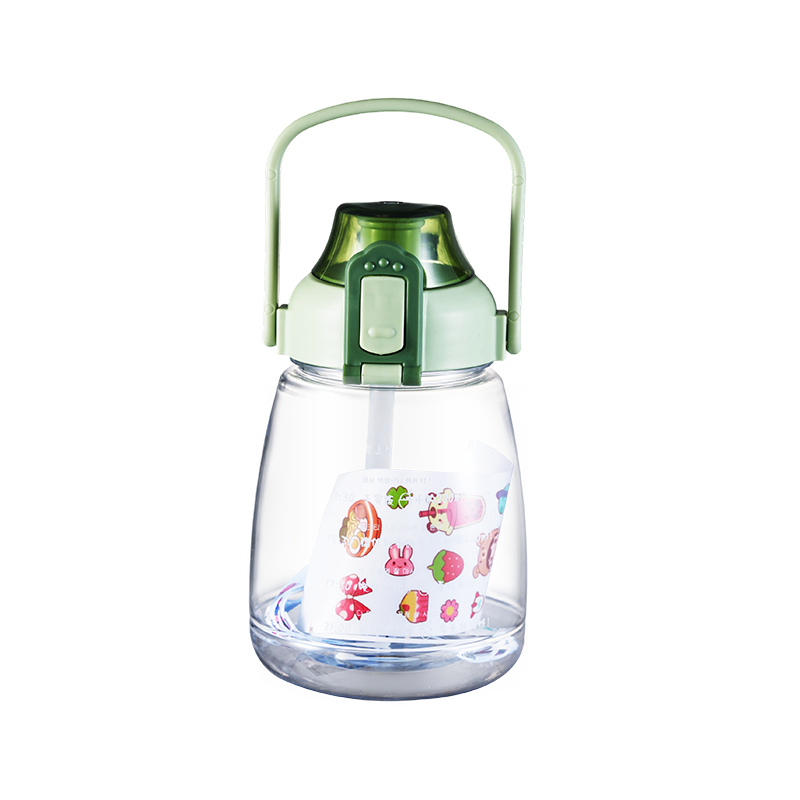
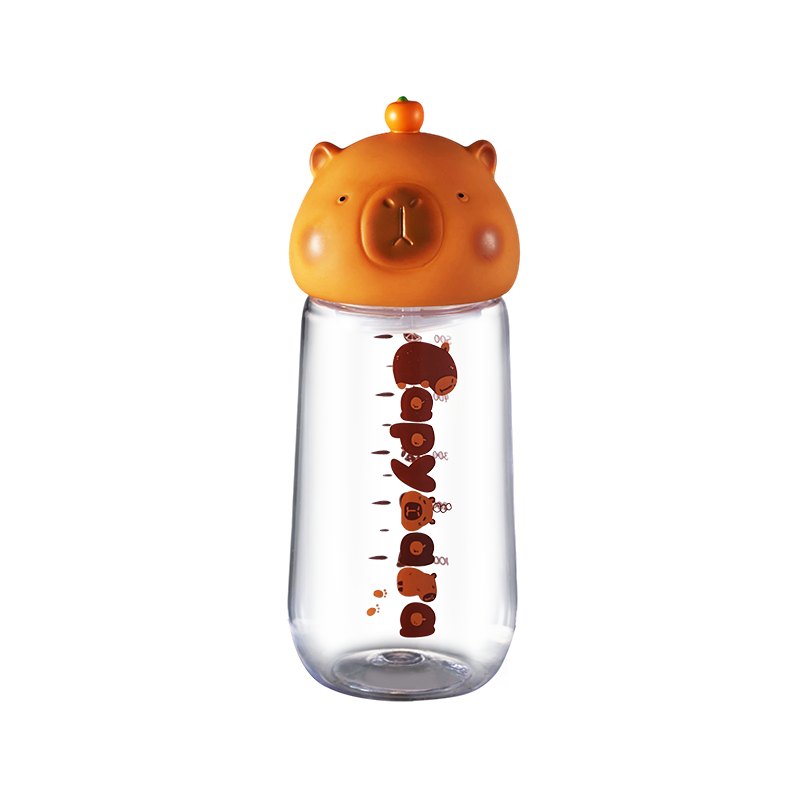
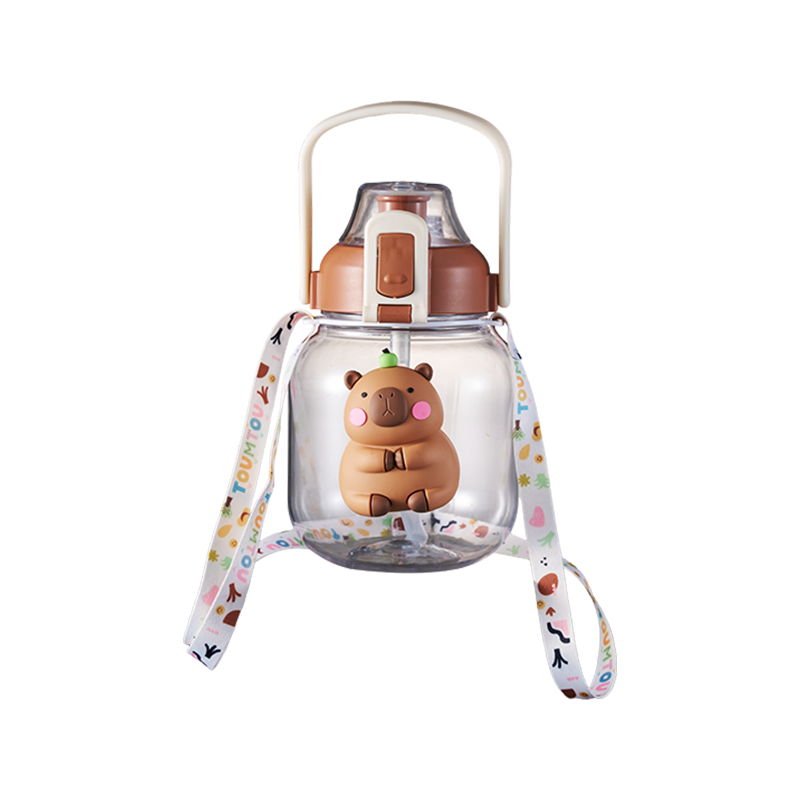
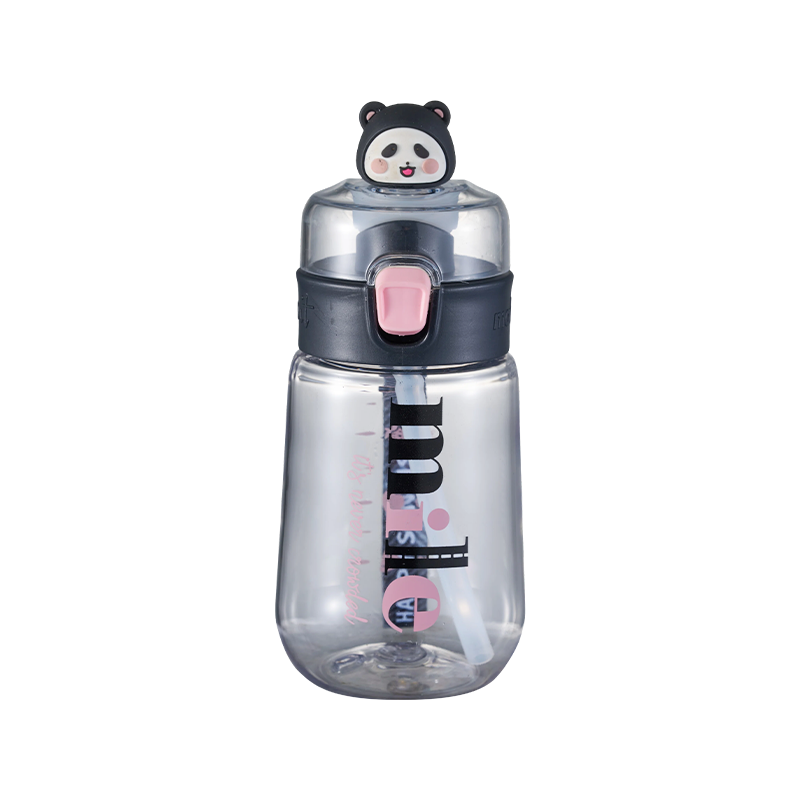
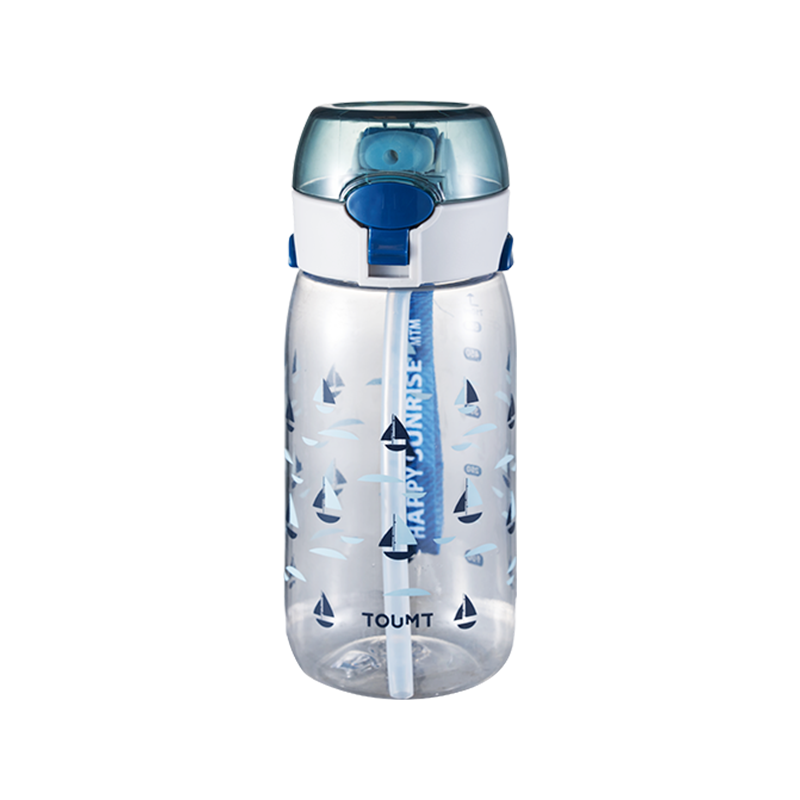
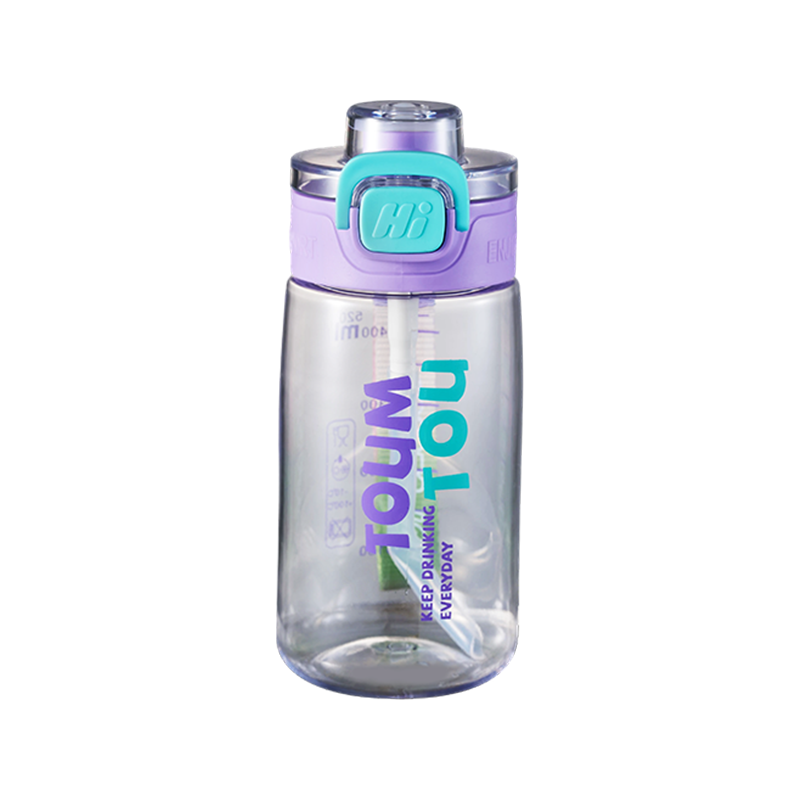
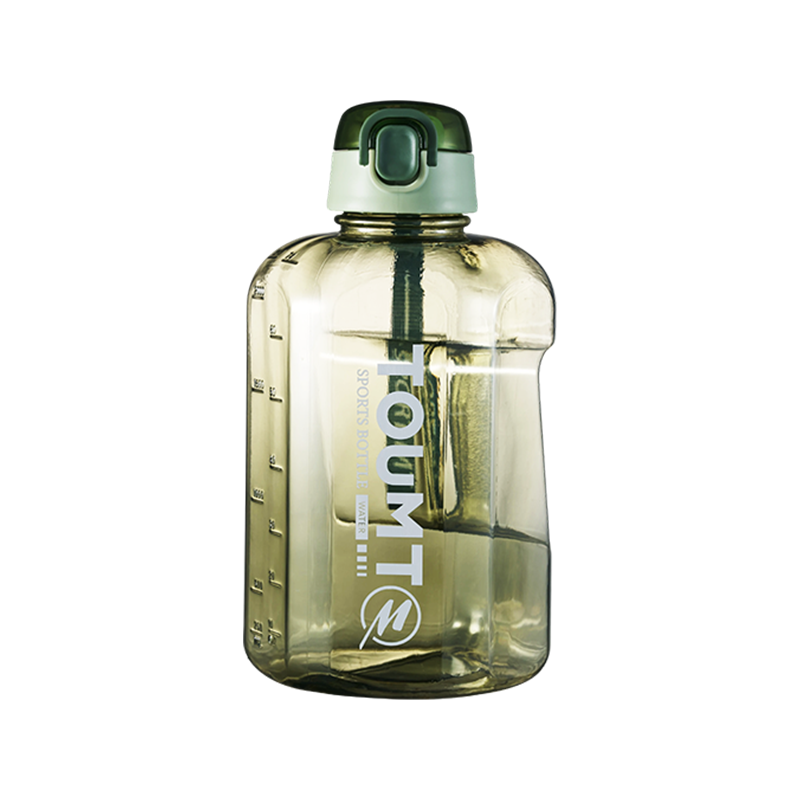
We specialize in the production and sales of plastic water cups, and also provide customization services
and comprehensive after-sales support.
QUICK LINKS
CONTACT US
- Address:No. 1 Shuangyou Road, Nancheng Street, Huangyan District, Taishan City, Zhejiang Province
- Tel: +86-19957687783
- Email: [email protected]
- Whatsapp: +86-19957687783
MOBILE
Copyright © Taizhou Huangyan Zuohao Plastic Factory.
All Rights Reserved.
