


 English
 عربى
عربىNews

What Makes PP Plastic Water Bottle Easy to Recycle
Recycling genuinely starts long before a used bottle ever reaches a recycling collection point sitting at the curb. The way a bottle gets made can affect how easily it can be sorted, processed, and turned into another useful material down the line. This is why material choice and product design are becoming a lot more important as the packaging industry pays closer attention to the full lifecycle of everyday products people use.
A PP Plastic Water Bottle offers several characteristics that can support a genuinely more straightforward recycling process. Its material identity is relatively clear from the start, and many bottle designs can be separated into parts that are easier to handle after use ends. When manufacturers also consider the lid, straw, surface decoration, and overall construction during product development, the bottle can fit a lot more naturally into a circular material flow instead of getting stuck at the sorting stage.
This shift is changing how companies view reusable drinkware as a whole. Instead of considering only how a bottle looks or functions when new, manufacturers and buyers are increasingly interested in what happens after repeated use, and when the product eventually reaches the end of its useful life sitting in a bin somewhere.
Why Does Material Choice Matter When Recycling a Water Bottle?
The material used for a bottle affects what genuinely happens after disposal, more than most buyers stop to think about. Different plastics have different characteristics, and recycling systems need to identify and handle them appropriately at the sorting facility.
Polypropylene, commonly known as PP, is widely used in everyday plastic products across a lot of categories. Its presence in drinkware makes it genuinely relevant to discussions about material recovery and product lifecycle planning happening across the industry.
A bottle made primarily from one recognizable material can be a lot easier to understand during sorting than a product built from many permanently connected materials fused together. This doesn't mean every PP bottle will automatically get recycled without issue. Local collection systems, sorting practices, contamination, and product construction all influence what actually happens after disposal.
For manufacturers, this creates a genuinely important design consideration worth working through early. Choosing a material is only one part of the process. The way that material gets used in the finished bottle can also influence how the product fits into recycling systems downstream.
| Design Area | Recycling Consideration |
| Main bottle material | Makes material identification easier |
| Lid | May need separate handling |
| Straw | Can introduce another component |
| Decoration | Can affect material separation |
| Overall construction | Influences sorting and processing |
A clear material strategy can therefore help manufacturers think well beyond the production stage and consider what happens after the product has served its intended purpose for the user.
How Does PP Construction Support the Material Lifecycle?
A product lifecycle includes a lot more than manufacturing and disposal alone. It covers the whole period from material selection and production through repeated use, collection, processing, and potential reuse of recovered material further down the chain.
For reusable drinkware, the use stage can be particularly important to think through carefully. A bottle may get filled, emptied, washed, carried, and stored many times before it's eventually discarded for good. This means its useful life can extend well beyond a single drinking occasion at a desk or gym.
The lifecycle perspective changes how product development gets approached from the start. Instead of asking only whether a bottle can perform its basic function, manufacturers can also consider whether its construction makes genuine sense at later stages of that journey.
A Straw Plastic Bottle, for example, may contain several components, because the straw changes the way the user actually drinks from it. The bottle body, lid, straw, sealing parts, and decorative elements may not all follow the same material pathway once disposal happens.
That doesn't make the product unsuitable for recycling by any means. It simply means the relationship between the different parts deserves genuine attention during design, rather than getting overlooked.
Manufacturers can consider whether components can be separated without unnecessary difficulty for the end user. They can also examine whether decoration and additional materials are appropriate for the intended recycling environment the product will end up in.
This kind of thinking supports a broader move toward product designs that account for material use across the entire lifecycle, rather than focusing only on the moment of purchase at a store shelf.
Can a Simple Bottle Structure Make Recycling Easier?
Simple construction can have real practical value once a product reaches the end of its useful life. A bottle with fewer unnecessary parts may be a lot easier to understand, disassemble, and sort at a facility handling thousands of items a day.
Complexity isn't always avoidable, of course. A drinking bottle may need a lid, straw, seal, grip area, or other feature to meet what users actually expect from it. The genuine question is whether each component serves a clear purpose, and whether the relationship between the parts has been considered during design rather than added on without much thought.
This is especially relevant for reusable drinkware, because additional features can gradually change the material mix in ways that aren't obvious at a glance.
Consider a bottle with a straw system built in. The straw provides a convenient drinking method, sure, but it also creates another part that needs consideration separately when the product eventually gets discarded.
A thoughtful design approach can ask several practical questions along the way.
- Can the major components be separated?
- Are different materials used only where needed?
- Is the material identity reasonably clear?
- Can the product be cleaned and reused before disposal?
- What happens to each major component at the end of its service life?
These questions connect product development with recycling without requiring the bottle to become unnecessarily complicated in the process.
A simple structure can also make maintenance a lot easier for the person using it daily. When a bottle is easier to clean and care for, users may keep using it a lot longer, extending the useful stage of the product lifecycle well before disposal ever enters the picture.
How Do Straws and Lids Affect Recycling Considerations?
The main bottle body often gets most of the attention during design reviews, but smaller components can genuinely influence the recycling pathway just as much.
A Water Bottle Plastic with Straw may contain a bottle body, lid, straw, sealing elements, and other small parts working together. Each component can have a different role during use, and the materials may need consideration separately once the bottle stops getting used altogether.
The lid deserves particular attention here, because it gets removed frequently throughout a day. Its material and construction can influence whether it can be separated easily from the bottle body when the time comes.
The straw presents a similar issue worth thinking through. It improves drinking convenience noticeably, but it adds another component to the product overall. If the straw is removable, users can separate it before disposal wherever local recycling guidance calls for different handling.
This is one reason product instructions matter a great deal here. Recycling is not determined by design alone, no matter how thoughtful the engineering. Users also need clear information about cleaning, component separation, and local disposal practices specific to where they live.
Manufacturers can support this process by providing straightforward care and disposal information printed somewhere visible. Simple instructions are a lot easier for consumers to follow than complicated material descriptions buried in fine print.
The goal isn't eliminating every additional component entirely. It's making the relationship between components easier to understand and manage once the bottle's done its job.
What Role Does Reusability Play Before Recycling?
Recycling is only one stage of a product's lifecycle, not the whole story. For reusable drinkware, the period of repeated use can also play a genuinely important role worth considering on its own terms.
A bottle that can be refilled and cleaned becomes part of a genuinely different consumption pattern from a container designed for one-time use and tossed after. Instead of getting discarded after a single drinking occasion, it stays in service while the user continues finding it useful week after week.
This makes product care genuinely relevant to environmental considerations, not just a side note.
A bottle that gets cleaned regularly can remain part of a user's daily routine for an extended stretch of time. Its value is therefore not limited only to the material that may eventually get recovered once it's finally thrown out.
The same principle applies to a PP Plastic Water Bottle used at work, during travel, at school, or while exercising at the gym. Different situations may encourage repeated refilling, which changes the relationship between the product and its material lifecycle considerably.
Manufacturers can support continued use through practical design choices worth building in from the start.
A bottle that's easy to open, clean, carry, and store may fit a lot more naturally into daily routines people already have. When users find a reusable product genuinely convenient, they may be a lot more willing to keep using it, rather than replacing it after just a few weeks.
Reusability and recycling should therefore get viewed as connected but genuinely different stages. Extending the useful life of a product doesn't remove the need for responsible end-of-life handling once that life is over.
How Can Product Design Reduce Unnecessary Material Complexity?
Material complexity isn't always visible from the outside looking at a finished bottle on a shelf. A bottle may appear simple while actually containing several different materials or permanently attached components hidden beneath the surface.
For product developers, this makes the design stage a genuinely important place to consider material use before anything gets manufactured at scale.
A practical approach is examining each part and asking why it's there in the first place. If a component provides a useful function, its material and connection method can then get considered in relation to the rest of the bottle as a whole.
Surface decoration is another area worth reviewing carefully during this process. Large decorative areas, mixed materials, or components that cannot be separated may create additional considerations for recycling down the line.
This doesn't mean every bottle needs a plain, stripped-down appearance to qualify. It means visual design and material planning can genuinely get considered together, rather than treated as separate departments working in isolation.
| Product Feature | Design Question |
| Bottle body | Is the main material clearly defined? |
| Lid | Can it be separated when needed? |
| Straw | Is removal practical? |
| Decoration | Does it add unnecessary material complexity? |
| Sealing parts | Can they be handled appropriately after use? |
Such questions can help manufacturers avoid adding material simply because it's available or looks visually appealing on a mockup.
For buyers, this approach can also make product comparisons a lot more meaningful when shopping around. Instead of looking only at appearance and drinking comfort, they can ask how the product is actually constructed and what happens to its major components later on.
What Can Manufacturers Consider When Developing Recyclable Drinkware?
Manufacturers have several stages at which recycling considerations can genuinely get included, not just one narrow checkpoint near the end.
Material selection is an obvious starting point, sure, but it's not the only one worth examining. Product structure, component connections, surface treatment, packaging, instructions, and production planning can all influence the final lifecycle a bottle actually goes through.
A manufacturer developing a straw bottle may begin by identifying the main material for the bottle body first. The design team can then review the lid and straw to understand how these parts interact with the main structure holding everything together.
Production teams can also consider whether unnecessary material combinations can get avoided altogether during assembly. Packaging teams may review how the finished product gets presented and whether the packaging itself follows a sensible material strategy of its own.
Clear consumer communication has a genuine role to play here as well.
People may want to recycle their bottles but feel genuinely uncertain about what to do with a lid or straw sitting separately. Simple guidance can reduce that confusion and help users follow the requirements of their local collection system without guessing.
For companies producing drinkware at larger scales, these decisions can become part of normal product development, rather than an afterthought tacked on right before launch.
This reflects a wider change happening across the packaging industry as a whole. Environmental considerations are gradually moving from a disposal-only question toward a genuine lifecycle question that begins right at the design table.
How Are Sustainable Packaging Trends Changing Water Bottle Design?
Sustainable packaging is increasingly connected with the complete journey a product takes, start to finish. For water bottles specifically, this means looking at material use, repeated use, cleaning, component separation, packaging, and end-of-life handling as related parts of one continuous product story.
A Straw Plastic Bottle sits within this broader discussion, because its design combines reusable use with several physical components working together. The bottle needs to work well during everyday use, while also making genuine sense from a material perspective once its useful life eventually ends.
This can influence future product development in fairly subtle ways that add up over time.
Manufacturers may pay closer attention to removable components going forward. They may also reconsider unnecessary decoration, material combinations, and packaging choices that add complexity without much benefit. Buyers may ask more questions about material composition and lifecycle planning when comparing different drinkware products side by side.
The trend isn't simply about making a bottle look environmentally friendly on packaging copy. A meaningful approach requires genuinely practical consideration of what happens before, during, and after use, not just clever marketing.
For consumers, the same idea can get applied through everyday habits worth building. Reusing a bottle appropriately, keeping its components clean, separating parts when local guidance requires it, and following local recycling instructions can all form part of responsible product use over time.
For manufacturers, lifecycle thinking can become part of the product design process itself, baked in from day one. A PP Plastic Water Bottle designed with its later stages genuinely in mind can better reflect the direction of modern sustainable packaging, where material choices and everyday usability get considered together rather than as competing priorities.
Related Products
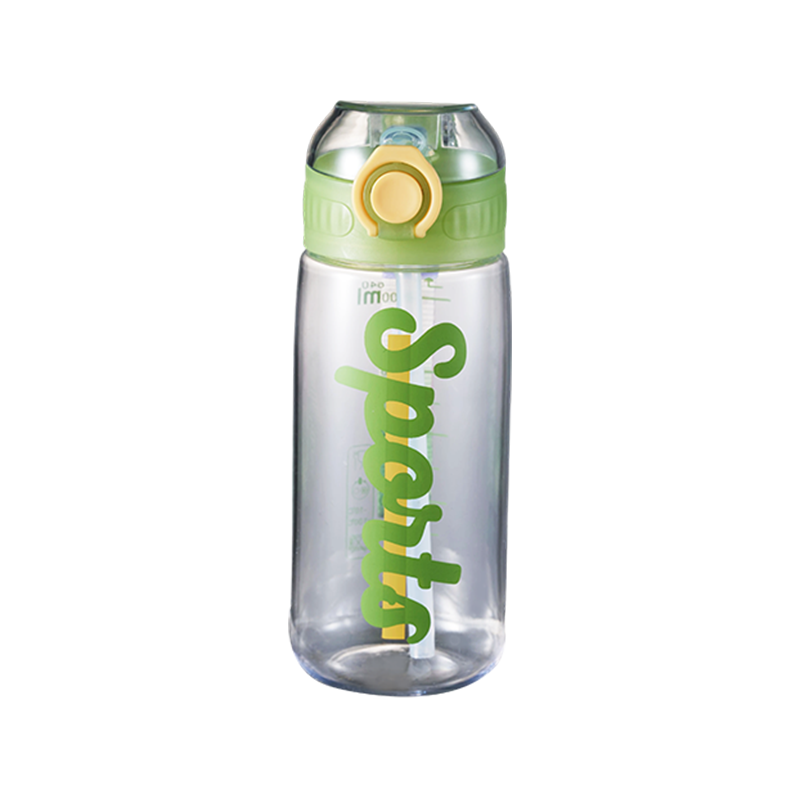
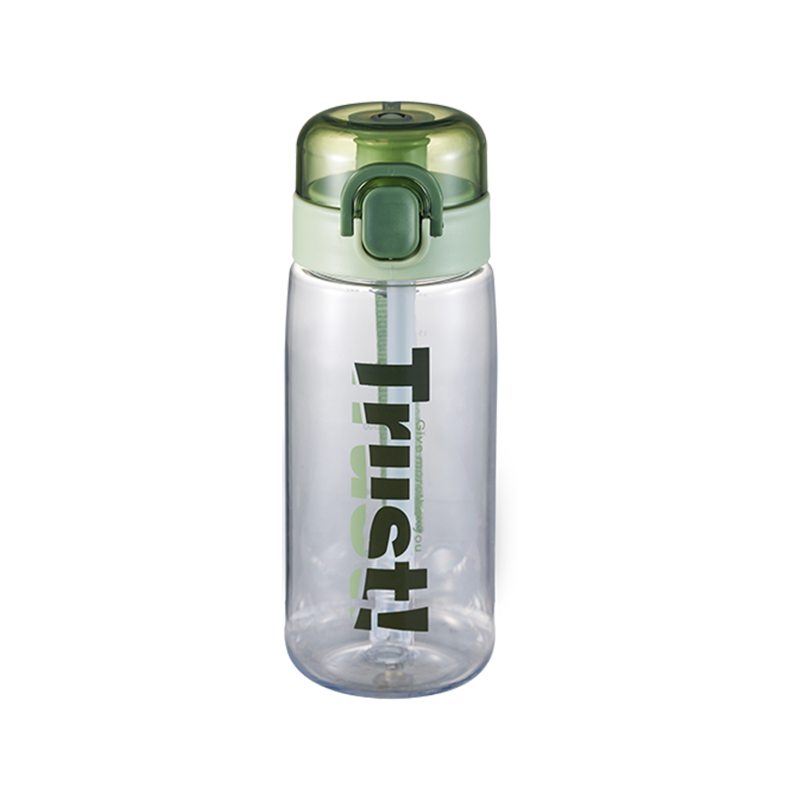
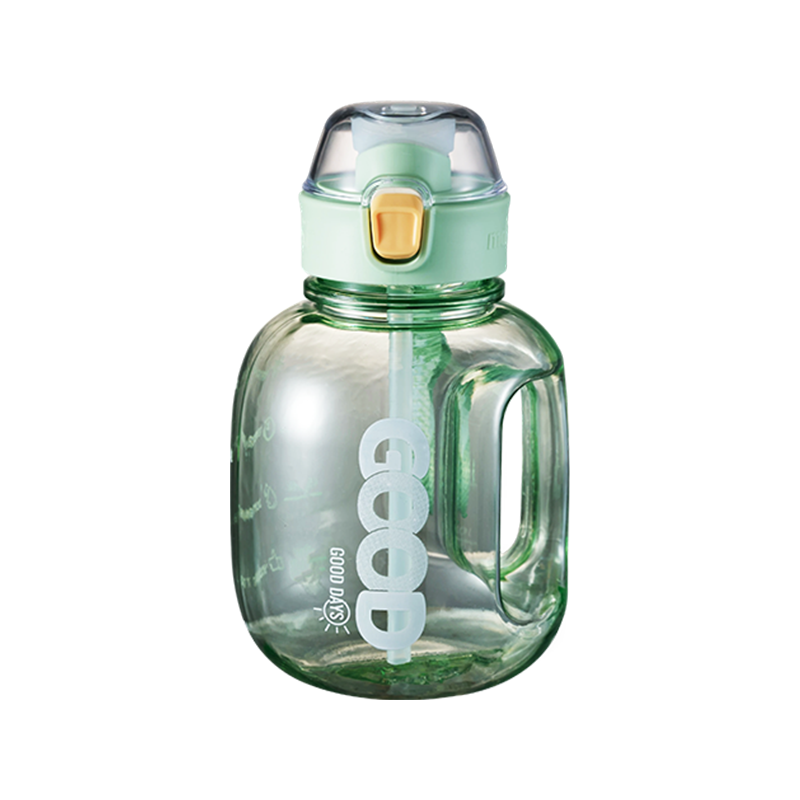
We specialize in the production and sales of plastic water cups, and also provide customization services
and comprehensive after-sales support.
QUICK LINKS
CONTACT US
- Address:No. 1 Shuangyou Road, Nancheng Street, Huangyan District, Taishan City, Zhejiang Province
- Tel: +86-19957687783
- Email: [email protected]
- Whatsapp: +86-19957687783
MOBILE
Copyright © Taizhou Huangyan Zuohao Plastic Factory.
All Rights Reserved.
