


 English
 عربى
عربىNews

What Causes Leaks in Water Bottle Plastic with Straw
A straw bottle looks simple from the outside. The bottle holds a drink, the cap closes the opening, and a straw gives the user a convenient way to drink without tipping the whole thing back.
Inside that simple structure, though, several small parts have to work together at once. A loose connection, a misplaced sealing ring, a poorly fitted cap, or an opening design that isn't quite right can all change how liquid moves through the bottle in ways that aren't obvious just looking at it.
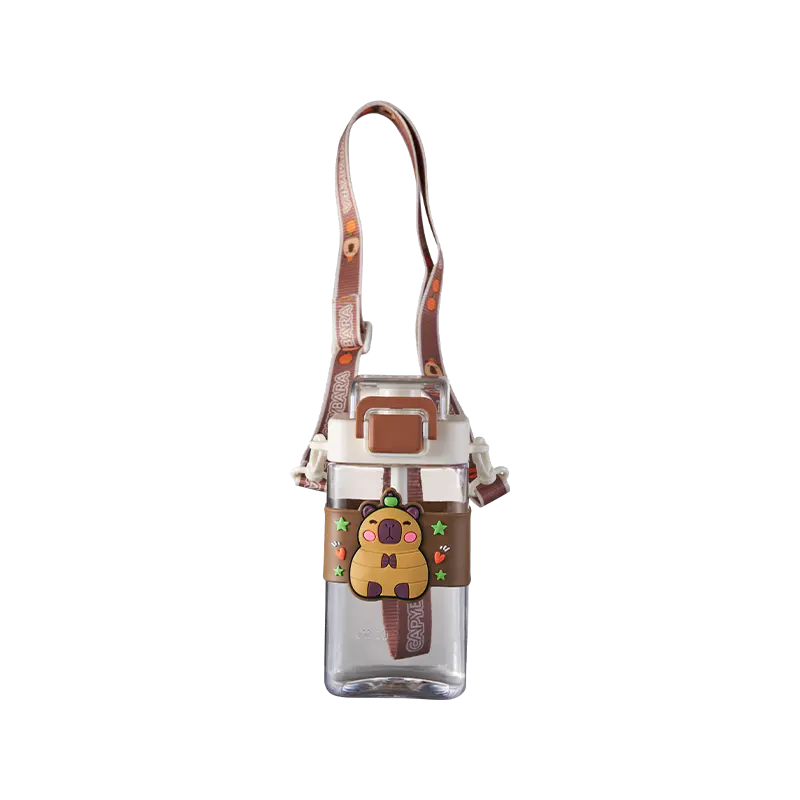
For a Water Bottle Plastic with Straw, leak prevention comes down to how these individual parts are designed and assembled together, not any single piece on its own. The issue isn't always the bottle material itself. The interaction between the bottle body, cap, straw, seal, and the habits of whoever's using it can matter just as much as what the bottle is actually made of.
Understanding these relationships helps manufacturers build products that are easier to use day to day, and it helps regular people figure out what's actually causing a leak instead of just assuming the bottle is broken.
Why a Straw Connection Can Become a Source of Leakage
The straw adds another connection between the inside and outside of the bottle that a regular bottle simply doesn't have. A conventional bottle only needs to seal the main opening, while a straw design has to accommodate a whole second passage running through the cap. That's one more spot that needs careful fitting to work properly.
If the straw doesn't sit securely against its connecting section, liquid can find a way around the joint without anyone noticing at first. The problem tends to show up more clearly once the bottle gets tilted, shaken, or tossed into a bag on the way out the door.
| Straw Connection Issue | Possible Effect |
|---|---|
| Loose straw fit | Liquid may escape around the joint |
| Uneven connection | Seal may not contact evenly |
| Misaligned straw | Cap may not close as intended |
| Damaged connection area | Leakage can occur during movement |
| Incorrect assembly | Parts may not sit in their intended positions |
A straw system that's designed well has to hold up under repeated use, since people take the straw out to clean it and put it back in afterward pretty regularly. Every one of those removals and reassemblies is another chance for something to end up out of place. Clear instructions help with this, but the physical design itself should also make the correct position feel obvious rather than something you have to think hard about.
That matters even more for products used by kids, travelers tossing a bottle in a carry-on, and anyone who washes their bottle often enough that reassembly becomes a daily routine.
How Sealing Rings Help Control Liquid Around the Cap
Sealing rings are small parts, but they carry a lot of weight in how a bottle holds up. They create contact between two surfaces and cut down the gap through which liquid could otherwise slip out. In a Straw Plastic Bottle, sealing areas can show up around the main cap opening, the straw connection, the drinking opening, or other moving sections, depending on how the product is built.
| Sealing Area | Main Purpose |
|---|---|
| Cap and bottle joint | Helps close the main opening |
| Straw connection | Helps limit liquid movement around the straw |
| Drinking opening | Helps control the outlet |
| Moving lid section | Helps maintain closure |
| Internal connection | Supports separation between liquid and external surfaces |
A seal only does its job properly when the parts around it are actually designed to work with it. A ring that's the right shape but placed wrong won't give the contact it's supposed to, and the same ring becomes a lot less useful once it's twisted, damaged, dirty, or shifted out of place during assembly.
Regular cleaning matters here too, since leftover residue around the sealing surface can keep parts from sitting together the way they're meant to. It's worth following whatever care instructions come with the product rather than forcing a seal into place with extra pressure, since that can distort it in ways that cause bigger problems down the line.
Can Cap Structure Cause a Straw Bottle to Leak?
The cap is doing more work than it looks like from the outside. It can contain several moving and fixed sections at once, including the straw connection, drinking opening, sealing components, and whatever mechanism actually closes the thing. How all these parts interact together decides how the bottle behaves whether it's upright, tilted, or getting jostled around in a bag.
A cap structure that isn't well coordinated can create more than one possible leak point without anyone realizing it. Someone might close one section while another opening stays partly exposed, or the cap can look closed while failing to make the contact it actually needs around the bottle opening.
| Cap Design Area | Potential Leakage Concern |
|---|---|
| Main bottle connection | Incomplete closure |
| Straw opening | Poor connection or sealing |
| Drinking port | Opening not fully closed |
| Lid hinge area | Misalignment during closure |
| Locking section | Incomplete engagement |
A cap design that works well makes the closed position obvious at a glance, so users don't have to guess whether the lid is actually secured before tossing it in a backpack. That matters a lot when the bottle ends up carried sideways or crammed in with other things.
For manufacturers, the real challenge is balancing ease of opening against secure closure. A cap that's a hassle to open discourages people from actually using the bottle day to day, while one that closes too loosely creates the exact leak problems the design is supposed to prevent.
How Opening and Closing Design Affects Daily Use
Everyday handling puts a bottle through the same cycle over and over. Someone opens the lid to drink, closes it while walking around, opens it again during a break, and eventually washes the whole thing later on. That repeated cycle makes the opening and closing structure a real design consideration, not a minor detail.
A bottle needs a clear line between open and closed, and the drinking opening needs to be easy to reach when someone wants water while staying properly protected the rest of the time it's being carried around.
| Daily Action | Design Requirement |
|---|---|
| Opening | Simple access to the drinking area |
| Drinking | Clear liquid path |
| Closing | Secure positioning |
| Carrying | Protection against accidental opening |
| Cleaning | Easy access to internal parts |
A closure mechanism that's too complicated tends to create assembly problems of its own. When several parts have to be positioned separately, it's easy for someone to accidentally leave one component slightly out of place, and that can hurt sealing performance even when every individual part is technically working fine on its own.
For a Water Bottle Plastic with Straw, keeping the interaction simple ends up contributing directly to leak control in practice. The design should make the intended sequence of use obvious enough that people don't have to think twice about it.
Why Daily Handling Can Cause a Straw Bottle to Leak
Not every leak traces back to a manufacturing defect. Daily use gradually changes the condition or position of a bottle's components in ways that add up over time. A bottle gets dropped, squeezed in a bag, buried under other stuff, or carried loosely without much thought, and the cap gets opened and closed more times than anyone bothers counting.
All of that handling affects how the parts fit together, even when nothing was wrong with the bottle to begin with.
| Daily Situation | Possible Effect |
|---|---|
| Bottle dropped | Parts may become displaced |
| Strong pressure on bottle | Liquid may move toward openings |
| Repeated cap use | Sealing areas receive regular handling |
| Incorrect straw installation | Connection may not close properly |
| Rough cleaning | Small components may be damaged |
Users can cut down on avoidable problems by checking the bottle after cleaning and putting components back together the way they're meant to sit. The sealing ring should settle into place naturally rather than getting forced, the straw should connect securely without unnecessary twisting, and the cap should be fully closed before the bottle goes into a bag.
Small habits like these help someone tell the difference between ordinary wear and an actual assembly problem worth addressing.
How PP Plastic Water Bottle Design Affects Leak Prevention
Material choice is one piece of the overall bottle design, not the whole story. A PP Plastic Water Bottle uses polypropylene as its main body material, though other materials might show up in specific components like seals or straws. Material choice shapes how the bottle body, cap, and connecting parts get shaped and handled during both manufacturing and everyday use.
The bottle body needs to hold its shape through ordinary use, the cap needs to work properly with the bottle opening, and the material overall needs to suit however the bottle typically gets cleaned and handled.
| Product Area | Material-Related Consideration |
|---|---|
| Bottle body | Shape stability during normal use |
| Cap | Compatibility with the bottle opening |
| Straw | Suitable flexibility and handling |
| Seal | Appropriate contact with surrounding parts |
| Locking parts | Repeated opening and closing |
Picking the right material on its own doesn't guarantee a leak-free bottle. A well-chosen plastic still needs to be paired with the right part geometry and careful assembly, which is why manufacturers tend to evaluate the whole bottle as one system instead of treating the bottle body as the only piece that matters.
For anyone buying one of these bottles, the practical takeaway is simple enough. The material name on the label only tells part of the story, and the construction of the cap and straw system deserves just as much attention before deciding a bottle is a good fit.
What Manufacturing Details Influence Straw Bottle Sealing
Small manufacturing differences ripple out into how separate components actually fit together once assembled. The bottle opening needs to match the cap precisely, the cap needs to accommodate the seal without pinching or gapping, and the straw needs to connect cleanly with its intended passage through the lid.
When these parts get produced and assembled consistently, the finished bottle behaves more predictably for whoever ends up using it.
| Inspection Area | What Can Be Checked |
|---|---|
| Bottle opening | Shape and visible condition |
| Cap | Fit and closing action |
| Straw connection | Stability and positioning |
| Sealing ring | Placement and condition |
| Lid structure | Opening and closing movement |
| Finished assembly | Overall fit |
Inspection shouldn't stop at how the bottle looks on the outside, since a bottle can look perfectly clean while still hiding a small assembly issue underneath. Practical handling checks help reveal whether the cap actually closes properly and whether the straw connection stays stable through normal, repeated use rather than just the first time out of the box.
Manufacturers can also examine a product after it's been opened, closed, cleaned, and reassembled several times over, which gives a much more realistic sense of how the design holds up beyond that first, careful assembly at the factory.
How Manufacturers Can Design Straw Bottles for Easier Maintenance
Cleaning connects directly to leak prevention in ways that are easy to overlook. Straw bottles usually have more removable parts than a simple open-mouth bottle, and users need to clean the bottle body, straw, cap, and sealing areas all separately. If any of these parts are hard to reach, residue can build up around connections and interfere with how everything fits back together.
A design that's actually friendly to maintenance can make a real difference here.
| Maintenance Feature | User Benefit |
|---|---|
| Removable straw | Easier internal cleaning |
| Accessible seal | Easier inspection |
| Simple cap structure | Fewer difficult-to-reach areas |
| Clear assembly method | Easier reinstallation |
| Easy-to-clean surfaces | Supports routine care |
The goal isn't piling on more removable parts for their own sake, since too many separate pieces create their own headaches when someone loses a small component or reinstalls it wrong without realizing it. A balanced design gives enough access for proper cleaning without turning everyday reassembly into a puzzle.
Clear care information from the manufacturer helps too, so people actually know which parts come apart and how they're supposed to go back together when the bottle comes out of the dishwasher.
What to Check When a Straw Bottle Starts Leaking
A small leak doesn't automatically mean the whole bottle needs replacing. It's worth starting with the areas most directly connected to where liquid actually travels through the bottle, working through them one at a time in order.
Check the cap position. Make sure the cap is fully seated and closed the way the product is designed to close, not just resting on top.
Inspect the straw connection. Confirm the straw is properly attached and hasn't shifted out of place from regular handling or washing.
Look at the sealing ring. Check that it's clean, sitting where it's supposed to, and free of any visible damage like cracks or warping.
Examine the drinking opening. Make sure it isn't partially blocked or closed incorrectly in a way that's forcing liquid somewhere it shouldn't go.
Review the bottle body. Look for visible cracks, deformation, or other changes that could be affecting how everything fits together.
Going through these steps helps figure out whether the problem traces back to assembly, cleaning habits, ordinary wear, or actual physical damage to a part. If something turns out to be damaged, it's worth handling it according to whatever replacement or care guidance the manufacturer provides rather than trying to force a fix.
A Straw Plastic Bottle is really a collection of several parts that all need to work together at once. Leak prevention comes down to the whole design working in concert — the bottle opening, the straw connection, the sealing ring, the cap structure, and the everyday maintenance routine all playing their part.
Related Products
We specialize in the production and sales of plastic water cups, and also provide customization services
and comprehensive after-sales support.
QUICK LINKS
CONTACT US
- Address:No. 1 Shuangyou Road, Nancheng Street, Huangyan District, Taishan City, Zhejiang Province
- Tel: +86-19957687783
- Email: [email protected]
- Whatsapp: +86-19957687783
MOBILE
Copyright © Taizhou Huangyan Zuohao Plastic Factory.
All Rights Reserved.
