


 English
 عربى
عربىNews

How Can a Plastic Water Bottle for Travel Fit Travel Needs
Travel doesn't look the way it used to. A trip might start with a train ride, roll through a crowded airport, and wrap up with a walk through some unfamiliar city. Some travelers spend hours outdoors, while others bounce between meetings, hotel rooms, and public transit. Whatever the shape of the day, getting access to drinking water tends to become part of the routine somewhere along the way.
A reusable bottle isn't just something for hauling water from point A to point B anymore. Its size, shape, opening, how it gets carried, cleaning needs, storage options — all of it decides how naturally the thing actually fits into someone's travel routine. A Plastic Water Bottle for Travel needs to move the way people actually move.
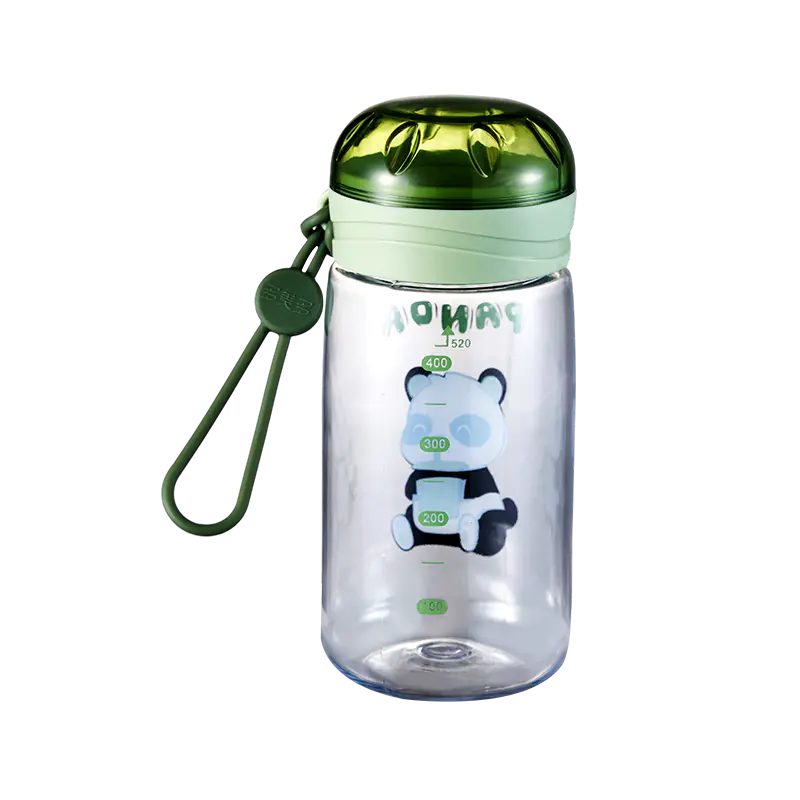
Modern travel also comes with shifting priorities. People want to cut back on disposable drinkware, keep their bags from turning into chaos, and carry water without lugging around extra weight for no reason. A bottle that's actually built for this can support those habits while still holding up across every stretch of a journey.
Why Has Portable Hydration Become Part of Modern Travel?
Travel is basically a string of transitions strung together. Someone leaves home with a bottle, tucks it into a bag during transit, pulls it back out while walking, then stashes it again before hopping into a vehicle. Each of those little moments places its own small demand on the bottle.
A travel bottle, then, has to work across more than one scenario at once. Easy to carry while walking, simple to tuck away when space gets tight. The drinking method itself needs to feel natural whether someone's standing, sitting, or on the move between locations.
Different travel situations bring their own priorities into focus.
| Travel Scenario | Useful Bottle Feature |
|---|---|
| Airport travel | Easy carrying and storage |
| Train or bus journeys | Secure closure |
| City walking | Comfortable handling |
| Outdoor activities | Portable construction |
| Hotel stays | Easy cleaning and reuse |
| Daily commuting | Convenient access |
Needs like these explain why portability has climbed up the priority list in modern drinkware design. Travelers aren't just picking out a container. They're choosing something that has to keep pace with them, wherever the day takes them.
How Does Bottle Shape Affect Travel Convenience?
Shape ties directly into how well a bottle fits into everyday travel. A wide bottle sits nice and stable on a table, while something slimmer slides into a bag a lot more easily.
Which shape actually works depends on how the bottle gets carried in the first place. Someone commuting who keeps a bottle sitting next to a laptop probably wants something that tucks neatly into a bag. Someone out hiking might care a lot more about a comfortable grip instead.
Surface texture plays into handling too. A bottle that's awkward to hold with one hand gets annoying fast once the other hand's busy juggling luggage or a phone.
Travel-friendly design, then, can weigh several details all at once:
- Overall shape
- Grip area
- Lid design
- Surface feel
- Storage compatibility
- Ease of handling
A shape that actually works shouldn't just look compact sitting on a shelf. It needs to make sense in the hand while someone's actually moving through different environments over the course of a day.
Can Lightweight Construction Support Frequent Travel?
Travelers usually carry a pile of things at once. Clothing, electronics, documents, personal items, whatever else — it fills up available space fast.
A reusable bottle adds one more thing into that mix. Its construction, then, needs to strike a balance between being useful and staying easy to carry around.
Plastic drinkware tends to get associated with convenient carrying, mostly because it can be molded into all sorts of shapes and forms. That flexibility lets manufacturers build bottles suited to different travel habits instead of forcing everyone into one fixed design.
Weight ties into frequency of use too. A bottle carried on a short commute gets handled pretty differently than one hauled along on a longer outdoor trip.
What really matters is that a travel bottle fits into someone's actual routine. A design that feels effortless to carry sticks around in daily use, rather than getting left behind on the kitchen counter.
How Does Storage Influence Bottle Design?
Storage turns out to matter more than people expect while traveling. A bottle might need to squeeze into a backpack, a side pocket, a suitcase, a car compartment, or just sit on a desk.
Something that works great in one spot might be a headache somewhere else. A big handle, wide body, or oddly shaped design eats up extra space, even if the bottle itself is perfectly easy to drink from.
Travelers keep shifting between packed, cramped spaces and wide-open ones. The bottle has to handle both without a fuss.
| Storage Situation | Design Consideration |
|---|---|
| Backpack | Compact outer shape |
| Suitcase | Easy placement |
| Vehicle compartment | Stable form |
| Hotel room | Convenient standing position |
| Work bag | Secure closure |
| Outdoor bag | Comfortable carrying |
Storage also ties back into staying organized. A bottle with a predictable shape and a lid that actually stays shut is a lot easier to tuck in alongside everything else.
Thoughtful design shaves off those small annoyances that start piling up once travel happens over and over.
Why Does a Secure Closure Matter So Much While Traveling?
A bottle spends most of its travel life stuffed inside a bag somewhere. It gets laid on its side, shuffled between compartments, handled while someone's mid-stride walking.
A closure that actually holds tight cuts down the risk of it popping open unexpectedly. That matters because water leaking near clothing, documents, electronics, or anything else in the bag spells trouble fast.
The closure also has to be easy enough to actually operate. A lid that fights back every time discourages people from drinking regularly, especially when someone's rushing to catch a train.
There's a real balance between security and convenience here. Travelers generally want a lid that stays shut in storage but doesn't turn into a wrestling match the moment they actually want a sip.
The bottle's opening shapes cleaning too. A simple structure makes routine washing painless, while extra parts and crevices demand more attention every time.
How Can Reusable Bottles Fit Sustainable Travel Habits?
Travel generates a lot of disposable stuff along the way. Drink containers are just one small slice of that everyday churn.
Carrying a reusable bottle gives travelers another option on the table. Instead of grabbing a fresh disposable bottle every time they need water, they can carry the same one from destination to destination and refill wherever it makes sense.
The real value of reusability, though, comes down to whether people actually use it. A bottle that's genuinely easy to carry, clean, and store tends to stay in regular rotation, rather than getting shoved into a drawer somewhere.
That creates a real link between product design and how people actually behave.
A reusable bottle can support habits like:
- Carrying water from home.
- Refilling during a journey.
- Reducing reliance on disposable drink containers.
- Keeping one bottle for repeated trips.
- Using the same bottle for commuting and leisure.
The environmental upside of reusable products isn't automatic, either. Usage patterns are what actually decide the outcome. A product has to be practical enough that people genuinely keep reaching for it.
What Makes a Bottle Suitable for Outdoor Activities?
Outdoor travel is a lot less predictable than commuting tends to be. Travelers might walk uneven trails, spend hours out in the open, or lug gear alongside their personal belongings.
Situations like that put more weight on handling and portability. A bottle should be reachable without requiring some awkward juggling act.
A comfortable grip helps a lot while walking. A secure lid earns its keep once the bottle's buried inside a backpack. A sturdy-feeling outer shell tends to be preferred too, given how often the bottle gets handled outdoors.
Outdoor use brings dirt, dust, moisture, and constantly shifting surroundings into the picture. Cleaning becomes a real factor in product choice at that point.
Design should make routine care genuinely practical. A bottle that's a pain to wash after a muddy hike loses its appeal fast for the next trip.
How Does Commuting Change the Way People Use Water Bottles?
Commuting runs on its own rhythm. Someone leaves home, walks to a station, waits around for transit, rides through a packed vehicle, then keeps walking once they've arrived.
Through all of that, the bottle gets picked up and stashed away several times over. It needs to slot naturally into these short bursts of use.
A commuter probably doesn't need the exact same features as someone spending a whole day outdoors. Easy access, compact storage, and simple handling tend to matter more here.
The bottle can also settle into a workday routine of its own. Sitting beside a computer through office hours, then heading back into a bag for the ride home.
That repeated back-and-forth shows exactly why travel drinkware needs designing around real routines, not some single, idealized use case.
How Do Cleaning and Maintenance Affect Travel Use?
A reusable bottle needs regular upkeep. Travel makes that trickier, since people don't always have the same cleaning setup on the road that they'd have back home.
A bottle built for easy cleaning ends up a lot more convenient on trips. The opening, lid, drinking spout, and internal surfaces all shape how easily the thing actually gets washed.
Maintenance matters even more when a bottle sits unused for stretches of time. After a trip wraps up, proper cleaning and drying keeps it ready to go for whatever comes next.
| Maintenance Habit | Travel Benefit |
|---|---|
| Regular washing | Supports repeated use |
| Thorough drying | Helps with storage |
| Checking the lid | Helps maintain secure closure |
| Cleaning removable parts | Supports easier care |
| Proper storage | Keeps the bottle ready for use |
Simple upkeep habits like these really pay off once the same bottle's doing double duty across commuting, travel, and outdoor use all at once.
How Can Travel Bottle Design Respond to Different User Habits?
Not every traveler moves through the day the same way. Some people pack with military precision and keep everything in its place. Others just want quick access to whatever they need, whenever they need it. Some stick mostly to public transit, while others spend the bulk of their time outdoors.
Product design can flex to meet these differences through adaptable features. Carrying handles, comfortable grips, secure lids, and shapes that actually make sense — each one solves a particular problem for a particular kind of traveler.
A Plastic Water Bottle for Travel can also work its way into a much broader personal routine. The same bottle might tag along to the office all week, join a weekend trip, then head outdoors for a hike the following month.
That kind of flexibility gives reusable drinkware a much bigger role in everyday life than people might expect. Rather than getting designed around one single destination, the bottle ends up built around the whole journey instead.
The relationship between portability, storage, handling, cleaning, and reusability really matters once travelers expect one product to carry them through several different parts of daily life at once.
Related Products
We specialize in the production and sales of plastic water cups, and also provide customization services
and comprehensive after-sales support.
QUICK LINKS
CONTACT US
- Address:No. 1 Shuangyou Road, Nancheng Street, Huangyan District, Taishan City, Zhejiang Province
- Tel: +86-19957687783
- Email: [email protected]
- Whatsapp: +86-19957687783
MOBILE
Copyright © Taizhou Huangyan Zuohao Plastic Factory.
All Rights Reserved.
