


 English
 عربى
عربىNews

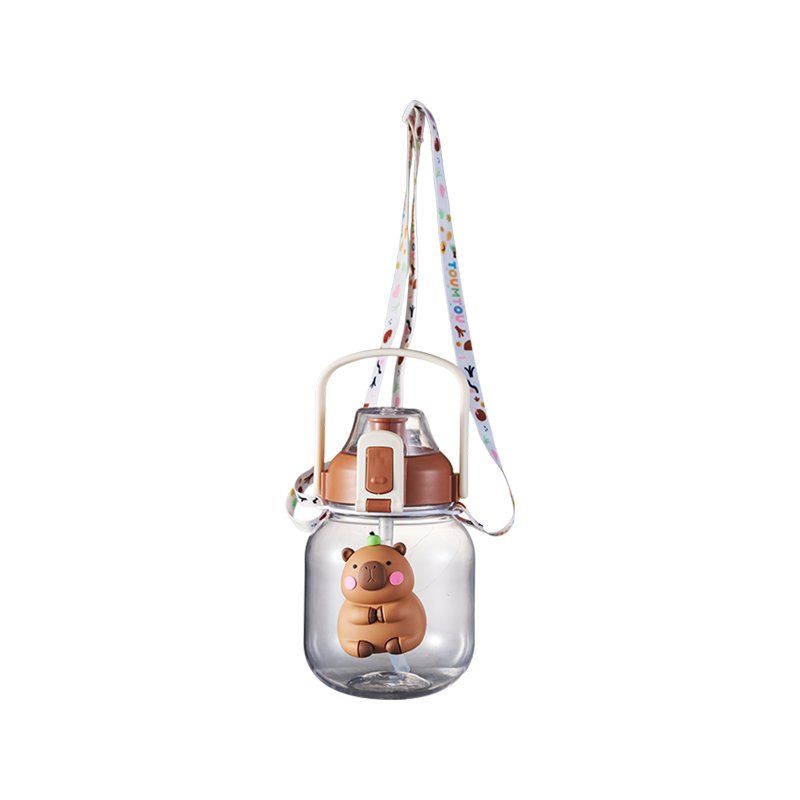
How Water Bottle Plastic with Straw Changes Hydration
Watch someone working at a desk for a few hours, and you'll notice something interesting about how they drink water. If their bottle has a straw, they take a sip every so often without really pausing what they're doing. If it's a standard cap-and-twist bottle sitting in the same spot, it often goes untouched for much longer stretches. That small difference in interaction is exactly what's driving interest in Water Bottle Plastic with Straw designs across so many everyday settings.
A bottle used to be judged mostly on whether it held liquid without leaking. Now people think about how easily they can actually drink from it while doing something else, how simple it is to clean afterward, and whether it fits naturally into a routine that moves between home, work, exercise, and everywhere in between.
Why Convenience Has Become the Main Priority
A typical day rarely stays in one place. Someone might start at home, head to an office or classroom, squeeze in a workout, then run errands before heading back. Carrying a drink through all of that used to mean stopping to lift, tilt, and drink from a bottle each time.
A straw changes that basic motion. Instead of tilting the whole container, someone just brings the straw to their mouth and drinks, which takes noticeably less effort and disruption.
| What People Want | How a Straw Design Delivers |
|---|---|
| Drinking without much effort | Direct sipping instead of lifting and tilting |
| Staying hydrated while moving | Easier to drink from while walking or exercising |
| Quick access during busy moments | Less handling needed for each sip |
| A bottle that fits varied routines | Works across desk use, commuting, and outdoor activity |
| Something reusable, not disposable | Built for repeated daily use |
This isn't really about replacing every traditional bottle out there. It's about giving people another option that matches how they actually move through a day.
What Changes When a Bottle Has a Straw
The real shift happens in how someone physically interacts with the bottle. A standard bottle requires lifting it, tilting it back, and repositioning it after each drink. A straw lets the bottle stay mostly upright while someone drinks through the tube instead.
That difference matters more in situations where movement is limited or attention is divided elsewhere.
Someone typing at a desk can take a sip without breaking focus on their screen. Someone in the middle of a workout can grab a quick drink without stopping to adjust their whole posture. Someone squeezed into an airplane seat can drink without needing much extra room to maneuver a bottle around.
None of these moments feel significant on their own, but repeated many times across a day, they add up to a noticeably different drinking pattern than what a traditional bottle tends to produce.
Why This Design Fits Active Routines So Well
Anyone moving through a busy day needs a bottle that can keep up with wherever they're headed next, whether that's tucked into a gym bag, sitting on a desk, or clipped to a backpack during a hike.
| Design Element | What It Actually Helps With |
|---|---|
| Carrying structure | Makes tossing the bottle into a bag or holding it one-handed easier |
| Secure lid | Cuts down on spills if the bottle gets knocked around |
| Straw mechanism | Keeps drinking simple even mid-activity |
| Comfortable shape | Feels natural to grip repeatedly throughout the day |
| Reusable build | Holds up to daily washing and refilling |
A runner heading out for a morning jog cares mostly about grabbing water quickly between strides. A commuter squeezing onto a crowded train cares more about the bottle not leaking inside their bag. A student moving between classes wants something they can drink from without stopping in a hallway. The same basic bottle design ends up serving all three, just with slightly different priorities depending on the person using it.
Why Plastic Choice Still Matters in Bottle Design
Plastic remains common in reusable drinkware because it holds up well to daily handling and can be shaped into practical designs without much added weight. Not every plastic behaves the same way, though, so the type used actually affects how the finished bottle performs.
A PP Plastic Water Bottle relies on a plastic type frequently used in food-related products, chosen partly because it tends to hold up reasonably well to repeated washing and everyday contact with food and drink.
Things that tend to matter here:
- How the material feels during daily handling
- How easily it holds up to regular washing
- How the finished bottle actually looks and feels in hand
- Whether it holds up over months of repeated reuse
- How well it works with the specific straw and lid design being used
A bottle meant to get tossed into a bag every morning needs a different feel than one that mostly sits on a kitchen counter, so material and design decisions tend to get made together rather than separately.
Why Comfort Keeps Coming Up in Bottle Design
A reusable bottle gets picked up, opened, and used dozens of times over its life, which means small annoyances that wouldn't matter much on a single-use bottle become noticeable fast on something used every day.
People tend to notice things like how the bottle sits in their hand, how smoothly the lid opens without a struggle, and whether the straw feels awkward or natural against their mouth.
| Comfort Detail | Why Someone Notices |
|---|---|
| Grip | Affects how easily the bottle gets picked up throughout the day |
| Mouthpiece | Shapes how natural or awkward each sip feels |
| Lid mechanism | Determines how much hassle opening and closing actually takes |
| Overall shape | Influences how easily it fits in a bag, cupholder, or hand |
| Weight | Matters more the longer someone carries it around |
Someone who's tried a bottle with an awkward, hard-to-open lid knows how quickly that annoyance turns into just leaving the bottle at home instead of bringing it along.
How Straw Design Adjusts to Different Daily Moments
The reason straw bottles keep showing up across so many different settings comes down to how well the same basic feature adapts to different situations.
At a Desk
A bottle sitting within arm's reach means someone can take a sip between tasks without breaking their concentration or getting up.
During Exercise
Quick, easy sips matter during a workout, where stopping to unscrew a cap and tilt back a full bottle interrupts momentum more than most people want.
Outdoors
Walking, cycling, or hiking all involve constant movement, and a bottle that's simple to drink from on the move keeps water genuinely accessible rather than something saved for a full stop.
While Traveling
Cramped seats and limited space on a plane or train make a straw noticeably more practical than needing room to tilt back a full bottle.
Around the House
Even at home, a straw bottle sitting on a counter or nightstand tends to get used more consistently than a bottle that requires more deliberate effort each time.
Does a Straw Bottle Actually Encourage More Drinking?
A bottle by itself can't decide how much water someone needs. That depends on the person, their activity level, and plenty of other factors that have nothing to do with bottle design.
What a bottle can do is remove small friction points that get in the way of drinking regularly. When water sits nearby and takes almost no effort to access, people tend to reach for it more often than when getting a drink means real effort or a pause in whatever they're doing.
That relationship plays out fairly simply: easier access tends to lead to more casual, repeated sipping throughout a day, rather than drinking only during a few deliberate breaks.
Someone who regularly forgets to drink water during a packed workday might find that having a straw bottle sitting on their desk makes those small, easy sips happen more naturally, without needing to consciously remind themselves each time.
Why Reusable Bottles Keep Becoming More Personal
Carrying a personal bottle to work, school, or the gym has become such a common habit that the bottle itself has turned into something people actually think about choosing, not just grabbing whatever's available.
Color, shape, lid style, and straw design all become part of how someone picks a bottle that fits their own daily habits and personal taste. It stops being purely functional and starts reflecting how someone organizes their day.
For companies making these products, that shift means thinking beyond just holding liquid. A PP Plastic Water Bottle with a straw lid succeeds partly because it handles the practical side well, and partly because it fits comfortably into how people actually want their everyday items to look and feel.
What to Actually Think About Before Buying One
Picking a straw bottle involves more than choosing a color that looks appealing on a shelf. Matching the bottle to how it'll actually get used day to day makes a real difference in whether it becomes something reached for regularly or something left forgotten in a cabinet.
| What to Check | Why It's Worth Asking |
|---|---|
| Overall structure | Does it feel comfortable for regular, everyday handling |
| Straw setup | Does drinking through it feel easy rather than awkward |
| Lid mechanism | Does it open and close without hassle during daily use |
| Cleaning process | Can all the parts actually be washed thoroughly |
| Portability | Does it fit comfortably into a bag, cupholder, or hand |
| Material | Does it suit the specific way this bottle will get used |
Cleaning deserves particular attention with straw bottles, since the straw and lid usually involve more connected parts than a simple twist-cap bottle, and those extra crevices need real attention during washing to avoid buildup over time.
Business buyers sourcing these bottles in volume have additional things to weigh too, like consistency across batches, packaging quality, and how responsive a supplier actually is when problems come up after the sale.
Where Straw Bottle Design Is Actually Headed
Reusable drinkware keeps moving toward products judged on the entire experience of using them, not just whether they hold water without leaking. People care about how a bottle opens, how it feels during a long day of handling, how it travels from place to place, and how easily it gets cleaned at the end of the day.
Water Bottle Plastic with Straw designs sit right in the middle of that shift. The straw itself is a fairly simple addition, but it changes the whole relationship someone has with their bottle, shaping how often they carry it, how naturally they drink from it, and whether it actually becomes part of their daily routine rather than just another item cluttering a cabinet. As people keep looking for drinkware that fits seamlessly into busy, varied days, that attention to small, practical details will likely keep shaping how these bottles get designed going forward.
Related Products
We specialize in the production and sales of plastic water cups, and also provide customization services
and comprehensive after-sales support.
QUICK LINKS
CONTACT US
- Address:No. 1 Shuangyou Road, Nancheng Street, Huangyan District, Taishan City, Zhejiang Province
- Tel: +86-19957687783
- Email: [email protected]
- Whatsapp: +86-19957687783
MOBILE
Copyright © Taizhou Huangyan Zuohao Plastic Factory.
All Rights Reserved.
