


 English
 عربى
عربىNews

How Do PP Plastic Water Bottles Improve Leak Resistance
Anyone who's pulled a soaked textbook or a damp phone charger out of a backpack after a bottle leaked overnight knows exactly why leak resistance matters more than people give it credit for. A bottle that leaks inside a bag can quickly become a genuine daily inconvenience. Water may reach books, electronics, clothing, or other personal items before the user even notices the problem has started. For people carrying a bottle to work, school, the gym, or outdoor activities, leak resistance is therefore part of the product experience, rather than some minor design detail tucked in the fine print.
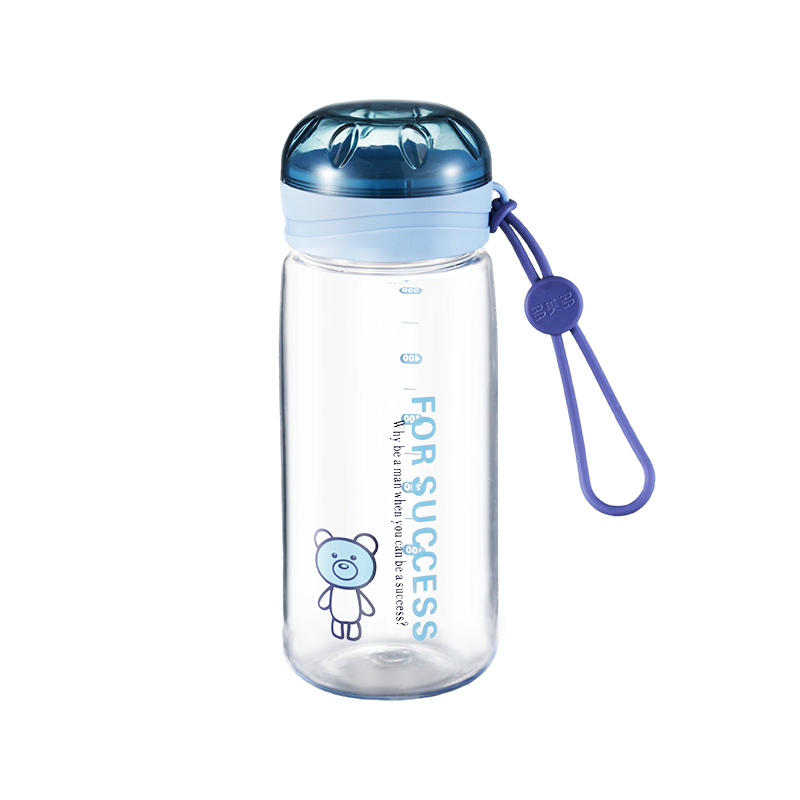
A PP Plastic Water Bottle can be designed with several features that help reduce the chance of unwanted leakage happening in the first place. The bottle cap, sealing areas, straw connection, and carrying structure all play a role in this. A Water Bottle Plastic with Straw also needs to manage the connection between the drinking system and the main bottle body carefully. These details become even more important when a Straw Plastic Bottle gets placed inside a bag or carried while moving around during the day.
Leak-resistant design doesn't come from one component alone sitting off in isolation. It comes from how several parts work together during normal, everyday use.
Why Leak Resistance Matters in PP Plastic Water Bottles
A water bottle can be convenient to use and still become genuinely frustrating if liquid escapes from the wrong place at the wrong time. Leakage may happen while the bottle is standing upright, lying inside a bag, or being moved around during travel.
For manufacturers, this means the design needs to consider more than the bottle body alone. The connection between different components can be just as important as the material used to make the container itself.
| Bottle Area | Role in Leak-Resistant Design |
|---|---|
| Bottle body | Holds the liquid securely |
| Cap | Closes the main opening |
| Seal | Helps prevent liquid from escaping around the closure |
| Straw connection | Controls the path between bottle and mouthpiece |
| Mouthpiece | Provides access for drinking |
| Cover | Helps protect the drinking opening |
| Carrying feature | Supports safer transportation |
A PP Plastic Water Bottle may use several of these elements working together at the same time. The design needs to account for how users actually handle the product day to day. A bottle that stays upright on a desk faces genuinely different conditions from one that's placed horizontally inside a backpack for a commute.
This is why leak resistance should get considered throughout the entire product, rather than added on as a final feature once everything else is decided.
How the Bottle Cap Influences Leak Resistance
The cap is one of the main areas where manufacturers need to control the movement of liquid carefully.
A cap needs to close the bottle opening in a way that creates a suitable seal against the neck. If the connection is loose, uneven, or poorly matched with the bottle neck, liquid may escape the moment the bottle gets tilted in a bag.
A practical cap design may focus on:
- A secure closing action
- Consistent contact around the opening
- Easy opening and closing
- Suitable alignment with the bottle body
- Compatibility with the sealing component
- Resistance to accidental opening during normal carrying
The user experience matters just as much here. A cap that's difficult to close may encourage users to leave it only partially secured, which defeats the purpose entirely. A closure that feels clear and natural can make it a lot easier for users to confirm the bottle is properly closed before tossing it in a bag.
Some designs use threaded caps, while others use different closure structures entirely. The exact approach depends on the product itself. For manufacturers, the key is ensuring the cap and bottle get designed as a matching system, not two separate parts that happen to fit.
What Role the Sealing Structure Plays
The sealing structure sits in an area users may rarely think about, yet it can have a genuinely major influence on leak resistance overall.
A seal helps close the small gap between connected components. When the bottle gets tilted, liquid can move toward this exact area. A suitable seal helps prevent that liquid from finding a path outside the container.
Different products may use different sealing materials or shapes depending on the design.
| Design Consideration | Practical Purpose |
|---|---|
| Proper contact | Helps close the connection |
| Stable positioning | Keeps the seal where it belongs |
| Suitable material | Supports repeated everyday use |
| Easy cleaning | Helps users maintain the sealing area |
| Compatible structure | Allows the seal to work with the cap and bottle |
A seal that's incorrectly positioned may not work as intended, no matter how well it was manufactured. This makes assembly genuinely important. During manufacturing, the sealing component needs to be placed correctly and remain stable during normal use. If it shifts easily out of place, the bottle becomes a lot more vulnerable to leakage down the line.
Cleaning also deserves attention here. Residue around the seal can interfere with proper contact over time. A design that lets users access and clean the sealing area can make routine maintenance a lot easier to keep up with.
How a Straw Connection Can Affect a Water Bottle Plastic with Straw
A straw creates another connection point that needs careful attention on its own.
A Water Bottle Plastic with Straw has a drinking path connecting the liquid inside the bottle with the user's mouth. Depending on the design, the straw may connect directly to the lid or pass through another component along the way.
Every connection creates another area that needs consideration for leak resistance.
The straw connection should be designed so that:
- The straw remains securely positioned
- Liquid does not escape around the connection
- The connection can tolerate normal handling
- The user can clean the area when appropriate
- Components remain compatible after repeated assembly
The connection should also work naturally alongside the cap. If a user removes the lid for cleaning and then puts it back together afterward, the components should be easy to position correctly without guesswork. A complicated assembly process can increase the chance of incorrect reassembly, which often shows up later as an unexpected leak.
For a Straw Plastic Bottle, this matters particularly, since the straw system is part of both drinking convenience and liquid control at once.
Can a Straw Cover Help Prevent Accidental Leakage?
A straw cover can serve several purposes at once, beyond just looking tidy.
It can protect the mouthpiece from contact with surrounding surfaces inside a bag. Depending on the design, it may also help keep the drinking opening closed when the bottle isn't being used at that moment.
A covered straw system proves useful when the bottle gets carried in a bag or placed on a shared surface like a gym bench.
The cover should fit securely without becoming difficult to operate one-handed.
A practical design balances:
- Secure closure
- Easy access
- Cleanability
- Comfortable handling
- Compatibility with the straw system
If the cover isn't properly closed, it may not provide the intended protection at all. Manufacturers therefore need to consider how users actually open and close the cover during ordinary use, not just under lab conditions. A simple closing action can reduce confusion and make the bottle a lot easier to use throughout a busy day.
How Bottle Neck and Cap Matching Affects Performance
The bottle neck and cap need to work together as a matched pair, not independent parts.
Even if the bottle body is properly formed, an unsuitable connection at the neck can create a genuine path for liquid to escape unexpectedly. The shape of the opening, the cap structure, the sealing area, and the way the cap closes all influence the final result together.
A well-matched design should let the user close the bottle naturally without excessive twisting or adjustment.
For manufacturers, consistency during production matters just as much. If the relationship between the bottle neck and cap varies from unit to unit, some finished products may not close the same way as others coming off the same line.
This is why leak-resistant design involves both product development and manufacturing control working in tandem. The bottle may appear simple from the outside, but several small surfaces need to work together underneath.
How the Carrying Method Can Influence Leak Risk
A bottle doesn't always stay upright throughout the day.
Users may place it horizontally in a backpack, carry it by a handle, put it in a vehicle cupholder, or move it between different locations constantly. The carrying method therefore influences the conditions under which the bottle needs to remain closed.
A bottle with a carrying handle or strap may experience movement as it gets transported around. A bottle placed inside a bag may get pressed against other objects packed in tight.
Manufacturers can consider these situations when developing the closure and carrying structure together.
| Carrying Situation | Design Concern |
|---|---|
| Backpack storage | Bottle may be placed on its side |
| Hand carrying | Bottle may swing during movement |
| Vehicle use | Bottle may shift on a surface |
| Outdoor activity | Bottle may experience repeated movement |
| Desk use | Bottle is usually kept upright |
A carrying feature should also connect securely to the bottle body. If the handle is poorly positioned, the bottle may tilt unexpectedly during transport. A balanced carrying design can make handling a lot more predictable over time.
Leak resistance and portability are therefore genuinely connected, not separate concerns.
What Design Features Help a Straw Plastic Bottle Stay Secure During Movement
Movement creates changing forces around the bottle throughout a normal day.
A Straw Plastic Bottle may get shaken, tilted, placed in a bag, or carried while walking to catch a bus. The closure system should keep functioning under ordinary movement like this.
Several design details can support this goal.
Secure cap connection. The cap should remain properly closed during normal handling, even when jostled.
Protected drinking opening. A cover can help keep the mouthpiece closed when it's not being used at the moment.
Stable straw connection. The straw should remain properly positioned within the drinking system throughout use.
Suitable carrying structure. Handles and straps should support the bottle without creating unnecessary movement.
Reliable sealing areas. The connections between components should remain properly closed during normal use.
These features shouldn't get developed independently of one another. For example, a secure cap may still prove ineffective if the straw connection is poorly sealed underneath it. A good straw connection may not solve anything if the main cap isn't properly closed to begin with. The overall design needs to function as a complete system, not a collection of parts.
How Material Selection Supports Leak-Resistant Design
Material selection can influence how bottle components behave during everyday use over months of handling.
A PP Plastic Water Bottle uses polypropylene as a major material, while other components may use different materials depending on the specific product design.
The material needs to suit its particular role within the bottle. The bottle body needs to maintain its intended shape during normal handling and the occasional drop. The cap needs to connect securely with the bottle every time it's closed. A sealing component needs to remain suitable for repeated use without degrading.
Manufacturers may consider:
- Surface characteristics
- Flexibility
- Shape retention
- Compatibility between components
- Resistance to normal handling
- Suitability for the intended beverage
Material selection should also take cleaning into account from the start. Users need to wash the bottle and its components regularly. A design that's difficult to clean may let residue remain around connection points, quietly undermining the seal over time.
For this reason, material choice and maintenance design should get considered together, not as separate decisions.
Why Easy Cleaning Is Important for Leak-Resistant Bottles
Leak resistance can change over time when bottle components don't get maintained properly.
Small amounts of residue may collect around the cap, seal, straw connection, or mouthpiece after repeated use. Over time, this can interfere with the way components fit together properly.
A bottle that's easy to disassemble and clean gives users a practical way to maintain these areas without a fight.
A useful cleaning design may include:
- Accessible sealing areas
- Removable straw components when appropriate
- Easy-to-wash lid structures
- Clear assembly instructions
- Components that can be checked visually
Users should follow the care instructions supplied with their specific product rather than guessing. Not every bottle should get cleaned using the same method as another.
For a Water Bottle Plastic with Straw, the straw itself also needs attention. The inside of a narrow straw can be harder to clean than the main bottle body, so the product design should consider how users can actually access it with a brush.
Maintenance is genuinely part of leak-resistant design, because clean, correctly assembled components are a lot easier to keep in their intended position over the long run.
How Manufacturers Can Test Leak-Resistant Design
Testing should reflect realistic ways a bottle may actually get handled, not just idealized lab conditions.
A manufacturer can inspect the bottle in different positions and examine the main connection points closely. The exact testing process depends on the product and its intended use case.
| Test Area | What It Can Reveal |
|---|---|
| Upright position | Basic closure condition |
| Tilted position | Seal and cap performance |
| Horizontal position | Potential leakage around connections |
| Repeated opening and closing | Closure consistency |
| Straw operation | Connection stability |
| Carrying movement | Behavior during normal transport |
Testing should also include the complete assembled product, not just isolated parts. Checking the bottle body alone doesn't provide enough information on its own. The cap, seal, straw, and carrying structure all need to function together as a whole.
Manufacturers can use the results to refine the design before committing to larger-scale production runs.
What Buyers Should Look for in a Leak-Resistant PP Plastic Water Bottle
Buyers can evaluate leak resistance by looking well beyond the bottle's appearance alone.
A bottle may have an attractive shape but still require closer inspection around the closure system underneath that surface.
Useful questions include:
- How does the cap close?
- Is the sealing area easy to inspect?
- How is the straw connected?
- Can the relevant components be cleaned?
- Is the drinking opening protected?
- Does the carrying feature keep the bottle stable?
- Are assembly and care instructions clear?
- Is the product designed for the intended type of use?
For wholesale buyers, it also helps requesting samples before placing a larger order with a supplier. Testing a sample in realistic situations can reveal details that are difficult to spot in product photographs alone.
The evaluation should include the fully assembled bottle, rather than only the main container by itself.
For manufacturers and buyers, leak-resistant design comes down to a combination of small decisions working together. The cap must work with the bottle neck properly. The sealing structure needs to remain properly positioned throughout use. The straw connection must control the drinking path reliably, while the cover and carrying method should support secure everyday handling. A PP Plastic Water Bottle or Water Bottle Plastic with Straw becomes a lot easier to trust when these parts get considered as one connected design, rather than a set of separate features bolted together.
Related Products
We specialize in the production and sales of plastic water cups, and also provide customization services
and comprehensive after-sales support.
QUICK LINKS
CONTACT US
- Address:No. 1 Shuangyou Road, Nancheng Street, Huangyan District, Taishan City, Zhejiang Province
- Tel: +86-19957687783
- Email: [email protected]
- Whatsapp: +86-19957687783
MOBILE
Copyright © Taizhou Huangyan Zuohao Plastic Factory.
All Rights Reserved.
