


 English
 عربى
عربىNews

How to Pick a Plastic Water Bottle for Adults and More
Picking a bottle size sounds simple until an order ships and half the batch comes back because customers say it is too bulky to carry, or too small to get through a workday. Anyone sourcing a Plastic Water Bottle for Adults has probably run into this exact wall: a size that looks fine on paper turns out wrong once real people start using it day to day. The mismatch usually traces back to one thing, which is treating all buyers as if they share the same habits, when in fact an office worker, a traveler, and someone heading to the gym want completely different things from the same product category.
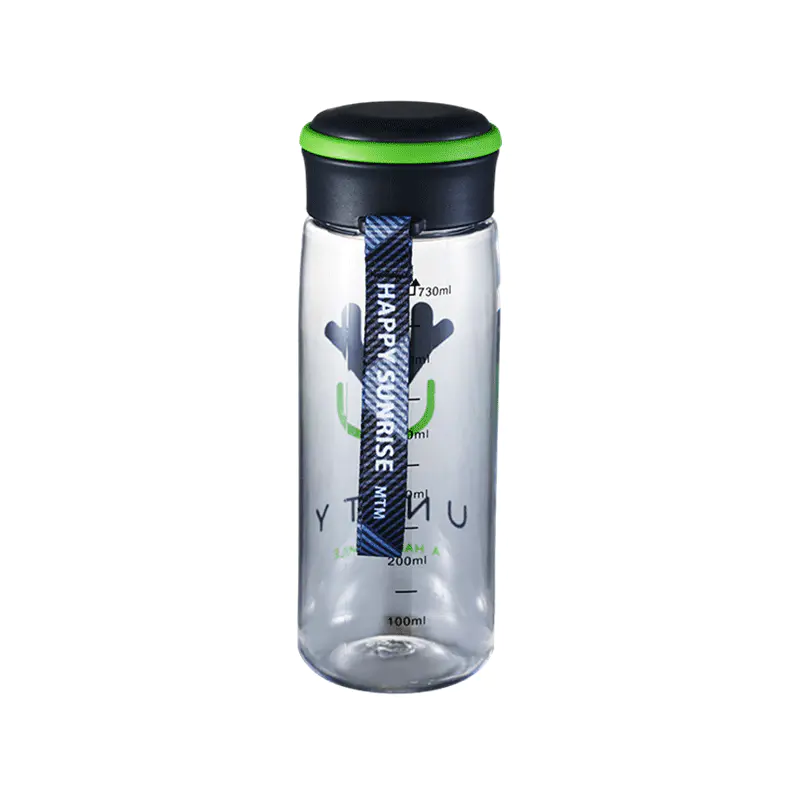
There is a temptation in product development to settle on a single capacity and call it universal, mostly because it simplifies molds and shortens production runs. That shortcut tends to backfire once real feedback starts coming in from retail shelves or online reviews, where the complaints usually sound similar: too heavy for a commute, too small for a long shift, too awkward to grip mid-run. Sorting through customer type before locking in a size avoids a good deal of that pain later.
Why Bottle Size Depends on the Customer
A bottle that works well for one group can fail completely for another, and that has less to do with taste than with how each person actually uses the product across a normal day. Someone sitting at a desk for hours cares about total capacity, since refilling constantly is annoying. Someone jogging around a neighborhood block cares about grip and weight far more than how much liquid the bottle holds.
There is no single size that satisfies every buyer, and chasing one usually ends up satisfying nobody particularly well. A few factors tend to drive the decision more than anything else:
- Daily activity level and how long the bottle needs to last between refills
- Whether the bottle gets carried by hand, tossed in a bag, or clipped to gear
- Climate and how much a person sweats or hydrates during a session
- Age group, since children and older adults often want lighter, easier grips
Age and Lifestyle Shape the Decision More Than People Expect
It is tempting to assume capacity is just a matter of preference, but lifestyle patterns explain a lot of the variation. A commuter who drinks water steadily through a long shift wants something that does not need refilling every hour. A parent packing lunch for a child wants the opposite: something small enough for little hands and a backpack side pocket.
Manufacturers who understand this stop guessing and start segmenting product lines around actual use cases instead.
This is where a lot of otherwise solid products stumble. A design team might nail the material, the cap mechanism, and the finish, only to miss the mark on capacity because nobody mapped out who was actually going to carry the thing around all day. Getting the size conversation right earlier in development tends to save a redesign cycle later, which is not a small thing once tooling and packaging are already committed.
What Do Different Customer Groups Actually Need?
Breaking buyers into rough categories makes the sizing conversation a lot more concrete. None of these groups are rigid boxes, but they cover the bulk of demand a brand or retailer typically deals with.
| Customer Group | Priority | Typical Bottle Trait | Common Setting |
|---|---|---|---|
| Adults / Everyday Users | Steady hydration across a long day | Larger capacity, secure cap | Office, home, commute |
| Travelers | Portability and leak protection | Lightweight body, compact shape | Airports, road trips, luggage |
| Gym and Sports Users | Quick access while moving | Wide mouth, easy grip, spill resistance | Gyms, tracks, outdoor training |
Adults and Everyday Hydration Habits
Adults buying a Plastic Water Bottle for Adults usually want something that gets them through a stretch of hours without constant refilling. This group tends to value a comfortable grip and a cap that seals reliably, since the bottle often rides around in a bag or sits on a desk for extended periods.
It rarely needs to be the lightest option on a shelf. Weight matters less here than for someone jogging or flying, so a slightly heavier build with a larger capacity generally fits this group better than a stripped-down design built purely for portability.
Think about how many times a desk worker actually gets up during a shift. Not often, in a lot of office environments, which means the bottle sitting next to the keyboard needs to hold enough water to make that infrequent trip worthwhile. A smaller bottle in this setting just means more interruptions, and plenty of people would rather carry a bit of extra bulk than break concentration every twenty minutes to refill something.
Travelers Need Something Different
Travel changes the calculation almost entirely. A bottle that gets tossed into a carry-on, squeezed between other items, or handled roughly at security checkpoints has to survive that treatment without leaking. A Plastic Water Bottle for Travel tends to prioritize a compact shape and a lighter shell over sheer holding capacity.
Spill resistance becomes a bigger deal here too, since a leak inside a packed bag ruins more than just the water. Buyers sourcing for this segment often ask about cap security and drop resistance before they ask about size at all.
Airport security adds its own wrinkle, since a lot of travelers end up emptying and refilling a bottle multiple times in a single trip. A shape that is easy to rinse out and refill quickly, without fumbling at a crowded water fountain, ends up mattering just as much as how much it holds once full.
Gym and Running Users Have Their Own Priorities
Fitness-focused buyers approach the decision from a completely different angle. A Plastic Water Bottle for Gym use needs to survive being tossed on a bench, gripped with sweaty hands, and opened one-handed mid-set without slowing anyone down.
Runners face an even narrower set of constraints. Sports Water Bottles for Running usually favor a slimmer profile that fits a hand or a belt holder, since bulk becomes uncomfortable across a longer distance. Grip texture and a mouth wide enough for quick sips without stopping tend to matter more than raw capacity for this crowd.
There is also a temperature factor worth mentioning. Someone training outdoors during warmer stretches drinks more frequently and in smaller amounts than someone sitting through a lecture, so a bottle built for that context needs to make each sip fast rather than focusing purely on total volume. A design that slows a runner down mid-stride, even by a couple of seconds, tends to get abandoned in favor of something quicker to use.
Small Bottle or Large Capacity?
This comparison comes up constantly during product development, and the honest answer is that it depends entirely on how the end user moves through their day. A small bottle wins on portability and fits nearly any bag or cupholder, but it forces more frequent refills. A larger bottle solves that refill problem but adds bulk that some users genuinely dislike carrying.
A Lightweight Plastic Water Bottle tries to split the difference by using thinner walls or a more compact shape to reduce weight without cutting capacity too aggressively. Whether that trade-off works depends on the customer base a brand is targeting. Office workers tend to tolerate a bit of extra weight in exchange for fewer refills, while travelers and runners usually lean toward whatever weighs less in the hand.
Neither approach is wrong, and framing the comparison as a contest misses the point somewhat. It really comes down to matching the product to how the buyer's customer actually lives their day. A retailer stocking both a compact and a full-size option, rather than betting everything on one middle-ground size, often covers more ground with less guessing involved.
Straw Design or Traditional Cap?
Bottle structure adds another layer to the sizing conversation, since a straw-style opening changes how much liquid a user drinks per sip compared with a standard screw cap. A reusable straw bottle tends to encourage more frequent, smaller sips, which some buyers prefer for steady hydration through a workday. A traditional cap, on the other hand, allows for a fuller gulp and often seals more securely for travel.
Neither structure is inherently better. It comes down to how the target customer actually drinks. Someone who sips continuously at a desk might prefer the straw format. Someone tossing a bottle in a gym bag between sessions might care more about a cap that will not pop open and soak everything else inside.
A spill proof plastic water bottle matters across nearly every group, but the reasons shift depending on context. Travelers worry about luggage damage. Gym users worry about bags getting soaked mid-workout. Parents worry about small hands fumbling a cap. The underlying feature stays consistent even though the motivation behind wanting it changes from one buyer to the next.
Can Bottle Size Be Customized for a Brand?
Retailers and brand owners rarely want to pick a single fixed size and stop there. Market positioning usually calls for a small range, maybe a compact option alongside a larger everyday version, so a product line can cover more than one customer group without diluting the brand's identity.
A few things typically come up once a buyer starts talking customization with a factory:
- Mold availability for different capacity ranges and shapes
- Order quantity thresholds tied to each size variant
- Material options, including PP plastic water bottle construction for durability
- Timeline for producing custom molds versus using existing tooling
- Branding placement, since label area shrinks or grows with bottle size
Working through these questions early prevents a lot of back and forth later in production, and it usually shortens the path from concept to a finished batch ready for retail shelves.
Buyers who skip this step tend to run into surprises during sampling, when a mold that looked fine on a drawing turns out to sit awkwardly in a hand, or a cap that fit one bottle body does not seal correctly on a slightly larger variant. Catching that during early conversation, rather than after tooling has already been cut, saves both budget and time.
Does Factory Experience Actually Matter Here
It does, more than a lot of buyers expect going in. A factory that has already produced bottles across several size categories tends to spot sizing problems before they become expensive mistakes, whether that means flagging a cap that will not seal properly at a certain capacity or pointing out that a proposed shape will not survive standard shipping handling.
Sourcing a bottle size that actually fits a target customer takes more than picking a number off a spec sheet. It means thinking through how that person carries the bottle, how often they refill it, and what kind of environment it has to survive, whether that is a gym floor, an airport security line, or a desk drawer. Getting size wrong is an easy mistake, and it is also one of the more expensive ones to fix once a batch has already shipped to a retailer or brand partner.
None of this needs to be guesswork on the buyer's side either. A factory that has already run production across adult, travel, and sports-focused lines usually has a reasonable sense of which capacity ranges tend to perform well for each group, and can flag a sizing decision that looks risky before it turns into a costly reprint of packaging or a batch that sits unsold. Taizhou Huangyan Zuohao Plastic Factory works with brands and buyers to match capacity, weight, and structure to the customer group behind each order, covering everyday adult use through travel and sports applications with production capability built around that kind of flexibility. Reaching out before finalizing a spec sheet tends to save both time and reorders down the line.
Related Products
We specialize in the production and sales of plastic water cups, and also provide customization services
and comprehensive after-sales support.
QUICK LINKS
CONTACT US
- Address:No. 1 Shuangyou Road, Nancheng Street, Huangyan District, Taishan City, Zhejiang Province
- Tel: +86-19957687783
- Email: [email protected]
- Whatsapp: +86-19957687783
MOBILE
Copyright © Taizhou Huangyan Zuohao Plastic Factory.
All Rights Reserved.
