


 English
 عربى
عربىNews

How Does a Straw Plastic Bottle Improve Daily Drinking
Someone rushing between a laptop bag, a coffee, and a phone while trying to grab a sip of water without breaking stride is exactly the kind of moment a Straw Plastic Bottle gets designed around. A Straw Plastic Bottle is convenient for daily use because its drinking method, portable shape, and simple handling can fit naturally into everyday routines without demanding extra attention. People often carry drinks between work, study, exercise, travel, and outdoor activities throughout a single day, so a bottle needs to be more than just a container holding liquid.
Daily convenience comes from small details that add up over repeated use. A person may want to drink without tilting the bottle every single time. Someone commuting may prefer a bottle that can be carried without taking up much attention on a crowded train. Another user may care genuinely more about cleaning, storage, or opening the bottle with one hand while the other stays occupied.
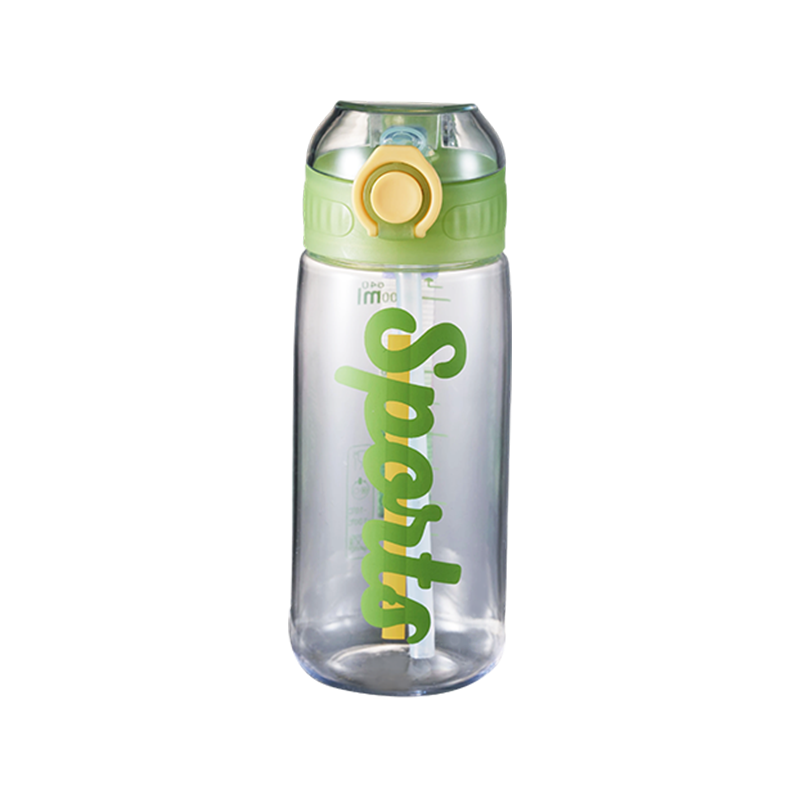
These needs have encouraged manufacturers to pay genuinely closer attention to bottle structure and drinking habits, rather than treating the container as an afterthought. A straw can change how the bottle actually gets used day to day, while the plastic body can provide flexibility in shape and handling that rigid materials can't match as easily.
The result is a product category that connects packaging design with everyday behavior in a fairly direct way.
Why a Straw Is Useful for Everyday Drinking
A straw makes drinking genuinely more convenient because users can access the beverage without repeatedly tilting the bottle toward the mouth each time. This simple difference can matter a lot when the bottle is being used while walking, working, exercising, or sitting at a desk trying to stay focused.
Traditional bottles usually require the user to lift and tilt the container fully. That action is easy enough in many situations, but it may become genuinely inconvenient when both hands are occupied with something else entirely.
A straw changes that interaction considerably.
The user can keep the bottle in a genuinely more stable position while drinking from it. This can make the product suitable for situations where movement is involved throughout the day. A person at a desk can drink while continuing to type. Someone outdoors can access water without changing posture as much mid-hike or mid-jog.
The convenience also comes from familiarity built up over years. Straws are already common in many drinking products, so users generally understand how they work without needing complicated instructions or a learning curve.
For manufacturers, the challenge is making the straw work naturally with the rest of a Water Bottle Plastic with Straw design. The opening, lid, internal connection, and drinking position all need to work together as one system, rather than as separate parts bolted on.
A good design is therefore not just about adding a straw somewhere convenient. It's about creating a complete drinking experience built around it from the start.
How One-Handed Drinking Improves Daily Convenience
One-handed drinking can make a bottle genuinely easier to use when the user needs to keep the other hand occupied with a bag, a door, or a phone. This is particularly relevant in busy daily environments where people are constantly moving between different tasks without a spare moment.
Consider a person walking through a workplace hallway. They may carry a phone, a bag, or another item in one arm already. Opening a conventional bottle can require genuinely more coordinated movement in that situation. A well-designed Straw Plastic Bottle can reduce some of these actions to almost nothing.
The same idea applies during light exercise sessions. Users may not want to stop what they're doing simply to drink and lose their rhythm.
A straw lid can support a genuinely more direct drinking action in these moments. The user can bring the bottle closer, open the drinking section with a thumb, and drink through the straw without breaking stride.
This convenience is also relevant to commuting on a bus or train. People often move through crowded spaces where large movements are genuinely uncomfortable or simply impractical. A bottle that can be used with limited movement may fit such environments a lot more naturally than a wide-mouth alternative.
| Daily Situation | Potential Convenience |
|---|---|
| Office work | Drinking without leaving the desk |
| Walking | Less need to tilt the bottle |
| Exercise | Easier access between activities |
| Travel | Convenient drinking during movement |
| Study | Quick access while reading or working |
| Outdoor use | Simple drinking without extensive handling |
The exact benefit depends on the design and the user's own preference. Not every person needs one-handed drinking as a priority, but for people with genuinely active routines, it can become a meaningful feature they notice daily.
What Role Bottle Shape Plays in Portability
Bottle shape affects portability because the user needs to carry, hold, store, and retrieve the product throughout an entire day, not just during the moment of drinking. A convenient drinking system can lose some of its value if the bottle itself is genuinely awkward to handle in a bag or backpack.
Manufacturers therefore consider a lot more than the appearance of the container alone.
The body needs to feel genuinely natural in the hand when picked up quickly. Its shape can influence how easily users grab it and carry it without fumbling. A bottle that's genuinely too difficult to grip may create unnecessary effort during repeated daily use, which adds up over weeks.
Storage also matters here quite a bit.
People place bottles in bags, cup holders, desks, lockers, and other everyday spaces without much thought. A practical shape can make these routine activities genuinely easier, especially in tight spaces like a car cup holder.
The bottle should also be easy to recognize and retrieve at a glance. This becomes genuinely useful when several personal items are stored together in the same bag or locker.
Plastic gives manufacturers room to explore different body shapes across a product line. A PP Plastic Water Bottle in particular can be shaped into rounded forms, flatter surfaces, textured grip areas, and other design details that influence handling without adding much weight.
The objective isn't simply making a bottle look different from the one next to it on a shelf.
The shape should genuinely support the way people actually use the product in daily life. A compact body may suit commuting in a crowded bag. A wider body may provide a genuinely different grip for someone with larger hands. A textured surface may help the user hold the bottle more comfortably during a sweaty workout.
These choices can influence the overall daily experience more than people expect at first glance.
How Straw Design Affects the Drinking Experience
Straw design affects convenience because the straw is the genuinely direct connection between the user and the beverage inside. Its position, length, flexibility, and relationship with the lid can influence how naturally the whole bottle actually gets used.
A straw that sits comfortably in the drinking position can make repeated use genuinely easier throughout the day. The user shouldn't need to adjust the bottle constantly just to reach it properly with their mouth.
The straw also needs to work with the bottle's overall structure as a unit.
If the lid opens easily but the straw is genuinely awkward to position, the experience may still feel inconvenient despite the good lid. If the straw is easy to use but genuinely difficult to clean afterward, daily maintenance can become a real concern over time.
Manufacturers therefore need to consider the entire system together, rather than perfecting one piece in isolation.
The drinking opening should work with the straw smoothly. The lid should protect the drinking area when the bottle isn't being used, say inside a bag. The internal components should remain genuinely practical to clean after each use.
These details become genuinely more noticeable with repeated use over weeks and months.
A consumer may not think much about the straw structure during the first few uses out of the box. After carrying the bottle every day for a while, small inconveniences become a lot easier to notice and start to grate.
This is why product development increasingly looks at the full user journey, rather than focusing on one isolated component in a vacuum.
Why the Lid Matters as Much as the Bottle
The lid plays a genuinely important role because it controls access to the straw and helps protect the drinking opening between uses throughout the day. A bottle can have a convenient body shape, but an awkward lid can make the overall product genuinely less practical no matter how nice the shape feels.
Opening and closing are repeated actions performed many times over. Users may perform them several times throughout a normal day without thinking much about it, until the mechanism sticks.
The lid should therefore be genuinely easy to understand and handle from the first use.
A clear opening mechanism can reduce unnecessary steps when someone's in a hurry. A secure closed position can help users carry the bottle with genuinely greater confidence inside a bag, without worrying about leaks. The drinking section should also remain protected when the product is stored in a bag or placed on a desk between meetings.
Different users may prefer genuinely different lid styles depending on their routine.
Some may like a simple flip mechanism they can pop open with a thumb. Others may prefer a design that keeps the straw covered when not in use, protecting it from dust. Families may pay genuine attention to how easily the lid can be opened and cleaned, especially with kids involved.
This creates several design considerations worth walking through for manufacturers.
- Ease of opening
- Ease of closing
- Protection of the drinking area
- Connection between lid and straw
- Cleaning access
- Compatibility with everyday carrying habits
The lid is therefore part of the user experience as a whole, rather than just an accessory attached to the bottle almost as an afterthought.
How Material Choice Influences Daily Handling
Material choice influences daily handling because the bottle needs to balance portability, durability, appearance, and practical use all at once. Plastic is widely used for bottles because it allows manufacturers to create genuinely different shapes while keeping the product suitable for everyday handling across age groups.
A Straw Plastic Bottle can be designed around genuinely different user groups depending on who's buying it.
Children may need a lightweight product that's genuinely easy to hold in smaller hands. Office users may prefer a simple appearance that fits a professional work environment without standing out too much. Outdoor users may focus more on portability and secure handling during activity.
The material also affects how manufacturers approach the bottle body during production.
A flexible production process allows different forms to get developed around the intended application, whether that's a gym bottle or a desk accessory. Surface texture can also get incorporated into the design to influence grip, particularly useful for a PP Plastic Water Bottle meant for active use.
Material selection should also get considered together with the beverage and intended use, rather than treated as an afterthought.
Manufacturers need to select materials appropriate for the product's intended purpose and follow applicable safety requirements throughout production. Buyers should also check product information carefully, rather than assuming that every plastic bottle is suitable for every type of beverage someone might pour into it.
This is particularly relevant for reusable products meant to last.
A bottle intended for repeated daily use needs a design that genuinely supports cleaning and continued handling over months. The material and structure should work together here, rather than getting considered separately during development.
Why Cleaning Is Important for a Reusable Straw Bottle
Easy cleaning is genuinely important because a reusable bottle contains several areas where moisture and beverage residue can remain after drinking, sometimes out of sight. The straw, lid, and connection points can require genuinely more attention than a simple bottle opening would.
Convenience during drinking shouldn't create unnecessary difficulty after use, once the bottle needs washing.
A practical design allows users to access the parts that need cleaning without a fight. Removable components can sometimes make this genuinely easier, provided they can be reassembled without confusion afterward.
The straw deserves genuinely particular attention in this regard.
Its internal passage is narrower than the main bottle opening, so users may need an appropriate cleaning method like a thin brush. The connection between the straw and lid should also remain accessible enough for regular care, rather than sealed shut.
Manufacturers can improve this experience by reducing unnecessary gaps and making components genuinely easier to separate where appropriate for the design.
The user also has a genuine role to play here.
Regular cleaning, proper drying, and following the manufacturer's care instructions can help maintain the product over its working life. A bottle designed for daily use still requires reasonable maintenance from whoever owns it.
| Component | Daily Care Consideration |
|---|---|
| Bottle body | Wash after regular use |
| Straw | Clean the inside and outside |
| Lid | Check areas around the drinking opening |
| Seals | Keep contact areas clean |
| Connections | Check for residue after washing |
Cleaning should therefore get considered during the design stage itself, not bolted on as an afterthought once the shape is finalized.
A product that's easy to drink from but genuinely difficult to clean may not deliver the same level of convenience over extended use, no matter how good it feels on day one.
How Manufacturers Can Balance Convenience and Product Structure
Manufacturers can improve daily convenience by designing the bottle, straw, lid, and internal components as one complete product, rather than treating each part separately during development. The user's experience depends heavily on how these elements work together as a whole.
A straw must connect correctly with the lid without gaps. The lid needs to fit the bottle body securely. The bottle needs to be genuinely comfortable to carry throughout the day. The entire product needs to remain practical to clean once it's dirty.
This creates a genuine chain of design decisions worth tracing through.
Changing the bottle shape may affect the lid's fit. Changing the lid may affect straw placement inside it. Changing the straw may affect cleaning access down the line.
Manufacturers therefore need to evaluate the complete product during development, rather than perfecting pieces in isolation.
This approach is also genuinely useful for customized orders from business buyers. Different customers may want different colors, shapes, lid styles, drinking methods, or packaging arrangements for their own product line.
Customization can be genuinely valuable for businesses developing products for particular consumer groups they're targeting. However, changes should remain connected to practical use, rather than chasing appearance alone.
A visually attractive bottle may attract attention on a shelf, but daily convenience determines whether users actually keep reaching for it week after week.
What Buyers Should Consider Before Choosing a Straw Plastic Bottle
Buyers should compare a Straw Plastic Bottle based on actual daily use, rather than appearance alone sitting on a display shelf. The most suitable design depends heavily on where the bottle will be used and who will actually be using it.
A useful evaluation can begin with several questions worth asking upfront.
- Is one-handed drinking important for this use case?
- Will the bottle be carried in a bag regularly?
- Does the shape provide a comfortable grip?
- Is the straw easy to access when needed?
- Can the lid be opened and closed conveniently?
- Can the straw and lid be cleaned properly?
- Is the bottle suitable for the intended beverage?
- Does the design match the user's daily routine?
These questions help buyers move from general product comparison toward genuinely practical decision-making that fits actual needs.
A business purchasing bottles for resale may also need to consider customization, packaging, production consistency, and supplier communication before placing an order. The supplier's manufacturing capabilities can influence what kinds of bottle designs are genuinely available for a given budget and timeline.
Buyers should ask about material suitability, product inspection, customization options, packaging, and after-sales support before committing to a supplier relationship. For manufacturers, understanding these purchasing concerns can also improve product development going forward, since it shows what buyers actually prioritize.
For a Straw Plastic Bottle, that relationship between design and daily use is especially visible in ordinary actions repeated constantly. The user picks it up, opens it, drinks, carries it, stores it, washes it, and repeats the whole process the next day. Each small interaction contributes to the overall experience, and small design choices made early on shape whether that experience feels genuinely effortless or just barely tolerable.
Related Products
We specialize in the production and sales of plastic water cups, and also provide customization services
and comprehensive after-sales support.
QUICK LINKS
CONTACT US
- Address:No. 1 Shuangyou Road, Nancheng Street, Huangyan District, Taishan City, Zhejiang Province
- Tel: +86-19957687783
- Email: [email protected]
- Whatsapp: +86-19957687783
MOBILE
Copyright © Taizhou Huangyan Zuohao Plastic Factory.
All Rights Reserved.
