


 English
 عربى
عربىNews

Plastic Bottle Sets: Keep Replacement Lids and Straws Identifiable
A water bottle range may share colours and styling across several sizes. That does not mean every lid, seal or straw is interchangeable. A replacement request becomes harder when the customer's bottle cannot be linked to the correct component version.
For brands and distributors, component identification belongs in the product plan. It should remain understandable after the initial order has been delivered.
Map the approved combinations
Ask the supplier which lids and other components belong to each bottle version. Record their product codes and any approved shared use between sizes.
Do not infer compatibility from a similar opening or matching colour. A proposed combination should be reviewed against the manufacturer's information for the actual product.
Make customer identification practical
Decide how a customer will describe the bottle when requesting a replacement. The retail item code, size or another clear reference can help, provided it identifies the supplied version accurately.
Keep the online listing and packaging consistent. If the bottle design changes, update the identification information rather than expecting the customer to distinguish two revisions from appearance.
Specify what a spare item includes
A replacement lid may be supplied alone or with additional pieces. Ask for the contents of the proposed spare pack and identify any components that the customer needs to retain.
The instructions should come from the manufacturer. Do not substitute an improvised cleaning or assembly method when the supplied part differs from the original.
Keep performance claims model-specific
Food-contact suitability, temperature limits and care instructions should refer to the actual components being supplied. A claim attached to one bottle version should not automatically be applied to an alternative lid or straw.
If the product is described as leak-proof, establish the supported conditions and version behind that description. A lid that appears to close does not, by itself, demonstrate performance in every carrying arrangement.
Before placing a repeat order, check the bottle and spare-parts records together. Can the sales team identify the customer's version, and can the warehouse pick the matching component?
That practical connection makes a bottle range easier to support. It also gives the supplier a clearer replacement enquiry than a photograph of a similar-looking lid with no record of the bottle it came from.
Related Products
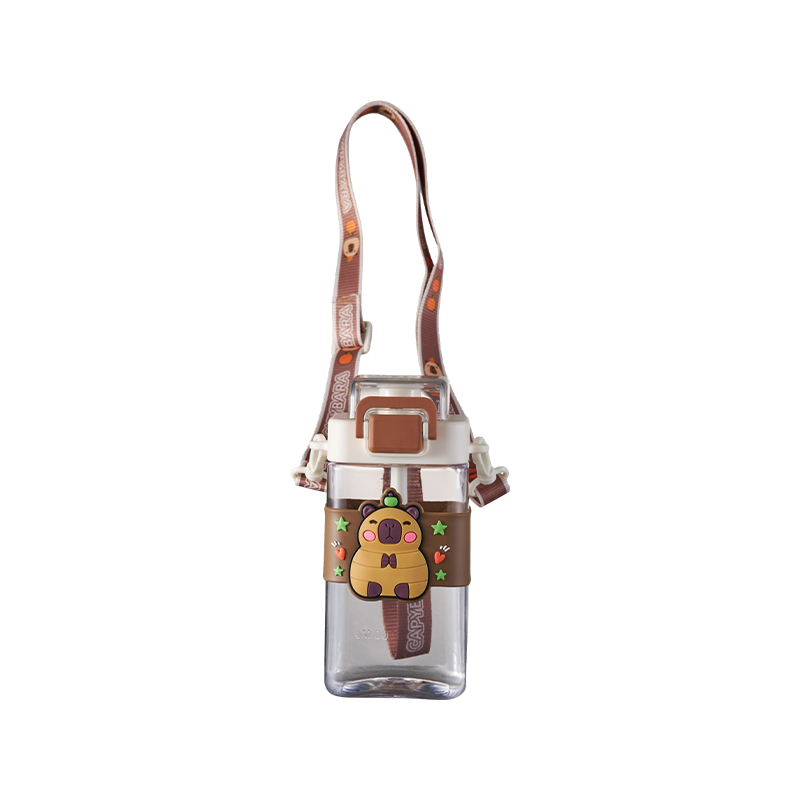
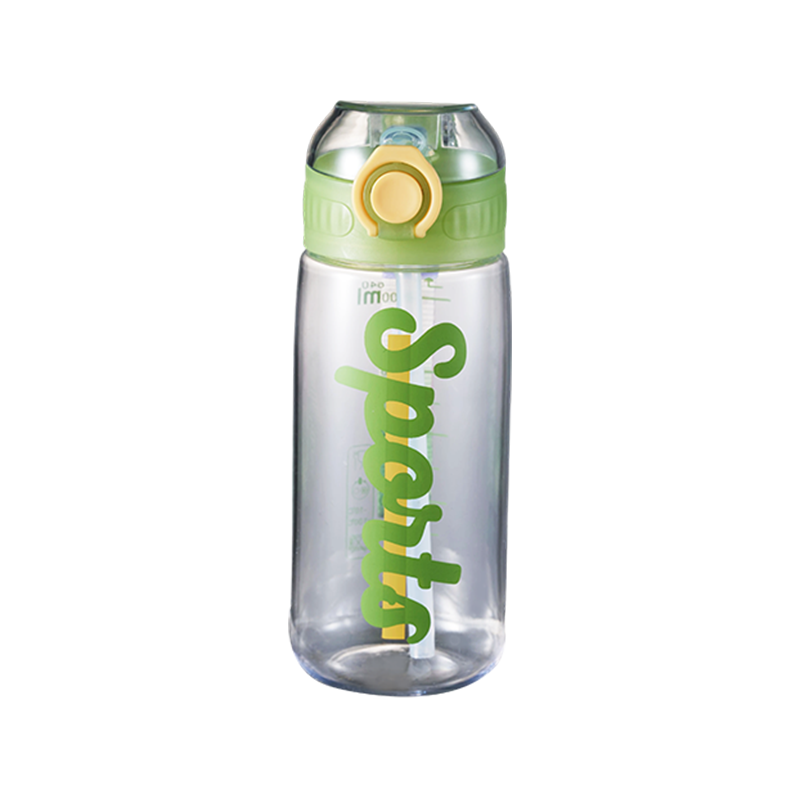
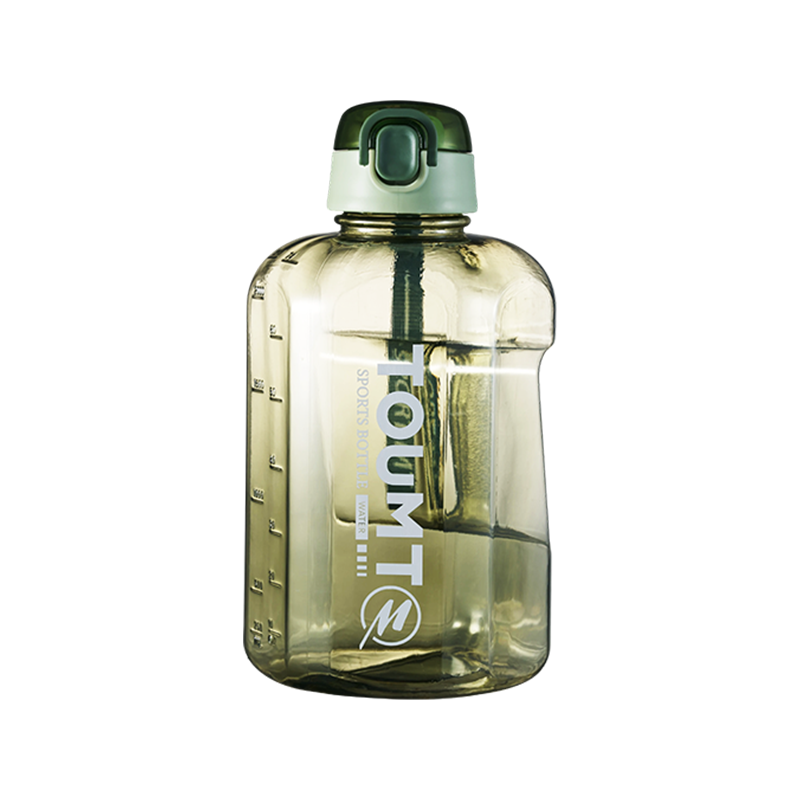
We specialize in the production and sales of plastic water cups, and also provide customization services
and comprehensive after-sales support.
QUICK LINKS
CONTACT US
- Address:No. 1 Shuangyou Road, Nancheng Street, Huangyan District, Taishan City, Zhejiang Province
- Tel: +86-19957687783
- Email: [email protected]
- Whatsapp: +86-19957687783
MOBILE
Copyright © Taizhou Huangyan Zuohao Plastic Factory.
All Rights Reserved.
