


 English
 عربى
عربىNews

How to Clean a Clear Plastic Water Bottle with Straw
A clear plastic water bottle with straw tends to develop odor, residue, and discoloration faster than many drinking containers, mainly because the narrow tube inside the straw traps moisture and leftover liquid long after the bottle itself has been rinsed. Anyone who has lifted a straw to their mouth and caught an unexpected smell, or noticed a faint film building up near the mouthpiece, has already run into the problem this kind of bottle is prone to. The same narrow shape that makes it convenient to drink from also makes the inside difficult to reach by hand, which is part of why a clear cleaning routine makes such a noticeable difference over time. Working through that routine does not require special equipment, though a few steps matter more than others. The sections below cover why residue forms to begin with, how to clean the tube thoroughly, and how to keep buildup from coming back once the bottle is back in regular use.
Cleaning the Inside of a Straw Generally Follows a Few Core Steps
Before getting into detail, it helps to see the full process laid out in order. Each step addresses a different part of the buildup that forms inside a narrow tube, and skipping any one of them tends to leave the problem only partially solved.
- Removing the straw from the bottle whenever the design allows it
- Soaking the straw in warm water mixed with a small amount of dish soap
- Working a thin brush, pipe cleaner, or similar tool through the tube
- Rinsing until no soap residue or cloudiness remains in the water
- Letting every part dry completely before the bottle goes back into use
Following these steps in sequence keeps moisture from settling back into the tube before it has had a chance to air out, which is often where a cleaning routine breaks down.
Why Does Residue Build Up Inside a Straw So Quickly?
The inside of a straw stays damp far longer than the outside of a bottle, since air does not circulate through a narrow tube the way it does across an open surface. That trapped moisture creates conditions where bacteria and mold can take hold, particularly when sugary or milk based drinks are involved.
Beverage residue clings to the inner wall of the tube as well, and over repeated use this buildup thickens into a film that plain rinsing cannot remove. A plastic drink bottle with straw used daily for anything beyond plain water accumulates this film noticeably faster than one reserved for water alone.
The material of the straw itself plays a role too. Softer, flexible plastics tend to develop tiny surface scratches from regular brushing and bending, and those scratches give bacteria more places to settle than a smooth, rigid surface would. A harder plastic straw generally resists this kind of wear longer, though it still needs the same regular attention once any roughness becomes noticeable to the touch.
What Are the Signs That a Straw Needs Cleaning?
A straw rarely fails without warning. A few signals tend to show up before a deeper cleaning becomes necessary.
- A sour or musty smell noticeable when drinking
- Visible discoloration or dark specks inside the tube
- A slimy texture felt when pinching the straw between fingers
- Noticeably reduced flow when drinking through it
Catching any of these early makes the cleaning process faster, since residue that has not had time to harden comes loose with far less scrubbing.
How Should the Straw Be Cleaned Step by Step?
Remove the Straw From the Bottle
Many bottle designs allow the straw to be pulled out separately from the lid, which makes every later step considerably easier. Checking the lid assembly for a release point or twist mechanism before forcing anything prevents unnecessary damage to the plastic.
Soak in Warm Water With a Small Amount of Soap
A short soak in warm soapy water loosens residue that has dried along the inner wall. Filling a tall glass or narrow container with the solution and standing the straw upright inside it lets water reach the entire length of the tube.
Work a Brush or Similar Tool Through the Tube
Pushing a thin straw brush through the tube physically dislodges residue that soaking alone cannot remove. Running the brush through several times, rotating slightly with each pass, reaches more of the interior surface than a single pass would.
Rinse Until the Water Runs Clear
Running clean water through the straw afterward removes loosened residue along with any remaining soap. Holding the straw under a steady stream and checking that no cloudiness appears in the runoff confirms the inside has been cleared.
Let Every Part Dry Completely
Standing the straw upright in a drying rack, rather than laying it flat, allows air to move through the tube and finish the drying process. Skipping this step is one of the more common reasons odor returns within a short period of reassembling the bottle.
How Can a Straw Be Cleaned Without a Brush?
Not every household keeps a dedicated straw brush on hand, and a few alternatives work reasonably well in its place.
- A pipe cleaner bent to match the length of the straw can reach into the tube and loosen residue along the way
- A length of dental floss or cotton string pulled through the tube, sometimes with a small knot tied partway along it, can drag debris out as it passes through
- Many straws made from dishwasher safe plastic can go through a wash cycle on the upper rack, though checking the bottle packaging for that confirmation beforehand avoids warping a straw not rated for heat
These methods rarely match a dedicated brush for thoroughness, though used consistently they keep buildup from reaching a stage that requires more aggressive cleaning.
A length of paper towel twisted into a thin point and threaded partway into the tube can also pull out loose debris near the opening, though this works only for the section closest to the end rather than the full length of a longer straw. Combining two of these methods, such as a pipe cleaner followed by a soapy rinse, tends to cover more ground than relying on a single substitute tool alone.
How Is Mold Removed From the Inside of a Straw?
Mold tends to show up as dark specks or a fuzzy texture near the bend of a flexible straw, where moisture lingers longest. A few household solutions help loosen and remove it.
- A white vinegar soak left to sit for a stretch of time before rinsing
- A baking soda paste worked into the tube with a brush, then rinsed thoroughly
- A diluted hydrogen peroxide rinse, followed by a thorough water flush to clear any remaining solution
Checking the straw afterward under good light confirms the mold has actually been removed rather than simply lightened, since residual spores left behind can regrow within a short stretch of time.
Why Does a Plastic Straw Develop an Odor Even After Rinsing?
A straw can look clean while still holding onto trapped residue deep inside the bend, particularly in flexible designs. That residue continues to break down even after a quick rinse, which is why odor sometimes returns within a day or two of normal use.
A short soak in a diluted lemon juice solution, or a baking soda and vinegar combination left to sit before rinsing, breaks down this lingering residue more effectively than water alone. Repeating this every so often, rather than only after a smell has already developed, keeps odor from building up to begin with.
How Often Should a Bottle Straw Be Cleaned?
Cleaning frequency depends heavily on what has been poured through the straw, since some drinks leave behind far more residue than others.
| Beverage Type | Suggested Cleaning Frequency |
|---|---|
| Plain water | After a few days of regular use |
| Sports or flavored drinks | After each use |
| Juice | Right after use |
| Milk-based drinks | Immediately after use |
Treating water as the baseline and adjusting upward for anything sweeter or dairy based keeps a straw from reaching the point where deep cleaning becomes the only option.
Can These Straws Go Into a Dishwasher?
Whether a straw can handle a dishwasher cycle depends entirely on the plastic it is made from, since some materials soften or warp under sustained heat. Checking the packaging or the underside of the bottle for a dishwasher safe label settles the question before running a load.
Even straws marked dishwasher safe generally fare better on the upper rack, away from direct heat exposure near the bottom element. A narrow basket or straw specific attachment, where available, also keeps thin tubes from slipping through wider rack openings during the cycle.
What Mistakes Undo an Otherwise Good Cleaning Routine?
A few habits quietly cancel out the benefit of regular cleaning, even when the process itself is done correctly.
- Skipping the drying step and reassembling the bottle while the straw is still damp
- Reaching for harsh chemicals that leave a residue of their own inside the tube
- Cleaning the visible parts of a straw while ignoring a bend or joint where mold tends to collect
- Continuing to use a straw long after cracks or discoloration have appeared
Correcting any one of these habits tends to extend the interval between deep cleanings noticeably, since the underlying problem is addressed rather than masked.
What Habits Keep a Straw Clean for Longer?
A handful of small adjustments to daily use reduce how often a deep clean becomes necessary to begin with.
- Emptying the bottle rather than letting liquid sit inside overnight
- Drying the straw and lid upright after every wash rather than setting them flat
- Rinsing immediately after sweeter or dairy based drinks instead of waiting until later
- Keeping a backup straw on hand so one can dry fully while the other stays in use
These habits apply just as well to a tall plastic water cup with straw kept on a desk as they do to a bottle carried throughout the day, since the underlying cause of buildup, trapped moisture, remains the same regardless of shape.
Does the Lid and Mouthpiece Need the Same Attention?
The straw is rarely the only part that traps moisture. The lid assembly, especially around the seal where the straw passes through, often holds onto the same kind of residue that forms inside the tube itself.
Taking the lid apart fully, when the design allows it, gives access to small gaps and grooves that a quick rinse under the tap tends to miss. Soaking the lid alongside the straw, then drying both pieces separately before reassembling them, keeps moisture from being trapped between parts that were cleaned individually but reassembled while still damp.
A mouthpiece that has started to feel sticky or look cloudy is usually a sign that this part of the routine has been skipped for a stretch of time, even when the straw itself looks clean.
Keeping a Straw Clean Supports Long Term Daily Use
Maintaining a clear plastic water bottle with straw comes down to a routine rather than a single fix, since residue, moisture, and odor return whenever a step in the process gets skipped. Removing the straw, soaking it, working a brush or substitute tool through the tube, rinsing thoroughly, and letting it dry fully each cover a different part of what causes buildup, and together they keep the bottle pleasant to use day after day. The same approach holds whether the container in question is a straw plastic bottle carried to the gym, a plastic water glass with straw left on a nightstand, or a water bottle plastic with straw design used at a desk through the week. Paying attention to the early signs covered earlier, the faint smell, the visible discoloration, the slower flow, makes it possible to address buildup well before it turns into something that needs vinegar soaks or scrubbing to fix. Building this small routine into a regular schedule, rather than waiting for a problem to appear, keeps drinking water from a straw something that stays simple rather than something that needs troubleshooting.
Related Products
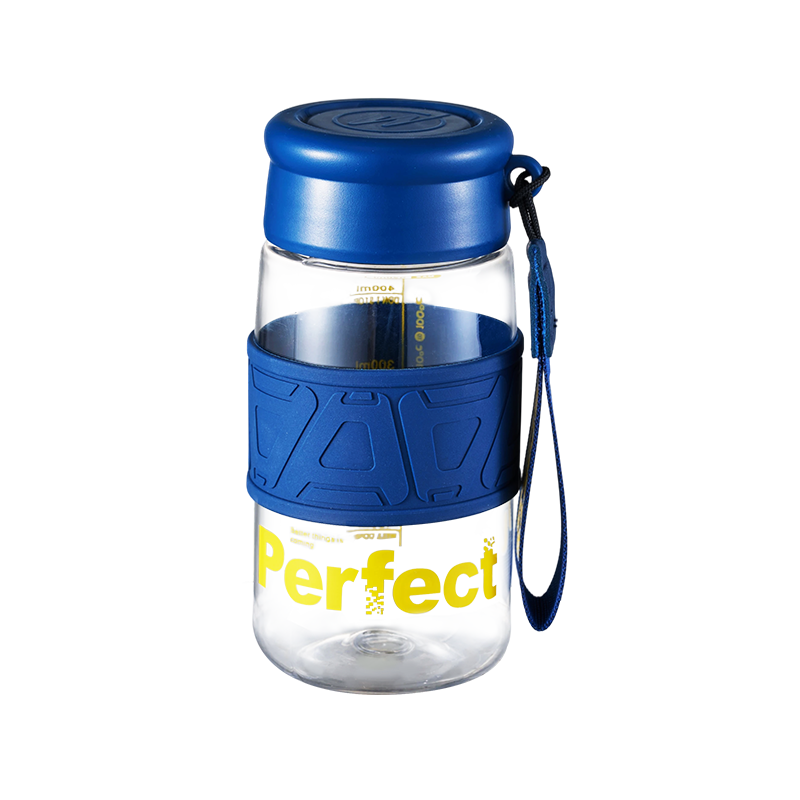
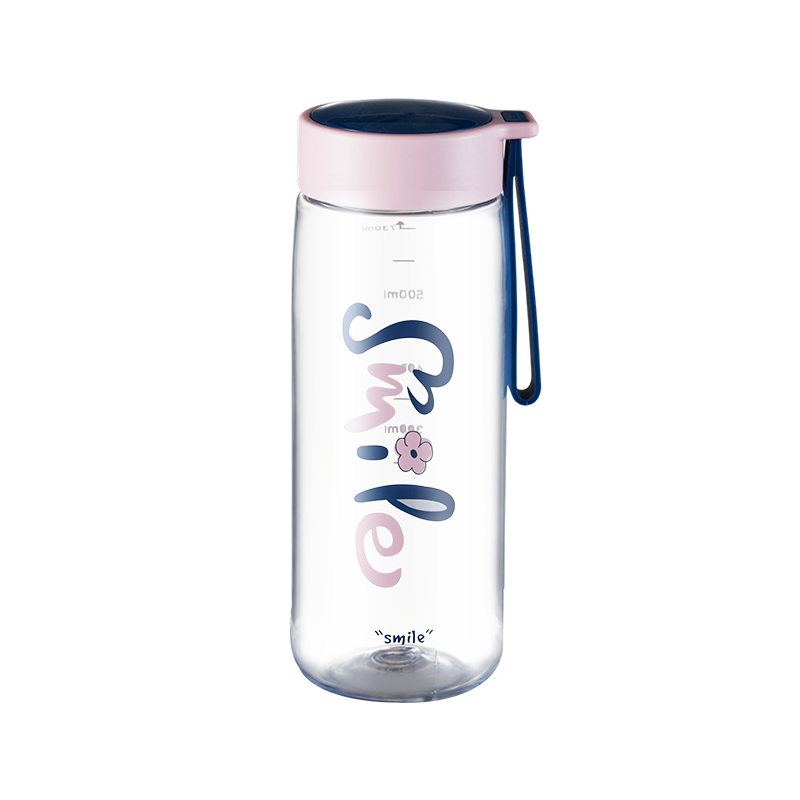
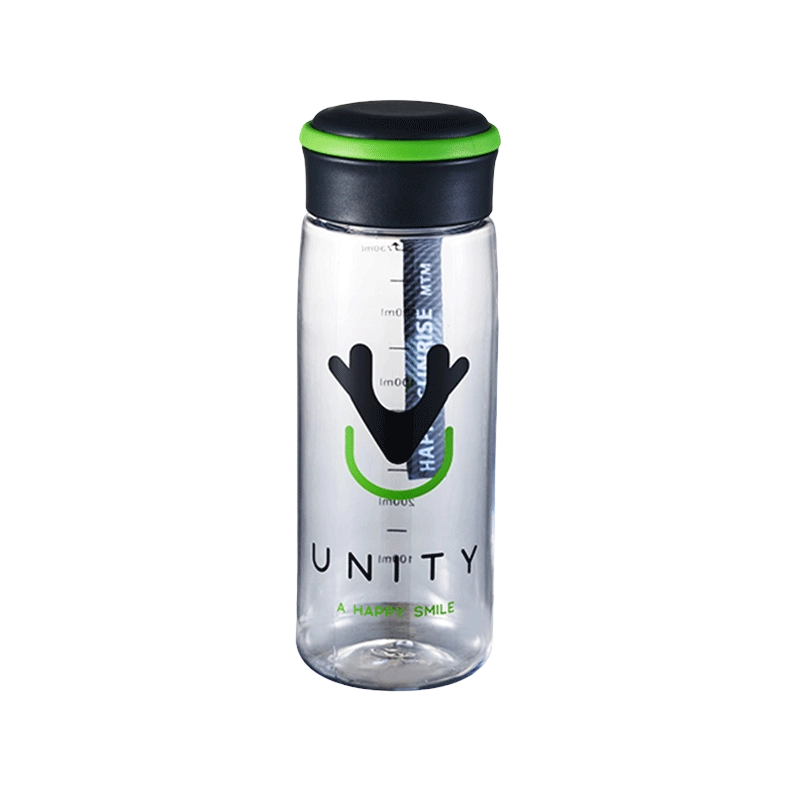
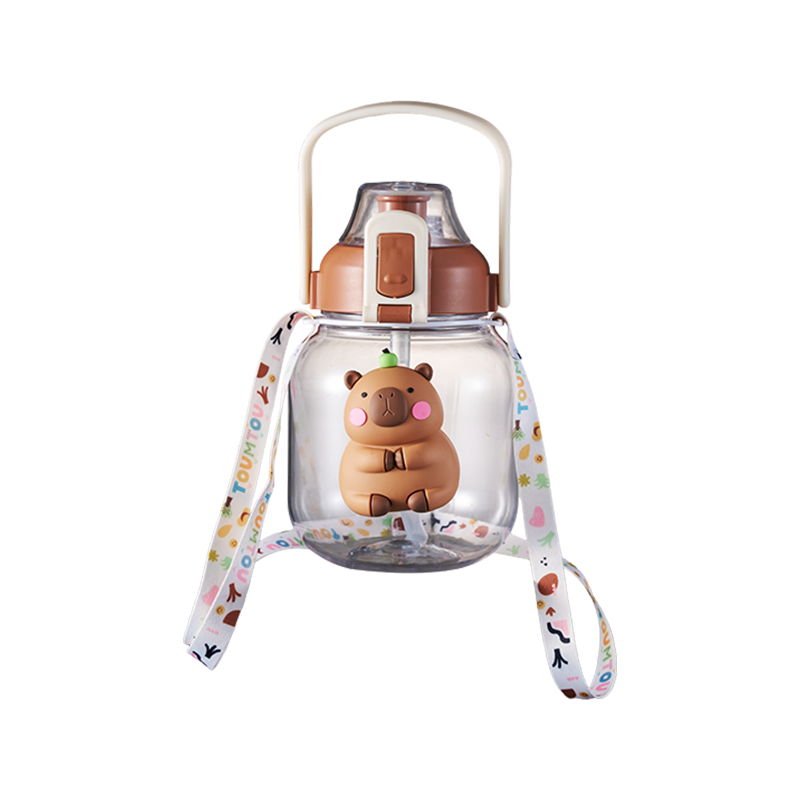
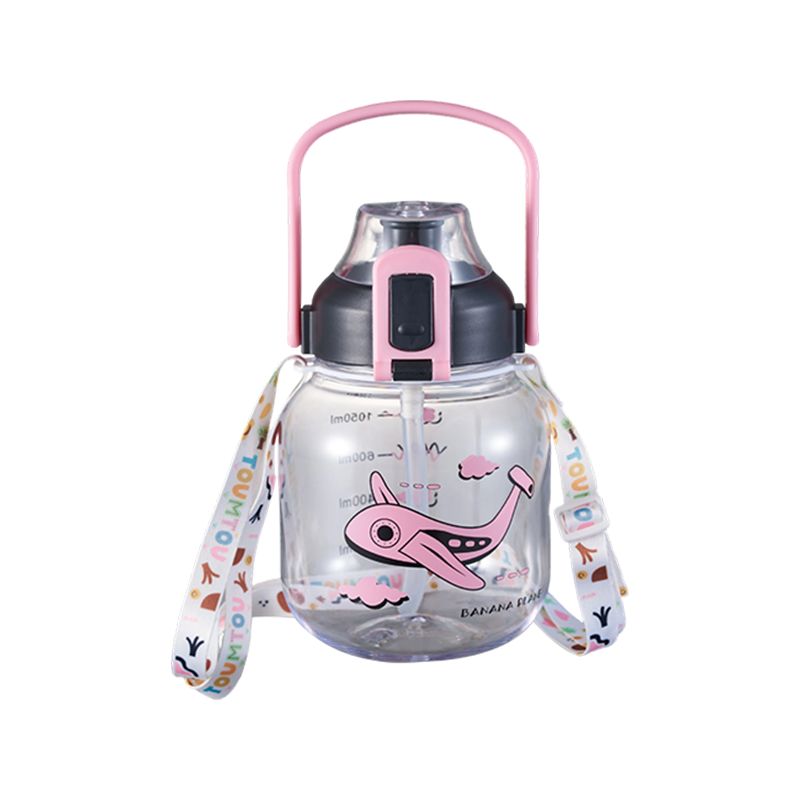
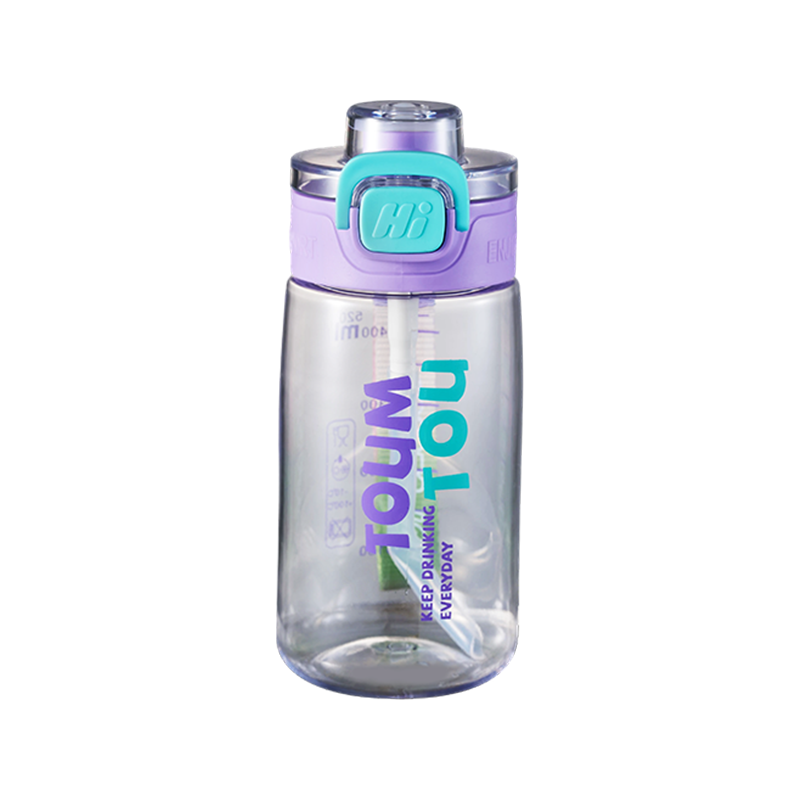
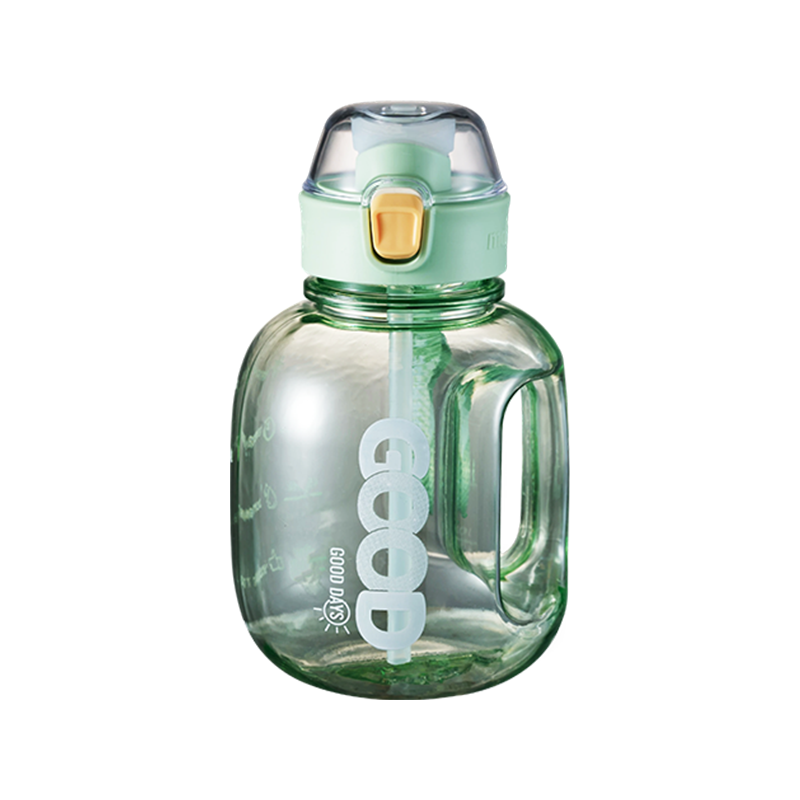
We specialize in the production and sales of plastic water cups, and also provide customization services
and comprehensive after-sales support.
QUICK LINKS
CONTACT US
- Address:No. 1 Shuangyou Road, Nancheng Street, Huangyan District, Taishan City, Zhejiang Province
- Tel: +86-19957687783
- Email: [email protected]
- Whatsapp: +86-19957687783
MOBILE
Copyright © Taizhou Huangyan Zuohao Plastic Factory.
All Rights Reserved.
