


 English
 عربى
عربىNews

Water Bottle Choices: Glass Steel or Tritan Types
Choosing a water bottle sounds simple until you are standing in front of a wall of options and realize you have no clear framework for deciding between them. Glass looks clean but feels fragile. Stainless steel seems durable but adds weight. Tritan plastic is light and cheap, but the BPA questions linger. For anyone who exercises regularly, commutes, or just wants a bottle they can trust for daily use, the material question is not trivial — it directly affects how the bottle holds up, how safe the water tastes, and whether the design actually works for how you drink. A Straw Plastic Water Bottle built from Tritan, for example, behaves very differently from a glass equivalent, and understanding why helps make the right call before purchase.
What Each Material Actually Is
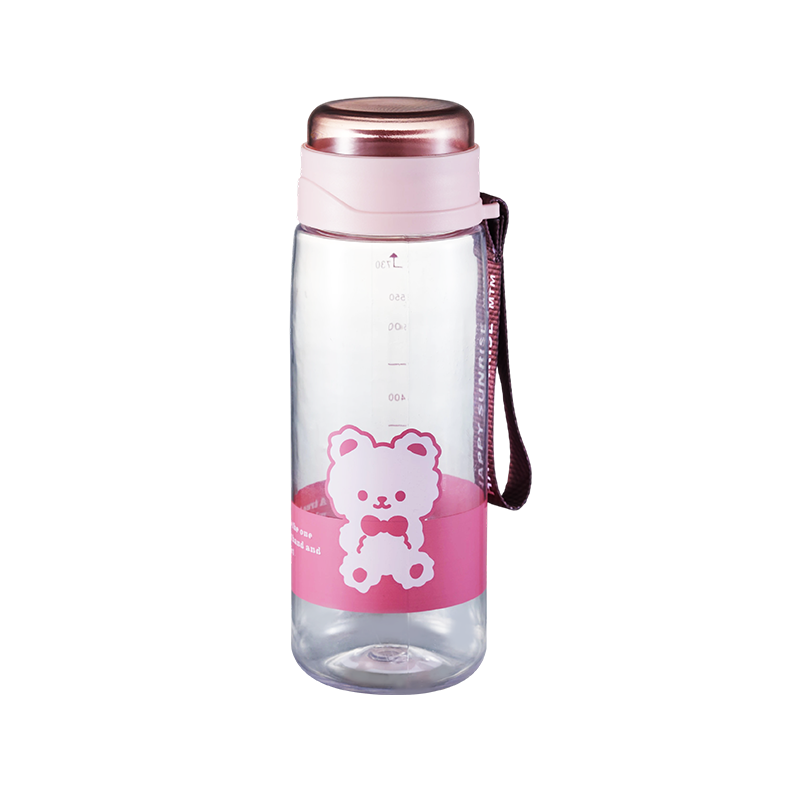
Glass, Steel, and Tritan Have Different Origins and Different Strengths
Before comparing them, it helps to understand what each material is and why it behaves the way it does.
Glass is a silica-based material that is chemically inert — it does not react with liquids. This makes it a clean, neutral-tasting container that does not retain flavors or odors from previous contents. It is also transparent, which makes it easy to see fill levels and cleanliness.
Stainless steel used in water bottles is food-grade alloy — a metal composition that resists corrosion, does not leach chemicals into liquids, and maintains structural integrity across a wide range of temperatures. The double-wall vacuum construction common in steel bottles creates the insulation layer responsible for temperature retention.
Tritan is a copolyester plastic developed to be free of bisphenol A (BPA) and structurally similar compounds. It is clear, rigid, and impact-resistant. Unlike many standard plastics, it does not contain the estrogen-like chemical groups that raised safety concerns about earlier plastic bottle materials.
These three materials sit at very different points on the spectrum between weight, durability, safety, and function — which is exactly why the comparison is worth working through carefully.
How Does Each Material Perform on Safety and Health Concerns?
The Safety Question Is the One That Matters Before Everything Else
Water bottle safety concerns cluster around two issues: chemical leaching and bacterial retention.
Glass scores well on both. It does not leach chemicals under normal use conditions, does not retain odors, and is straightforward to clean thoroughly. The limitations are physical, not chemical.
Stainless steel is similarly non-reactive under normal use. The concern sometimes raised about steel is that the interior coating in some lower-grade bottles can chip or degrade, but properly made food-grade steel bottles without internal coatings are stable and safe. Insulated steel bottles retain temperature well but need regular cleaning of the lid and gasket areas where moisture can accumulate.
Tritan is marketed as BPA-free, which it genuinely is — the monomer building blocks of Tritan do not include bisphenol A. Independent testing has generally supported its safety for food contact under normal use conditions. It is not as chemically inert as glass or steel, but it performs well within the parameters of typical daily use.
A few practical points on safety:
- Avoid leaving any plastic bottle in a hot car for extended periods — elevated temperature increases the chance of any plastic, including Tritan, releasing trace compounds
- Stainless steel and glass are the safer choices for hot beverages held over long periods
- All three materials need regular cleaning — bacterial growth on the lid, straw, and seal is a hygiene issue regardless of the bottle body material
Weight and Portability: Where the Differences Become Practical
Lighter Is Not Always Better, But It Changes What You Will Actually Use
Weight is one of the most practical variables in bottle selection because it directly affects whether you carry the bottle or leave it behind.
Glass is the heaviest option for equivalent volume. A full glass bottle is noticeably heavier than a comparable plastic or steel option, and that weight difference is felt over the course of a gym session, a hike, or a long commute. The fragility concern amplifies this — carrying glass requires more care, which adds a cognitive load to using it.
Stainless steel falls in the middle. Double-wall insulated bottles are heavier than single-wall plastic, but their durability and temperature performance often justify the extra weight for users who prioritize those qualities.
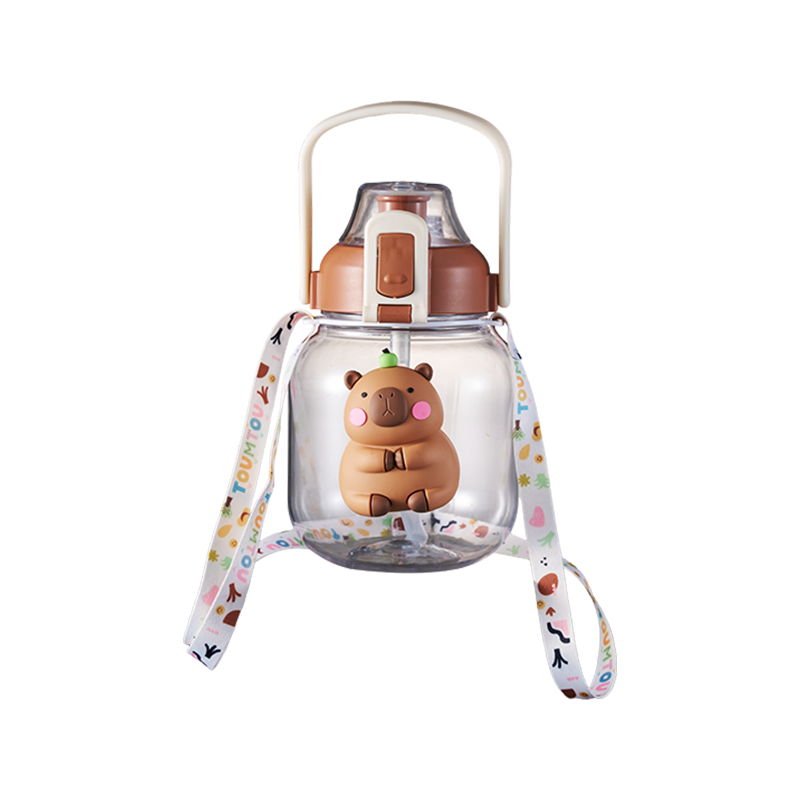
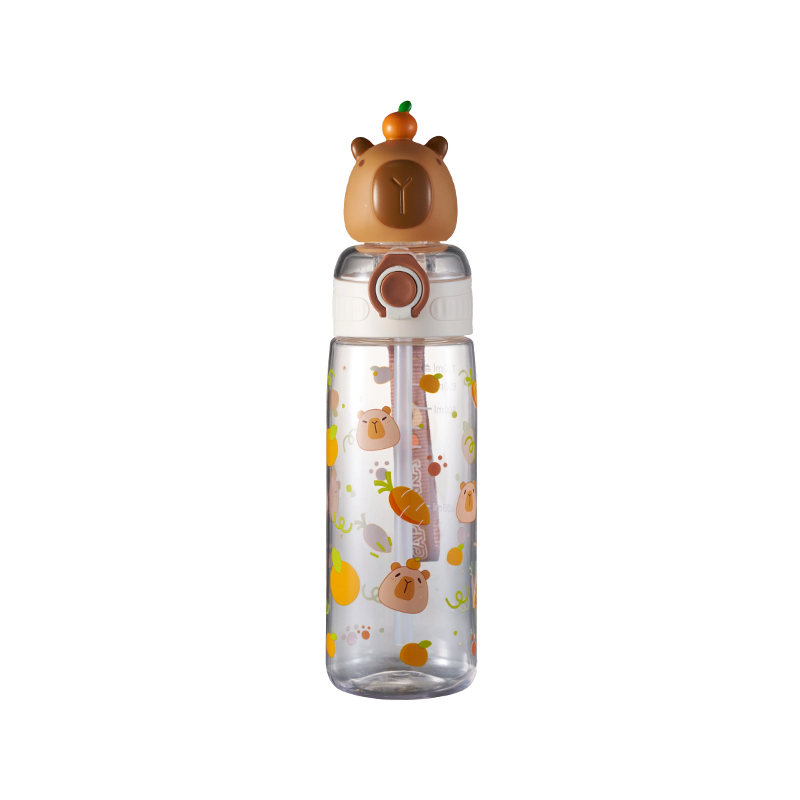
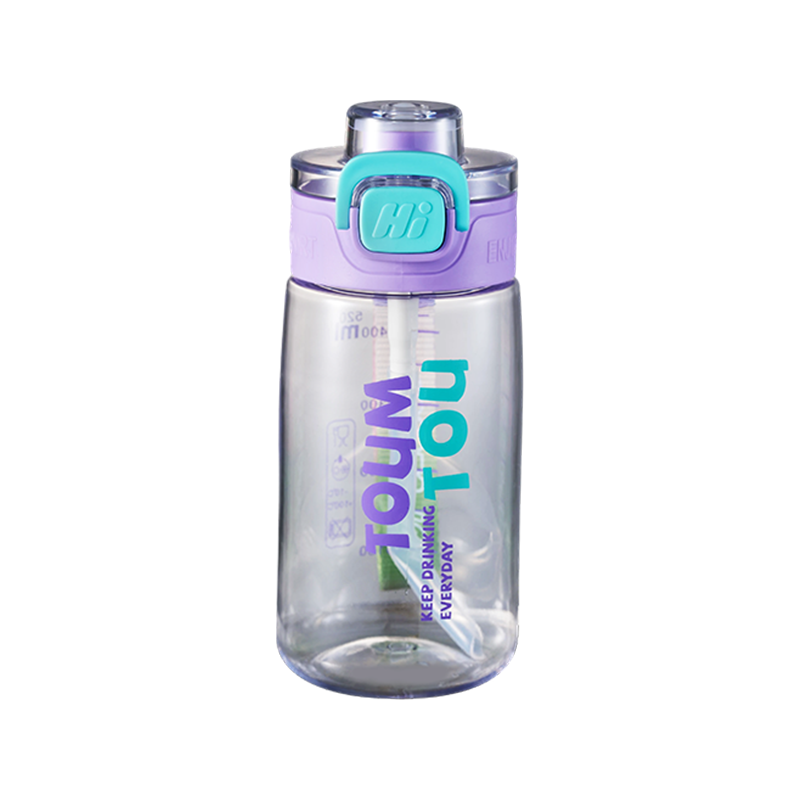
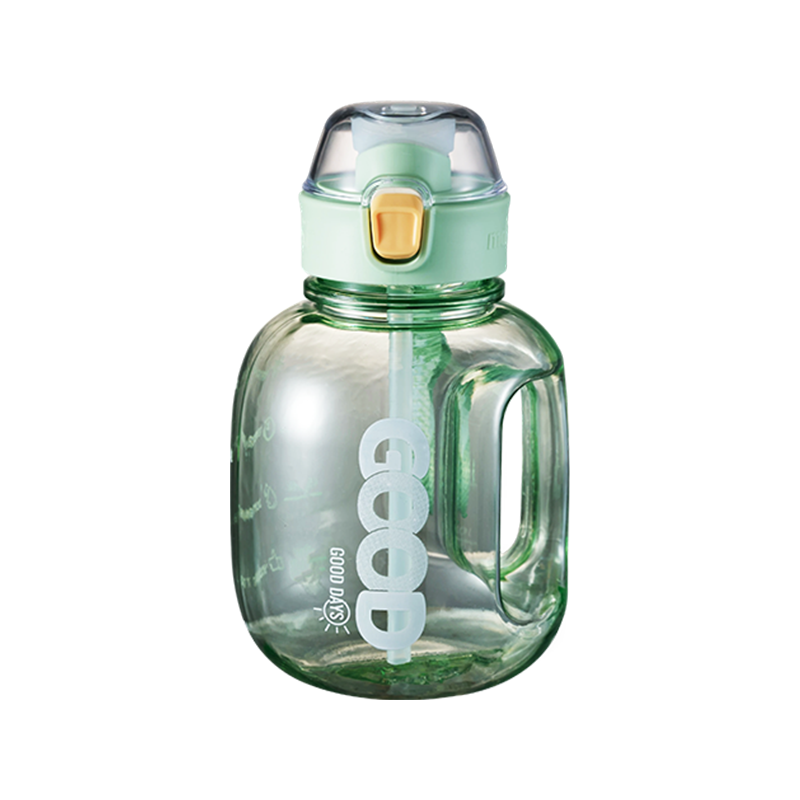
Tritan plastic is lighter than both for equivalent volume. For activities where you are carrying the bottle for extended periods — running, cycling, hiking, or just moving through a busy day — the weight difference is meaningful. A lightweight Straw Plastic Water Bottle in Tritan sits comfortably in a bag, a gym bag side pocket, or a car holder without adding bulk.
The portability picture also includes:
- Drop resistance: glass breaks; steel dents but holds; Tritan survives drops with minimal damage
- Squeeze-ability: Tritan and softer plastics can be squeezed for faster flow; glass and steel cannot
- Straw integration: Tritan works naturally with straw lid systems that require slight flex in the body or lid design
Insulation and Temperature Performance
Does the Material Affect How Long Your Drink Stays Cold or Hot?
Yes, significantly — and this is where stainless steel has a clear functional advantage that neither glass nor Tritan can match.
Double-wall stainless steel with vacuum insulation keeps cold drinks cold and hot drinks hot for extended periods. The vacuum layer between the walls interrupts heat transfer, maintaining temperature without condensation on the exterior. For anyone who wants genuinely cold water after several hours, or hot coffee during a long commute, insulated steel is in a different category.
Glass provides no meaningful insulation. Temperature equilibrates with the surrounding environment at the natural rate of the liquid. Some glass bottles have silicone sleeves that provide minimal protection and improved grip, but no thermal benefit.
Tritan plastic similarly provides no insulation. Drinks in a Tritan bottle reach ambient temperature over time. For sports use where the contents are consumed within an hour or two of filling, this is generally not a problem — the drink is cold when poured and consumed before significant temperature change occurs. For all-day temperature retention, it is not the right material choice.
Durability: How Each Material Holds Up Over Time
The Material That Lasts Longest Depends on How It Is Used
All three materials have different durability profiles, and the right answer depends on the use environment.
Glass is durable against chemical degradation — it does not scratch, pit, or degrade from acids in beverages. Its physical vulnerability is impact. A glass bottle dropped on a hard surface will break. The borosilicate glass used in quality water bottles is more resistant to thermal shock than standard glass, but it is not shatterproof.
Stainless steel handles physical abuse well. Drops produce dents rather than cracks. The material does not scratch easily, does not absorb flavors, and holds its shape under pressure. The lid and gasket components are the areas that wear — these are replaceable on quality bottles, which extends the effective product life significantly.
Tritan is impact-resistant and does not shatter. It can scratch over time, and the clarity that makes it visually appealing when new becomes less pronounced after extended use in a bag with other items. The structure holds up well under typical daily use, and it handles the stress of straw lid mechanisms without cracking at the connection points.
For high-impact use environments — active sports, outdoor work, travel — the durability ranking runs steel for longevity, Tritan for impact resistance and lightweight practicality, and glass for environments where careful handling is reasonable.
Straw Compatibility: Which Material Works With Straw Lid Systems?
Not Every Bottle Material Is Equally Compatible With Straw Designs
Straw lid systems — where the drinker pulls liquid up through a built-in straw rather than tilting the bottle — have become a dominant design in sports and fitness hydration. The material of the bottle affects how well it supports this design.
Tritan plastic is the natural fit for straw bottle designs. The material can be molded into a wide variety of lid and body configurations, the slight flex in some designs supports the straw mechanism, and the light weight of the bottle makes one-handed drinking during activity practical. A Plastic Straw Bottle in Tritan can be squeezed slightly if needed to increase flow rate, which glass and steel cannot do.
Glass is less common in straw bottle designs because the fragility concern is amplified by a lid system that requires pressing or manipulating the top of the bottle. The connection points between the straw mechanism and a glass body also introduce seal complexity that adds failure points.
Stainless steel is used in straw bottle designs, particularly in insulated versions. The lid carries the straw mechanism, and the steel body provides the structural stability. The limitation is weight and the inability to squeeze — drinking through a straw from a rigid, heavy bottle requires more suction effort than from a lighter, slightly flexible Tritan version.
For anyone specifically looking for a straw-equipped bottle for gym or sports use, Tritan is the material that aligns with the design requirements of that product category.
Side-by-Side Comparison Across Key Dimensions
How the three materials compare across the factors that matter for everyday and sports use:
| Factor | Glass | Stainless Steel | Tritan Plastic |
|---|---|---|---|
| Chemical safety | High (inert) | High (food-grade) | Good (BPA-free) |
| Weight | Heavy | Moderate | Light |
| Impact resistance | Low (breaks) | High (dents) | High (survives drops) |
| Temperature retention | None | High (insulated models) | None |
| Taste neutrality | High | High | Good |
| Straw compatibility | Limited | Moderate | High |
| Clarity / visibility | Full | None | Full |
| Eco-friendliness | High (recyclable) | High (long lifespan) | Moderate (recyclable) |
| Cost | Moderate to high | Moderate to high | Low to moderate |
No single material wins across every dimension. The pattern that emerges is that the choice between them is determined by which factors matter for the user's actual use case.
Choosing Based on How You Actually Use a Water Bottle
Different Lifestyles Pull Toward Different Materials
The framework for choosing between these materials is simpler than it might seem once you map it to real behavior:
If you primarily use your bottle at home or at a desk:
- Glass is a practical choice — the fragility concern is lower in a controlled environment, and the neutral taste and visual clarity are appealing
- Stainless steel works well here too, especially if temperature retention matters for your beverage of choice
If you carry your bottle to a gym or fitness activity:
- Tritan is the practical fit — light, durable against drops, straw-compatible, and available in sports-oriented designs
- The lack of insulation is rarely a problem for gym sessions where the bottle is filled and consumed within an hour or two
If you need a bottle for an all-day commute or outdoor activity:
- Stainless steel with insulation holds temperature across the hours where Tritan and glass cannot
- The weight is the trade-off — acceptable for many users, a problem for those counting grams on a long hike
If you are sourcing bottles for retail, branded merchandise, or wholesale supply:
- Tritan is the category that serves the widest range of sports and fitness use cases
- A Straw Plastic Water Bottle Factory that works in Tritan can produce the lightweight, impact-resistant, straw-compatible designs that this market segment consistently favors
Finding the Right Water Bottle for Your Needs
Material choice in a water bottle is a decision that should follow function, not trend. Glass suits environments where careful handling is practical and chemical purity is the priority. Stainless steel earns its place when temperature retention over many hours matters enough to carry the extra weight. Tritan plastic — particularly in straw-equipped sports bottle designs — fits the widest range of active daily use cases, offering safety, light weight, impact resistance, and design flexibility that the other materials cannot match simultaneously. For retailers, distributors, and private label buyers building a sports hydration product range, Taizhou Huangyan Zuohao Plastic Factory produces Tritan and food-grade plastic water bottles including straw-equipped designs across a range of sizes, colors, and configurations suited to gym, sports, and daily carry applications. Reaching out to discuss product specifications, volume requirements, or custom design options is the practical next step toward sourcing bottles that match what your customers are actually looking for.
Related Products
We specialize in the production and sales of plastic water cups, and also provide customization services
and comprehensive after-sales support.
QUICK LINKS
CONTACT US
- Address:No. 1 Shuangyou Road, Nancheng Street, Huangyan District, Taishan City, Zhejiang Province
- Tel: +86-19957687783
- Email: [email protected]
- Whatsapp: +86-19957687783
MOBILE
Copyright © Taizhou Huangyan Zuohao Plastic Factory.
All Rights Reserved.
