


 English
 عربى
عربىNews

How Do Sports Trends Shape Plastic Water Bottle Factory
Sports and fitness habits are changing how people think about everyday hydration products, from the gym bag to the morning commute. A bottle used during exercise now needs to fit naturally into movement, training routines, outdoor activities, and daily travel without getting in the way.
This shift is influencing how a Plastic Water Bottle Factory approaches product design, development, and custom production from the ground up. The focus is no longer only on holding water and calling it done.
Shape, drinking methods, portability, grip, appearance, and ease of cleaning can all affect how a bottle fits into an active lifestyle. Sports users may also have genuinely different expectations depending on whether they're running, cycling, training indoors, hiking, or simply carrying water throughout a busy day. These changing preferences are encouraging manufacturers to explore more flexible approaches to sports water bottle production across the board.
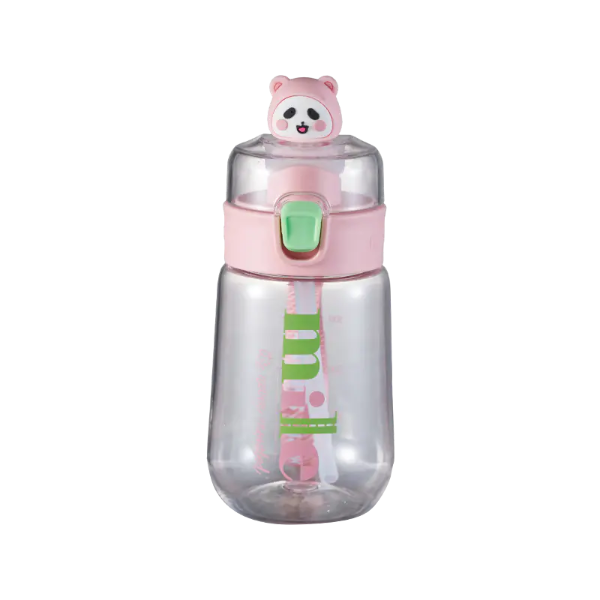
Why Are Sports Trends Changing Plastic Water Bottle Design?
Sports activities often involve continuous movement, so hydration products need to work without becoming an unnecessary distraction mid-workout. A bottle that's easy to carry may feel a lot more practical during a walk, while another design may suit a person who wants quick access to water during training.
This has encouraged manufacturers to think about how bottles get handled, rather than focusing only on their appearance on a shelf. The relationship between the bottle and the user's routine has become a genuinely important part of product development.
| Sports Activity | Common Bottle Design Consideration |
|---|---|
| Running | Easy carrying and quick drinking |
| Cycling | Convenient access during movement |
| Gym training | Comfortable grip and repeated use |
| Hiking | Portability and secure closure |
| Outdoor recreation | Flexible handling and storage |
Sports trends are also influencing the visual side of bottle design quite a bit. Consumers may look for products that fit their personal style, clothing, equipment, or preferred activity out on the trail or at the gym. A PP Plastic Water Bottle can therefore get developed with both practical use and visual appeal in mind at the same time. The result is a wider range of designs intended for different situations, rather than one general bottle concept stretched to cover everything.
How Is the Shape of a Sports Water Bottle Changing?
Bottle shape has a direct effect on how users hold, carry, and store the product day to day. Traditional cylindrical designs remain familiar, but sports-oriented products may explore shaped surfaces, narrower sections, textured areas, or forms that are easier to grip mid-run.
A comfortable shape can make a genuine difference when the user's hands are wet or when the bottle is being carried while moving fast. The shape also needs to work with bags, cup holders, lockers, shelves, and other everyday storage spaces people actually have.
Manufacturers therefore need to consider the complete journey of the product, from production all the way to daily use. A bottle with an attractive shape may still be inconvenient if it's difficult to hold or store properly.
This is why product development often involves balancing visual design with practical handling side by side. For a Plastic Water Bottle Factory, understanding these small user interactions can help guide new product concepts before tooling gets cut. The design process can also take different user groups into account along the way. A bottle intended for young fitness users may have genuinely different visual and handling preferences from one designed for outdoor recreation.
Why Is Straw Structure Becoming More Relevant to Sports Bottle Design?
The way users drink from a bottle is another area getting shaped by sports habits lately. A straw structure allows users to drink without lifting and tilting the entire bottle back.
This can prove useful during activities where movement continues while the user takes a quick drink on the go. Sports bottles may therefore use different straw arrangements depending on the intended application at hand.
Some designs place the drinking opening close to the user's mouth when the bottle is held in a natural position already. Other designs may combine a straw with a protective lid or an opening mechanism designed for convenient access mid-activity.
| Drinking Structure | Possible User Benefit |
|---|---|
| Direct opening | Simple drinking experience |
| Straw structure | Convenient sipping during movement |
| Covered straw | Helps protect the drinking opening |
| Flip opening | Quick access during active use |
Straw structures also create additional design considerations worth working through. The connection between the straw, lid, and bottle needs to feel natural during regular handling, not fiddly or awkward.
Cleaning is another consideration, since users may not want a complicated drinking system for everyday use on top of everything else. Manufacturers are therefore paying attention to both convenience and practical maintenance when developing straw-based sports bottles.
How Is Custom Production Responding to Different Sports Users?
Sports consumers don't all use bottles in the same way, even within a single household sometimes. A running group may prefer lightweight and easy-to-carry designs, while a gym user may focus more on grip and drinking convenience during a set.
Outdoor users may have different preferences again, since their bottles need to fit into changing environments out on a trail. Custom production allows manufacturers to respond to these differences, rather than treating every customer as having identical requirements across the board.
A Plastic Water Bottle Factory can work with buyers on elements such as bottle shape, surface appearance, lid structure, straw arrangement, and packaging presentation. Customization can also help businesses develop products for particular retail categories they're targeting.
For example, a sports equipment seller may want a bottle that visually matches its product range on the shelf. A fitness-oriented business may prefer a design that emphasizes portability and easy handling instead. A promotional buyer may place more attention on surface appearance and customization options for branding. This makes product development a lot more closely connected with the intended market from the start. The goal isn't simply creating more variations for their own sake. Useful customization should reflect a genuine difference in how the product will actually get used.
What Role Does Material Choice Play in Modern Sports Bottle Development?
Material selection affects the way a bottle feels, looks, and behaves during everyday use over months of handling. PP plastic gets commonly considered for reusable drinkware, since it can support lightweight product designs and different forms without much difficulty.
A PP Plastic Water Bottle can also get developed in shapes that suit active handling and portable use out in the field. Material choice needs consideration alongside the bottle structure, rather than treated as some isolated decision made separately.
The bottle wall, lid, straw, grip area, and other parts may each carry different functional requirements worth thinking through. Manufacturers also need to consider the intended cleaning routine and general product care over its lifespan.
A sports bottle is often used repeatedly day after day, so users may expect the product to remain practical through normal handling and washing without falling apart. This places attention on the relationship between material selection, product construction, and everyday maintenance working together. For manufacturers, material decisions can therefore influence both the development process and the final user experience down the line.
How Are Consumers Influencing Product Development?
Market demand is becoming a lot more varied as sports and wellness activities become part of different lifestyles across the board. People may use the same bottle at the gym, at work, during travel, or while spending time outdoors on a weekend.
This creates demand for products that can move between different situations without feeling out of place in any of them. Manufacturers are responding by examining how users carry bottles, when they drink, and how they store them once home.
Product development can begin with these daily behaviors, rather than with appearance alone stuck on a mood board. Feedback from buyers can also reveal small problems that aren't obvious during the initial design stage before a product ships.
A lid may be difficult to open with one hand while jogging. A grip area may not feel comfortable during movement on a bike. A straw may be convenient for drinking but genuinely difficult to clean afterward. These observations can influence later design adjustments once real users weigh in. The process becomes an ongoing connection between consumer habits and manufacturing decisions over time.
| Market Change | Possible Product Response |
|---|---|
| More active lifestyles | Portable bottle designs |
| Greater interest in convenience | Easier drinking structures |
| More varied sports activities | Application-focused shapes |
| Demand for personal style | Custom surface designs |
| Repeated daily use | Practical cleaning and care features |
This approach allows a Plastic Water Bottle Factory to respond to changing demand, without relying on a single fixed product concept forever.
Why Does Portability Matter More in Sports Bottle Design?
Portability is closely connected with active lifestyles that don't sit still for long. A bottle may get carried in a hand, backpack, sports bag, bicycle holder, or vehicle cup holder throughout the day.
This means the product needs to work in more than one setting without a fuss. A compact form can make storage a lot easier, while a suitable grip can improve handling during movement on the move.
The lid also plays a genuinely important role here, since users generally want to carry a filled bottle without unnecessary concern about leakage soaking their bag. These details may appear small on paper, but they can influence whether a bottle becomes part of a person's regular routine or gets left in a drawer.
Sports users often move quickly between activities throughout their day, so products that require extra handling may feel a lot less convenient in the moment. Manufacturers are therefore considering how the bottle behaves before, during, and after use across a whole cycle. A bottle may need to be easy to pick up, drink from, close, carry, and place back into storage without a second thought. Each action becomes part of the overall product experience whether anyone notices or not.
How Are Plastic Water Bottle Factory Designs Becoming More Flexible?
The sports market includes many different activities, which makes flexibility a genuinely important part of product development going forward. Manufacturers may need to support several bottle concepts, instead of relying on one standard shape for everyone.
A Plastic Water Bottle Factory can respond by developing product families that share basic production ideas, while offering different user-focused features tailored to each group. One design may emphasize direct drinking for simplicity.
Another may use a straw structure for on-the-go sipping. A different version may focus on outdoor portability or a more distinctive appearance for retail shelves. Custom production can then connect these designs with specific customer requirements laid out ahead of time.
This approach gives buyers more room to choose products according to their market position and intended users without settling for a generic option. It also allows manufacturers to observe which design features receive continued interest over several seasons. Product development can then evolve through practical feedback, rather than following short-lived trends alone that fade fast.
The changing sports market is encouraging bottle manufacturers to look beyond simple storage and think more carefully about movement, convenience, personal preference, and everyday handling as connected pieces. As these factors become more important, sports water bottle design is increasingly shaped by the way people actually use hydration products during their active routines, not just how the bottle looks sitting on a shelf.
Related Products
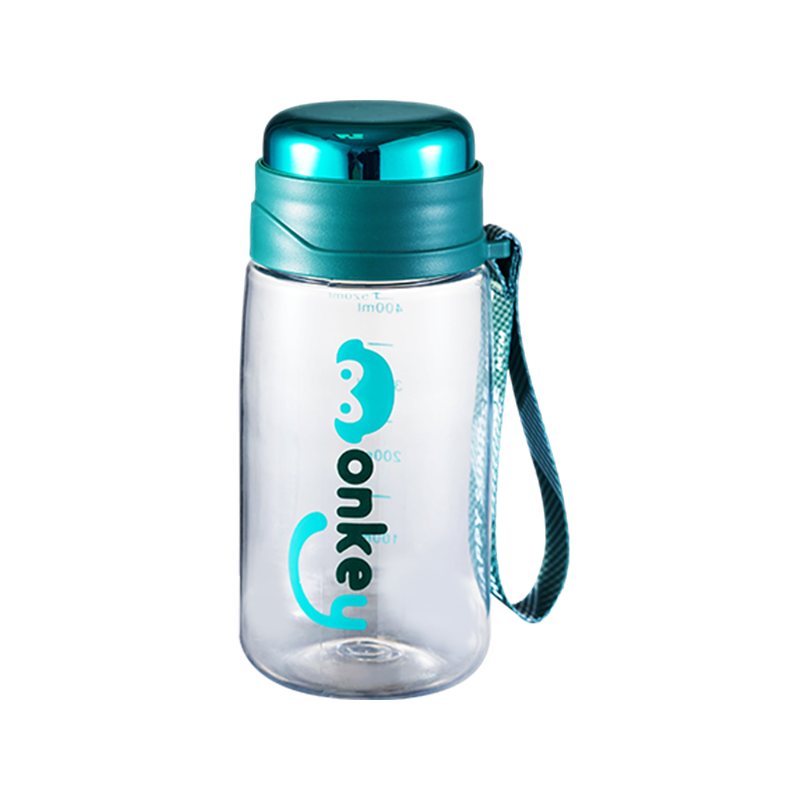
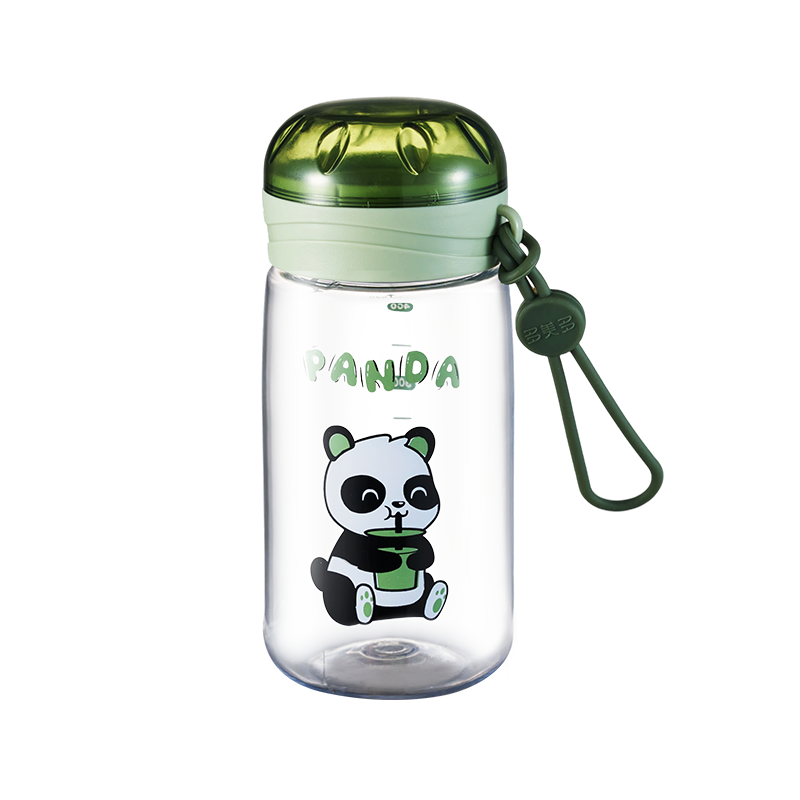
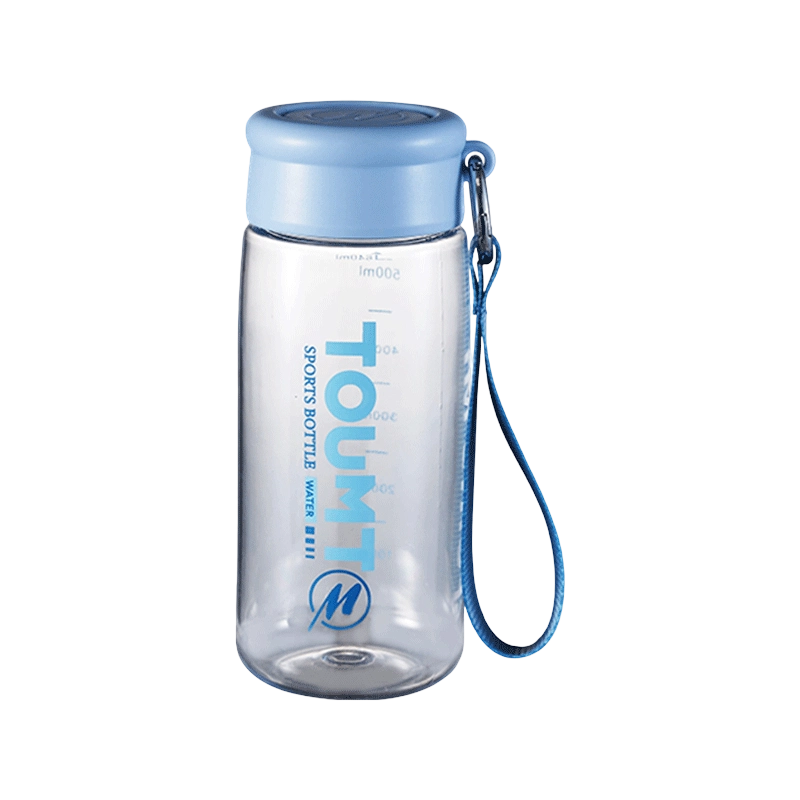
We specialize in the production and sales of plastic water cups, and also provide customization services
and comprehensive after-sales support.
QUICK LINKS
CONTACT US
- Address:No. 1 Shuangyou Road, Nancheng Street, Huangyan District, Taishan City, Zhejiang Province
- Tel: +86-19957687783
- Email: [email protected]
- Whatsapp: +86-19957687783
MOBILE
Copyright © Taizhou Huangyan Zuohao Plastic Factory.
All Rights Reserved.
