


 English
 عربى
عربىNews

What Are the Benefits of Drinking Water Through a Straw?
Notice how many people at a gym, in an office, or driving in traffic are sipping from a bottle with a straw poking out the top instead of tipping their head back to drink. That's not really a coincidence or a passing trend. A straw changes something small but real about how easy it is to actually drink water throughout the day, and that small change adds up over weeks and months of daily habits. A Water Bottle Plastic with Straw has become common gear for exactly this reason — it removes a tiny bit of friction from an action people are supposed to repeat dozens of times a day.
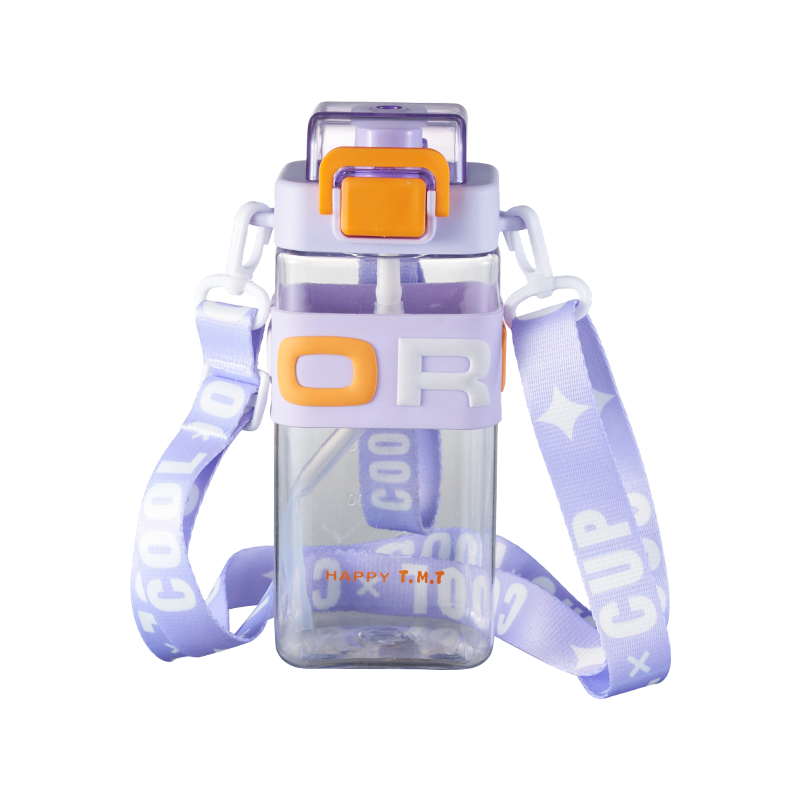
People used to just grab whatever bottle was nearby and tilt it back to drink. That still works fine, but a lot of people have found that a straw fits better into how their day actually moves.
Why Straws Are Showing Up on More Water Bottles
Drinking from a regular bottle means stopping, tilting your head back, and waiting for the water to reach your mouth. That takes a few extra seconds and a small physical adjustment every single time. A Straw Plastic Bottle skips that step entirely — the water is already positioned to reach your mouth the moment you sip.
A few reasons this design keeps gaining ground:
- Sipping through a straw doesn't require stopping whatever else you're doing at the moment
- It works better for people who are moving, whether that's walking, driving, or exercising
- It cuts down on the small hassle of repositioning a bottle every time you want a drink
- It fits naturally into situations where both hands are occupied and only one can hold the bottle
Someone typing at a keyboard can reach over, sip from a straw, and keep both eyes on the screen without breaking focus. Try that with a standard bottle and you'll likely spill something on the desk.
How This Makes Hydration Easier to Keep Up With
A lot of people don't actually drink less water because they're not thirsty. They drink less because reaching for water, opening a bottle, and tilting it back feels like a minor interruption they keep putting off.
Situations where this shows up constantly:
- Sitting at a desk during a long stretch of focused work
- Jogging or cycling where stopping to drink properly isn't practical
- Commuting on a train or in a car where a spill would be a real problem
- Running errands where a bottle needs to survive being tossed in a bag between stops
A straw bottle removes some of that friction. You don't have to fully stop what you're doing, just tilt your head slightly and sip. That small difference tends to translate into people actually drinking more water across a day, not because they're trying harder, but because it's simply less effort each time.
How a Small Design Choice Shapes a Daily Habit
Habits tend to form around whatever's easiest, not necessarily whatever's best in theory. If reaching for water feels like a hassle, people put it off. If it's as easy as sipping through a straw sitting right next to a keyboard, they do it without thinking twice.
| Design Feature | What It Changes Day to Day |
|---|---|
| Straw built into the lid | Removes the need to fully open or tilt the bottle |
| Comfortable mouthpiece | Makes sipping quick rather than awkward |
| Compact, grippy shape | Keeps the bottle easy to hold one-handed |
| Dishwasher-friendly parts | Makes it something people actually clean and reuse |
A person who's kept a straw bottle on their desk for a few months usually notices they're refilling it more often than they used to with a standard bottle, mostly because drinking from it barely interrupts anything.
Why Active Users Tend to Prefer This Style
Anyone who exercises regularly knows the annoyance of trying to drink from a normal water bottle mid-workout — tilting your head back while jogging is awkward at best. A straw design solves that specific problem directly.
| Activity | What a Straw Bottle Solves |
|---|---|
| Running or cycling | Lets you sip without stopping your stride completely |
| Weight training | Keeps hydration quick between sets |
| Hiking | Works even with a bottle strapped to a bag or belt |
| Team sports on a sideline | Lets players hydrate fast during short breaks |
A runner training for a longer distance often relies on this kind of bottle specifically because stopping to unscrew a cap and tilt a bottle back mid-run just isn't realistic.
How Different Age Groups End Up Using the Same Design
A straw bottle isn't just built for one type of user. Kids often struggle with tilting a heavier bottle back without spilling, older adults sometimes deal with grip or mobility issues that make traditional bottles awkward, and busy adults just want something that doesn't slow them down.
- Kids at school benefit from a design that doesn't require much hand strength or coordination to use
- Office workers appreciate being able to drink without pausing a task or a meeting
- Older users with limited grip strength find sipping easier than tilting a full bottle
- Parents managing a household often keep a few of these bottles around simply because they're easy for everyone to use without help
A family with both young kids and grandparents in the house sometimes ends up standardizing on this style of bottle for exactly this reason — it works reasonably well across a wide age range without needing different designs for different people.
Why the Type of Plastic Actually Matters
Not all plastic bottles are built the same way, and the material affects things people notice daily, like whether the bottle smells like plastic after a few uses or whether it holds up after being dropped.
A PP Plastic Water Bottle tends to get chosen for everyday reusable drinkware because of a few practical qualities:
| Consideration | Why It Matters in Daily Use |
|---|---|
| Resistance to odors | Doesn't pick up a lingering plastic smell over time |
| Durability under regular handling | Holds up against being dropped or knocked around in a bag |
| Safe for repeated washing | Handles regular trips through a dishwasher without warping |
| Lightweight structure | Doesn't add unnecessary weight to a bag or backpack |
Someone who's gone through a few cheaper bottles that cracked or started smelling after a couple months tends to notice the difference once they switch to something built with more attention to material quality.
How This Fits Into an Ordinary Day
A straw bottle doesn't really change what water is or what it does for the body. What it changes is how often someone actually reaches for it throughout a normal day.
Places this tends to show up:
- Sitting on a desk during work hours, within easy reach without needing to pause a task
- Clipped to a gym bag or held during a workout
- Sitting in a car's cupholder during a commute
- Packed for a hike or a day outdoors where refilling isn't always an option
None of these situations are unusual or specific to one type of person. They're just ordinary parts of a day where a slightly easier way to drink water tends to get used more consistently than a bottle that requires more effort each time.
How Hydration Habits Have Shifted Over Time
| Older Habit | More Common Habit Now |
|---|---|
| Drinking only when noticeably thirsty | Sipping periodically throughout the day |
| Using whatever container was nearby | Choosing a bottle designed for regular carrying |
| Treating water bottles as disposable | Investing in a reusable bottle meant to last |
| Drinking mainly during meals | Drinking steadily across work, exercise, and travel |
A straw bottle fits into this shift because it supports the kind of steady, low-effort sipping that this newer habit actually depends on, rather than requiring someone to stop and drink a large amount all at once.
How Bottle Design Keeps Getting Refined
Manufacturers aren't just producing the same bottle in different colors. They're paying attention to things like how easy a straw is to clean, whether the lid actually seals well enough to survive being tossed in a bag, and whether the mouthpiece feels comfortable after repeated daily use.
Areas that tend to get attention:
- Straws designed to come apart easily for thorough cleaning
- Lids that seal tightly enough to prevent leaks in a bag or backpack
- Grip textures that make the bottle easier to hold with one hand
- Sizing options that fit different daily needs, from a quick errand to a full workday
A company that's had customer complaints about mold building up inside a straw, for instance, tends to redesign that part specifically to make it removable and easier to scrub.
Why Reusable Bottles Keep Gaining Ground Generally
| What People Are Looking For | Why It Matters |
|---|---|
| Something that survives daily use | Reduces the need to replace bottles often |
| Easy cleaning | Keeps the bottle safe and pleasant to drink from |
| A design that fits different situations | Avoids needing a separate bottle for every activity |
| Comfortable, low-effort drinking | Encourages actually using the bottle consistently |
Straw bottles fit naturally into this broader shift, since they combine reusability with a design that makes people more likely to actually use the bottle they've bought instead of leaving it in a cabinet.
Where This Kind of Drinkware Is Headed
People aren't necessarily rethinking hydration in some dramatic way. They're mostly just looking for small conveniences that make an everyday habit slightly easier to keep up with. A straw built into a reusable bottle, made from a material like PP plastic that holds up to daily handling, answers that fairly directly.
As more people carry water with them through work, exercise, and daily errands, bottles built around this same idea — easy sipping, durable material, simple cleaning — will likely keep showing up in gym bags, desk drawers, and cupholders across all kinds of daily routines, doing a small job well enough that most people stop thinking about it after the first few uses.
Related Products
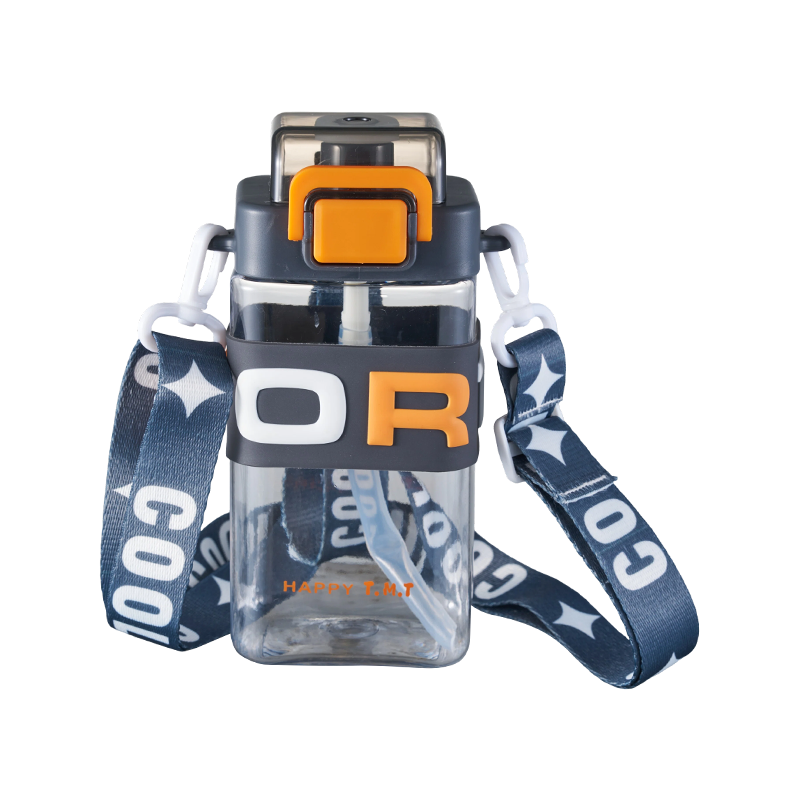
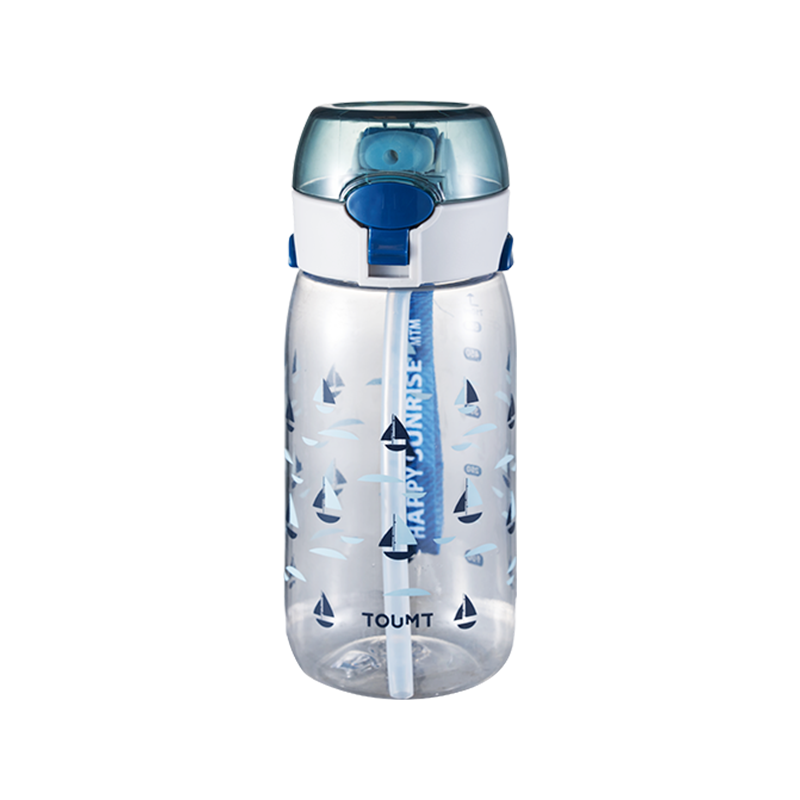
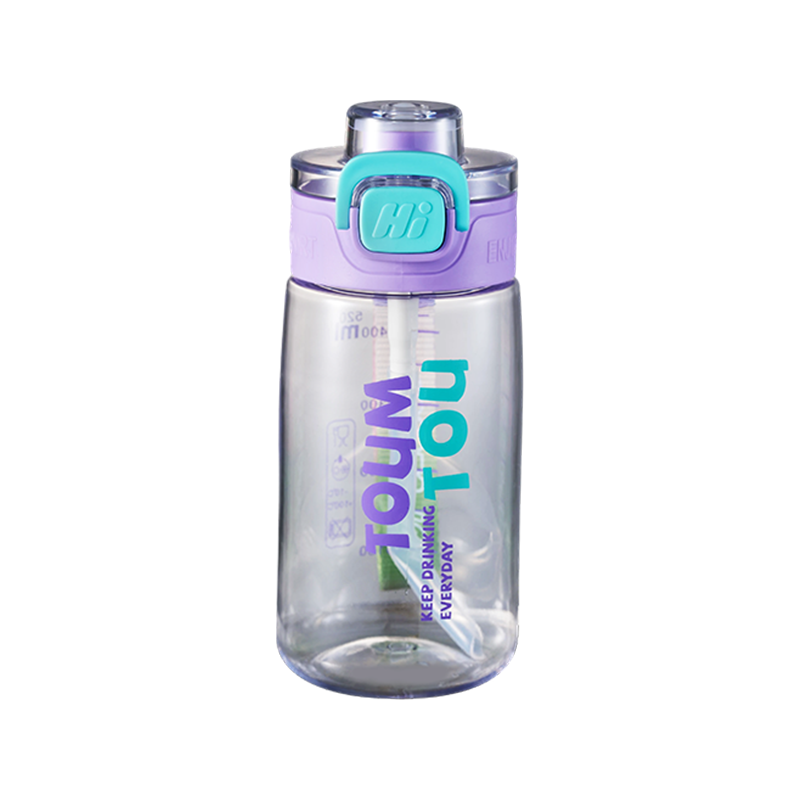
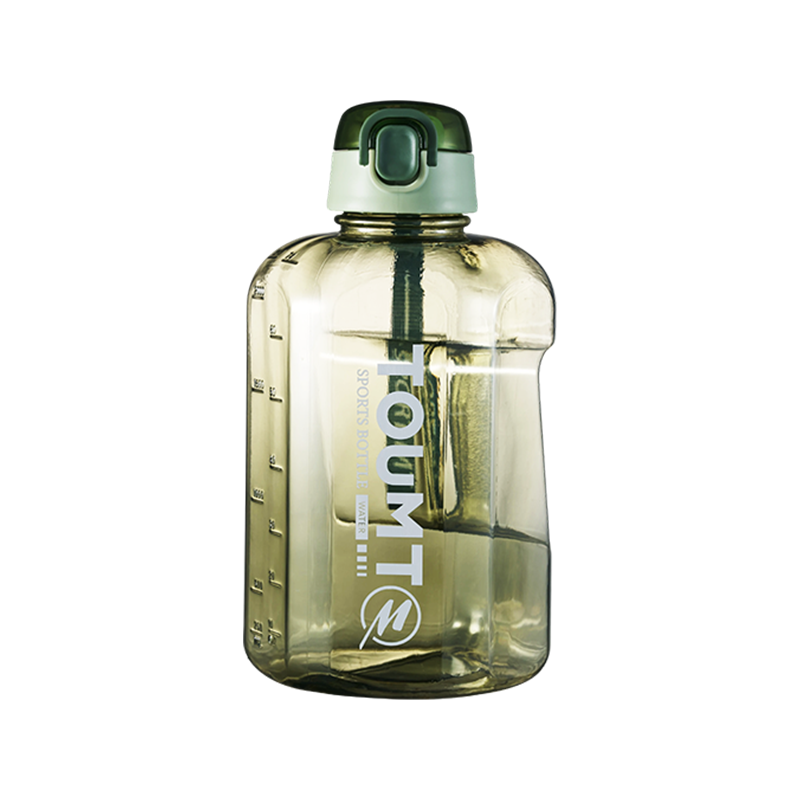
We specialize in the production and sales of plastic water cups, and also provide customization services
and comprehensive after-sales support.
QUICK LINKS
CONTACT US
- Address:No. 1 Shuangyou Road, Nancheng Street, Huangyan District, Taishan City, Zhejiang Province
- Tel: +86-19957687783
- Email: [email protected]
- Whatsapp: +86-19957687783
MOBILE
Copyright © Taizhou Huangyan Zuohao Plastic Factory.
All Rights Reserved.
