


 English
 عربى
عربىNews

How Plastic Drink Bottles With Straws Improve Daily Hydration
Fumbling with a screw cap mid-run, water sloshing out of an open-top bottle during a gym set, or trying to drink one-handed while gripping a steering wheel — small annoyances, sure, but they add up fast when hydration is supposed to be the easy part of staying active. A Plastic Drink Bottle with Straw solves a surprisingly specific problem: getting water into your mouth without breaking stride, pausing a lift, or taking your eyes off the road. It sounds like a minor detail until you actually try to drink from a wide-mouth bottle while jogging, or twist open a cap with sweaty hands between sets. That's usually the moment people start looking for something better.
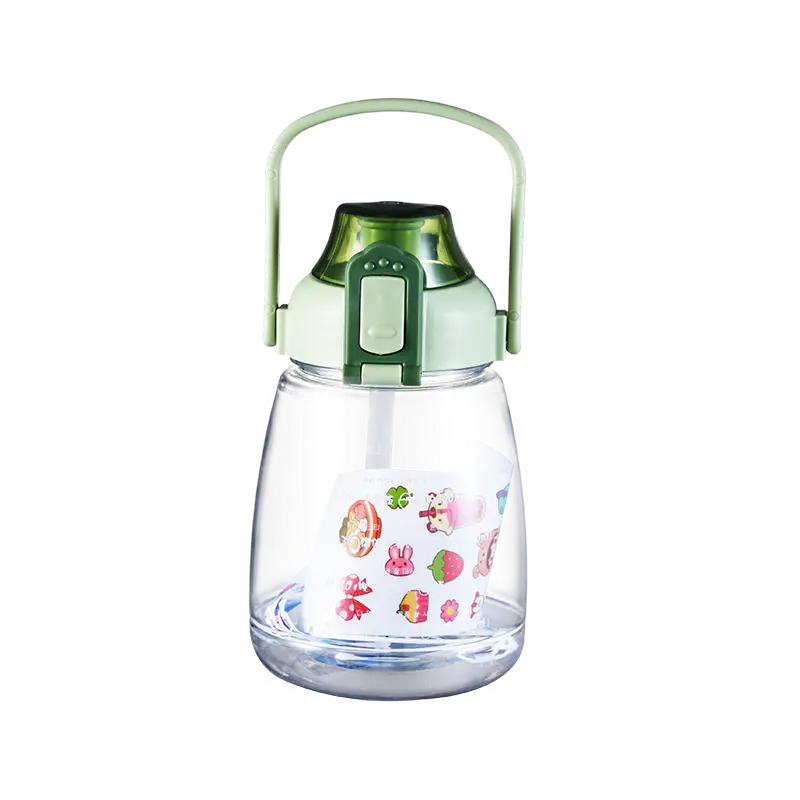
Why Does a Straw Design Actually Matter?
The appeal isn't really about the straw itself. It's about what the straw allows you to do differently compared to drinking from an open bottle rim.
- One-handed access, since a straw lets you sip without tilting the whole bottle back
- Faster, more controlled intake during short breaks in activity
- Reduced spillage risk, particularly when moving or multitasking while drinking
None of these benefits are dramatic on their own. But stacked together across a workout, a commute, or a long drive, they remove a surprising amount of friction from something as simple as staying hydrated.
Spill Proof Plastic Water Bottle: Solving the Mess Problem
Anyone who has had water leak into a gym bag or car cup holder understands why spill resistance matters as much as the straw mechanism itself. A spill proof plastic water bottle typically relies on a valve or seal built into the straw's base, closing off flow unless the user is actively drawing on it.
This matters most in situations where the bottle gets tossed into a bag, laid on its side, or jostled around during transport. Without that seal, even a straw-equipped bottle can leak just as readily as one without a straw at all.
How Does the Seal Actually Work?
Most designs use a small silicone or rubber valve at the straw's base that stays closed under normal conditions. Suction from drinking temporarily opens it, then it closes again once you stop drawing water through. It's a simple mechanism, but it's the difference between a bottle that survives a gym bag and one that doesn't.
Reusable Straw Bottle: Why Durability Changes the Value Proposition
A reusable straw bottle isn't just about avoiding single-use plastic waste, though that's certainly part of the appeal for a lot of buyers. It's also about whether the bottle can handle repeated washing, daily use, and the wear that comes with being tossed in a bag five or six days a week.
Cheaper single-use straw bottles tend to develop cracks at the straw's base after enough cycles of bending and washing. A properly built reusable version distributes that stress differently, typically through a straw that detaches for cleaning rather than one molded permanently into the cap.
Lightweight Plastic Water Bottle: Does Weight Really Matter During Exercise?
It might not seem like much, but carrying extra bottle weight during a run or a long gym session adds up over time, particularly for anyone carrying the bottle by hand rather than setting it down between uses.
A lightweight plastic water bottle reduces that cumulative fatigue, which matters more during activities involving sustained movement — running, cycling, or extended outdoor sessions — than it does during activities where the bottle mostly sits on a bench or counter between use.
Matching Bottle Type to Activity
| Use Case | Primary Requirement | Feature to Prioritize |
|---|---|---|
| Gym Training | Quick access between sets | Straw with spill-resistant valve |
| Running | Reduced carrying weight | Lightweight plastic water bottle for gym or running use |
| Travel | Leak resistance in bags | Spill-proof plastic water bottle |
| Daily Adult Use | Repeated washing and reuse | Reusable straw bottle with detachable parts |
Thinking through the activity first, rather than picking whatever bottle looks appealing on a shelf, tends to produce a much better fit once actual daily use begins.
Plastic Water Bottle for Gym: What Changes in That Setting?
Gym use puts a bottle through frequent handling, quick sips between sets, and the occasional drop onto a rubber mat or concrete floor. A plastic water bottle for gym use benefits from a sturdy straw mechanism and a grip surface that stays manageable even when hands are damp with sweat.
Frequent one-handed access matters here too, since reaching for a bottle mid-set without breaking form is part of what makes the straw design worthwhile in the first place.
Sports Water Bottles for Running: A Different Set of Priorities
Running introduces its own demands, mostly centered around weight and how the bottle behaves during repetitive motion. Sports water bottles for running tend to favor a slimmer profile that's easier to carry by hand or fit into a running belt, paired with a straw that allows quick sips without requiring a full stop.
Spillage matters less here than it does in a bag, since the bottle usually stays upright in hand, but weight and grip stability climb higher on the priority list.
Plastic Water Bottle for Travel: Handling Unpredictable Conditions
Travel introduces variables that gym or running use doesn't — being packed horizontally in a bag, sitting in a car cup holder through temperature swings, or getting tossed around in overhead storage. A plastic water bottle for travel needs to handle all of that without leaking, which puts extra weight on the spill-resistant valve holding up over time.
Does Bottle Shape Matter for Travel Use?
Somewhat. A bottle that fits standard cup holders and bag pockets tends to get used more consistently than one that's awkwardly shaped, simply because it's easier to bring along without a second thought.
Plastic Water Bottle for Adults: Is There Really a Difference from Kids' Versions?
Mostly in capacity and design simplicity. A plastic water bottle for adults typically holds more volume and skips some of the playful styling found in children's versions, but the underlying straw and spill-resistance mechanics stay largely the same across both categories.
PP Plastic Water Bottle: Why Material Choice Comes Up
Material selection affects both durability and how a bottle handles repeated washing, particularly if it's going through a dishwasher regularly. A PP plastic water bottle, built from polypropylene, tends to hold up well against repeated heat exposure from hot water washing without warping or clouding as quickly as some other plastic types.
This matters more for buyers thinking long-term about a reusable straw bottle than for anyone planning to replace bottles frequently, since polypropylene's heat tolerance is really about longevity through repeated cleaning cycles rather than any dramatic performance difference during actual use.
Straw Plastic Bottle Design: What Should Buyers Actually Check?
Before settling on a specific bottle, it helps to walk through a few practical questions rather than choosing based on appearance alone:
- Does the straw detach fully for thorough cleaning, or is it molded permanently into the cap
- Is there an actual valve mechanism preventing spills, or just a straw sitting in an open cap
- What's the total capacity relative to how long you're typically active between refills
- Does the material tolerate dishwasher heat, or does it require handwashing to avoid warping
Working through these questions upfront tends to save buyers from ending up with a straw plastic bottle that looks fine on a store shelf but performs poorly once it's actually part of a daily routine.
Sourcing for Retail or Bulk Distribution
For retailers, gyms, or brands considering bulk orders rather than individual purchases, sourcing decisions bring in a few additional factors beyond personal use considerations — consistency across large batches, packaging requirements, and the ability to customize branding on the bottle itself. Working with a plastic water bottle factory experienced in straw-bottle construction can help clarify what's realistic in terms of material options, valve reliability at scale, and turnaround timelines for larger orders.
Bringing Bottle Selection Together
Understanding what a straw design actually solves, how spill resistance works mechanically, and which features matter most for a given activity makes bottle selection considerably less confusing than comparing options purely on price or appearance. Whether the use case is daily gym sessions, long runs, travel, or bulk sourcing for retail distribution, matching the bottle's construction to actual conditions of use tends to produce a far better outcome than defaulting to whatever's most visible on a shelf. Taizhou Huangyan Zuohao Plastic Factory. works with buyers and retailers exploring straw bottle options for gym, running, travel, and general daily use, and welcomes inquiries about material choices, bulk quantities, and customization for specific sourcing needs.
Related Products
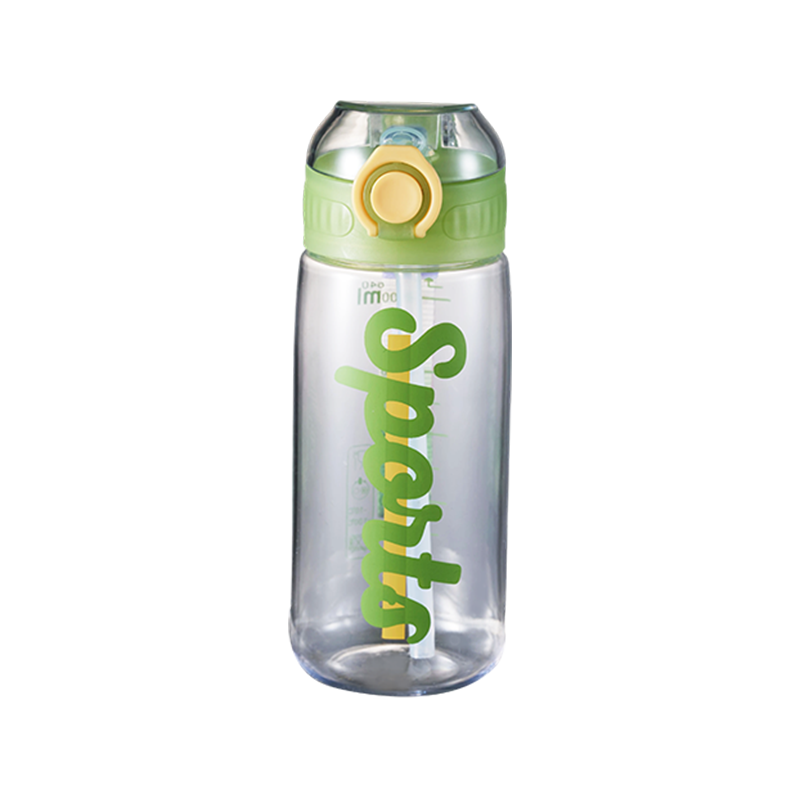
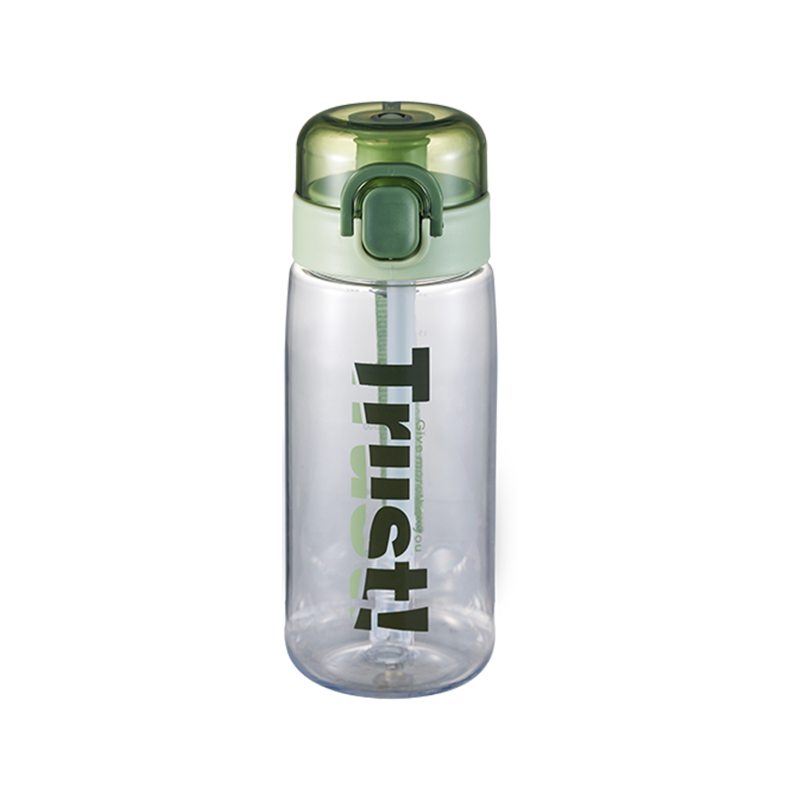
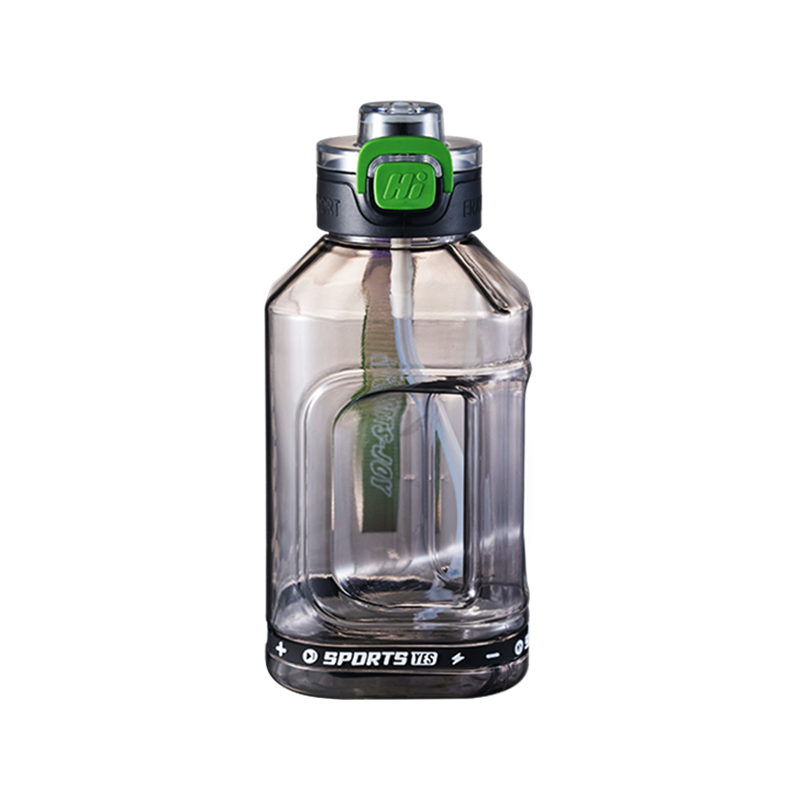
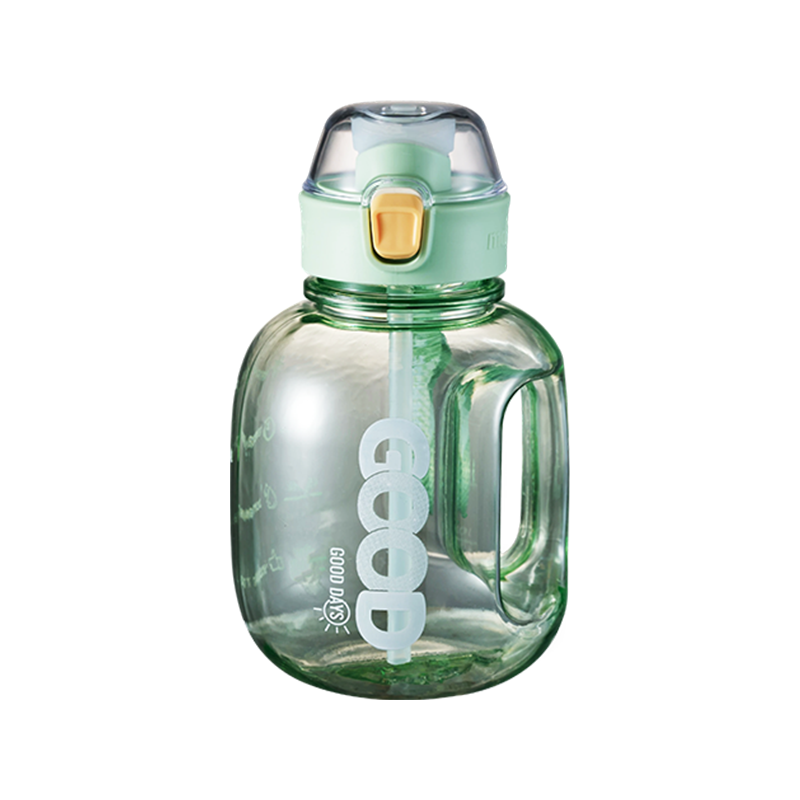
We specialize in the production and sales of plastic water cups, and also provide customization services
and comprehensive after-sales support.
QUICK LINKS
CONTACT US
- Address:No. 1 Shuangyou Road, Nancheng Street, Huangyan District, Taishan City, Zhejiang Province
- Tel: +86-19957687783
- Email: [email protected]
- Whatsapp: +86-19957687783
MOBILE
Copyright © Taizhou Huangyan Zuohao Plastic Factory.
All Rights Reserved.
