

 English
 عربى
NEWS
Home > News > Industry News > How Can Plastic Square Bottles Help Brands Optimize Warehouse Storage Space?

When thousands of bottles need to be stored and shipped, the space between containers starts to matter. Round bottles often leave small gaps when packed into rectangular cartons. Those gaps may seem insignificant for a single package, but across a large shipment they can add up to unused carton and pallet space.
This is one reason some brands consider Plastic Square Bottles for their packaging. Their flat sides allow containers to sit closer together and make carton arrangements more regular. Whether this leads to real savings depends on the bottle dimensions, packaging design and stacking requirements.
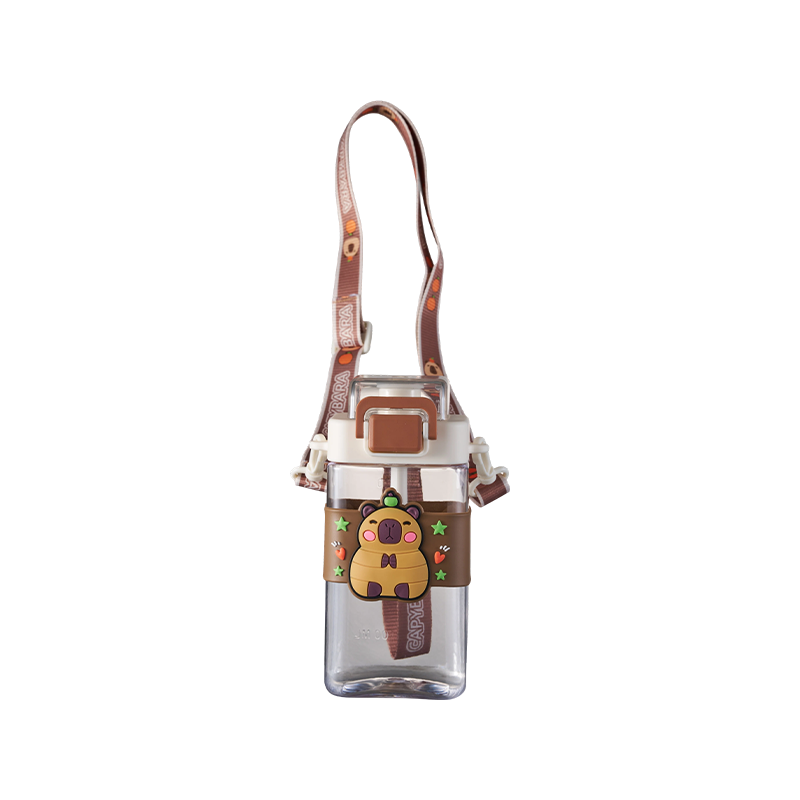
Why Bottle Shape Makes a Difference in Storage
Round bottles are easy to handle, but they do not fit together tightly in every arrangement. When placed side by side, the curved walls leave spaces between containers.
Square bottles use their flat sides more effectively. They can be positioned in regular rows, making it easier to arrange multiple units inside a rectangular carton.
This can be useful for products sold in large quantities, including detergents, household liquids and personal care products. More regular packing may also make warehouse rows easier to organize.
However, the shape alone does not determine how much space a brand saves. Cap size, handles, bottle dimensions and protective packaging all affect the final arrangement.
Make Better Use of Cartons and Pallets
A bottle's external dimensions determine how many units fit into a carton. Square designs often make this calculation more straightforward because their sides can align without leaving the same curved gaps found between round containers.
The packaging team should look at the entire shipping arrangement, including:
A small adjustment to bottle width or height can sometimes change the carton layout considerably. It is worth checking these dimensions before the mold is finalized, rather than trying to solve packing problems after production has started.
Square and Round Bottles Have Different Strengths
Square bottles can offer better packing arrangements, but round bottles remain suitable for many applications. Their curved walls can distribute pressure more evenly, and their shape may be preferable for certain pouring and handling requirements.
| Evaluation factor | Plastic square bottles | Round plastic bottles |
|---|---|---|
| Storage arrangement | Flat sides allow close placement | Gaps may remain between containers |
| Carton packing | Often fits regular grid layouts | May require more careful positioning |
| Handling | Flat sides can provide a stable grip | Rounded shape can feel comfortable in the hand |
| Structural performance | Corners need careful design | Curved walls distribute pressure more evenly |
| Labeling | Broad, flat surfaces | Labels follow a curved surface |
| Applications | Useful where packing efficiency matters | Suitable for many conventional packaging formats |
The choice depends on the product. A cleaning-liquid container may benefit from a square shape, while another product may need the pressure resistance or pouring characteristics of a round bottle.
Work Out Bottle Dimensions Before Tooling
Capacity is only one part of bottle design. Width, depth and height determine how efficiently the finished container fits into its carton and onto a pallet.
For example, a bottle may hold the required volume but still waste carton space because its width does not work with standard packaging dimensions.
A useful way to approach the design is to establish the required capacity first, then compare several combinations of width, depth and height. Each option can be checked against proposed carton sizes and pallet layouts.
Physical samples are important here. A digital layout can help with initial calculations, but actual bottles reveal practical issues such as cap clearance, handling space and packaging fit.
Make Sure the Bottles Can Handle Stacking Loads
Using warehouse height efficiently is useful only when the stored products remain stable. Square bottles may sit neatly together, but this does not automatically make them suitable for direct stacking.
The wall thickness, base, shoulders and corner design all affect how the bottle responds to pressure. Sharp corners can also create areas of concentrated stress during molding and handling.
Manufacturers should evaluate compression strength, leakage after deformation, drop resistance and pallet stability. Long-term storage tests are useful when filled bottles will remain stacked for extended periods.
In many cases, stacking cartons rather than individual bottles is the more appropriate arrangement. The packaging system should be tested under the actual storage conditions.
Choose Plastic According to the Product
Material selection affects bottle weight, rigidity, impact resistance and chemical compatibility.
HDPE is widely used for household chemicals and detergents where suitable chemical resistance is required. PET is common in food, beverage and personal care packaging, particularly when transparency is important. PP is used in selected packaging applications where its properties suit the product.
Square bottles need particular attention around their corners. Uneven wall thickness or poorly designed transitions can weaken these areas. Appropriate corner radii and a well-balanced wall structure help avoid unnecessary stress during production and use.
The resin should be selected according to the liquid being packaged, filling conditions and expected storage environment, rather than shape alone.
Use Flat Surfaces for Labels and Product Identification
Another practical feature of square bottles is the labeling area. Their flatter sides provide convenient space for product names, instructions, barcodes and brand graphics.
Consistent label positioning can make products easier to recognize during warehouse picking and inventory checks. This is particularly useful for brands managing several bottle sizes or liquid formulations.
Before approving a design, check that the label adheres properly and remains readable under expected storage conditions. Barcode placement also needs to allow reliable scanning without employees having to reposition every bottle.
Calculate the Savings Before Switching Bottle Shapes
Changing from round to square packaging involves more than comparing how many bottles fit into a carton. New molds may be required, filling equipment may need adjustment, and the bottle may use a different amount of plastic.
Brands should compare the existing and proposed designs using actual figures: units per carton, cartons per pallet, total shipment volume, product damage rates and transportation costs. Prototype packing trials can show whether the new shape delivers enough improvement to justify the change.
A square bottle is not automatically the cheaper option. Its value comes from how well the bottle, carton and pallet work together.
For brands shipping large quantities, Plastic Square Bottles can provide a useful way to reduce unused packing space and create more orderly warehouse arrangements. The best results usually come from considering bottle dimensions and pallet layouts at the same time, rather than treating storage efficiency as a decision made after the bottle has been designed.
Copyright © Taizhou Huangyan Zuohao Plastic Factory.
All Rights Reserved.