


 English
 عربى
عربىNews

Why Do You Drink More Water With Bottles With Straws?
Look at any office desk by mid-afternoon and there's a good chance the water bottle sitting there is still mostly full, lid still screwed on tight from that morning. It's not that people don't want to stay hydrated — it's that unscrewing a cap, tilting a bottle back, and screwing it shut again takes just enough effort that it keeps getting pushed to "in a minute." Bottles with Straws quietly remove most of that friction, which turns out to matter a lot more than it sounds like it should. Swap that twist-cap bottle for one with a straw sticking out the top, and drinking becomes something someone does without even looking up from their screen. That tiny shift in effort is really the whole story behind why straw bottles seem to get emptied so much faster than regular ones sitting on the same desk.
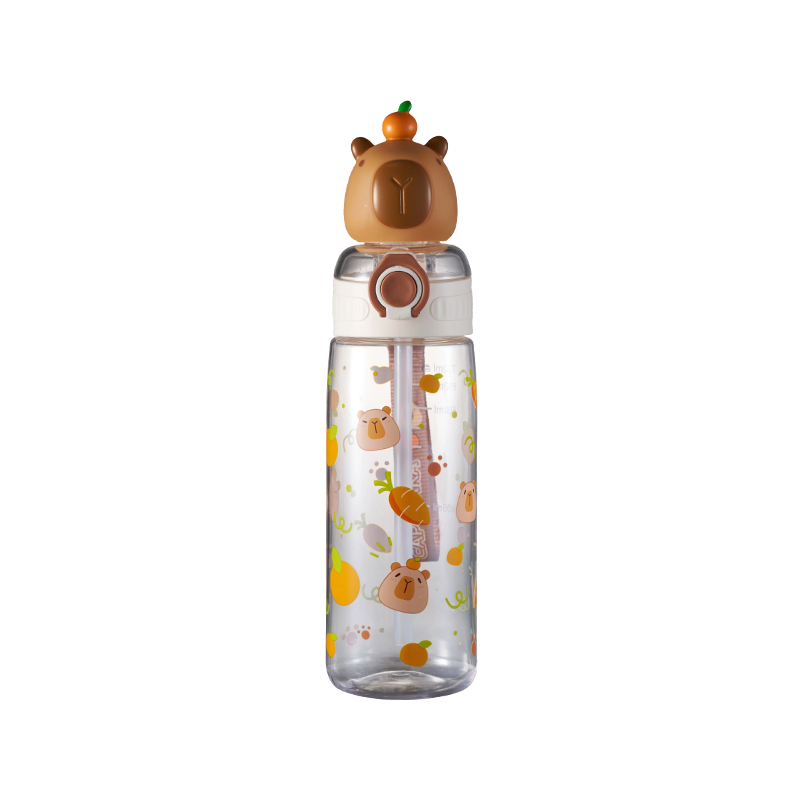
What's Actually Easier About Drinking From a Straw?
Habits tend to stick around when they don't ask much of a person. The less effort something takes, the more likely someone actually keeps doing it without thinking twice.
A straw bottle cuts drinking down to almost nothing — no tilting the head back, no adjusting posture, no stopping mid-task to deal with a cap.
That matters during things like:
- typing away at a desk
- halfway through a workout
- driving somewhere with both hands mostly on the wheel
- studying with a book propped open
- walking around outside running errands
A regular bottle asks for a bit more — pick it up, angle it right, drink, put it back down. A straw bottle skips most of those steps entirely, and a sip barely interrupts whatever someone's already doing.
The less something interrupts a routine, the more naturally it just becomes part of that routine.
Why Does Making Something Easier Actually Change Behavior?
Most people aren't skipping water on purpose. They're just forgetting, over and over, because reaching for the bottle takes just enough effort to keep getting deprioritized.
Having a bottle sitting within arm's reach already helps. Adding a straw on top of that makes the whole thing feel almost automatic, barely requiring a conscious decision.
| Drinking Method | What Usually Happens |
|---|---|
| Regular twist-cap bottle | Requires picking it up and adjusting angle |
| Straw bottle | Lets someone sip quickly with barely any movement |
| Open cup | Needs more careful handling, especially while moving |
That gap might sound small on paper, but multiply it across a whole workday and it adds up fast. Someone with a straw bottle parked next to their keyboard ends up taking casual sips between emails without ever really deciding to. Someone carrying one during a workout drinks more between sets just because it's right there and takes no effort.
Does a Straw Actually Get People Sipping More Often?
A big part of why straw bottles seem to work comes down to how naturally sipping fits into a day, compared to waiting until real thirst kicks in and then gulping down a big drink all at once.
Instead of one or two big drinking sessions, a straw bottle tends to encourage smaller sips spread out through the whole day.
That style tends to suit:
- people glued to a desk for hours at a stretch
- anyone who prefers smaller amounts over chugging
- people who want water accessible while they're moving around
- anyone who finds big gulps uncomfortable or awkward mid-task
It's really less about the straw as an object and more about how much it clears out of the way between someone and their next sip of water.
Does a Straw Make More Sense During a Workout?
Physical activity burns through water faster, but stopping mid-set or mid-run just to wrestle with a bottle cap breaks up the whole rhythm of a workout.
Straw bottles show up constantly in:
- gym sessions between sets
- walks and jogs
- cycling
- group fitness classes
- hiking and other outdoor activities
The whole design lets someone keep moving while still getting a drink in, instead of having to stop entirely.
During exercise, that matters a lot — nobody wants to break their pace every few minutes just to deal with a bottle. A straw makes hydrating between reps or during a jog feel like barely any interruption at all.
The same logic carries over outdoors too. On a hike or a long day out, being able to grab a quick sip without fully stopping makes it a lot more likely someone actually stays on top of drinking enough.
How Does This Play Out During a Regular Workday or Study Session?
Plenty of people sit through hours of work or studying and only notice afterward how little water they actually drank.
A bottle sitting on a desk works as a visual nudge on its own. Add a straw, and drinking stops competing with whatever's holding someone's attention — a spreadsheet, a textbook, a video call.
This tends to help:
- office workers stuck at a desk most of the day
- students buried in reading or assignments
- people working remotely from a home setup
- anyone doing focused, detail-heavy work for long stretches
A bottle that's this easy to use removes one more excuse for skipping water simply because reaching for it felt like too much of an interruption.
Just having the bottle visible nearby helps too — water that's right there and easy to access tends to actually get consumed instead of forgotten behind a stack of papers.
What's the Real Difference Between a Straw Bottle and a Regular One?
Both bottle types are doing the same basic job — holding water so someone can drink it later. The experience of actually using them day to day is where things diverge.
A regular bottle keeps things simple: fill it up, unscrew it, drink, screw it shut. A straw bottle adds a layer of convenience most people don't notice until they've gone back to a regular bottle and felt the difference.
| Feature | Regular Bottle | Straw Bottle |
|---|---|---|
| How you drink | Lift and tip back | Sip through the straw |
| Using it one-handed | Takes a bit more adjusting | Usually simpler mid-activity |
| Everyday convenience | Depends on the situation | Built for quick, frequent access |
| Drinking while moving | Can interrupt whatever you're doing | Lets you keep going without stopping |
Neither one is objectively right for everybody. Plenty of people still reach for a regular bottle out of habit, while others find the straw version fits their day a lot more naturally.
What actually works comes down to personal habits and how someone's day is usually structured.
Do Straw Bottles Fit a Wide Range of Lifestyles?
Part of why these bottles have caught on is how differently people actually end up using them.
A parent chasing kids around all day wants something that's easy to grab and sip from mid-chaos. A professional sitting through back-to-back meetings might just want something that sits quietly on the desk and gets used between calls.
People who work out regularly
Anyone exercising consistently tends to appreciate a bottle that lets them drink without breaking stride mid-workout.
Busy professionals
People with packed schedules often end up drinking more just because sipping doesn't require stopping what they're doing.
Students
Long stretches in a classroom or library make a low-effort way to stay hydrated genuinely useful.
People who travel a lot
Anyone constantly on the move — commuting, flying, road-tripping — tends to like a bottle that works easily without needing a flat, stable surface to use properly.
The appeal really comes down to how naturally a straw bottle slots into whatever someone's already doing, rather than asking them to build a new habit from scratch.
How Should One of These Actually Be Cleaned?
Since a straw bottle gets used constantly throughout the day, it needs a bit more attention than people sometimes assume.
The straw itself needs regular cleaning since it's coming into direct contact with both water and someone's mouth all day long.
A few habits worth keeping up:
- washing the whole bottle on a regular basis, not just rinsing it
- cleaning inside the straw carefully, since gunk builds up there easily
- letting everything dry out completely before using it again
- following whatever care instructions came with the specific bottle
- swapping out worn parts like straws or seals once they start looking rough
A bottle that's actually kept clean is just more pleasant to drink from, which honestly makes someone more likely to keep reaching for it instead of avoiding it.
Staying on top of cleaning also just makes the bottle last longer overall, instead of needing replacing every few months.
What's Worth Thinking About Before Picking One Up?
The right bottle really comes down to how someone's actual day looks, not just which one looks nicest on a store shelf.
Some people need something built for the gym. Others just want something that sits quietly on a desk all day and gets used between tasks.
A few things worth weighing:
| Factor | Why It Actually Matters |
|---|---|
| Daily routine | Shapes when and where the bottle actually gets used |
| Drinking style | Some people genuinely prefer sipping over big gulps |
| How portable it is | Matters a lot if it's getting carried around during activities |
| Cleaning routine | Affects how convenient it stays over time |
| How comfortable it feels | Influences whether someone actually reaches for it regularly |
A bottle that fits naturally into someone's actual day tends to get used a lot more consistently than one that just looked good online but doesn't match how that person actually lives.
Bottles with Straws end up helping people drink more water mostly by getting out of the way — removing the small bits of friction that usually make hydration feel like one more chore to remember. That's really the whole trick behind why they work: when drinking water barely takes any effort at all, it stops being something someone has to remember and starts just becoming part of however they already move through their day.
Related Products
We specialize in the production and sales of plastic water cups, and also provide customization services
and comprehensive after-sales support.
QUICK LINKS
CONTACT US
- Address:No. 1 Shuangyou Road, Nancheng Street, Huangyan District, Taishan City, Zhejiang Province
- Tel: +86-19957687783
- Email: [email protected]
- Whatsapp: +86-19957687783
MOBILE
Copyright © Taizhou Huangyan Zuohao Plastic Factory.
All Rights Reserved.
