


 English
 عربى
عربىNews

How Straw Plastic Water Bottle Cuts Drinking Friction?
Staying hydrated during a workout sounds straightforward, but the reality is that most people drink less than they should — not because they forget, but because the process of stopping, unscrewing a cap, tilting a bottle, and drinking without spilling interrupts the rhythm of movement. A Straw Plastic Water Bottle removes most of those steps. The drinking action becomes fast, low-effort, and compatible with motion, which changes how often people actually reach for their bottle. That behavioral shift, repeated across a training session, adds up to meaningfully better hydration than the best intentions with an inconvenient bottle.
Why Hydration During Exercise Is Harder Than It Looks
The Body Loses Fluids Faster Than Most People Realize
Sweat is the body's cooling mechanism. During exercise, it activates within minutes and continues regardless of whether the person is replacing what they lose. The fluid loss is not always obvious — some exercise environments feel cool, or air movement from running masks the sensation of sweating. The physical effects of dehydration, including reduced endurance, reduced focus, and increased muscle fatigue, can begin developing well before thirst becomes prominent.
The practical implication is that waiting until you feel thirsty to drink is already late. Consistent small sips throughout a session are more effective for maintaining hydration than catching up at the end.
Why People Drink Less Than They Need During Workouts
The problem is rarely motivation. It is access. When taking a drink requires stopping what you are doing, dealing with a cap, and managing a bottle that can spill on your clothes or equipment, it becomes something you put off. A quick set of reps turns into five sets before anyone reaches for water. A moderate run stretches out past the point where drinking would have been easy.
The friction involved in drinking from a standard bottle is small in isolation. Multiplied across an entire workout, it becomes the reason fluid intake is consistently lower than it should be.
How the Straw Design Reduces That Friction
One-Handed Drinking Without Tilting the Bottle
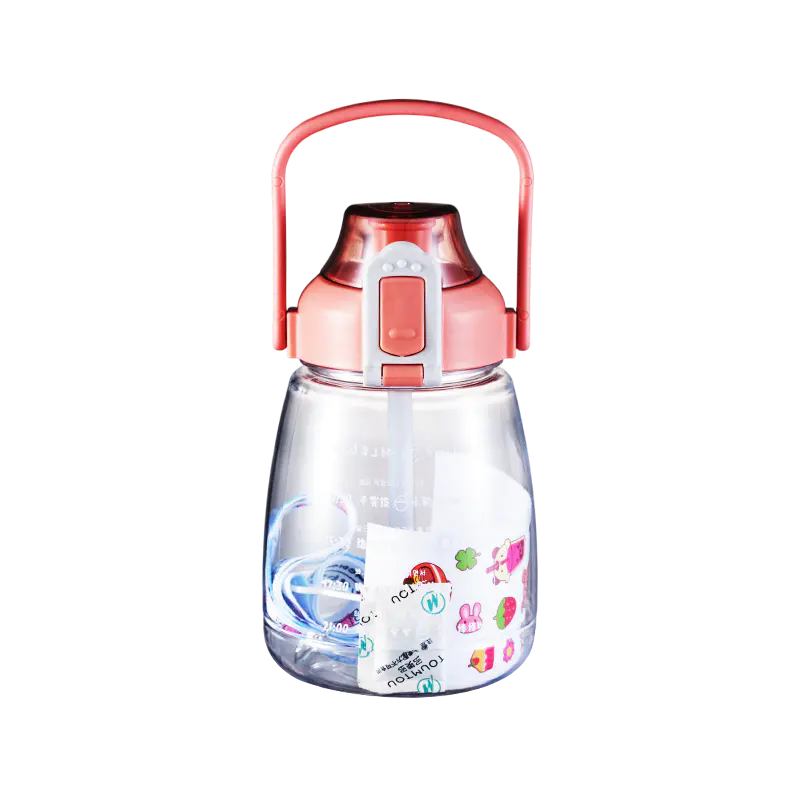
The straw design solves the tilting problem. A standard bottle requires enough upward tilt to bring liquid to the opening, which means a free hand and a pause in movement. A straw draws liquid up with a small amount of suction regardless of angle. The bottle can stay at waist level, chest level, or in a bag — the drinking action is the same either way.
During a run, this means a drink from a handheld bottle without slowing pace or shifting grip. During a gym session, it means a quick sip between sets without putting the bottle down, picking it up again, removing a cap, drinking, replacing the cap. The sequence collapses from five or six actions to one.
Does the Straw Design Change Drinking Behavior Over a Session?
It does, in a way that is worth understanding. When access to water becomes easier, the threshold for reaching for the bottle drops. A person who would not stop a movement to unscrew a cap will take a quick pull from a straw mid-step. The drinking frequency goes up without any change in intention — just because the barrier to doing it is lower.
Over a full workout, the cumulative difference in intake between a convenient and an inconvenient bottle is substantial. The straw design is not just a comfort feature. It is a mechanism that changes how often hydration actually happens.
Why Plastic Works Well for Sports Bottles With Straws
Lightweight Construction Matters During Active Use
The weight of a water bottle becomes noticeable during exercise in a way it does not when you are just carrying it from a desk to a meeting. A bottle held in the hand for a run, attached to a bike frame, or carried in a vest or pack adds load that accumulates over distance. Plastic keeps that weight low compared to stainless steel, which matters for users who carry their bottle during activity rather than leaving it on a surface nearby.
BPA-free plastic — the material standard for sports and food-contact applications — is durable, impact-resistant, and light. It can handle drops on gym floors, contact with equipment, and the general physical reality of active use without the weight penalty of metal.
How Does Plastic Compare to Stainless Steel for Exercise Use?
Both materials are widely used for sports bottles, and each has genuine advantages. The comparison comes down to priorities:
- Plastic is lighter, which matters for carried use during running, cycling, or hiking
- Stainless steel insulates better, which matters when temperature retention is the priority
- Plastic is typically less expensive, making it a practical choice for high-volume use or promotional supply
- Stainless steel is more durable against impact deformation over a long lifespan
- Plastic allows squeeze drinking as an option alongside the straw, which some users prefer
- Both materials are available in BPA-free and food-safe formulations appropriate for regular use
For exercise use where the bottle is carried, handled frequently, and where room-temperature water is acceptable, plastic has a functional advantage that the weight difference alone justifies.
Key Features That Make a Straw Bottle Work Well for Sports
The Lid System Determines Everyday Usability
The straw is only as good as the lid that holds it. A lid that leaks defeats the practical benefit of the design — a wet bag or wet clothing is worse than the inconvenience of a screw cap. Leak-proof lid designs use a sealed valve around the straw that closes when not in use and opens under suction, or a flip-open mechanism that exposes the straw only when activated.
For sports use, the lid also needs to be openable with one hand. A design that requires two hands to open is not meaningfully better than a screw cap during active movement. Flip-top straw lids that open with a thumb push have become standard in sports bottles precisely because they solve this specific problem.
What Makes a Straw Durable Enough for Regular Exercise Use?
The straw itself is a component that takes more wear than it might appear to. It gets bitten, flexed, removed for cleaning, and reinserted repeatedly. A straw made from flexible, food-safe silicone or durable BPA-free plastic holds up to this treatment without cracking, yellowing, or developing odors from moisture retention.
Straw length also affects function. A straw that does not reach the bottom of the bottle leaves liquid that cannot be accessed without tilting. A properly sized straw draws from the lower portion of the bottle's interior, making the full volume accessible regardless of how full or empty the bottle is.
Does Bottle Shape Affect How Easy It Is to Use During Exercise?
Shape and grip matter more for active use than for stationary use. A bottle that is easy to hold with a sweaty hand — through texture, contour, or a grip band — stays in hand during a run or ride more reliably than a smooth cylindrical design.
Narrower bottles fit more water bottle holders on bikes, treadmills, and gym equipment. Wider bottles with larger capacity reduce the number of refills needed during a long session. For most gym and indoor exercise use, a mid-range diameter fits holders, provides adequate capacity, and remains easy to grip.
Comparing Straw Bottles to Other Sports Hydration Options
How a Straw Plastic Water Bottle compares to other common options across exercise-relevant dimensions:
| Feature | Straw Plastic Bottle | Spout Lid Bottle | Squeeze Bottle | Wide-Mouth Bottle | Stainless Steel Bottle |
|---|---|---|---|---|---|
| Drinking ease during movement | High | Moderate | High | Low | Moderate |
| One-handed access | Yes | Yes | Yes | No | Depends on lid |
| Leak resistance | High (valve design) | Moderate | Moderate | Low when open | High |
| Weight | Low | Low | Low | Low | High |
| Temperature retention | None | None | None | None | High |
| Squeeze option | No | No | Yes | No | No |
| Cleaning ease | Moderate (straw) | Easy | Easy | Easy | Moderate |
The straw design trades squeeze functionality for a more controlled drinking flow and better leak resistance. For most gym, running, and general fitness use, that trade works in its favor.
Matching the Straw Bottle to the Exercise Type
Running and Cycling Use
Running and cycling create specific challenges for hydration. The body is in constant motion, both hands may be occupied, and stopping to drink carries a pace cost. A straw bottle in a handheld running grip or a bike cage stays accessible, and the straw drinking mechanism works without requiring a pause in movement. Lighter bottles reduce carry fatigue over longer distances.
Gym and Strength Training Use
Gym use is less about motion management and more about frequency. Rest periods between sets are short, and fumbling with a cap eats into recovery time. The straw lid allows a quick drink at any point without cap management, which means it actually gets used between every set rather than every few sets.
The bottle also needs to tolerate being set down on gym floors and equipment without concern about the lid creating a spill point. A secure straw lid with a valve closure handles this reliably.
Outdoor and Group Sports Use
Team sports, outdoor fitness classes, and trail activities involve variable intensity and variable access to refill points. A higher-capacity straw bottle reduces the frequency of refilling. The straw mechanism allows quick sips during brief pauses in play or activity without requiring a gear change in the movement of the session.
Finding a Straw Plastic Water Bottle That Fits the Application
Hydration during exercise is a behavior problem as much as a health one. The bottle that gets used is the one that is easy to use — and the straw design addresses the key friction points that cause people to drink less than they should. For fitness brands, sports retailers, promotional product buyers, and distributors sourcing Straw Plastic Water Bottles for active use markets, the design details — straw durability, lid seal quality, grip form, and plastic specification — are what separate a product that performs well in use from one that looks good in a product listing. Taizhou Huangyan Zuohao Plastic Factory produces plastic sports bottles including straw lid designs across a range of sizes and configurations, with customization options for branding, color, and product specification. Reaching out to discuss order requirements, material specifications, or custom design needs is a practical way to evaluate whether their production range fits your sourcing program.
Related Products
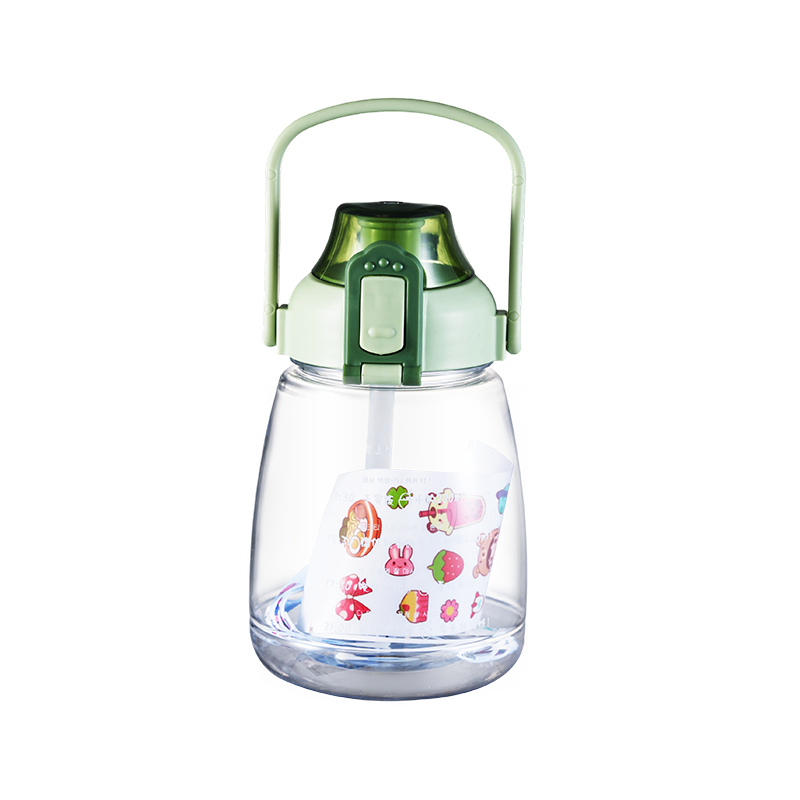
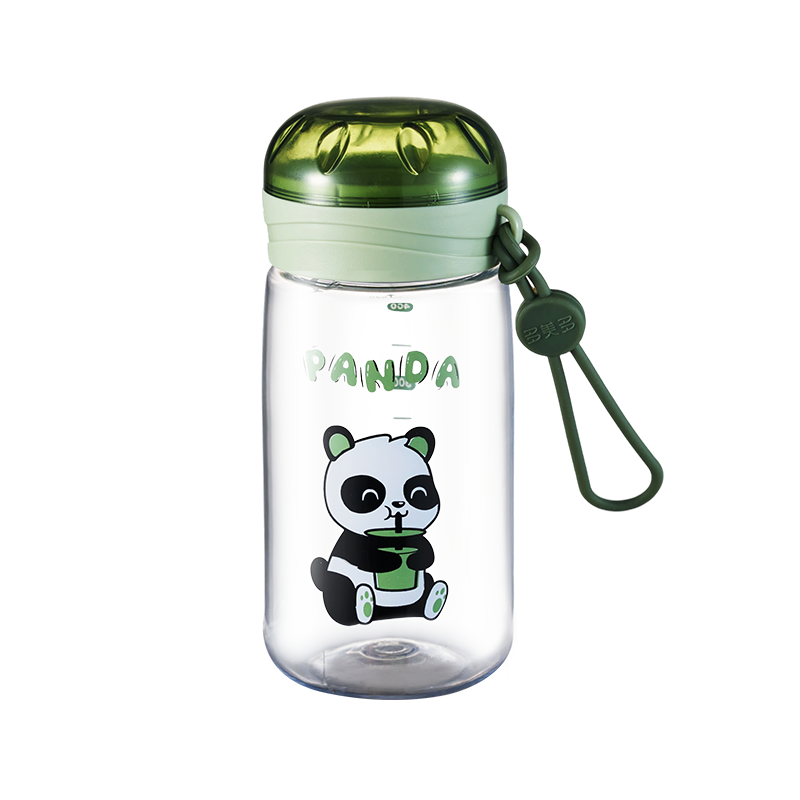
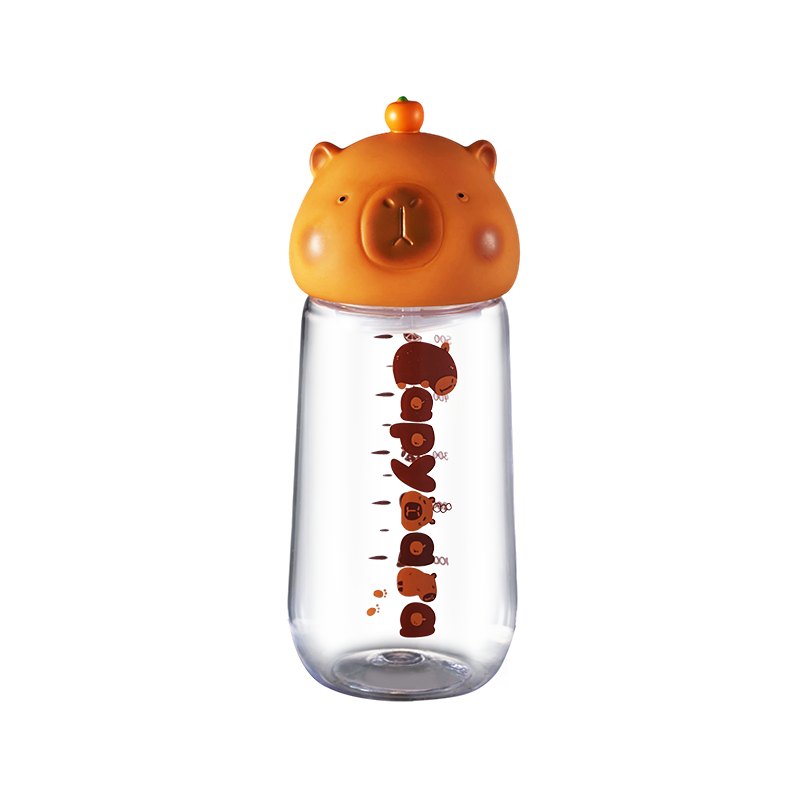
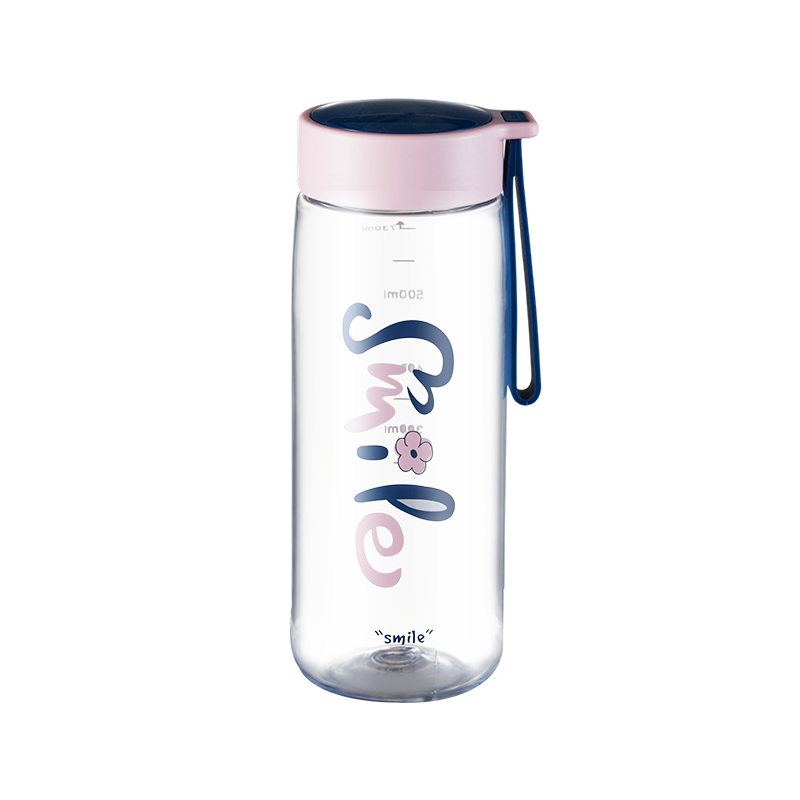
We specialize in the production and sales of plastic water cups, and also provide customization services
and comprehensive after-sales support.
QUICK LINKS
CONTACT US
- Address:No. 1 Shuangyou Road, Nancheng Street, Huangyan District, Taishan City, Zhejiang Province
- Tel: +86-19957687783
- Email: [email protected]
- Whatsapp: +86-19957687783
MOBILE
Copyright © Taizhou Huangyan Zuohao Plastic Factory.
All Rights Reserved.
